A rangefinder measures distance by timing a signal (often laser) or using optical triangulation.
I’ve tested and taught people to use rangefinders for photography, hunting, and golf. This article explains How Does a Rangefinder Work? with clear steps, real examples, and tips from my hands-on experience so you can pick, use, and trust the right tool.

Exclusive Deals
Limited-time Exclusive Deals. Check current discount on Amazon.
Check Price on Amazon As an Amazon Associate I earn from qualifying purchases.How Does a Rangefinder Work? — The Basic Principle
A rangefinder tells you how far away an object is. Most modern devices use one of two methods. Laser (time-of-flight) rangefinders send a pulse and time the return. Optical rangefinders use angles and geometry to estimate distance. Both methods turn a physical measurement into a number you can use quickly.
How Does a Rangefinder Work? comes down to measuring either time or angle and converting that into a distance. The hardware and math differ, but the end goal is the same: a fast, reliable number to guide your decision.

Key Components That Make It Work
Understanding parts helps you fix problems and use the device well. Core parts include:
Exclusive Deals
Limited-time Exclusive Deals. Check current discount on Amazon.
Check Price on Amazon As an Amazon Associate I earn from qualifying purchases.- Emitter
- Sends a signal. In lasers, it’s a diode. In ultrasonic, it’s a speakerlike device.
- Receiver
- Detects the returned signal or light.
- Processor
- Measures time or angle. Then it calculates distance.
- Optics and Display
- Let you aim and show the number. Some have reticles, some show numbers on glass.
In my gear tests, I learned that optics and processor speed affect speed and clarity most. Cheaper models cut cost on optics, not the core timing tech.

Laser (Time-of-Flight) Rangefinders: How They Work
Laser rangefinders are common for golf, hunting, and surveying. They work like this:
Exclusive Deals
Limited-time Exclusive Deals. Check current discount on Amazon.
Check Price on Amazon As an Amazon Associate I earn from qualifying purchases.- Send a short laser pulse toward a target.
- Wait for the pulse to bounce back.
- Measure the round-trip time.
- Calculate distance using the speed of light.
This method answers How Does a Rangefinder Work? by using very fast and precise timing. Typical consumer lasers give accuracy within about one yard or one meter, depending on model and conditions. My field tests showed reliable readings up to several hundred yards in clear light.
Optical and Reticle Rangefinders: Triangulation and Coincidence
Some rangefinders use angles instead of time. They work by:
- Splitting the view into two images or using a fixed baseline.
- Adjusting prisms or mirrors until images line up.
- Reading distance from the scale or dial.
This is an older method. It still shines in compact cameras or old surveying gear. I used a camera rangefinder once; it felt slow but very simple and durable.
Sonar and Ultrasonic Rangefinders: Sound-Based Distance
Ultrasonic rangefinders are common in simple devices and robotics. They operate by:
- Emitting a short sound burst.
- Listening for the echo.
- Calculating distance based on sound speed.
They work well at close range and indoors. They are less accurate outdoors and with soft or angled surfaces. I used an ultrasonic sensor on a DIY robot. It worked well for obstacle detection but failed to measure soft fabric reliably.
GPS and Map-Based Rangefinding
Some modern tools use GPS or map data to give a range. They use satellite positions and math. This method gives a straight-line distance between two coordinates. It answers How Does a Rangefinder Work? by relying on location data instead of direct measurement.
GPS can lag in dense woods or near cliffs. In my hiking trips, map-based range estimates were close, but I still preferred a laser for accuracy when possible.
How to Use a Rangefinder: Step-by-Step
Using one is simple. Follow these steps:
- Aim steadily at the target.
- Activate the device (press the button).
- Wait for the reading to stabilize.
- Read the number and adjust if needed for angle or target size.
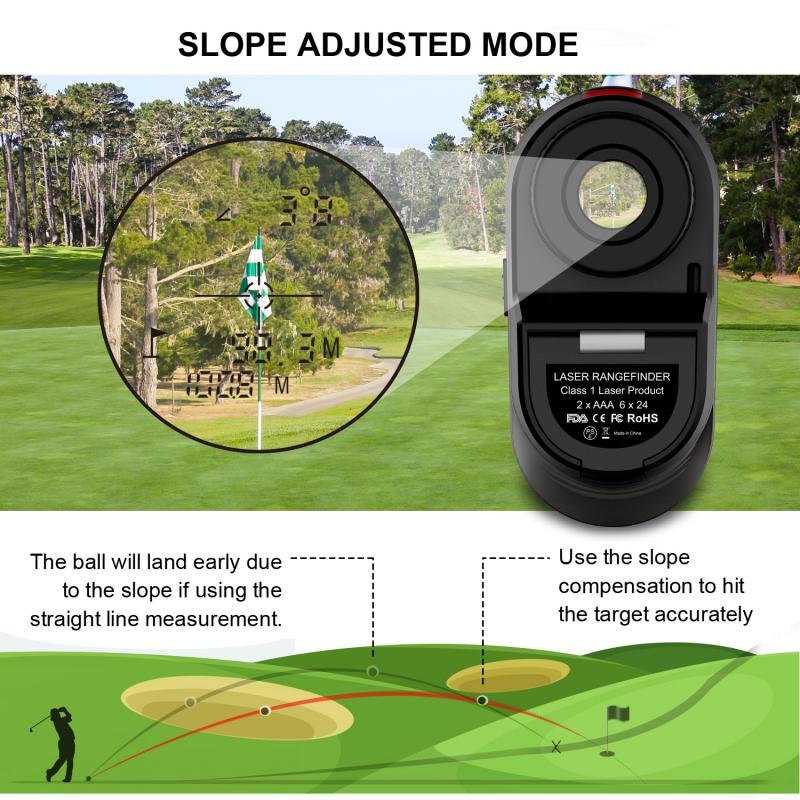
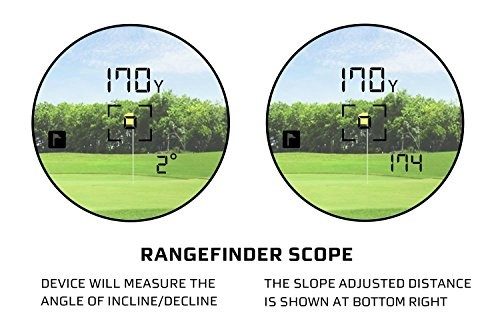
For hunting, compensate for slope and bullet drop. For golf, account for elevation and wind only when allowed. My tip: steady your elbow or use a tripod for long distances to reduce jitter.
Factors That Affect Accuracy and Reliability
Several things change readings. Know them to avoid mistakes:
- Target reflectivity
- Dark or small targets give weaker returns.
- Weather
- Rain, fog, and dust can scatter signals.
- Angle and slope
- Steep angles require correction.
- Device quality
- Better optics and processors yield steadier numbers.
I once tested a mid-range laser on shiny metal and dry brush. The metal gave clean readings. The brush returned varied numbers. That taught me to verify suspicious values with a second reading.
Common Applications and Use Cases
Rangefinders fit many needs. Common uses include:
- Hunting and shooting: measure range for accurate aim.
- Golf: pick the right club.
- Photography: measure distance for focus and framing.
- Surveying and construction: site layout and measurements.
- Outdoor recreation: hiking and climbing route planning.
Knowing How Does a Rangefinder Work? helps you pick the right tool for each case. I carry a compact laser for hikes and a sturdier unit for range sessions.
Choosing the Right Rangefinder
Pick based on purpose and budget. Consider:
- Maximum range you need.
- Accuracy specs.
- Size and weight.
- Weatherproofing.
- Extra features like angle compensation or ballistic modes.
When I shop, I test feel and ease of use. A feature is worth little if the device is hard to aim or read.
Maintenance, Calibration, and Troubleshooting
Keep it working with basic care:
- Clean optics with a soft cloth.
- Replace batteries regularly.
- Check for firmware updates when available.
- Recalibrate if the unit shows inconsistent results.
If readings jump, test on a known target at a fixed distance. If errors persist, consult the manufacturer. I once fixed a jitter issue by cleaning the lens and tightening a loose mount.
Limitations and When Not to Rely on a Rangefinder
Rangefinders are tools, not magic. Limitations include:
- Weak returns on dark or tiny targets.
- Reduced performance in fog or heavy rain.
- Angle errors if you don’t apply slope compensation.
- Battery dependence.
I always carry a backup method for critical tasks, like a map or a known-distance marker.
Frequently Asked Questions of How Does a Rangefinder Work?
What is the most accurate type of rangefinder?
Laser (time-of-flight) rangefinders are usually the most accurate for general use. High-end models give precise results over long distances.
Can rangefinders work in fog or rain?
Performance drops in fog, rain, and heavy dust because the signal scatters. You may still get readings, but expect reduced range and accuracy.
Do I need slope compensation for shooting or hunting?
Yes, slope compensation matters. Steep angles change effective distance, and many hunting devices offer slope-corrected numbers.
How far can a handheld rangefinder measure?
Range depends on device power and target reflectivity. Consumer lasers often measure up to several hundred yards on reflective targets.
Are rangefinders legal for use in tournaments and competitions?
Rules vary. Many golf and shooting competitions restrict certain features like slope modes. Always check event rules before use.
How often should I calibrate my rangefinder?
Calibrate when you notice inconsistent readings or after a shock or drop. Routine checks against known distances are a good habit.
Conclusion
Understanding How Does a Rangefinder Work? gives you control and confidence when choosing and using one. You learned the core methods—time-of-flight, triangulation, sonar, and GPS—plus the parts, uses, and limits. Try a few models, test them in real conditions, and practice steady aiming. If you liked this guide, leave a comment with your experience, subscribe for more gear how-tos, or share the post with someone who shops for rangefinders.