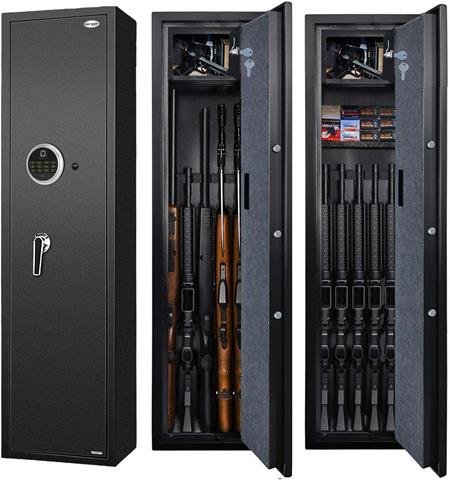
Storing firearms safely is a responsibility every gun owner must take seriously. Whether you own one rifle or a collection, protecting your guns from rust, dust, and scratches matters. One simple tool can help: gun socks. These soft, stretchy sleeves are designed to cover your guns and shield them from harm. But just buying gun socks is not enough—you need to know how to use them correctly, and how to store your guns for maximum safety. If you’re new to gun care or want to improve your storage habits, this guide will show you how to store guns with gun socks safely, step by step.

Exclusive Deals
Limited-time Exclusive Deals. Check current discount on Amazon.
Check Price on Amazon As an Amazon Associate I earn from qualifying purchases.What Are Gun Socks And Why Use Them?
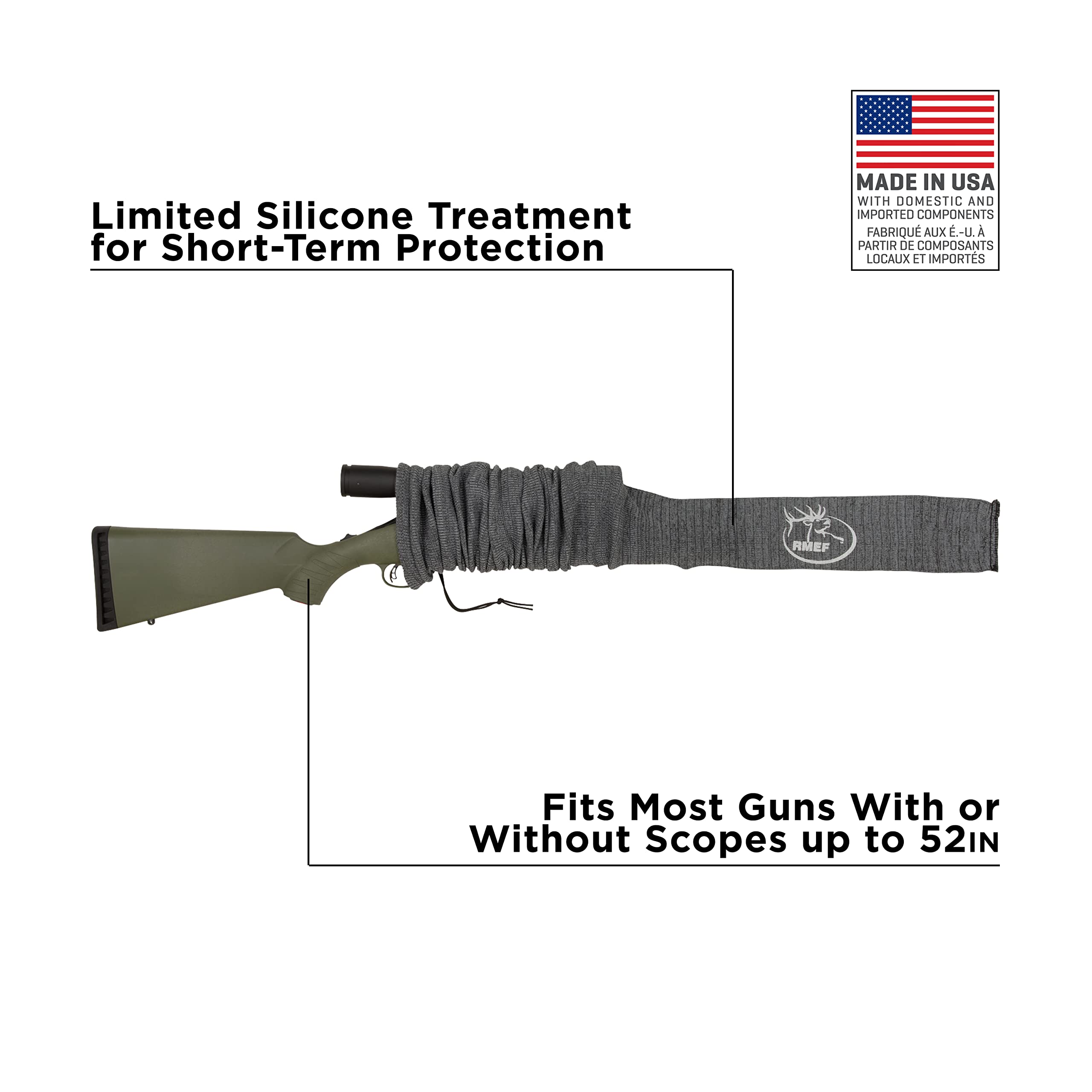
Gun socks are long, fabric sleeves made to fit over rifles, shotguns, or handguns. Most gun socks are made from polyester or cotton blends, sometimes mixed with silicone. The main purpose is to protect your firearms from dust, moisture, and scratches.
Gun socks are popular for several reasons:
- Protection from rust: Many gun socks are treated with silicone, which repels moisture. This helps prevent rust, especially in humid climates.
- Scratch prevention: The soft fabric shields metal and wood surfaces from accidental nicks and scratches.
- Dust control: Gun socks keep dust and dirt off your guns, reducing cleaning time.
- Easy identification: Colored socks make it easier to spot different guns in storage.
Gun socks are not a replacement for gun safes or hard cases, but they add another layer of protection. They are also affordable, making them a smart investment for any gun owner.
Choosing The Right Gun Socks
Not all gun socks are equal. Before you buy, consider these key factors:
Exclusive Deals
Limited-time Exclusive Deals. Check current discount on Amazon.
Check Price on Amazon As an Amazon Associate I earn from qualifying purchases.Size And Fit
Gun socks come in different lengths and widths. Choose a sock that fits your firearm snugly, but not tightly. For example, a 52-inch sock is common for long rifles, while 36-inch socks fit shotguns.
| Gun Type | Typical Sock Length | Width (inches) |
|---|---|---|
| Rifle | 52″ | 4″ |
| Shotgun | 36″ | 4″ |
| Handgun | 14″ | 2″ |
Measure your gun’s length and width to ensure a proper fit. A sock that is too loose won’t protect well; too tight may cause stretching and damage.
Material
Look for silicone-treated gun socks for the best moisture protection. Silicone helps repel water and prevents corrosion. If your area is dry, regular cotton or polyester socks may be enough.
Closure Type
Some socks have a drawstring at the opening. This makes it easier to seal the sock around the gun and prevents dust from entering. Others have elastic ends—choose what’s easiest for you.
Color And Visibility
Brightly colored socks can help you quickly identify guns in a crowded safe. If you prefer a discreet look, gray or black socks are common.
Exclusive Deals
Limited-time Exclusive Deals. Check current discount on Amazon.
Check Price on Amazon As an Amazon Associate I earn from qualifying purchases.Brand Reputation
Choose well-known brands for quality assurance. Cheap socks can tear easily or lack proper moisture protection.
Preparing Guns For Storage
Before you put a gun in a sock and place it in storage, it’s important to prepare it correctly. Here’s how:
- Unload the gun: Always remove ammunition before storing. Double-check the chamber and magazine.
- Clean the firearm: Wipe down the gun with a clean cloth. Remove fingerprints, dirt, and old oil. Use a bore brush to clean inside the barrel.
- Apply gun oil: Lightly oil metal parts to prevent rust. Don’t use too much oil—it can soak through the sock and attract dust.
- Inspect for damage: Check for scratches, dents, or rust. Address any issues before storage.
- Dry thoroughly: Make sure the gun is dry. Moisture trapped inside a sock can cause rust.
These steps help your gun stay in good condition during storage. Skipping them can lead to corrosion or mechanical issues.
How To Use Gun Socks Correctly
Putting a gun in a sock may seem simple, but there are some tricks to doing it right.
Step-by-step Guide
- Lay the sock flat: Place it on a clean surface.
- Insert the gun muzzle-first: Slide the barrel into the sock, keeping the gun straight.
- Pull the sock over the gun: Gently stretch the sock, covering the entire firearm. Avoid forcing it—this can tear the material.
- Seal the opening: Use the drawstring or elastic to close the end around the stock or grip.
- Label the sock (optional): If you have several guns, attach a tag or sticker for easy identification.
Common Mistakes
- Storing dirty guns: Dirt inside the sock can scratch the gun.
- Using wet socks: Moisture trapped in the fabric will cause rust.
- Overstuffing: Don’t try to fit two guns in one sock.

Safe Storage Locations
Gun socks protect against dust and scratches, but you still need to choose a safe place to store your guns. Here are the main options:
Gun Safe
A gun safe is the best choice for security and protection. It keeps firearms away from children and thieves. Gun socks add another barrier inside the safe.
Gun Cabinet
Cheaper than a safe, a gun cabinet offers basic protection. Use gun socks to prevent guns from touching each other and getting scratched.
Closet Or Room
If you don’t have a safe, store guns in a locked closet or room. Place guns in socks and keep them on shelves, away from moisture and heat.
Vehicle Storage
When traveling, use gun socks inside hard cases. This protects the guns during movement.
Environmental Considerations
The environment where you store guns matters. Here’s what to watch for:
Humidity
High humidity causes rust. Use silicone-treated socks and keep a dehumidifier in your safe or cabinet.
Temperature Fluctuations
Rapid changes from hot to cold create condensation. Store guns in a stable environment.
Dust And Dirt
Gun socks block dust, but cleaning the storage area helps too.
Mold
If you live in a damp area, mold can grow on gun socks. Check socks regularly and wash them if needed.
Comparing Gun Socks With Other Storage Methods
Gun socks are just one way to protect firearms. Let’s compare them with other methods:
| Storage Method | Protection Level | Cost | Portability |
|---|---|---|---|
| Gun Socks | Medium | Low | High |
| Hard Gun Case | High | Medium | Medium |
| Gun Safe | Very High | High | Low |
| Soft Gun Bag | Low | Low | High |
Gun socks are affordable and easy to use, but they don’t offer theft protection. Combine them with a safe or case for best results.
Tips For Long-term Storage
If you plan to store guns for months or years, follow these extra steps:
- Use silicone-treated socks: They repel moisture better for long periods.
- Check guns every few months: Look for signs of rust or mold.
- Rotate gun position: Move guns occasionally to prevent pressure marks.
- Replace socks as needed: Old socks lose their protective power.
- Store guns separately: Don’t let guns touch each other; socks help avoid this.

Safety Precautions
Firearm safety is about more than just preventing scratches. Here’s how to keep your guns safe from accidents:
- Store guns unloaded: Never store a loaded gun, even in a sock.
- Keep ammunition separate: Store ammo in a different location.
- Lock your storage area: Use a safe, cabinet, or locked room.
- Educate family members: Make sure everyone knows not to handle guns without permission.
- Check local laws: Some states require specific storage methods.
Gun Socks: Maintenance And Care
Gun socks themselves need care. Here’s how to keep them working:
Cleaning Gun Socks
Wash gun socks in cold water and air dry. Avoid bleach or hot dryers, which can damage the fabric or silicone treatment.
Inspecting For Damage
Look for holes, tears, or worn spots. Replace damaged socks immediately.
Storing Spare Socks
Keep extra socks in a dry, clean place. Avoid storing them with oily rags or chemicals.
Non-obvious Insights For Better Storage
Many beginners miss these advanced tips:
- Labeling socks: Attach a tag with gun type and serial number. This speeds up identification during inspections.
- Layering inside safes: Use gun socks plus felt liners inside your safe. This double layer prevents both rust and scratches.
- Checking humidity with a hygrometer: Place a small hygrometer inside your safe. Aim for humidity below 50% for best rust prevention.
Real-life Example: Storing Guns In Humid Climates
Let’s look at a practical case. John lives in Florida, where humidity is high year-round. He stores his rifles in silicone-treated gun socks inside a gun safe. He uses a dehumidifier and checks his guns every month. After one year, his guns show no signs of rust or damage.
The combination of gun socks and environmental control keeps his collection safe.
Gun Socks For Collectible Firearms
Collectors often own rare or valuable guns. Gun socks protect delicate finishes and wood stocks from the environment. For old guns, choose socks with extra padding and avoid socks that are too tight.
Storing Guns With Accessories
If your gun has a scope or other attachments, make sure the sock fits over them. Some brands offer extra-wide socks for this purpose.
| Accessory Type | Recommended Sock Width | Notes |
|---|---|---|
| Scope | 5″ | Choose extra-wide socks |
| Extended Stock | 4.5″ | Measure before buying |
| Laser Sight | 4″ | Standard sock usually fits |
Measure your gun with all accessories attached before buying a sock.
Gun Socks And Legal Compliance
Laws about gun storage vary by state. In some places, you must use a locked safe or cabinet. Gun socks alone don’t meet legal requirements for secure storage, but they are allowed as an extra protection. Always check local regulations to avoid fines or legal trouble.
For official rules, check the ATF website: ATF Firearms Storage.
Frequently Asked Questions
What Is The Main Purpose Of Gun Socks?
Gun socks protect firearms from dust, moisture, and scratches. They are especially useful for preventing rust in humid climates and keeping guns clean during storage.
Can I Use Gun Socks For All Types Of Guns?
Yes, you can use gun socks for rifles, shotguns, and handguns. Just make sure the sock fits your gun’s length and width. There are special socks for guns with scopes or larger stocks.
How Often Should I Check Guns Stored With Gun Socks?
Check your guns every 2-3 months for signs of rust, mold, or damage. In humid environments, monthly checks are better. Replace socks if they show wear or holes.
Are Gun Socks Enough For Safe Storage?
Gun socks protect from environmental damage, but they do not prevent theft or unauthorized access. Always combine gun socks with a locked safe, cabinet, or room for full safety.
How Do I Clean Gun Socks?
Wash gun socks in cold water and let them air dry. Avoid using bleach or dryers, which can damage the fabric and silicone treatment. Check socks for damage before each use.
Storing your guns with gun socks is a smart move, but only when done correctly. Choose the right sock, prepare your gun, and pick a safe storage location. Gun socks help protect your firearms from rust, dust, and scratches, and they are easy to use.
Still, remember that gun socks are just one part of safe gun storage—combine them with secure storage, regular checks, and legal compliance for best results. Your guns will stay in top condition, ready for use or display, and your responsibility as a gun owner will be fulfilled.