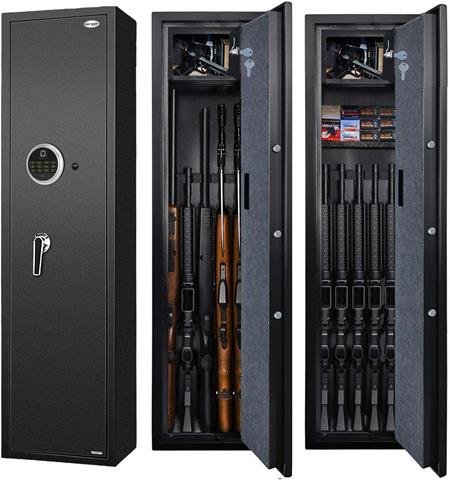
Anyone who owns a firearm knows that protecting it matters. Guns are valuable—not just in money, but often in history, family, or sport. Yet, many gun owners feel unsure about the best way to keep their firearms safe from dust, moisture, scratches, or accidental bumps. Two common products come up: gun socks and gun bags. These sound similar, but they serve very different purposes. Some people use both, while others stick to one. If you want to make the right choice, understanding the difference is essential.

Exclusive Deals
Limited-time Exclusive Deals. Check current discount on Amazon.
Check Price on Amazon As an Amazon Associate I earn from qualifying purchases.Gun socks and gun bags are more than just covers. They affect how well your gun resists rust, how easy it is to carry, and how safe it stays during storage or travel. Many beginners think any cover is enough, but choosing wisely can save your gun from damage that costs hundreds of dollars—or even ruins it forever.
This guide will help you understand what each product does, how they compare, and which one suits your needs. By the end, you’ll see why the choice isn’t just about price or looks.
What Are Gun Socks?
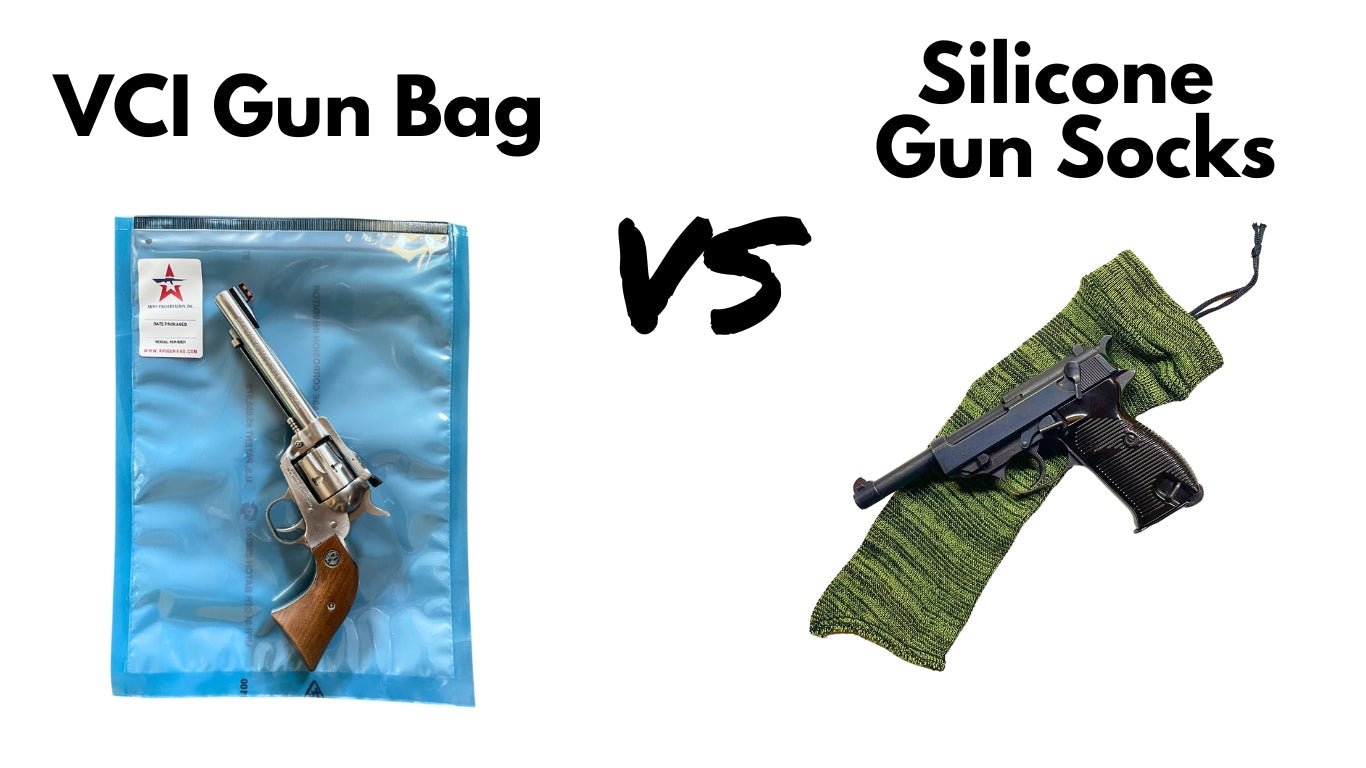
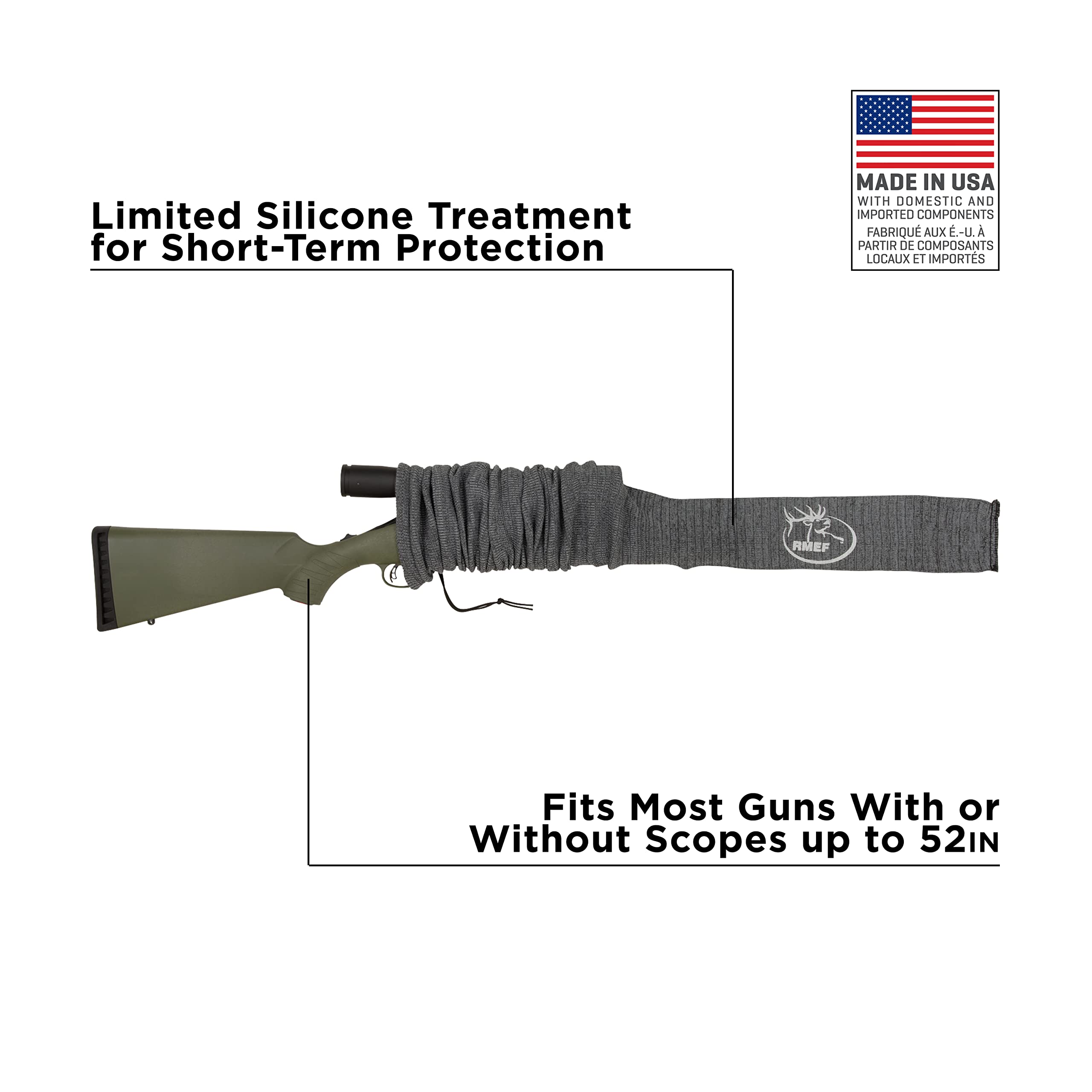
A gun sock is a long, stretchy sleeve made from knitted fabric, usually polyester or cotton mixed with synthetic fibers. It’s designed to slide over a firearm, protecting it from scratches, dust, and some moisture. The sock hugs the gun closely, covering most of it from end to end. Gun socks are thin and lightweight, and they’re often treated with silicone or other oils to help prevent rust.
Gun socks were first popular in the 1970s when hunters and collectors wanted a way to keep their guns safe in storage. The main idea was simple: stop dust and moisture from touching the metal, and prevent small scratches. Today, gun socks come in different lengths and colors to fit rifles, shotguns, pistols, and even AR-style firearms.
Exclusive Deals
Limited-time Exclusive Deals. Check current discount on Amazon.
Check Price on Amazon As an Amazon Associate I earn from qualifying purchases.Key Features Of Gun Socks
- Stretchy fit: The sock adapts to the shape of the gun, fitting tight and smooth.
- Silicone treatment: Many socks have a coating that repels moisture and stops rust.
- Lightweight: Easy to carry, takes up almost no space.
- Simple closure: Usually a drawstring or elastic at one end.
Practical Uses
Gun socks are best for:
- Home storage: Keeping guns safe in cabinets, safes, or closets.
- Travel: Preventing scratches when moving guns in cases.
- Protection in humid climates: The silicone helps block moisture.
Most gun socks cost between $5 and $15, depending on quality and length. They are not designed for heavy travel or rough handling.
What Are Gun Bags?
A gun bag is a padded, zippered case made from nylon, canvas, or leather. It offers much more protection than a sock. Gun bags usually have a handle, straps, pockets, and thick padding inside. Some are hard cases, while others are soft. The goal is to shield the firearm from shock, moisture, and damage during transport or storage.
Gun bags became popular as shooting sports grew. People needed safer ways to carry guns to the range or hunting grounds. Today, gun bags come in many sizes and designs. Some bags fit one gun, others fit several. They often include extra room for magazines, scopes, and cleaning kits.
Key Features Of Gun Bags
- Thick padding: Absorbs bumps and drops.
- Water-resistant material: Most bags block rain and moisture.
- Secure closure: Zippers, locks, or buckles keep the bag closed.
- Handles and straps: Easy to carry by hand or shoulder.
- Extra pockets: Space for accessories and ammo.
Gun bags range from $20 to $200 or more, depending on size, material, and features. They are meant for moving guns safely—not just storing.
Exclusive Deals
Limited-time Exclusive Deals. Check current discount on Amazon.
Check Price on Amazon As an Amazon Associate I earn from qualifying purchases.
Gun Socks Vs Gun Bags: A Direct Comparison
Understanding the difference is easier when you see both side by side. Here’s a simple comparison of the main features:
| Feature | Gun Sock | Gun Bag |
|---|---|---|
| Material | Knitted fabric (often silicone-treated) | Nylon, canvas, leather (with padding) |
| Protection Level | Basic (dust, scratches, light moisture) | High (shock, rain, heavy moisture) |
| Weight | Very light (few ounces) | Heavier (1–5 lbs or more) |
| Closure | Drawstring or elastic | Zipper, lock, buckle |
| Best Use | Storage, light travel | Transport, rugged travel, range use |
| Accessory Storage | No | Yes (pockets, compartments) |
| Price Range | $5–$15 | $20–$200+ |
As you see, gun socks and gun bags are built for different jobs. One is for simple protection; the other is for serious travel and storage.
How Gun Socks Protect Your Firearm
Gun socks are not just covers—they’re a simple, effective shield for your firearm. Many people miss how socks help prevent rust and corrosion, especially in humid climates. The silicone treatment on many gun socks creates a barrier, stopping water vapor from touching the metal. This matters because even small amounts of moisture can lead to rust, which ruins a gun’s finish and can cause jamming or dangerous misfires.
Gun socks also protect against micro-scratches. When you store guns in a cabinet or safe, small bumps or slides can scratch the metal or wood. The sock cushions these movements. It also keeps dust off, which can attract moisture and make cleaning harder.
A less obvious advantage: gun socks are flexible. They fit odd-shaped guns, scopes, or attachments. If you have a rifle with a scope or a pistol with a long barrel, a gun sock can stretch to cover the whole thing.
Example Of Gun Sock Use
Imagine a hunter who lives in Louisiana, where humidity is high almost all year. He stores his shotgun in a gun safe, but moisture still gets inside. By using a silicone-treated gun sock, he reduces the risk of rust—even if he opens the safe often.
This simple step can add years to the gun’s life.
How Gun Bags Protect Your Firearm
Gun bags are the heavy-duty option. They are designed for moving guns from place to place, often through rough conditions. The thick padding absorbs shocks if the bag is dropped or knocked against a wall. This matters for expensive firearms with delicate optics or wood finishes.
Gun bags also block rain and moisture. Most bags are made from nylon or canvas, which repels water. Some bags have extra layers or waterproof zippers. This is especially useful for hunters who travel through wet fields or shooters who carry their guns outside.
One feature beginners often miss: gun bags are lockable. Many bags have built-in locks or can accept padlocks. This adds a layer of safety—keeping guns away from children or stopping theft during travel.
Gun bags also keep accessories organized. Many have pockets for magazines, cleaning kits, scopes, or ammo. This means you carry everything together, reducing the risk of losing parts.
Example Of Gun Bag Use
Picture a competitive shooter going to a match in Arizona. He carries two rifles, a pistol, and several magazines. His gun bag has thick foam, waterproof lining, and lockable zippers. If he drops the bag or it rains, his guns are safe.
He can also carry cleaning tools and ammo, all in one place.
When Should You Use Gun Socks?
Gun socks are best for:
- Long-term storage: If you keep your gun in a safe or closet for months, a gun sock protects against dust and rust.
- Stacking guns together: In a cabinet, gun socks stop guns from scratching each other.
- Quick transport inside cases: If you use a hard case, a gun sock adds extra scratch protection.
- Budget protection: For low-cost, basic defense, gun socks are ideal.
- Covering unique shapes: Odd-length rifles or guns with attachments fit well in socks.
Gun socks are not good for:
- Rugged travel
- Heavy rain or snow
- Carrying accessories
When Should You Use Gun Bags?
Gun bags are best for:
- Traveling to ranges: Carrying guns to practice or competitions.
- Hunting trips: Moving guns through fields, woods, or harsh weather.
- Protection during shipping: Sending guns by mail or courier.
- Carrying multiple guns: Bags can fit several firearms plus gear.
- Safety and security: Lockable bags keep guns safe from children or theft.
Gun bags are not always needed for:
- Simple storage at home
- Quick moves in controlled environments
- Tight budgets
Combining Gun Socks And Gun Bags
Some gun owners use both products together. This gives maximum protection. Here’s how:
- Put the gun in a gun sock first. This blocks dust and moisture.
- Then place the sock-covered gun inside a gun bag. The bag protects against shock, rain, and theft.
This combo is popular with collectors, hunters, and people who travel often. It also works well for shipping guns, as the sock stops scratches and the bag cushions impacts.
Real-world Data: Gun Damage And Protection
Studies show that rust is the top cause of gun damage in storage. According to the National Shooting Sports Foundation, up to 30% of gun owners report rust or corrosion after storing guns for one year in humid areas. Most cases happen in safes or cabinets without extra protection.
Gun socks reduce rust risk by up to 50% when used in humid climates. Gun bags, especially waterproof models, cut damage from travel and rain by up to 80%. Using both together can nearly eliminate common problems.
Another data point: accidental scratches happen in about 15% of home storage cases, mostly when guns are stacked or moved without covers.
Gun Sock And Gun Bag Types
Gun socks and gun bags come in many styles. Here’s a quick overview:
Gun Sock Types
- Rifle socks: Long sleeves for rifles and shotguns.
- Pistol socks: Shorter, sized for handguns.
- Multi-gun socks: Extra-wide, fit several guns.
- Silicone-treated: Blocks moisture better.
Gun Bag Types
- Soft cases: Flexible, light, good for basic travel.
- Hard cases: Rigid, best for air travel or rough conditions.
- Tactical bags: Extra pockets, for ARs or multiple guns.
- Backpack-style bags: Easy to carry, hands-free.
You should match the type to your gun and needs. For example, a small pistol fits a short sock and a compact bag. A scoped rifle needs a long sock and a bag with extra room.
Common Mistakes When Choosing
Many beginners make mistakes that cost money or damage their guns. Here are the most frequent:
- Choosing the wrong size: Gun socks and bags must fit your gun closely. Too loose means bad protection; too tight means hard use.
- Skipping moisture protection: Not all gun socks are silicone-treated. Always check before buying.
- Ignoring padding in bags: Thin bags don’t absorb shocks. Look for thick foam or layers.
- Forgetting lockable features: If you have children or travel, locks add safety.
- Mixing brands poorly: Some socks or bags work better together. Test before buying multiples.
- Using only one method: Relying on just a sock or just a bag can leave your gun exposed.
Gun Sock And Gun Bag Maintenance
Protecting your gun isn’t just about buying the right product. You must care for your socks and bags, too.
Gun Sock Care
- Wash occasionally: Use gentle soap and water, air dry.
- Reapply silicone: Some socks lose their treatment over time. Buy sprays to refresh.
- Check for tears: Replace if the sock rips.
Gun Bag Care
- Clean outside: Wipe with damp cloth; avoid harsh chemicals.
- Check zippers and locks: Make sure they work before every trip.
- Dry after rain: Wet bags can trap moisture, risking rust.
Maintaining your covers can double their life and keep your guns safe.
Buying Guide: What Matters Most
When buying a gun sock or gun bag, focus on these points:
- Fit: Measure your gun and choose the right size.
- Material quality: Look for thick, durable fabric.
- Moisture protection: Silicone-treated socks, waterproof bags.
- Padding: Thick foam for bags, especially for travel.
- Closure: Strong drawstrings, zippers, or locks.
- Accessory storage: Pockets or compartments in bags.
- Brand reputation: Check reviews and expert opinions.
Avoid cheap, generic products—they often wear out quickly and fail to protect well.
Gun Socks Vs Gun Bags: Pros And Cons
Here’s a quick view of the strengths and weaknesses:
| Product | Pros | Cons |
|---|---|---|
| Gun Sock | Lightweight, cheap, flexible, blocks dust/rust | Low shock protection, no pockets, not waterproof |
| Gun Bag | High protection, padded, lockable, carries accessories | Heavy, more expensive, takes up space |
Which One Is Right For You?
Choosing between a gun sock and a gun bag depends on your needs. Ask yourself:
- Do you store guns for long periods? Gun sock
- Do you travel often or face rough conditions? Gun bag
- Do you want maximum protection? Use both.
- Do you have expensive or collectible guns? Use both.
- Is budget a concern? Gun socks are cheaper.
If you’re unsure, start with a gun sock for basic protection. Upgrade to a gun bag when you travel or need more security.
Frequently Asked Questions
What Is The Main Purpose Of A Gun Sock?
A gun sock protects against dust, scratches, and light moisture. It’s for simple storage and basic defense against rust.
Can I Use A Gun Sock Inside A Gun Bag?
Yes, many people do. The sock protects against scratches and moisture, while the bag shields against shock and rain. Using both gives double protection.
Are Gun Bags Waterproof?
Most gun bags are water-resistant, but not fully waterproof. Look for bags with waterproof lining and zippers for best results.
Is A Gun Sock Enough For Travel?
No, a gun sock is not enough for rugged travel. It lacks padding and cannot protect against heavy bumps or drops. Use a gun bag for trips.
How Often Should I Clean My Gun Sock Or Gun Bag?
Clean your gun sock every few months and your gun bag after each trip or exposure to dirt/rain. Keeping them clean helps prevent moisture and bacteria buildup.
Choosing the right cover for your firearm makes a big difference in safety, longevity, and ease of use. Whether you pick a gun sock, a gun bag, or both, the key is understanding what each product offers—and how it fits your needs. With this knowledge, your gun will stay safe and ready for years to come. For more details on gun care and storage, visit National Shooting Sports Foundation.