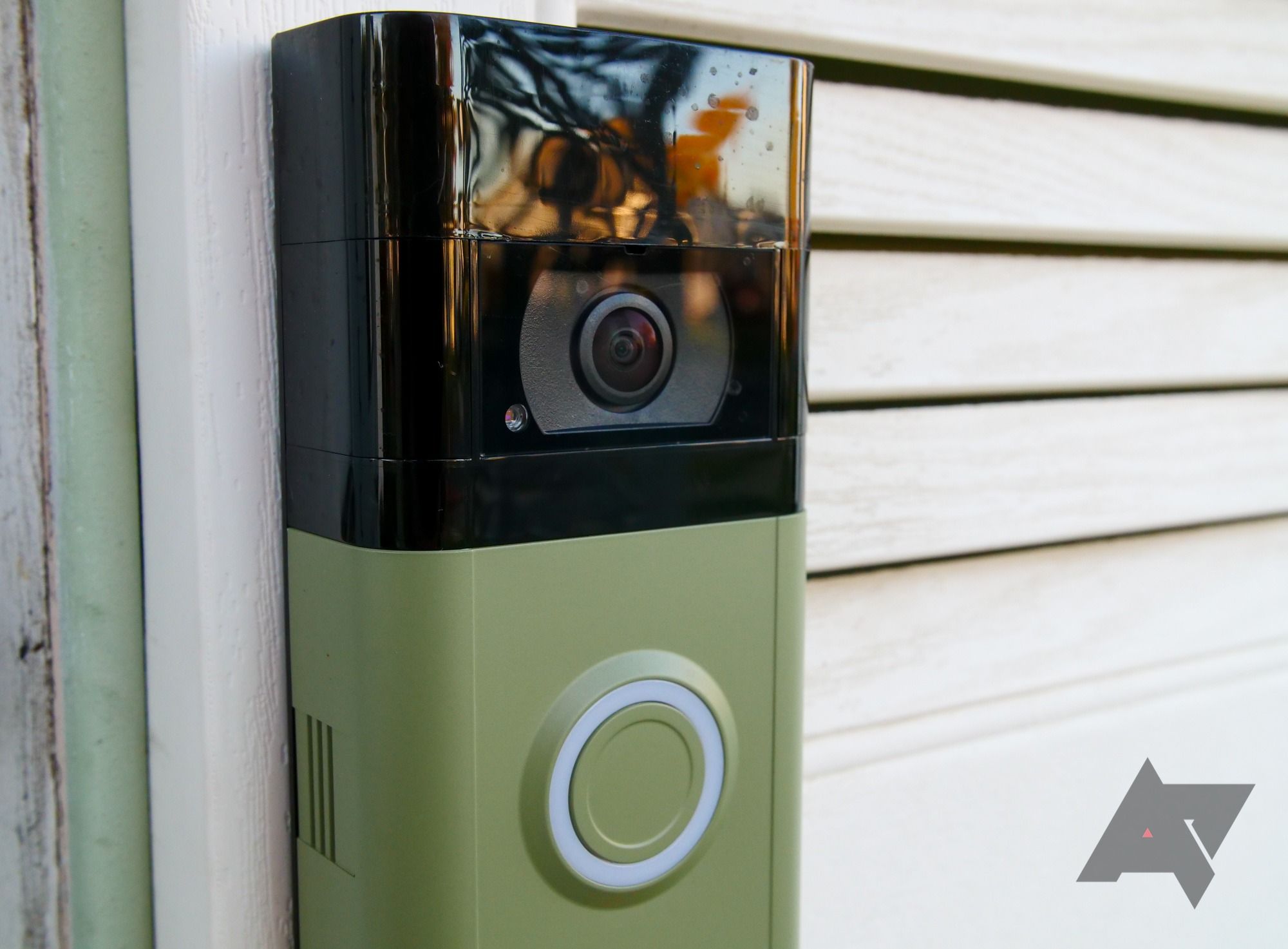
Millions of people now use doorbell cameras to feel safer at home and to know who is at their door at any time. But there’s a basic question that many buyers and homeowners ask: Are doorbell cameras weatherproof? Since these devices are usually installed outside, it’s a smart and important question. You do not want your doorbell camera to stop working after the first heavy rain, snowstorm, or hot summer day.
Understanding how these cameras handle weather can save you money, prevent frustration, and keep your security system working all year. In this guide, you will learn how weatherproofing works in doorbell cameras, what features matter most, and how to choose the best device for your climate.
We’ll also look at real examples, compare popular models, and answer common questions people have about doorbell cameras and weather.
Exclusive Deals
Limited-time Exclusive Deals. Check current discount on Amazon.
Check Price on Amazon As an Amazon Associate I earn from qualifying purchases.What Does “weatherproof” Really Mean?
When companies say a doorbell camera is “weatherproof,” it sounds reassuring. But what does this word actually cover?
Weatherproof means the camera is designed to keep out water, dust, and other things that could damage the electronics. However, “weatherproof” is not a strict standard. Different brands may offer different levels of protection. Some cameras handle heavy rain and snow, while others are only good for light splashes.
A related term is water-resistant, which means the camera can handle some water but might not survive strong rain or direct spray. The strongest protection level is called waterproof. Most doorbell cameras are not fully waterproof, as they are not meant to be underwater.
Ip Ratings Explained
A key way to measure weatherproofing is the IP rating (Ingress Protection). This is an international standard that tells you how well a device keeps out solids (like dust) and liquids (like water). You will often see numbers like IP54, IP65, or IP67 in product descriptions.
Exclusive Deals
Limited-time Exclusive Deals. Check current discount on Amazon.
Check Price on Amazon As an Amazon Associate I earn from qualifying purchases.Here’s how IP ratings work:
- The first number shows protection against dust (0 = no protection, 6 = dust-tight).
- The second number shows protection against water (0 = none, 9 = strong jet or immersion).
For example, IP65 means the device is dust-tight and can handle low-pressure water jets from any direction. IP67 means dust-tight and can survive being under water for a short time.
| IP Rating | Dust Protection | Water Protection | Common Use |
|---|---|---|---|
| IP54 | Limited (some dust allowed) | Water splashes | Basic outdoor use |
| IP65 | Dust-tight | Low-pressure water jets | Heavy rain, exposed areas |
| IP67 | Dust-tight | Short immersion in water | Harsh weather, flooding risk |
Not all doorbell cameras publish their IP ratings. If the rating is missing, ask the seller or check the brand’s website.
Exclusive Deals
Limited-time Exclusive Deals. Check current discount on Amazon.
Check Price on Amazon As an Amazon Associate I earn from qualifying purchases.How Doorbell Cameras Are Built For Weather
Most modern doorbell cameras are built with outdoor use in mind. Brands know these devices will face rain, sun, wind, and dust. Let’s look at the main features that help them survive outside.
Sealed Housings
The camera body is usually sealed with rubber gaskets or glue to stop water and dust from getting inside. The seams, lens, and button areas are special points of focus.
Protective Covers
Many cameras have a cover or shield over the lens and button. This helps rainwater flow away instead of entering the device. Some brands offer extra covers for areas with strong storms.
Corrosion-resistant Materials
The outside parts are often made from stainless steel, special plastics, or coated metals. These resist rust and fading from sun, rain, and snow.
Temperature Tolerance
Doorbell cameras are tested for both cold and heat. Good models can keep working from around -4°F (-20°C) up to 122°F (50°C). Some can go even higher or lower.
Weatherproof Connectors
The wires and plugs are designed to keep water out. Battery compartments often have a rubber seal.
Non-obvious Insight 1:
It’s not just rain you need to think about. Humidity, salt air (near the sea), and strong UV sunlight can also damage a doorbell camera over time. Some weatherproof models add UV-resistant coatings or anti-corrosion layers for these situations.
How Different Weather Conditions Affect Doorbell Cameras
Let’s look at the main weather types and how they can impact your doorbell camera’s performance:
Rain And Water
Light rain is rarely a problem for weatherproof cameras, but heavy rain or storms can test their limits. Water can sometimes seep into the microphone or speaker holes, causing muffled sound. That’s why a high IP rating is important in rainy areas.
Snow And Ice
Cold weather can freeze moving parts or cloud the camera lens. Ice buildup may block the button or lens. Choose a model with heating elements or anti-fog features if you live in a snowy area.
Heat And Sunlight
Direct sunlight can fade the camera’s plastic or overheat the electronics. Some cameras have sunshades or use materials that reflect UV rays. In very hot climates, overheating can cause the camera to shut off to protect itself.
Dust And Sand
Dusty or sandy environments (like deserts) can clog buttons and scratch the lens. A dust-tight IP rating (first number = 6) is best here.
Wind
Strong winds alone do not damage most cameras, but they can blow rain or dust into weak spots. Loose mounting can also make the camera shake, affecting video quality.
Salt Air
If you live near the ocean, salt in the air can corrode metal parts. Look for cameras with marine-grade coatings or ask the brand about salt protection.
Non-obvious Insight 2:
The mounting location is a hidden but important factor. Even the best weatherproof camera can fail if installed where water collects, snow piles up, or direct sun hits all day. Placing the camera under a porch or small roof can add years to its life.
Comparing Weatherproof Ratings Of Popular Doorbell Cameras
To help you see the differences, here’s a comparison of some well-known doorbell cameras and their weatherproof features:
| Model | IP Rating | Temperature Range | Special Weather Features |
|---|---|---|---|
| Ring Video Doorbell Pro 2 | IP65 | -5°F to 120°F | Corrosion-resistant, sunshield |
| Google Nest Doorbell (Battery) | IP54 | -4°F to 104°F | UV-resistant, anti-fog lens |
| Arlo Essential Wired Video Doorbell | IP65 | -4°F to 122°F | Anti-UV, rustproof body |
| Eufy Security Video Doorbell | IP65 | -4°F to 122°F | Sealed buttons, rain hood |
| Remo+ RemoBell S | IP54 | -4°F to 122°F | UV-resistant coating |
As you can see, IP65 is common for higher-end models and offers strong weather resistance. Cameras with only IP54 can work outside, but may not last as long in harsh weather.

What To Look For When Choosing A Weatherproof Doorbell Camera
If you want a doorbell camera that will last, here’s what really matters:
- Check the IP rating. Aim for IP65 or higher if you live in an area with strong weather.
- Look at the temperature range. Make sure the camera can handle your local highs and lows.
- Material quality. Stainless steel, coated metals, and UV-resistant plastics last longer outdoors.
- Lens and button protection. Shields, covers, or hoods keep rain off sensitive parts.
- Sealed connectors. Battery doors and wire ports should have rubber gaskets.
- Brand reputation. Well-known brands often have better testing and quality control.
- Warranty. Longer warranties often mean the brand trusts its weatherproofing.
Comparing Wired Vs. Battery-powered Weatherproofing
Some buyers wonder if wired or battery-powered cameras are better for outdoor weather. Here’s a quick comparison:
| Feature | Wired Cameras | Battery Cameras |
|---|---|---|
| Weather Sealing | Usually better (no battery door to seal) | Needs extra sealing around battery door |
| Cold Weather | Works if power is stable | Batteries lose charge faster in cold |
| Maintenance | Less (no battery swaps) | More (must open to change battery) |
| Installation | Harder (wiring needed) | Easier (mount and go) |
If you pick a battery-powered camera, make sure the battery compartment has a strong seal to keep out water and dust.
How To Install A Doorbell Camera For Best Weather Protection
Even the best camera can fail if installed poorly. Here are key steps for a weatherproof install:
- Pick a sheltered spot. Under a porch roof or awning is best. Avoid placing the camera where water, snow, or ice can build up.
- Mount at the right height. Most brands suggest 48 inches from the ground for best view and protection.
- Seal any holes. Use silicone caulk around wires or mounting screws to keep water out.
- Use all rubber gaskets and covers. Don’t skip any weather seals that come with the camera.
- Angle the camera slightly down. This helps water run off the lens and housing.
- Check after storms. Make sure seals are still tight and the camera is not loose.
Pro Tip:
If your area gets very heavy rain, consider adding a small plastic or metal “drip shield” above the camera. This simple fix can greatly extend the camera’s life.
Common Problems With Doorbell Cameras And Weather
Even weatherproof models can have issues. Here are the most common weather-related problems and what to do:
Foggy Or Wet Lens
Moisture on the lens can blur the video. Try wiping with a soft cloth and adding a tiny bit of car windshield water repellent (like Rain-X). Make sure the camera is tilted so water runs off.
Button Sticking Or Not Working
Dirt, ice, or salt can make the button stick. Clean gently with a soft brush. If ice is the problem, use a can of compressed air or a de-icer spray (never hot water).
Camera Shuts Down In Cold
Some batteries stop working when it’s very cold. Bring the camera inside to warm up, or use a wired camera for freezing climates.
Connectivity Drops In Wet Weather
Heavy rain can sometimes block Wi-Fi signals. Make sure your router is close enough, and consider adding a Wi-Fi extender if needed.
Rust Or Corrosion
If you see rust, remove the camera and clean the affected area. Apply a thin layer of anti-rust spray before reinstalling. If the rust is inside, contact the brand for support.
Non-obvious Insight 3:
Tiny microphone and speaker holes are a weak point for water entry. If possible, tilt the camera so these holes face slightly down, not up or sideways toward rain.
Real-world Examples: Doorbell Cameras In Extreme Weather
It’s helpful to look at real stories from people using doorbell cameras in tough climates.
- In Seattle, users report that their IP65 cameras work fine during months of rain, but cheaper IP54 cameras sometimes develop water spots inside the lens.
- In Minnesota, where winters are harsh, wired cameras keep working in -20°F, but battery cameras often need to be recharged more often or stop working until warmed up.
- In Arizona, the biggest issue is heat and sun. Users with UV-resistant cameras have less fading and fewer shutdowns, while cheaper models sometimes warp or crack after two summers.
- By the beach in Florida, salt air can make screws and metal mounts rust within a year. Owners who use marine-grade cameras or plastic mounts see fewer problems.

How To Maintain Your Doorbell Camera Year-round
A little care can make your weatherproof camera last much longer:
- Wipe the lens and body monthly to remove dust, salt, or pollen.
- Check seals and gaskets twice a year, especially after storms.
- Tighten screws and mounts if the camera feels loose.
- Clean speaker/mic holes with a soft brush to remove bugs or dirt.
- Update the camera’s software when new versions are released. Brands sometimes improve weather resistance with firmware updates.
- Replace batteries in battery-powered models before winter.
Are Doorbell Cameras Weatherproof? The Bottom Line
Most modern doorbell cameras are weatherproof enough for normal outdoor use, thanks to sealed housings, strong materials, and IP ratings. However, not all models are equal—IP65 or higher is best for exposed areas, while IP54 is okay for covered porches. The location you choose and how you install the camera matter as much as the camera’s specs.
If you live in a place with extreme weather—heavy rain, snow, desert heat, or salty air—pick a model made for those conditions. Spend a few minutes on regular care, and your doorbell camera will help protect your home, whatever the weather.
For more details on IP ratings and weatherproofing standards, visit the Wikipedia IP Code page.
Frequently Asked Questions
Are All Doorbell Cameras Weatherproof?
No, not all doorbell cameras are fully weatherproof. Many are built for outdoor use, but the level of protection varies. Always check the IP rating and material quality before buying, especially if your camera will be exposed to strong rain, snow, or sun.
Can I Install A Doorbell Camera In The Rain Or Snow?
It’s best to install your camera on a dry day. Wet conditions can let water enter mounting holes before you seal them. If you must install in wet weather, cover the camera and use waterproof sealant right away.
Will A Weatherproof Doorbell Camera Survive A Hurricane Or Flood?
Most weatherproof cameras can handle heavy rain but not direct flooding or underwater conditions. In hurricanes, flying debris or water pressure can damage even the best models. Remove the camera before a major storm if possible, and reinstall once safe.
How Long Does A Weatherproof Doorbell Camera Last Outdoors?
A good quality weatherproof camera can last 3–5 years or longer with proper care. Harsh climates (like salty air or strong sun) may shorten this, while sheltered spots can make them last even longer.
What Should I Do If Water Gets Inside My Camera?
Turn off the power, remove the camera, and let it dry completely. Do not use heat (like a hair dryer) as this can damage electronics. Once dry, check for signs of corrosion. If the camera does not work or shows fog inside the lens, contact the manufacturer for support or warranty options.