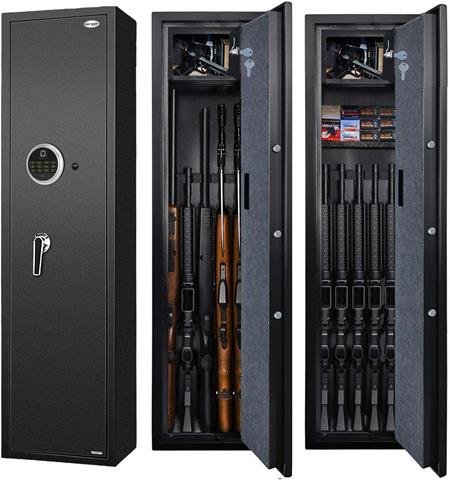
No. Gun safes protect guns, but poor setup can trap moisture and cause rust.
If you’ve ever wondered Are Gun Safes Bad for Guns?, you’re not alone. I work with gun owners every week, and I’ve seen both good and bad outcomes. This guide gives a clear, practical answer. I’ll show you how safes can harm guns and how to stop it. You’ll get steps I use myself, backed by data and years of hands-on care.
What People Mean When Asking “Are Gun Safes Bad for Guns?”
People ask Are Gun Safes Bad for Guns? when they find rust after storage. The safe did not cause rust by itself. Trapped humidity did. Poor placement, no airflow, and damp liners can push moisture up. Then metal parts react fast.

Exclusive Deals
Limited-time Exclusive Deals. Check current discount on Amazon.
Check Price on Amazon As an Amazon Associate I earn from qualifying purchases.I have opened safes with a clean pistol and found orange dust on the slide in weeks. The owner kept the safe in a basement on bare concrete. There was no dehumidifier or desiccant. We fixed it in one visit by moving the safe, adding heat, and watching humidity.
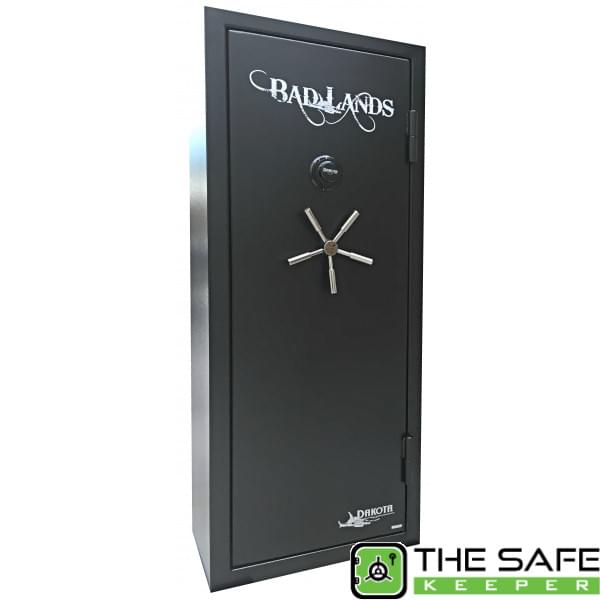
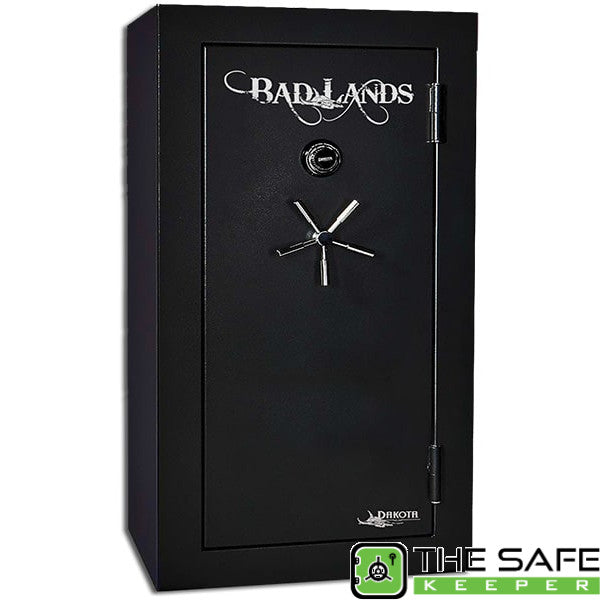
Here is the simple rule. A safe is great for security. It can be bad for guns if you ignore moisture. With control, a safe is the best home for your firearms.
The Real Risks Inside a Safe: Moisture, Temperature, and Materials
Humidity is the main risk. Metal rusts fast above 50% relative humidity. If air warms and cools, water can condense on cold steel. That thin film is enough to start surface rust.
Watch for these common sources:
Exclusive Deals
Limited-time Exclusive Deals. Check current discount on Amazon.
Check Price on Amazon As an Amazon Associate I earn from qualifying purchases.- Location issues. Basements, garages, and exterior walls run cool and damp. Concrete wicks moisture into steel boxes.
- Fireboard liners. Many fire-rated safes use gypsum board. It holds bound water. In a sealed box, this can raise humidity.
- Poor airflow. A tight door and still air let moisture sit on steel.
- Foam and fabric. Foam-lined cases and soft sleeves trap moisture against metal.
- Rapid swings. Heating a cold safe can cause condensation inside.
Keep wood in mind. Very dry air can crack stocks. Aim for 40% to 50% RH for mixed collections. That range protects blued steel and wood.

How to Set Up a Safe That Protects Your Guns
If you ask, Are Gun Safes Bad for Guns?, the fix is setup. Here is a simple plan I use with clients.
- Pick the right spot. Use a dry, interior wall. Avoid basements and garages when you can.
- Isolate from concrete. Set the safe on a rubber mat or wood platform. Anchor it through the platform if needed.
- Add gentle heat. A dehumidifier rod warms air and keeps it moving. This stops condensation.
- Use desiccant. Place rechargeable silica gel inside. Regenerate it on schedule.
- Monitor with a hygrometer. Aim for 40% to 50% RH. Check weekly at first.
- Improve air flow. Leave small gaps between guns. Do not pack rifles tight.
- Protect each gun. Wipe with a light oil film. Use silicone gun socks or VCI (vapor corrosion inhibitor) paper.
- Avoid foam cases. Do not store guns in foam or leather inside the safe.
- Label a dry zone. Keep optics, spare parts, and mags in the upper, drier area.
- Keep the interior clean. Dust and salts hold water. Vacuum and wipe shelves every few months.
Real-world note: I moved a client’s safe from a concrete slab to a closet and added a 12-inch rod. RH dropped from 65% to 45% in two days. No more flash rust.
Exclusive Deals
Limited-time Exclusive Deals. Check current discount on Amazon.
Check Price on Amazon As an Amazon Associate I earn from qualifying purchases.
Fire Safes vs Gun Cabinets vs Lockers: What Changes
Not all steel boxes behave the same. This matters when asking Are Gun Safes Bad for Guns?.
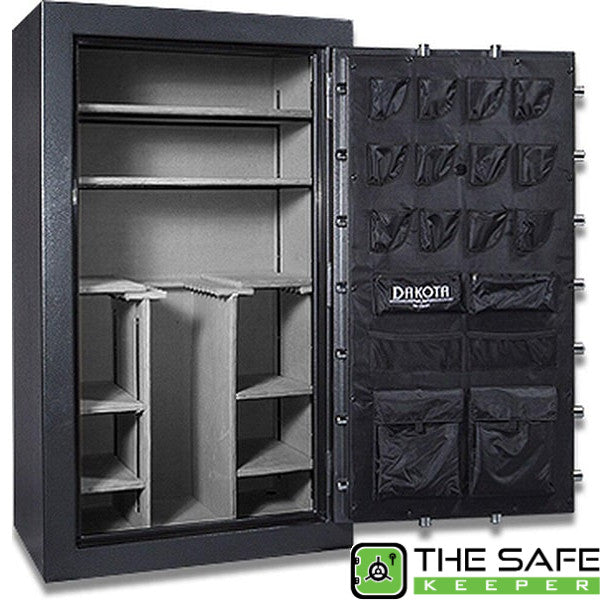
- Fire-rated gun safes. Great for heat protection. Many use gypsum fireboard. That can push moisture up. Plan for heat plus humidity control.
- Steel cabinets. Thin steel, no fireboard, often more air leaks. Humidity swings with the room. Use desiccant and choose a good room.
- Gun lockers. Basic security. Little to no insulation. Place in a climate-stable area and still track RH.
If you want both fire protection and rust control, use a rod plus desiccant. Check RH with a digital meter. Replace or recharge desiccant on schedule.
Maintenance Checklist and Storage Habits That Prevent Rust
Are Gun Safes Bad for Guns? Not if you use a simple routine. Try this checklist.
- After each range day. Let guns cool and dry. Wipe with oil before storage.
- Monthly wipe-down. Light oil on exterior metal. Bore oil if you plan long storage.
- Wood care. Keep RH near 45%. Use a small amount of stock wax a few times a year.
- No foam or leather. Store bare or in silicone socks. Use VCI strips in drawers.
- Muzzle position. Store muzzle down for oil-heavy storage. This keeps oil out of the action.
- Magazine care. Light oil on bodies. Keep springs dry and clean.
- Optics. Use caps. Add a small desiccant pack near optics.
- Hygrometer check. Confirm readings at door and back of safe.
- Desiccant cycle. Recharge silica gel when the color tag changes.
- Annual deep service. Remove guns. Vacuum interior. Check anchors, seals, and rod.
I have kept blued revolvers spot-free for years with this plan. It is simple and fast.
Common Myths and Mistakes
Let’s clear up noise around Are Gun Safes Bad for Guns?.
- Myth: Safes cause rust. Truth: Moisture causes rust. Safes only trap what you let in.
- Mistake: Trusting silica gel forever. Desiccant must be recharged. Set a reminder.
- Myth: Stainless guns do not rust. They resist rust, but they still can corrode.
- Mistake: One oil coat lasts all year. Oil dries and moves. Reapply for long storage.
- Mistake: Storing in foam cases. Foam holds salts and water. Bad match for long storage.
- Myth: A garage is fine if the door is closed. Garages swing in temp and humidity. Avoid if you can.
- Mistake: Using rice. It is not a real desiccant for safes. Use silica gel or a rod.
- Mistake: Relying on WD-type sprays for long-term storage. Use a true rust preventive oil.

Data, Costs, and Practical Buying Tips
Security and corrosion both matter. Insurance data shows most thefts are fast and from easy targets. A bolted safe or cabinet stops smash-and-grab. Lab tests on steel show corrosion risk climbs fast above 60% RH. Keep the safe under that mark and closer to 45% RH for best results.
Cost to control moisture is low:
- Hygrometer: about 10 to 25 dollars.
- Dehumidifier rod: about 20 to 60 dollars.
- Rechargeable desiccant: about 15 to 40 dollars.
- VCI paper or tabs: about 10 to 20 dollars per set.
Buying tips:
- Pick a safe that fits future growth. You will add guns.
- Check for a solid door, tight seal, and real bolt work.
- Know the fire design. Fireboard needs humidity control.
- Plan your power route for a rod and light.
- Budget shelves, risers, and organizers. Good spacing lowers rust risk.
Used well, a safe saves money. One corroded barrel can cost more than all the moisture gear.
Are Gun Safes Bad for Guns? The Balanced Answer
Are Gun Safes Bad for Guns? They can be, in a damp setup. Are Gun Safes Bad for Guns? They are not, when you manage humidity, airflow, and prep. The safe is a tool. Use it right, and your guns stay clean, secure, and ready.
Quick checklist:
- Place the safe in a dry, stable room.
- Add a rod and desiccant.
- Track RH with a hygrometer.
- Oil and cover each gun.
- Avoid foam and leather inside the safe.
Follow these steps and the answer to Are Gun Safes Bad for Guns? becomes a clear no.
Frequently Asked Questions of Are Gun Safes Bad for Guns?
Do I need both a dehumidifier rod and desiccant?
Using both is best. The rod prevents condensation, and desiccant soaks up leftover moisture.
What humidity should I keep inside my gun safe?
Aim for 40% to 50% relative humidity. This range protects steel and wood.
Is it safe to keep guns in a basement safe?
Only if you control moisture. Use a rod, desiccant, a hygrometer, and a mat to isolate from concrete.
Can I store guns in silicone socks inside the safe?
Yes. Silicone socks cut contact and help fight rust. Pair them with VCI paper for longer storage.
Will opening the safe daily help?
Brief openings can move air, but it is not a fix. Use real humidity control inside the safe.
Are Gun Safes Bad for Guns? if I live near the coast?
Salt air raises risk. Use stronger rust preventive oils, extra desiccant, and check RH often.
Conclusion
A safe is the best place for your guns when you manage moisture and setup. The red flags are damp rooms, concrete contact, and no climate control. With a rod, desiccant, a hygrometer, and simple care, your steel stays bright and your stocks stay sound.
Take action today. Check your RH, add a rod, and recharge your desiccant. If this helped, share it with a friend, subscribe for more guides, or leave a question so I can help you dial in your setup.