Choosing the best way to store your firearms is a decision that impacts their safety, lifespan, and your own peace of mind. Whether you are a new gun owner or have been collecting for decades, you have likely seen both gun socks and gun cases on the market. But which is better for storage? The answer depends on your needs, the environment, and how you balance protection, accessibility, and cost. Let’s explore the strengths and weaknesses of gun socks and gun cases, using real-world examples, data, and expert insights. This guide will help you make an informed choice that fits your situation.
Understanding Gun Socks And Gun Cases
Before comparing them, it’s important to define what each option offers.
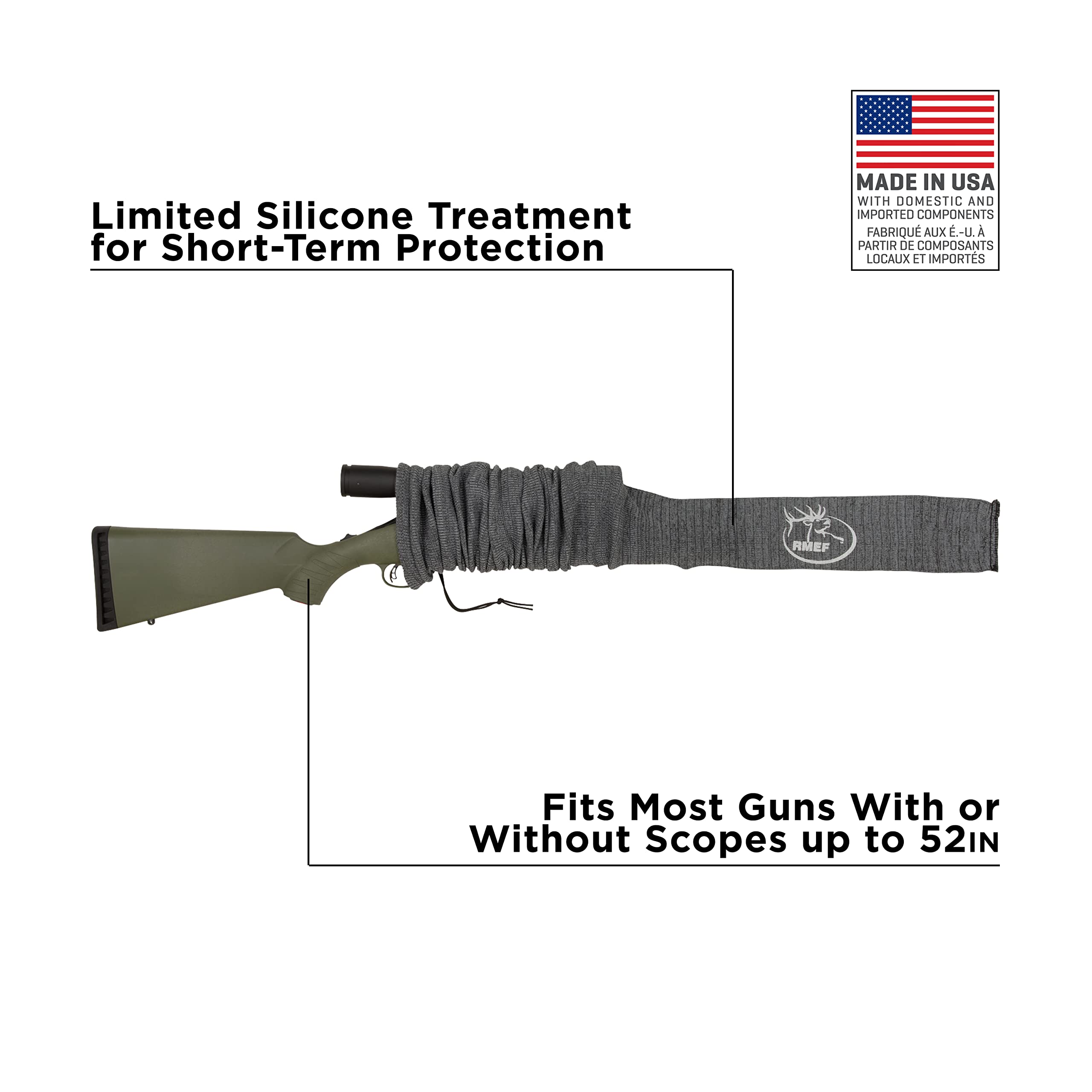
Gun socks are soft, fabric sleeves designed to slip over a firearm. They are usually made from stretchy, knit material (often cotton or synthetic blends) treated with silicone or other rust inhibitors. Gun socks are lightweight, flexible, and take up minimal space.

Exclusive Deals
Limited-time Exclusive Deals. Check current discount on Amazon.
Check Price on Amazon As an Amazon Associate I earn from qualifying purchases.Gun cases are rigid or semi-rigid containers. They come in two main types: soft cases (padded fabric, often zippered) and hard cases (plastic, metal, or wood with foam lining). Gun cases are made to protect firearms from impacts, dust, and sometimes even water.
Both are used by hunters, sport shooters, collectors, and anyone who needs to store or transport guns safely. However, they serve different roles, and understanding these differences is key.
What Matters Most In Gun Storage?
Choosing between a gun sock and a gun case means asking: What do you want to protect your gun from?
Here are the main factors most gun owners care about:
Exclusive Deals
Limited-time Exclusive Deals. Check current discount on Amazon.
Check Price on Amazon As an Amazon Associate I earn from qualifying purchases.- Rust and corrosion protection
- Physical impact and drop protection
- Protection from dust, dirt, and moisture
- Security (theft prevention)
- Ease of access
- Space efficiency
- Cost
Let’s look at how each storage method performs in these categories.
Rust And Corrosion Protection
One of the biggest threats to firearms, especially if you live in a humid area, is rust. Moisture in the air reacts with metal and causes oxidation. Over time, this can damage the barrel, action, and other metal parts.
Gun socks are often treated with silicone or special chemicals that help repel moisture and prevent rust. This is their biggest strength. They fit closely around the firearm, blocking dust and wicking away humidity from the surface. Many users report that guns stored in silicone-treated socks show little to no rust, even after years in a safe.
Exclusive Deals
Limited-time Exclusive Deals. Check current discount on Amazon.
Check Price on Amazon As an Amazon Associate I earn from qualifying purchases.Gun cases (especially hard cases with foam) can trap moisture inside if not properly ventilated. Closed-cell foam in hard cases can sometimes absorb and hold humidity, creating a micro-environment that encourages rust. Some soft cases are also made from materials that hold moisture. Unless you add a dehumidifier or desiccant pack, or open the case regularly, long-term storage in a case can be risky in damp climates.
Key Insight: If your main enemy is rust, a silicone-treated gun sock is often the better choice—especially for guns stored in a safe or closet.
Physical Impact And Drop Protection
Accidental drops or bumps can damage sights, stocks, and delicate finishes. How well do these storage methods protect against physical harm?
Gun socks offer almost no impact protection. They are thin and provide a tight fit, but if you drop a gun in a sock onto a hard floor, it’s almost the same as dropping it bare. They do protect against scratches from rubbing against other guns, but not against real shocks.
Gun cases, especially hard cases, are designed to absorb and distribute impact. Padded soft cases are better than nothing but can still transfer force. Hard cases with foam inserts cradle the firearm and often pass drop tests set by airlines or the military. Some hard cases can even survive being run over by a car.
Key Insight: If you move guns around, travel, or worry about bumps and drops, a hard gun case is much safer. Gun socks only protect from minor scratches.

Dust, Dirt, And Moisture Protection
Dust and dirt can get into moving parts and cause malfunctions. Moisture, as discussed, leads to rust.
Gun socks do a good job keeping dust off firearms. The tight knit fabric acts as a barrier, especially in a safe or closed cabinet. However, if the environment is very dirty or wet, socks can get damp or allow fine particles through.
Gun cases (especially hard, waterproof cases) offer the best barrier against external dust, dirt, and water. Many hard cases come with O-ring seals that block out moisture completely. Soft cases are less protective but still better than nothing.
Key Insight: For the best dust and water protection—especially in harsh environments—hard cases win. For indoor, low-dust storage, gun socks are usually enough.
Security And Theft Prevention
When it comes to preventing theft, neither option is enough by itself. Still, there are differences.
Gun socks offer zero theft protection. A gun in a sock can be grabbed and carried away in seconds. They do not lock, and the fabric is easy to cut.
Gun cases can be locked (especially hard cases). Some have built-in locks or padlock holes. While a determined thief can break into most cases, a locked hard case slows down theft and keeps guns out of children’s hands. For real security, guns should be stored in a locked safe, but a lockable case adds an extra layer.
Key Insight: If security is a concern, choose a lockable hard case or, ideally, a gun safe. Gun socks should never be your only line of defense.
Ease Of Access And Daily Use
If you use your guns frequently, you want to get to them quickly without hassle.
Gun socks are simple to use. Slide the sock off, and your firearm is ready. There are no zippers, latches, or combinations to deal with. This makes socks popular for hunters or sport shooters who want fast access.
Gun cases (especially hard ones) can be slower to open. There may be latches, locks, or keys. However, cases keep everything organized and safe during transport.
Key Insight: For quick access, gun socks win. For transport or long-term storage, cases are better.
Space Efficiency And Organization
How Much Room Do You Have For Storage?
Gun socks are extremely space-efficient. Because they are thin, you can store more firearms side by side in a safe or cabinet. They also prevent guns from scratching each other when stored closely.
Gun cases take up more space, especially hard cases. A case adds bulk, and stacking them can be difficult. Soft cases are slimmer than hard cases but still thicker than socks.
Key Insight: If you have a large collection or limited space, gun socks help you fit more guns in a safe or closet.
Cost Comparison
Let’s talk about money.
Gun socks are very affordable. Most cost between $5 and $15 each. They last a long time if not abused.
Gun cases are more expensive. Soft cases usually range from $15 to $50, while hard cases can cost $50 to $300 or more, especially for high-quality brands or airline-approved models.
Here is a simple cost comparison:
| Storage Type | Average Price Range | Longevity |
|---|---|---|
| Gun Sock | $5 – $15 | 5-10 years |
| Soft Gun Case | $15 – $50 | 5-10 years |
| Hard Gun Case | $50 – $300+ | 10-20 years |
Key Insight: For budget storage, gun socks are the most cost-effective. For maximum protection, hard cases require more investment but last longer.
Real-world Example: Storing Guns In A Safe
Many gun owners keep firearms in a locked safe at home. In this environment, humidity is the biggest risk, followed by scratches from guns rubbing together.
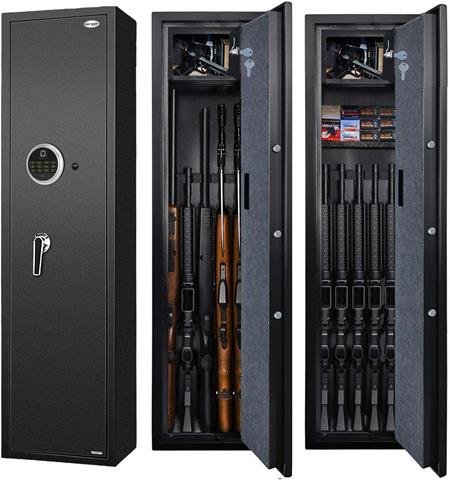
Gun socks are ideal here. They allow you to store firearms close together, minimize scratches, and reduce rust risk. Add a dehumidifier rod or silica gel pack in the safe, and your guns are well protected.
Gun cases can be used, but you’ll fit fewer guns in the same safe. The extra padding may be unnecessary if the safe is never moved.
Real-world Example: Traveling To The Range
When you need to transport your firearms, the risks shift. Now, bumps, drops, and theft are bigger worries.
Hard cases are best for travel. They protect against impacts, are often required by law for airline travel, and can be locked. Some models are waterproof, so rain or spills aren’t a problem.
Gun socks do not provide enough protection for transport. They are best used inside another container, like a range bag or hard case, to keep guns from scratching each other.
Comparing Gun Socks And Gun Cases: At A Glance
To summarize the key points, here’s a direct comparison:
| Feature | Gun Sock | Gun Case |
|---|---|---|
| Rust Protection | Excellent (if silicone-treated) | Good (if ventilated) |
| Impact Protection | Poor | Excellent (hard case), Moderate (soft case) |
| Dust/Dirt Barrier | Good | Excellent (hard case) |
| Security | None | Good (if lockable) |
| Quick Access | Excellent | Moderate |
| Space Efficiency | Excellent | Poor (hard), Moderate (soft) |
| Cost | Low | Moderate to High |
When To Choose Gun Socks
There are situations where gun socks are the clear winner:
- Long-term storage in a safe: They prevent rust and scratches without adding bulk.
- Protecting collectibles: Socks keep delicate finishes safe from dust and humidity.
- Budget storage: If you own many guns, socks are an affordable way to protect each one.
- Quick access: If you use your guns frequently, socks make removal fast and easy.
When To Choose Gun Cases
Gun cases are better in these scenarios:
- Transporting firearms: Hard cases prevent damage from drops and bumps.
- Storing guns in harsh environments: Waterproof or lockable cases keep out dust and water.
- Security concerns: Lockable cases are a must if you don’t have a gun safe.
- Legal requirements: Some states or airlines require hard cases for travel.
Common Mistakes Gun Owners Make
Even experienced gun owners can make storage errors. Here are two mistakes beginners often overlook:
- Storing guns in foam-lined cases long-term: Foam can hold moisture and promote rust. If you must use a case, open it regularly and add a silica gel pack.
- Using untreated gun socks: Not all gun socks are silicone-treated. Untreated socks offer less moisture protection. Always check the label.
Advanced Tips For Safe Storage
- Combine methods: Many collectors use a gun sock inside a hard case for double protection—moisture control from the sock, impact protection from the case.
- Monitor humidity: Use a hygrometer in your gun safe. Keep relative humidity below 50% to prevent rust.
- Rotate firearms: If you store guns long-term, inspect them every few months. Wipe down metal parts with a light coat of oil.
- Avoid leather cases: Leather can hold moisture and cause corrosion if left in contact with metal for long periods.
- Label your storage: If you have many guns, label each sock or case for quick identification.
Data And Research On Gun Storage
A 2021 survey by the National Shooting Sports Foundation found that over 60% of gun owners use a combination of safes, cases, and socks for storage. Only 8% relied on gun socks alone, while 25% preferred hard or soft cases. The most common reason for choosing a storage method was rust prevention, followed by ease of access and theft protection.
A study published in the Journal of Forensic Sciences showed that firearms stored in silicone-treated gun socks developed 40% less surface corrosion over a 12-month period compared to those in untreated fabric or foam-lined cases in humid environments.
Expert Opinions
Many gunsmiths and collectors recommend gun socks for storage in controlled environments (like a safe or cabinet) but warn against using them for transport or in high-risk settings. Hard cases are widely recommended for travel, especially for expensive or rare guns.
According to the National Rifle Association (NRA), the best practice is to use a combination: store firearms in a silicone-treated gun sock inside a locked safe, and transport them in a hard case. This gives the best balance of protection, security, and convenience.
For more detailed guidance on gun storage laws and best practices, visit the ATF’s official gun storage page.

Frequently Asked Questions
What Are The Main Benefits Of Gun Socks Over Gun Cases?
Gun socks are lightweight, affordable, and excellent at preventing rust and scratches during storage. They are perfect for storing guns in a safe or cabinet where impact and theft are not major concerns. The silicone treatment in many gun socks helps keep moisture away from metal parts.
Can I Use Both A Gun Sock And A Gun Case Together?
Yes, many gun owners use a gun sock inside a hard or soft case. This combination gives you moisture protection from the sock and impact protection from the case. It’s a good choice for valuable or collectible firearms, especially when traveling.
Is It Safe To Store Guns Long-term In A Foam-lined Case?
It is not recommended to store guns long-term in a foam-lined case, especially in humid environments. Foam can trap moisture against the gun’s surface, increasing the risk of rust. If you must use a case, add a silica gel pack and open the case regularly to air it out.
How Do I Choose The Right Gun Sock?
Look for socks that are silicone-treated for the best moisture protection. Make sure the sock fits your firearm snugly, but not so tight that it stretches or tears. Some socks are made for rifles, shotguns, or handguns, so choose the right size.
Are Gun Cases Required By Law For Travel?
In many states and for airline travel, firearms must be transported in a locked, hard-sided case. Always check local laws and airline rules before traveling with firearms. A gun sock does not meet legal requirements for secure transport.
Final Thoughts
Choosing between gun socks and gun cases comes down to your priorities. If you want rust protection, space efficiency, and quick access for storage in a safe, gun socks are an excellent choice. For transport, impact protection, or when security is a concern, gun cases—especially hard cases—are the better option. In many situations, combining both methods gives you the best of both worlds. Remember to consider your environment, how often you access your firearms, and your budget. With the right storage method, you’ll keep your firearms safe, functional, and looking great for years to come.