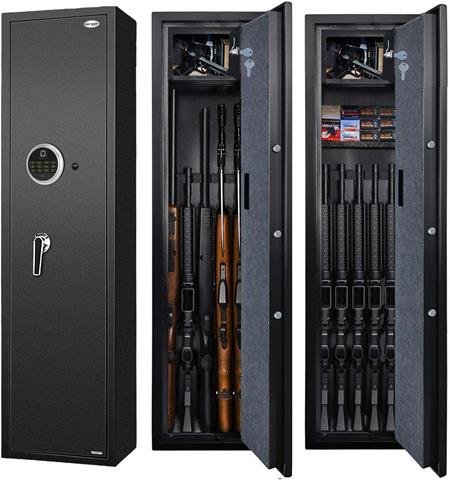
When you own firearms, keeping them in good condition matters—especially for long periods. Many gun owners use gun socks to protect their firearms from dust and scratches. But are gun socks really safe for long-term storage? Do they prevent rust, or can they actually cause problems over time? Let’s explore what gun socks are, how they work, and whether they’re the right choice for keeping your guns safe for months or even years.
What Are Gun Socks?
Gun socks are simple sleeves, usually made from stretchy fabric, designed to slip over a firearm. Their main job is to protect guns from:
- Dust
- Light scratches
- Minor impacts
- Moisture to some extent
Most gun socks are made from materials like silicone-treated polyester or cotton blends. The silicone treatment helps repel moisture, which is important because moisture leads to rust. Gun socks come in different sizes, so you can find one for a pistol, shotgun, or rifle.

Exclusive Deals
Limited-time Exclusive Deals. Check current discount on Amazon.
Check Price on Amazon As an Amazon Associate I earn from qualifying purchases.Some are even made to fit scoped rifles or tactical firearms.
Why People Like Gun Socks
Many gun owners prefer gun socks because they are:
- Lightweight and easy to store
- Cheap compared to hard cases or safes
- Quick to put on and remove
- Flexible, fitting many shapes and sizes
- Useful for both short-term and long-term storage
But just because gun socks are popular does not mean they are always the safest option, especially for long-term storage.
How Gun Socks Protect Firearms
Gun socks work by creating a physical barrier between the gun and its environment. Here’s what that barrier does:
Exclusive Deals
Limited-time Exclusive Deals. Check current discount on Amazon.
Check Price on Amazon As an Amazon Associate I earn from qualifying purchases.- Blocks dust and dirt: The fabric keeps small particles away from the gun’s metal and wood parts.
- Prevents scratches: The soft material stops minor bumps from leaving marks.
- Reduces moisture exposure: Silicone-treated socks can slow down moisture build-up, helping to prevent rust.
How Well Do Gun Socks Control Humidity?
Humidity is the main enemy of guns in storage. When air is humid, water vapor can settle on metal parts, causing rust. Gun socks can help, but they are not airtight. This means they slow down, but do not completely stop, moisture from reaching your gun.
Real-world Example
Imagine storing a shotgun in your basement inside a gun sock. If the basement is damp, the gun sock will delay—but not block—moisture from getting to the gun. Over months, humidity may still reach the metal and cause rust if you do not check the gun regularly.
Benefits Of Gun Socks For Storage
Gun socks can be a good part of your storage plan. Here are some key benefits:
Exclusive Deals
Limited-time Exclusive Deals. Check current discount on Amazon.
Check Price on Amazon As an Amazon Associate I earn from qualifying purchases.- Protection from Scratches and Dings: When moving guns in and out of safes, cabinets, or during transport, gun socks keep the finish safe from small impacts.
- Dust and Debris Barrier: In dry or dusty places, a gun sock keeps particles off your gun.
- Low Cost: Gun socks usually cost between $5 and $15 each, making them affordable for most gun owners.
- Lightweight Storage: Gun socks don’t take up much space. You can fit many guns in a safe if they’re in socks.
- Quick Access: They’re easy to slip on and off, so you can access your firearm quickly.
- Fits Odd Shapes: Flexible socks can cover guns with scopes, pistol grips, or other attachments.
- Organizing in Safes: Different colored socks or tags can help you organize guns inside a safe.
Risks Of Using Gun Socks For Long-term Storage
Even though gun socks help in many ways, there are also risks—especially when storing guns for many months or years. Let’s look at the main concerns.
Moisture And Rust
Rust is the biggest threat. If the environment is damp, or if you store a gun with even a tiny amount of sweat, water, or oil on it, rust can form under the gun sock. Over time, this can cause pitting or ruin the finish.
- Fact: A study by the National Firearms Museum found that humidity above 50% can cause surface rust on firearms in as little as two weeks—even with a gun sock.
- Non-obvious insight: Silicone in some gun socks loses effectiveness over time, especially if washed or exposed to air for years. Owners rarely realize this.
Trapped Moisture
If you put a gun in a sock when it’s already damp, the fabric can trap moisture against the metal. Unlike hard cases with desiccant packs, gun socks do not absorb much water. This can speed up rust.
Not Airtight
Gun socks are not sealed. Air, dust, and moisture can still find their way in, especially in humid climates or during weather changes.
Chemical Reactions
Some gun socks are made from materials that may react with gun oils or wood finishes over many years. This is rare, but possible with low-quality socks or with unusual gun finishes.
Mold And Mildew
If you store a wooden-stock firearm in a damp place, a gun sock can hold in moisture and cause mildew on the wood. Once mold or mildew starts, it can be hard to remove.
Rodent And Insect Damage
Soft fabric can attract mice or insects in some storage environments. A chewed gun sock offers no protection.
Hidden Problems
If you leave a gun in a sock and do not check it for months, you might miss early signs of rust or damage. Out of sight, out of mind—until it’s too late.
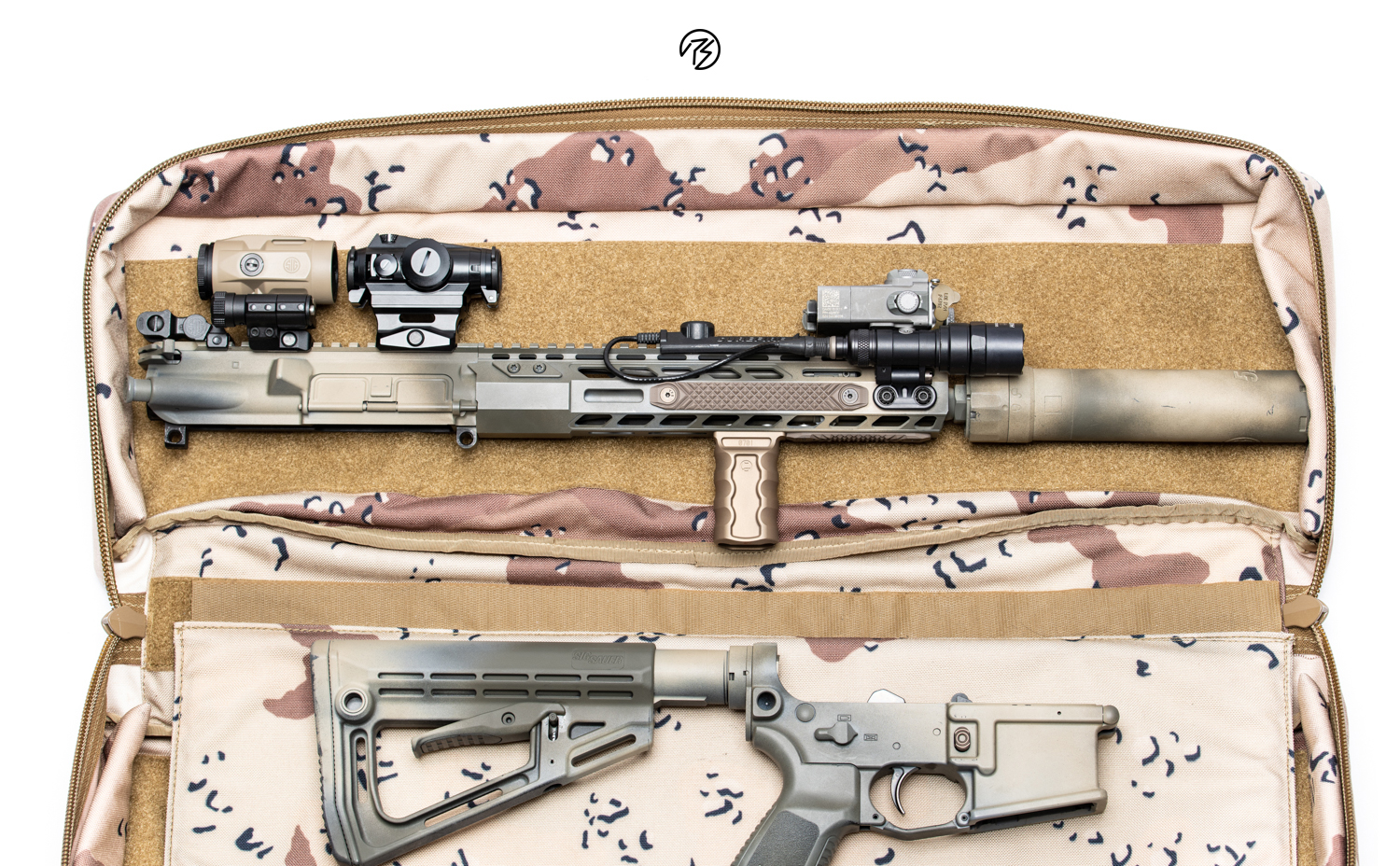
Gun Socks Vs Other Storage Options
How do gun socks compare with other popular ways to store firearms? The right choice depends on your needs and your storage environment.
Here’s a table comparing gun socks with hard cases, soft cases, and gun safes:
| Storage Option | Moisture Protection | Scratch Protection | Security | Long-Term Suitability | Cost |
|---|---|---|---|---|---|
| Gun Sock | Poor to fair | Good | Poor | Fair | Low |
| Hard Case (with desiccant) | Good | Excellent | Good | Good | Moderate |
| Soft Case | Poor | Good | Poor | Poor | Low to moderate |
| Gun Safe (with dehumidifier) | Excellent | Excellent | Excellent | Excellent | High |
Key Takeaways From The Table
- Gun socks are best for scratch protection, but not great for moisture or theft.
- Hard cases offer better all-around protection, especially if you add a desiccant pack.
- Gun safes, when combined with a dehumidifier, are the safest for long-term storage.
The Science Of Rust And Firearm Corrosion
To decide if a gun sock is safe, it helps to understand how rust forms. Rust happens when water and oxygen react with iron in the steel. Even a small amount of moisture can start this process.
- Relative humidity above 50% increases the risk of rust.
- Body oils (like fingerprints) make it worse. Salts from your skin can speed up corrosion.
- Temperature changes cause condensation. If a gun moves from cold to warm air, water droplets can form.
Non-obvious insight: Even in a “dry” room, storing a gun in a gun sock right after handling it with bare hands can leave enough salt and oil to cause pitting.

Best Practices: Using Gun Socks For Long-term Storage
If you still want to use gun socks for long-term storage, follow these steps to reduce risks:
1. Clean And Dry Your Gun First
Always clean your firearm before storing. Remove fingerprints, dirt, and old oil. Use a dry cloth to remove moisture and apply a fresh, thin layer of rust-preventive oil made for firearms.
2. Condition The Storage Area
Store your firearms in a dry, temperature-controlled room. Basements, attics, or garages usually have high humidity and temperature swings. If you must store guns there, use a dehumidifier or silica gel packs nearby.
3. Choose High-quality Gun Socks
Look for socks made from silicone-treated fabric. Avoid plain cotton or wool socks, which can hold moisture. Reputable brands often state the level of moisture protection and do not use harsh dyes.
4. Add Moisture Absorbers
Place desiccant packs or silica gel inside your safe or cabinet. These absorb excess moisture and can be reused by drying them in an oven.
5. Inspect Regularly
Check your guns every few months. Remove the sock and look for early signs of rust or mildew. Reapply oil if needed.
6. Label And Organize
Use tags or labels on gun socks so you can quickly find the right firearm without opening every sock. This reduces handling and exposure.
7. Don’t Rely On Gun Socks Alone
For expensive or sentimental firearms, consider double protection: store inside a gun sock, and then place in a hard case or safe with a dehumidifier.
Common Mistakes When Using Gun Socks
Many gun owners make simple mistakes when using gun socks. Avoid these to keep your firearms safe:
- Storing a dirty or oily gun: Old gun oil can become acidic and damage metal or wood.
- Not drying before storing: Even a few drops of water can cause rust under a sock.
- Forgetting to check regularly: Out of sight means you may miss early problems.
- Using low-quality socks: Cheap materials may not protect against moisture or may react with finishes.
- Storing in a damp place: The best gun sock cannot overcome high humidity.
Special Cases: When Are Gun Socks Most Useful?
While gun socks are not always perfect for long-term storage, there are situations where they are especially helpful.
Short-term Storage And Transport
Gun socks are ideal for short-term storage—such as between trips to the range—or for transporting guns in and out of a safe. They protect against scratches during handling.
Storing In A Safe
If you have many guns in a safe, gun socks stop them from bumping into each other. Combine with a dehumidifier rod for best results.
Travel And Range Trips
Gun socks are a fast, light way to cover guns during travel. They do not replace a hard case for airline travel, but they do protect in a vehicle or at the range.
When Not To Use Gun Socks
There are also times when gun socks are a poor choice:
- If storing guns in a damp basement or shed
- For very valuable or historic firearms (use a safe with climate control)
- If you cannot check the gun for long periods (six months or more)
- When you need theft protection (gun socks offer none)
Alternatives To Gun Socks
Here are some alternatives, and how they compare with gun socks:
| Alternative | Best Use | Drawbacks |
|---|---|---|
| Hard Case with Desiccant | Long-term storage, travel | Bulky, more expensive |
| Gun Safe with Dehumidifier | Multiple firearms, high security | High cost, heavy |
| Vapor Corrosion Inhibitor (VCI) Bag | Moisture and corrosion control | More expensive, limited size options |
| Soft Case | Short-term transport | Poor moisture protection, not for long-term use |
Vapor Corrosion Inhibitor (vci) Bags
VCI bags release chemicals that form a protective layer on metal, blocking rust. They are more effective than gun socks for long-term storage but cost more.
Gun Safes With Climate Control
If you collect rare or expensive firearms, a safe with a dehumidifier and temperature control is the gold standard. This method protects against theft, fire, and humidity.
Expert Recommendations
Most firearm experts agree that gun socks alone are not enough for safe long-term storage in humid environments. They are best used as an extra layer of protection—inside a safe, or for short-term use.
- For long-term storage: Use a gun safe with a dehumidifier, or a hard case with desiccant and a gun sock.
- For short-term storage or transport: A gun sock is usually enough.
Non-obvious tip: If you live in a very dry climate (like Arizona or Nevada), gun socks may work well for months at a time. But always check your guns, as even “dry” climates can have humidity spikes.
Real-world Case Study
A collector in Florida stored his rifles in silicone-treated gun socks inside a wooden cabinet. Within one year, several guns developed surface rust, while others showed mildew on the wood stocks. The cause? High humidity and lack of a dehumidifier.
When he switched to storing guns in a safe with a dehumidifier rod, the rust stopped—even though he kept using gun socks.
Gun Sock Care And Maintenance
To get the most from your gun socks:
- Wash occasionally: Use mild soap and cold water. Do not use fabric softener.
- Dry fully before use: Never put a damp sock on a firearm.
- Replace if worn: Old or stretched socks may not protect as well.
- Store socks in a dry place: Avoid leaving them in wet or dirty areas.

How To Choose A Good Gun Sock
Here are some features to look for:
- Silicone-treated fabric: Repels moisture better than untreated cotton.
- Proper length: Make sure it covers your entire firearm.
- Tight but not too tight: Should slip on easily, but not sag.
- No rough seams: Prevents scratches on the finish.
- Brand reputation: Choose known brands with good reviews.
Frequently Asked Questions
Are Gun Socks Enough To Prevent Rust?
Gun socks can slow down rust, but they are not enough on their own—especially in humid places. Always store guns in a dry, controlled environment and check them often.
Can I Use A Gun Sock Inside A Gun Safe?
Yes, using a gun sock inside a gun safe is common. It helps protect the finish from scratches, especially if you store many guns close together. Combine with a dehumidifier for best results.
How Often Should I Check Guns In Storage?
Check your guns at least every 3-6 months. Remove the sock, inspect for rust or damage, and reapply oil if needed. In humid areas, check more often.
Will Gun Socks Fit Guns With Scopes Or Extended Magazines?
Many brands make extra-large or stretchable gun socks that fit scoped rifles, shotguns with extended tubes, or tactical firearms. Always check the length before buying.
What’s Better For Long-term Storage: Gun Sock Or Vci Bag?
A VCI bag is better for long-term storage because it offers superior moisture and corrosion protection. However, it costs more. For rare or valuable guns, the extra expense is worth it.
Final Thoughts
Gun socks are a handy, affordable way to protect firearms from scratches and dust. They work well for short-term storage and are useful inside gun safes or during transport. But for long-term storage, especially in humid climates, gun socks alone are not enough to prevent rust and other damage. Always combine gun socks with proper cleaning, a dry environment, and—if possible—a safe or hard case with moisture control. If you follow these steps, your firearms will stay in top shape for years to come.
For more on safe firearm storage and moisture control, you can visit the Wikipedia page on firearm storage.