Smart locks are changing how we protect our homes. With a smartphone or code, you can unlock your door without a key. But if you want to install a smart lock outside, you might wonder: Can a smart lock handle rain, snow, and heat? This question is important because a lock that stops working in bad weather can be a big problem. Many people trust smart locks to keep their families and property safe. If you are thinking about using a smart lock outdoors, this guide will help you understand everything about weather resistance.
How Smart Locks Work
Smart locks use technology to open and close doors. Most locks connect to your phone by Bluetooth, Wi-Fi, or special apps. Some locks use fingerprints, keypads, or voice commands. A smart lock replaces your traditional lock, letting you control access easily.
These locks have tiny computers inside. They can recognize codes, send alerts, and even connect to other smart devices. Some models let you set temporary codes for guests or deliveries. The battery powers the lock, so it keeps working even if the power goes out.
Exclusive Deals
Limited-time Exclusive Deals. Check current discount on Amazon.
Check Price on Amazon As an Amazon Associate I earn from qualifying purchases.Smart locks are popular because they offer:
- Convenience: No need for keys or worry about losing them.
- Security: You can see who enters and set alerts for suspicious activity.
- Remote Access: Unlock doors from anywhere using your phone.
- Customization: Set access for certain people and times.
But for outdoor use, more is needed. The lock must survive rain, snow, dust, and sunlight. This is where weather resistance becomes critical.
What Does Weather Resistant Mean For Smart Locks?
Weather resistance is not just a marketing term. It means a product is designed to handle harsh outdoor conditions. For smart locks, this usually covers:
- Water Resistance: Can the lock survive rain, splashes, and humidity?
- Dust Resistance: Does the lock keep out sand and dirt?
- Temperature Tolerance: Will it work in freezing or very hot weather?
- UV Protection: Can it handle sunlight without fading or breaking?
Manufacturers use special materials and seals to protect locks. Some locks use rubber gaskets to keep water out. Others use metal casings that resist rust. Good outdoor smart locks have weatherproof electronics inside.
Exclusive Deals
Limited-time Exclusive Deals. Check current discount on Amazon.
Check Price on Amazon As an Amazon Associate I earn from qualifying purchases.A key factor is the IP rating. This is a standard that shows how much protection the lock has against water and dust.
Understanding Ip Ratings
IP stands for “Ingress Protection. ” Every rating has two numbers. The first number is for dust, and the second is for water.
For example:
Exclusive Deals
Limited-time Exclusive Deals. Check current discount on Amazon.
Check Price on Amazon As an Amazon Associate I earn from qualifying purchases.- IP65: Dust tight and can handle water jets.
- IP54: Limited dust protection and can handle splashes.
The higher the numbers, the better the lock is protected. For outdoor use, a smart lock should have at least IP54 or higher.
Here is a quick comparison of common IP ratings for smart locks:
| IP Rating | Dust Protection | Water Protection | Outdoor Suitability |
|---|---|---|---|
| IP54 | Limited | Splashes | Light rain, covered areas |
| IP65 | Full | Water jets | Heavy rain, most climates |
| IP67 | Full | Immersion | Floods, extreme weather |
| IP68 | Full | Deep immersion | Very harsh conditions |
Not all locks advertise their IP rating. If you do not see it, ask the seller or check the manual.

Materials Used In Outdoor Smart Locks
The materials in a smart lock matter a lot. Outdoor locks need to be strong. Most outdoor smart locks use:
- Stainless steel: Resists rust and corrosion.
- Zinc alloy: Strong and good for weather protection.
- Plastic (ABS, polycarbonate): Durable and can handle sunlight.
- Rubber seals: Keep out water and dust.
Some locks have coatings to protect against UV rays. Others use weatherproof electronics with special glue or coverings inside.
A good outdoor smart lock will have thick casing, sealed buttons, and covered battery compartments. These features help keep the lock working in rain or snow.
Performance In Different Weather Conditions
Rain And Humidity
Most smart locks with IP65 or higher can survive heavy rain. The seals and casing keep water out. But not all locks are equal. Some cheaper models may leak, causing the electronics to fail.
Humidity can cause rust or mold. Locks with stainless steel or zinc alloy handle moisture better. Plastic locks can sometimes crack in changing temperatures. Look for locks with anti-corrosion features.
Snow And Freezing Temperatures
Cold weather can stop batteries from working well. Lithium batteries are better for cold, but extreme cold can still drain them fast. Some smart locks are tested to work down to -20°F (-28°C).
Snow and ice can block moving parts. If the keypad or fingerprint sensor freezes, it may not work. Some locks have heated keypads or special covers for winter.
Heat And Sunlight
Hot weather can melt or warp plastic. Locks with UV-resistant coatings last longer. Metal locks can get hot, but they do not break easily. Electronics must be protected from overheating. Some smart locks are rated for up to 140°F (60°C).
Dust And Sand
Dust can get inside buttons and sensors. Locks with IP65 or higher are dust tight. This is important for homes near beaches or deserts.
Real-world Examples
- August Wi-Fi Smart Lock: Designed for indoor use, but with a weatherproof keypad for outdoor entry.
- Schlage Encode: Rated for outdoor use with weather-resistant materials. Works in -20°F to 120°F.
- Yale Assure Lock SL: Has an IP54 rating. Can handle rain but may need extra cover in harsh weather.
Testing And Certification For Outdoor Smart Locks
Manufacturers test smart locks in labs. They use water jets, dust chambers, and temperature rooms. Locks must survive:
- Water spray tests
- Freezing cycles
- Heat exposure
- UV light tests
- Salt fog for corrosion
Some locks get certifications like UL (Underwriters Laboratories) or FCC. These show the lock is safe and reliable.
Not all locks are certified. Certified locks cost more, but they often last longer.
Example: Schlage Encode Testing
Schlage Encode is tested for:
- Rain: Survives heavy water spray.
- Cold: Works down to -20°F.
- Heat: Works up to 120°F.
- Dust: Sealed buttons and casing.
This makes it good for most outdoor conditions.
Common Problems With Outdoor Smart Locks
Even the best smart lock can have problems outside. Here are some common issues:
- Battery drains fast in cold or heat
- Buttons and sensors stop working if covered by snow or ice
- Plastic parts crack in changing temperatures
- Water leaks cause short circuits
- Sunlight fades keypad numbers
Some problems are easy to fix. For example, changing the battery or adding a cover. Others may need a new lock.
Non-obvious Insights
- Many people forget to check battery type: Not all batteries handle cold or heat well. Choose smart locks with lithium batteries for outdoor use.
- Weather resistance often depends on installation: If the lock is not installed with the seals tight, water can still get in. Always follow installation instructions closely.
Comparing Indoor Vs Outdoor Smart Locks
Some smart locks are made only for indoor use. Others are for outdoors. The differences are:
| Feature | Indoor Smart Locks | Outdoor Smart Locks |
|---|---|---|
| Weather Resistance | Low | High (IP rated) |
| Material | Plastic, light metal | Stainless steel, zinc alloy |
| Battery Type | Standard alkaline | Lithium, long-life |
| UV Protection | No | Yes |
| Installation | Simple | Needs weatherproofing |
Always check the product label. If it says “indoor only,” do not use it outside.
Installation Tips For Outdoor Smart Locks
Getting the installation right is key for weather resistance. Here are some tips:
- Check the IP rating before buying
- Seal all edges and gaps with weatherproof tape or caulk
- Install under a cover or awning if possible
- Use the recommended battery type
- Check for firmware updates to fix bugs
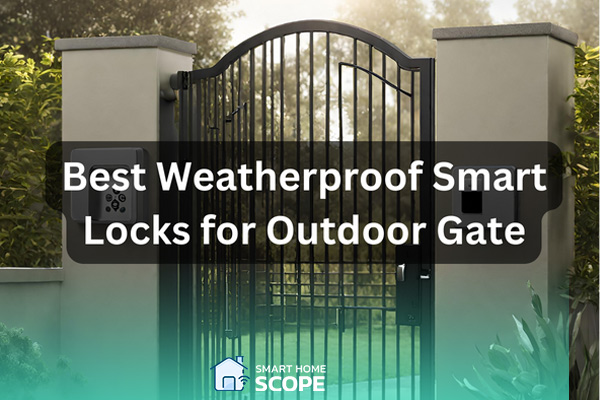
Some people install smart locks on side doors or gates. Make sure the lock is rated for outdoor gates, which can be exposed to more weather.
Practical Example
A homeowner in Seattle installed a smart lock on their front door. The lock was IP65 rated, but rain still got inside because the lock was not sealed tightly. After resealing and adding a small cover, the lock worked well for over three years.
Maintenance For Outdoor Smart Locks
Outdoor smart locks need regular care. Here is how to keep your lock working:
- Clean the lock with a dry cloth every month
- Check the seals for cracks or gaps
- Change batteries before they run out, especially before winter or summer
- Update the firmware for new security features
- Lubricate moving parts with weatherproof grease
If you live in a place with heavy snow or rain, check the lock after every storm. This helps catch problems early.
Non-obvious Insight
Many people forget to update the lock’s firmware. Updates fix bugs and improve weather resistance. Set a reminder to check for updates every six months.
Security Vs Weather Resistance: Finding A Balance
A lock must be both secure and weather resistant. Some models focus on security with strong encryption or advanced sensors. Others focus on weather resistance with thick casings and seals.
Sometimes, adding more weatherproofing can make the lock harder to use. For example, thick rubber covers may block buttons. Choose a lock that balances:
- Strong security features
- High IP rating
- Easy usability
Ask yourself: Will the lock be exposed to storms or direct sunlight? Do you need a keypad, fingerprint sensor, or just remote access? The answers help choose the right lock.

Popular Outdoor Smart Lock Models
Here are some well-known outdoor smart locks and their weather resistance:
- Schlage Encode: IP54, works in -20°F to 120°F. Strong metal casing.
- Yale Assure Lock SL: IP54, rain resistant, works in cold and heat.
- Kwikset Halo: Weatherproof, works in most climates, tested for rain and dust.
- Lockly Secure Plus: IP65, dust and water resistant.
- Ultraloq U-Bolt Pro: IP65, works with fingerprints, rain, and dust.
These locks are tested for outdoor use. Choose the one that fits your climate and security needs.
Smart Lock Performance Data
Manufacturers often publish performance data. Here is a comparison of battery life and weather ranges:
| Model | Battery Life | Temperature Range | IP Rating |
|---|---|---|---|
| Schlage Encode | 6 months | -20°F to 120°F | IP54 |
| Yale Assure Lock SL | 1 year | -22°F to 140°F | IP54 |
| Lockly Secure Plus | 10 months | -4°F to 140°F | IP65 |
| Ultraloq U-Bolt Pro | 12 months | -4°F to 149°F | IP65 |
Note: Battery life depends on usage and climate. Cold weather can reduce battery life by up to 30%.
Mistakes To Avoid When Choosing Outdoor Smart Locks
Many buyers make mistakes when picking a smart lock for outdoor use:
- Ignoring IP ratings: Some locks are only splash-proof, not waterproof.
- Choosing the wrong battery: Alkaline batteries fail faster in cold.
- Not checking temperature range: Some locks stop working below freezing.
- Installing in direct sunlight: UV rays can damage the lock.
- Skipping regular maintenance: Dust and water can cause problems.
Always read the manual. Ask the seller questions if you are unsure. Look for reviews from people in your climate.
Expert Advice For Outdoor Smart Lock Buyers
If you want a smart lock for outside, follow these steps:
- Pick a lock with at least IP54 rating
- Choose stainless steel or zinc alloy casing
- Select lithium batteries for better performance
- Install under cover if possible
- Check for heated keypad if you live in cold areas
- Read real user reviews
Smart locks are a big investment. Take time to choose the right one.
Frequently Asked Questions
Are All Smart Locks Weather Resistant?
No, not all smart locks are weather resistant. Many are made for indoor use only. For outdoor doors, check the IP rating and choose locks labeled for outdoor use.
What Happens If Water Gets Inside A Smart Lock?
If water gets inside, the electronics may stop working. This can cause the lock to fail, or even open by mistake. Always install the lock with tight seals and regular checks.
Can Smart Locks Work In Freezing Temperatures?
Some smart locks are tested to work in very cold weather, often down to -20°F or lower. Check the product specs for temperature range. Use lithium batteries for best performance.
How Often Should I Check Or Maintain An Outdoor Smart Lock?
Check your smart lock every month. Clean it, check seals, and change batteries as needed. After storms or extreme weather, check for water or ice damage.
Are Smart Locks Safe From Hacking If Used Outdoors?
Outdoor smart locks use encryption to protect against hacking. But keep the firmware updated and use strong access codes. For more security tips, visit Consumer Reports.
Final Thoughts
Smart locks can be weather resistant if you choose the right model and install it carefully. Look for IP ratings, strong materials, and good battery types. Regular maintenance is important to keep your lock working in rain, snow, heat, or dust. Avoid common mistakes, and balance security with weather resistance. With the right smart lock, you can enjoy both convenience and safety outside your home.