
Keeping firearms safe and in top condition is important for every gun owner. One common accessory is the gun sock—a stretchy, fabric cover that protects guns from scratches, dust, and moisture. But many people wonder: Do gun socks contain rust inhibitors? Understanding the answer can help you choose the right protection for your guns. In this guide, you’ll discover how gun socks work, what rust inhibitors are, and whether these socks really stop rust. We’ll also compare types of gun socks, show practical examples, and answer the most common questions.
What Are Gun Socks?
Gun socks are soft, tubular covers made from knitted fabric. Their main purpose is to protect guns from dust, scratches, and minor impacts. Most gun socks are made from polyester or cotton blends, which stretch to fit rifles, shotguns, or handguns. You slip the gun inside the sock, and sometimes a drawstring closes the opening.
Gun socks are popular because they’re lightweight, easy to use, and affordable. Some people store guns in socks inside safes, while others use them for transport. The fabric keeps guns from rubbing against each other or hard surfaces. Gun socks are especially useful if you want quick access without bulky cases.

Exclusive Deals
Limited-time Exclusive Deals. Check current discount on Amazon.
Check Price on Amazon As an Amazon Associate I earn from qualifying purchases.Why Are Rust Inhibitors Important?
Rust is a gun owner’s enemy. When moisture, air, and metal combine, rust forms on steel parts. Rust can damage a gun’s finish, ruin moving parts, and lower its value. Even small amounts of rust can make a firearm unsafe or unreliable.
Rust inhibitors are chemicals or substances that stop rust from forming. They work by creating a barrier on metal, blocking moisture and oxygen. Gun owners often use oils, sprays, or special papers with rust inhibitors. Some storage products, like gun safes or bags, include these chemicals to protect guns over time.
How Do Gun Socks Protect Against Rust?
Gun socks mainly protect guns by covering them and reducing exposure to dust and scratches. But do they really help with rust? The answer depends on the type of gun sock.
- Standard gun socks: Made from basic fabric. They offer physical protection but do not stop rust by themselves.
- Treated gun socks: Some socks are infused with rust inhibitor chemicals. These are designed to actively protect against rust.
So, not all gun socks contain rust inhibitors. It’s important to check the product details before buying.
Exclusive Deals
Limited-time Exclusive Deals. Check current discount on Amazon.
Check Price on Amazon As an Amazon Associate I earn from qualifying purchases.Types Of Rust Inhibitors Used In Gun Socks
Some gun socks are treated with chemicals to prevent rust. The most common are:
- Silicone: Adds water resistance. Silicone-treated socks repel moisture but do not actively stop rust.
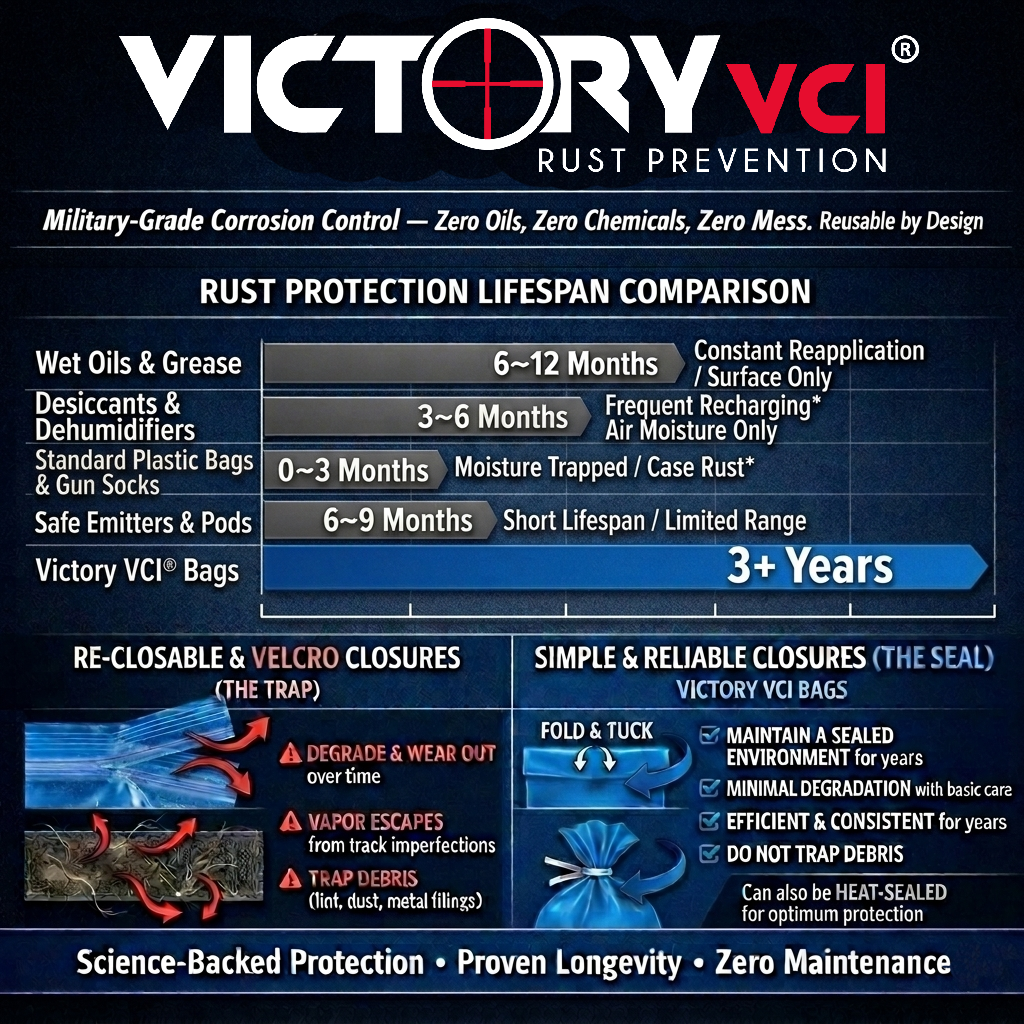
- Volatile Corrosion Inhibitors (VCIs): These chemicals release vapor that coats metal and blocks rust. VCI-treated socks provide active rust protection.
- Oil-based treatments: Rare in gun socks, but some may use light oils to block moisture.
Let’s compare these treatments in detail:
| Rust Inhibitor | How It Works | Effectiveness | Common in Gun Socks? |
|---|---|---|---|
| Silicone | Repels water from fabric | Moderate | Yes |
| VCI (Volatile Corrosion Inhibitor) | Releases vapor to coat metal | High | Sometimes |
| Oil-Based | Creates barrier on metal | High | Rare |
Silicone-treated socks are common. They help keep moisture away, but they do not fully stop rust. VCI-treated socks are less common but more effective. VCIs are used in industrial settings and can protect guns for months. If you want strong rust protection, look for gun socks labeled “VCI-treated” or “rust inhibitor.”
Exclusive Deals
Limited-time Exclusive Deals. Check current discount on Amazon.
Check Price on Amazon As an Amazon Associate I earn from qualifying purchases.Comparing Gun Socks: Standard Vs Rust-inhibitor Types
Choosing the right gun sock depends on your needs. Here’s a direct comparison:
| Feature | Standard Gun Sock | Rust-Inhibitor Gun Sock |
|---|---|---|
| Material | Basic knit fabric | Treated fabric (silicone or VCI) |
| Rust Protection | None (unless treated) | Active protection |
| Price | Lower | Higher |
| Best Use | Scratch/dust protection | Long-term storage, humid climates |
If you live in a humid area or plan to store guns for long periods, rust-inhibitor gun socks are worth the extra cost. For short-term or dry climates, standard socks may be enough.
Real-world Data: Gun Sock Effectiveness
Studies and tests show that treated gun socks can reduce rust. For example, a test by a firearms magazine found that guns stored in VCI-treated socks had 60% less rust after six months compared to untreated socks. Silicone-treated socks also helped, but not as much.
A survey of gun owners by a popular shooting forum showed:
- 70% saw reduced rust with treated gun socks
- 20% saw no change (often in dry climates)
- 10% reported rust, usually when socks were not sealed tightly
These results show that gun socks with rust inhibitors are effective, but they are not a complete solution. Proper storage and regular cleaning are still necessary.
Common Mistakes When Using Gun Socks
Many gun owners make mistakes that reduce the effectiveness of gun socks. Here are some to avoid:
- Using untreated socks: Assuming all gun socks prevent rust is incorrect. Always check for “rust inhibitor” or “VCI” labeling.
- Storing wet guns: Never put a damp gun in a sock. Moisture trapped inside will cause rust, even with inhibitors.
- Ignoring regular cleaning: Gun socks are not a substitute for oiling and cleaning your gun.
- Overcrowding in safes: If guns are packed tightly, airflow drops and moisture can build up.
- Relying only on socks: Socks help, but combining with a dry safe or dehumidifier gives better protection.
Practical Tips For Choosing And Using Gun Socks
If you want maximum rust protection, follow these tips:
- Read product labels. Look for socks marked “rust inhibitor,” “VCI-treated,” or “silicone-treated.”
- Check material quality. Thicker, tightly-knit socks offer better physical protection.
- Store guns dry. Wipe guns with oil before storing.
- Use a dehumidifier. In humid climates, add a safe dehumidifier for extra rust control.
- Replace socks periodically. Over time, treatments can wear off. Change socks every 1-2 years.
- Don’t overstuff your safe. Allow space for airflow.
A non-obvious tip: Some gun socks lose their rust inhibitor effect after repeated washing. If you wash your sock, check if the treatment is still effective. Some brands recommend replacing rather than washing.
Popular Brands And Their Rust Inhibitor Technology
Many gun sock brands offer rust inhibitor features. Here are a few examples:
- Bore Stores: Uses VCI technology for active rust protection.
- Sack-Ups: Offers silicone-treated socks, repelling moisture.
- Allen Company: Some models use VCI and silicone mix.
- Hoppe’s: Known for basic socks, but some special lines include rust inhibitor.
When shopping, compare the brand’s claims with user reviews. Some brands exaggerate their rust protection, so look for independent test data.
Gun Sock Limitations: What They Don’t Do
Gun socks are useful, but they have limits:
- Not airtight. Moisture can enter over time, especially if not sealed well.
- No substitute for oil. You still need to oil your gun regularly.
- Limited against heavy moisture. Floods or extreme humidity can overwhelm any sock.
- Rust inhibitor effect fades. Treatments lose power after time or washing.
Don’t expect gun socks to solve all rust problems. They are part of a bigger storage strategy.
How To Check If Your Gun Sock Has Rust Inhibitor
Sometimes packaging is unclear. Here’s how to check:
- Look for “VCI,” “rust inhibitor,” or “silicone” on the label.
- Feel the fabric. Treated socks often feel slightly slick or oily.
- Smell the sock. VCI socks have a mild chemical smell.
- Check brand website. Most companies explain their technology online.
If you’re unsure, reach out to the manufacturer. Some brands provide certificates or test reports.
Should You Use Gun Socks With Rust Inhibitors?
If you care about protecting your guns, especially in humid climates or for long storage, rust-inhibitor gun socks are a smart choice. They cost more, but offer peace of mind. For collectors, hunters, and anyone storing valuable firearms, the extra protection is worth it.
However, gun socks are only one part of gun care. Combine them with regular cleaning, oiling, and dry storage for best results. If you live in a dry area and use your guns often, standard socks may be enough. Always consider your own needs and climate.
Other Ways To Protect Guns From Rust
Gun socks are just one tool. You can combine them with other methods:
- Gun oil: Apply a thin layer to all metal parts before storage.
- Dehumidifiers: Use in gun safes to keep air dry.
- Desiccant packs: Place inside storage cases.
- Rust inhibitor papers: Wrap guns for extra protection.
For maximum safety, use several methods together. This is especially important for collectors and those storing guns for months or years.
Gun Sock Care And Maintenance
To keep your gun socks working well:
- Avoid frequent washing. Washing can remove rust inhibitor treatments.
- Dry completely before use. Never store guns in damp socks.
- Replace when worn or dirty. Old socks lose their effectiveness.
- Store socks in a dry place. Don’t leave them in damp basements or garages.
A practical tip: Label each sock with the date of purchase. This helps you remember when to replace them.
Environmental Impact: Are Rust-inhibitor Gun Socks Safe?
Some gun owners worry about chemicals in treated socks. Most VCIs and silicone treatments are safe for humans and pets. However, avoid using damaged or heavily worn socks, as loose fibers or chemicals may irritate skin.
If you want eco-friendly protection, look for socks made with natural fibers and non-toxic inhibitors. Some brands offer “green” options.
Data Table: Gun Sock Rust Protection By Climate
Gun sock performance changes by climate. Here’s a summary:
| Climate | Standard Sock | Rust-Inhibitor Sock | Recommended? |
|---|---|---|---|
| Dry (Arizona, Nevada) | Good | Excellent | Standard OK |
| Humid (Florida, Texas) | Poor | Good | Rust-Inhibitor Needed |
| Wet (Pacific Northwest) | Poor | Moderate | Rust-Inhibitor + Dehumidifier |
| Cold (Alaska, North Dakota) | Moderate | Good | Rust-Inhibitor Preferred |
This shows that climate is a big factor in choosing the right sock.

Expert Opinions And Research
Experts in gun care recommend using rust-inhibitor gun socks for long-term storage. According to the National Shooting Sports Foundation, combining treated socks with regular cleaning and dry storage is the best practice.
A research article from the US Army found that VCI-treated covers prevented corrosion in military firearms during storage. The vapor barrier was effective for up to 12 months. For civilians, similar technology works well but should be combined with other care steps.
For more details, visit the National Shooting Sports Foundation website.
Frequently Asked Questions
Do All Gun Socks Contain Rust Inhibitors?
No. Only socks labeled “rust inhibitor,” “VCI-treated,” or “silicone-treated” have active rust protection. Most basic socks are just fabric and do not stop rust.
Is Silicone Treatment Enough To Prevent Rust?
Silicone repels moisture and helps, but it’s not as strong as VCI. For best results, combine silicone socks with regular oiling and dry storage.
Can I Wash Rust-inhibitor Gun Socks?
Washing may remove the rust inhibitor. Check the manufacturer’s instructions. Most brands recommend replacing treated socks instead of washing.
How Long Does Rust Inhibitor Protection Last In A Gun Sock?
Most treatments last 1–2 years. After this, the chemicals fade. Replace your sock regularly for best protection.
Are Rust-inhibitor Gun Socks Safe For All Guns?
Yes, treated socks are safe for most firearms. However, avoid using damaged socks, and always store guns dry. If you have rare or antique guns, test the sock on a small area first.
Protecting your guns from rust is about balance—using the right sock, storing them dry, and maintaining regular care. Gun socks with rust inhibitors are a helpful tool, but they work best as part of a complete gun care plan. Choose carefully, follow expert advice, and your firearms will stay safe and reliable for years.