Motion sensor stair lights are a modern solution for safe, energy-efficient, and stylish home lighting. These lights turn on automatically when they detect movement on or near your stairs. But how sensitive are they, really? Sensitivity affects how well the lights respond to movement, how often they turn on, and whether they ignore irrelevant motions.
Many homeowners want to know if these lights will turn on for every small movement, or only when someone actually uses the stairs. Let’s explore how sensitive motion sensor stair lights are, what influences their sensitivity, and how to choose the right setup for your home.
What Are Motion Sensor Stair Lights?
Motion sensor stair lights are lights installed along staircases that use sensors to detect movement. When someone approaches or steps onto the stairs, the sensor picks up the motion and turns the lights on. This technology uses infrared sensors, microwave sensors, or sometimes dual technology sensors. The main aim is to improve safety, save electricity, and add convenience.
Exclusive Deals
Limited-time Exclusive Deals. Check current discount on Amazon.
Check Price on Amazon As an Amazon Associate I earn from qualifying purchases.Most products are powered by either electric wiring or batteries. Some lights are built into the stair risers, while others are installed on the side walls or underneath the handrail. The sensitivity of the sensors determines how easily the lights turn on, which is important for both function and comfort.
Types Of Motion Sensors Used In Stair Lights
The sensitivity of stair lights depends heavily on the type of motion sensor used. Here are the main types:
Passive Infrared (pir) Sensors
PIR sensors detect body heat emitted by people or animals. When a warm object moves in front of the sensor, it triggers the light. Most stair lights use PIR sensors because they are affordable and reliable. However, they may not detect slow movements or movements from far away.
Microwave Sensors
Microwave sensors send out microwave signals and detect changes in the reflected waves. These sensors are more sensitive than PIR and can detect movement through thin walls or glass. They pick up even small motions, so they are ideal for places with frequent movement.
Exclusive Deals
Limited-time Exclusive Deals. Check current discount on Amazon.
Check Price on Amazon As an Amazon Associate I earn from qualifying purchases.Dual Technology Sensors
Some advanced stair lights use both PIR and microwave sensors. This combination improves accuracy and reduces false triggers. Dual technology sensors can be adjusted for greater sensitivity, making them suitable for busy homes.
| Sensor Type | Detection Method | Typical Sensitivity | Common Use |
|---|---|---|---|
| PIR | Infrared heat | Moderate | Residential stairs |
| Microwave | Microwave reflection | High | Public stairs, offices |
| Dual | PIR + microwave | Adjustable | Smart homes |
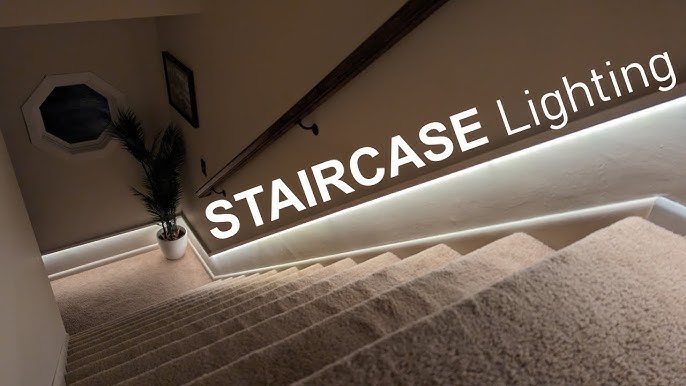
How Sensitive Are Stair Light Motion Sensors?
Sensitivity means how easily the sensor reacts to movement. For stair lights, this is usually measured in:
- Detection range (distance from sensor)
- Trigger speed (how quickly it reacts)
- Motion size (how small a movement it detects)
Most stair light sensors have a detection range between 6 and 16 feet. This range is enough to cover most staircases. The trigger speed is often less than 1 second. If you step onto the first stair, the lights should turn on almost instantly. Sensors can detect motions as small as a hand waving, but usually need a person-sized movement to trigger reliably.
Exclusive Deals
Limited-time Exclusive Deals. Check current discount on Amazon.
Check Price on Amazon As an Amazon Associate I earn from qualifying purchases.Manufacturers often let you adjust the sensitivity. You can make the sensor ignore small pets or only turn on for larger movements. In smart stair lights, you can set the threshold with a dial or through a mobile app.
Real-world Example
If you have a PIR sensor stair light near your entryway, it will turn on when someone walks toward the stairs. But it may ignore a small cat passing by. A microwave sensor is more sensitive and may turn on for both people and pets.
Dual technology sensors can be set to turn on only when both types of motion are detected, reducing false triggers.
Factors Affecting Sensitivity
Many things influence how sensitive stair light motion sensors are. Understanding these factors helps you choose the right lights and set them up correctly.
Sensor Placement
Where the sensor is installed matters a lot. If it’s placed too high or too low, it may miss some movements. Ideally, sensors are installed 3 to 5 feet above the stair surface. If placed near the stair edge, they catch movement as soon as someone steps onto the stairs.
Environmental Conditions
- Temperature: PIR sensors work best in moderate temperatures. If the stairwell is very hot or cold, sensitivity can drop.
- Humidity: High humidity can affect the performance of both PIR and microwave sensors.
- Obstructions: Furniture, curtains, or railings can block the sensor’s field of view.
Sensor Settings
Most stair lights let you adjust sensitivity. You can set:
- Detection distance: How far away the sensor responds.
- Light duration: How long the light stays on after movement.
- Trigger threshold: The size or speed of motion needed to activate the light.
Power Supply
Battery-powered sensors can lose sensitivity as batteries run low. Wired sensors are more stable but require proper installation.
Quality Of Sensor
Cheaper sensors may be less sensitive or have more false triggers. High-quality sensors from brands like Philips or Lutron are more reliable.
Common Sensitivity Issues
Motion sensor stair lights can face several sensitivity problems. Here are some common ones:
- False triggers: Lights turn on for irrelevant movements, like curtains blowing or pets.
- Missed triggers: Lights fail to turn on when someone uses the stairs.
- Delayed response: Lights turn on too slowly, causing safety risks.
- Short coverage: Sensors don’t cover the whole staircase, leaving some steps dark.
You can fix most issues by adjusting settings or changing sensor placement. Sometimes, upgrading to dual technology sensors helps.
Comparing Sensitivity Across Popular Stair Light Models
To help you understand how different models perform, here’s a comparison of three popular stair light products:
| Brand | Sensor Type | Detection Range | Adjustable Sensitivity | False Trigger Rate |
|---|---|---|---|---|
| Philips Hue | PIR | 10 feet | Yes | Low |
| Lutron Maestro | Microwave | 16 feet | Yes | Moderate |
| Smart Step Pro | Dual | 12 feet | Yes (app) | Very low |
This table shows that dual technology sensors tend to have the lowest false trigger rates and offer more control over sensitivity.
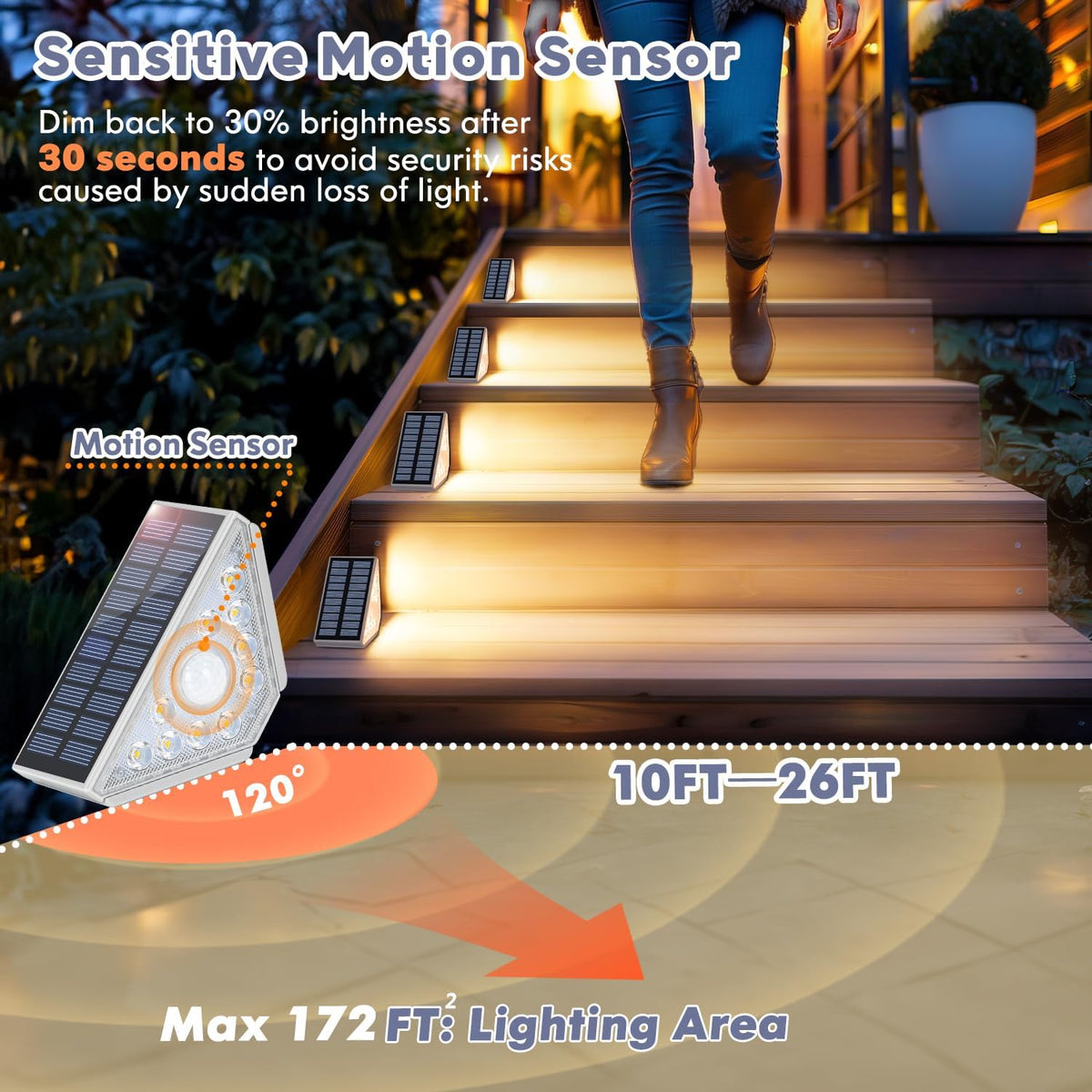
Practical Tips To Adjust Sensitivity
Making your stair lights work best means adjusting sensitivity to fit your needs. Here’s how:
- Test sensor placement before final installation. Move the sensor around and see where it detects movement best.
- Adjust detection range using the settings dial or app. Make it cover only the stairs, not nearby hallways.
- Set trigger threshold to ignore pets or small objects. Most sensors let you pick a minimum movement size.
- Check light duration. Set the lights to stay on long enough for safe passage but not too long to waste energy.
- Clean sensors regularly. Dust or dirt can block detection.
- Replace batteries often if your lights are battery-powered.
Non-obvious Insight 1
Many people don’t realize that ambient lighting affects sensor performance. If your stairs are already well-lit by sunlight, PIR sensors may be less sensitive because the temperature difference is smaller. Consider using sensors with adjustable ambient light thresholds.
Non-obvious Insight 2
If your home has multiple staircases, install sensors on each one individually. Don’t rely on a single sensor to cover multiple stairs, as this reduces overall sensitivity and coverage.
How To Choose The Right Sensitivity Level
Choosing the right sensitivity depends on your home and how you use the stairs. Here’s what to consider:
- Busy households: Higher sensitivity is better. Lights should turn on quickly for children, elderly, or guests.
- Pets: Lower sensitivity helps avoid false triggers from cats or dogs.
- Long staircases: Use multiple sensors with overlapping coverage for consistent lighting.
- Smart homes: Look for lights with app control for easy adjustments.
If you’re unsure, start with medium sensitivity and adjust based on experience.
Safety And Energy Efficiency
Motion sensor stair lights are safer and more efficient than traditional lights. They reduce the risk of falls by ensuring every step is visible. Because they only turn on when needed, they save energy and lower electricity bills.
A study from the US Department of Energy found that motion sensor lights can cut lighting energy use by up to 60% in homes. For stair lights, this means they only use power for a few minutes per day, compared to always-on lights.
Advanced Features In Modern Stair Lights
Many stair lights now offer advanced features that affect sensitivity and user experience:
- Smartphone control: Adjust sensitivity, light color, and timer settings through an app.
- Voice activation: Use voice commands to turn on stair lights.
- Integration with home automation: Connect stair lights to smart home systems like Alexa or Google Home.
- Customizable zones: Set sensors to cover specific steps or stair areas.
These features make it easier to fine-tune sensitivity and avoid common issues.
| Feature | Impact on Sensitivity | Benefit |
|---|---|---|
| App control | High | Easy adjustment |
| Custom zones | Medium | Targeted lighting |
| Voice activation | Low | Hands-free use |
Common Mistakes In Sensor Setup
Many homeowners make simple mistakes when installing motion sensor stair lights. Avoid these:
- Placing sensors too far from the stairs. Sensors should be close enough to detect movement on every step.
- Not adjusting sensitivity. Using factory settings may not fit your home. Always test and adjust.
- Ignoring environmental factors. Heat, sunlight, or airflow can affect sensor performance.
- Using poor-quality sensors. Cheap sensors often fail or trigger too easily.
- Forgetting regular maintenance. Dirty sensors lose sensitivity and may stop working.
Real-life Experiences
Let’s look at some real stories:
- Sarah from Chicago: Installed PIR stair lights. At first, they triggered every time her dog passed by. She lowered sensitivity, and now the lights only turn on for people.
- Mike in Dallas: Used microwave sensors on basement stairs. The lights turned on too often for small movements. He switched to dual sensors and set a higher threshold, solving the issue.
- Nina in New York: Installed smart stair lights with app control. She adjusted zones to cover only the steps, avoiding false triggers from nearby hallways.
These examples show that sensitivity is not fixed. You can adjust it to fit your home and lifestyle.
Are Motion Sensor Stair Lights Worth It?
Motion sensor stair lights are a smart investment. They increase safety, reduce energy use, and make your home more comfortable. Sensitive sensors ensure the lights turn on only when needed, reducing waste and avoiding annoyance.
However, you must choose the right sensor type, adjust sensitivity properly, and maintain the system. Good brands offer reliable performance, but even budget models can work well if set up correctly.
If you want more data on motion sensors and how they work, visit Wikipedia.
Frequently Asked Questions
How Do I Know If My Stair Light Sensors Are Too Sensitive?
If your stair lights turn on for small movements like pets, blowing curtains, or far-away people, the sensors are too sensitive. Adjust the trigger threshold or detection range to reduce false triggers.
Can I Adjust Sensitivity After Installation?
Yes. Most modern stair lights let you adjust sensitivity using a dial, switch, or mobile app. Test the lights after each adjustment to find the best setting for your home.
What’s The Best Sensor Type For Homes With Pets?
PIR sensors are better for homes with pets, as they usually ignore small animals. Dual technology sensors also work well if you set a higher movement threshold.
Why Do My Stair Lights Sometimes Miss Triggers?
Common reasons include poor sensor placement, low battery power, blocked field of view, or incorrect sensitivity settings. Check these factors and adjust as needed.
How Long Do Motion Sensor Stair Lights Last?
Most stair lights last 3–5 years with regular use. Battery-powered models need battery changes every 6–12 months. High-quality sensors and regular cleaning help extend lifespan.
Motion sensor stair lights can be very sensitive, but the right setup and adjustments make them reliable and convenient. Whether you want maximum safety or minimal false triggers, you can control how your lights respond to movement. Choose wisely, set up carefully, and enjoy safer, smarter stairs in your home.