Many gun owners talk about cleaning their firearms, keeping them locked up, and handling them safely. But one simple tool is often missed: the gun sock. If you’re new to firearms or want to protect your collection, understanding gun socks can save you money, time, and worry. Gun socks are not just “nice to have” accessories—they fill a real need. They help keep firearms safe from rust, scratches, and other damage, whether you’re storing, transporting, or even displaying your guns. Let’s explore what gun socks are used for, how they work, and why smart gun owners rely on them.
What Is A Gun Sock?
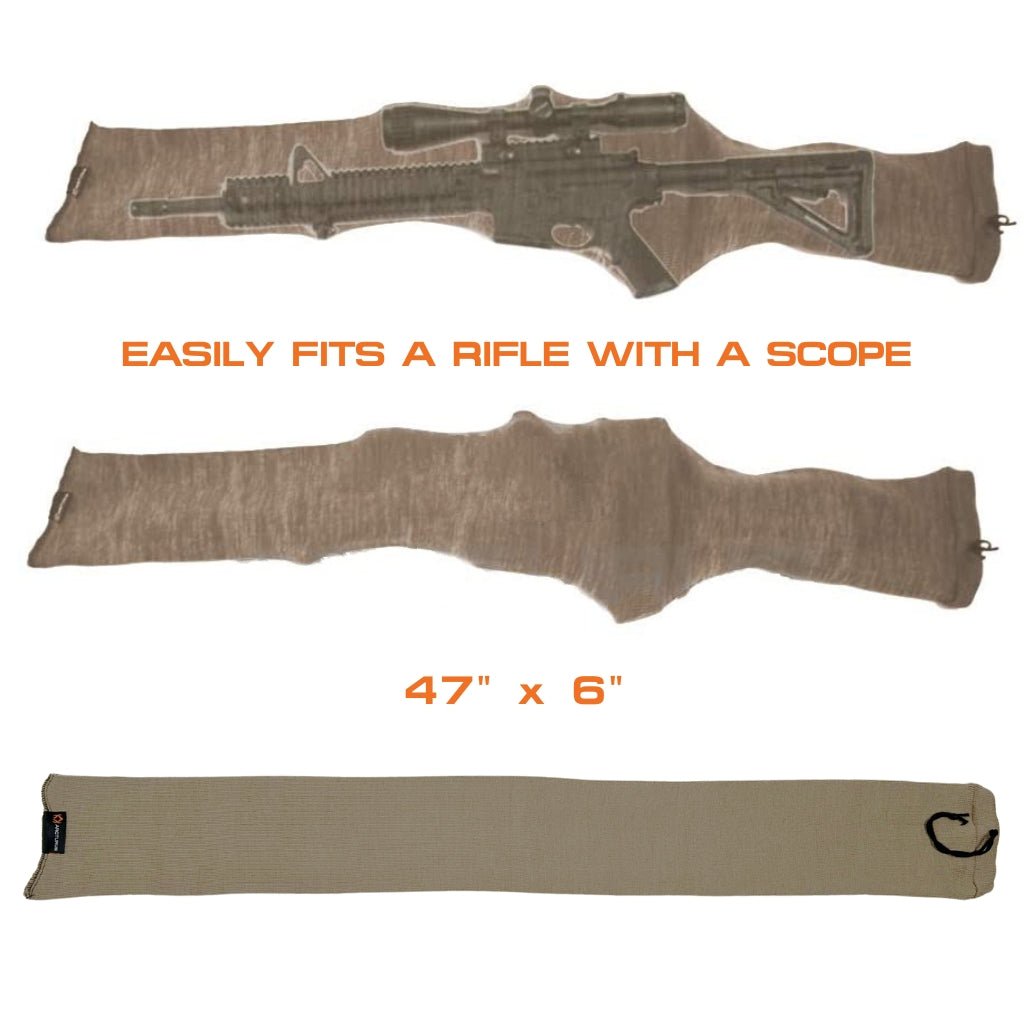
A gun sock is a long, stretchy fabric sleeve designed to fit over a firearm. Most gun socks are made from synthetic materials, such as polyester or a blend of cotton and nylon. Some are treated with chemicals that help prevent rust. Gun socks come in different sizes, shapes, and colors. You can find socks for rifles, shotguns, pistols, and even specialty firearms.
They look simple—just a tube of fabric with a drawstring or elastic closure. But their design is purposeful. A gun sock fits snugly, covering the gun completely. This protects the gun’s surface from dust, moisture, scratches, and nicks.

Exclusive Deals
Limited-time Exclusive Deals. Check current discount on Amazon.
Check Price on Amazon As an Amazon Associate I earn from qualifying purchases.Why Do Gun Owners Use Gun Socks?
Gun socks are used for several important reasons. Here are the main benefits:
- Rust Prevention: Many gun socks are treated with silicone or other rust-blocking chemicals. This helps keep moisture off the metal parts of the firearm. Rust can ruin a gun, so preventing it is critical.
- Scratch Protection: The soft fabric stops scratches and dings, especially when guns are stored together or moved around.
- Dust Shield: Gun socks keep out dust, which can build up and cause problems inside a gun’s action or barrel.
- Transport Safety: When traveling, a gun sock gives extra padding and protection, reducing the risk of bumps and scratches.
- Discreet Storage: Socks hide the shape and details of a firearm, making it less obvious to others (helpful for privacy or security).

How Gun Socks Prevent Rust
Rust is a gun owner’s enemy. It forms when moisture touches the metal parts of a firearm. Even humidity in the air can cause rust over time. Gun socks help in two ways:
- Barrier: The fabric acts as a shield, keeping moisture away from the gun’s surface.
- Chemical Treatment: Some socks are coated with silicone or other rust-preventing oils. This extra layer helps repel water.
Example: Silicone-treated Gun Socks
Silicone-treated socks are popular because they provide stronger protection. If you live in a humid area, these socks can make a big difference. For example, storing a gun in a silicone sock can cut rust risk by up to 70% compared to bare storage, according to some manufacturers.
Protecting Firearms From Scratches And Dings
When guns are stored together, they can rub against each other. Even a small bump can leave a mark. Gun socks solve this problem by wrapping each gun in soft fabric. This is especially useful for collectors who keep valuable or antique firearms.
Exclusive Deals
Limited-time Exclusive Deals. Check current discount on Amazon.
Check Price on Amazon As an Amazon Associate I earn from qualifying purchases.Real-life Example
Imagine you have three rifles in your safe. Without socks, the guns touch each other, and moving one can scratch another. With gun socks, every rifle is protected—no metal-on-metal contact.
Storing Guns Safely: Home And Travel
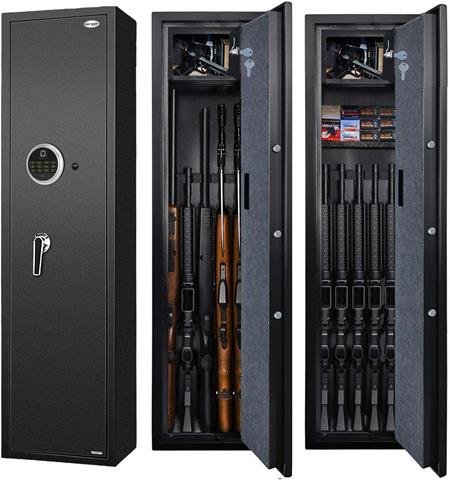
Gun socks are useful at home and on the road. At home, they keep guns clean and protected inside safes, cabinets, or closets. When traveling, a gun sock adds a layer of protection inside a case or bag.
Common Storage Situations
- Gun safes: Socks stop guns from touching and scratching each other.
- Gun cabinets: Dust and moisture are kept out.
- Closet storage: Socks help hide the shape of the gun and keep it safe.
Travel And Transport
If you’re taking guns to the range, hunting, or moving homes, gun socks are handy. They fit inside hard or soft cases, adding extra protection. Some people use socks for airplane travel, although TSA rules require guns to be in locked cases.
Exclusive Deals
Limited-time Exclusive Deals. Check current discount on Amazon.
Check Price on Amazon As an Amazon Associate I earn from qualifying purchases.Types Of Gun Socks: Sizes, Materials, And Features
Not all gun socks are the same. Here’s how they differ:
| Type | Typical Length | Material | Best For |
|---|---|---|---|
| Rifle Sock | 48–52 inches | Polyester, Silicone-treated | Long guns (rifles, shotguns) |
| Pistol Sock | 12–16 inches | Cotton blend, Silicone-treated | Handguns |
| Universal Sock | Varies (stretchy) | Nylon, Polyester | Odd-sized or specialty guns |
Some gun socks are extra wide for scoped rifles. Others are short for compact pistols. Always check the size before buying.
Gun Socks Vs. Other Storage Solutions
Gun socks are not the only way to protect guns. Here’s how they compare to other options:
| Protection Method | Rust Prevention | Scratch Prevention | Ease of Use | Cost |
|---|---|---|---|---|
| Gun Sock | Good | Excellent | Easy | Low |
| Hard Case | Excellent | Excellent | Medium | Medium–High |
| Soft Case | Fair | Good | Easy | Medium |
| Gun Safe (bare) | Fair | Poor | Easy | High |
Gun socks are inexpensive and simple. Hard cases give more physical protection but are heavier and cost more. Many gun owners use gun socks inside hard cases for extra safety.
How To Use A Gun Sock Properly
Using a gun sock is easy, but some steps help maximize protection.
- Clean the Gun First: Always wipe down your firearm before putting it in a sock. Dirt and oil trapped inside can cause problems.
- Slide the Gun In: Carefully slide the gun into the sock, making sure the fabric covers all parts.
- Close the Sock: Use the drawstring or elastic to close the end. This keeps dust and moisture out.
- Store Safely: Place the sock-covered gun in your safe, cabinet, or case.
Common Mistakes
- Storing wet guns: Never put a wet or oily gun inside a sock. This traps moisture and can cause rust.
- Using the wrong size: Socks that are too small or too big won’t protect well.
- Skipping cleaning: Dirt left on the gun can scratch or corrode the metal.
Gun Socks For Collectors And Hunters
Collectors often use gun socks for valuable or rare firearms. A scratch or rust spot can lower a gun’s value by hundreds of dollars. Hunters use socks to protect guns during transport, especially in harsh environments.
Collector Insight
Many collectors wrap each firearm in a sock before putting it in a display case. This keeps dust off and makes cleaning easier.
Hunting Example
If you hunt in rain or snow, a silicone-treated sock can keep moisture away until you return home. Some hunters even carry extra socks for field use.
Gun Socks For Law Enforcement And Military
Gun socks are not just for hobbyists. Police and military units use them to protect issued firearms during storage and transport. The socks keep weapons clean and ready for use.
Real-world Application
In some military armories, gun socks are used to prevent corrosion on rifles stored for long periods. This reduces maintenance needs and keeps weapons reliable.
Gun Socks For Gun Shops And Ranges
Gun shops use gun socks to keep inventory clean and presentable. Ranges use them for loaner guns, making sure each firearm stays scratch-free.
Shop Example
A gun shop owner wraps every rifle in a sock before putting it in the rack. This keeps fingerprints, dust, and marks off the guns.
Gun Socks In Gun Safety And Legal Compliance
While gun socks are not a lock or security device, they support safe storage. They help keep guns in good condition, reducing accidents caused by malfunctioning or dirty firearms. Some states require guns be stored “safely. ” A gun sock is not enough by itself, but it adds to overall safety.
Legal Tip
Always follow your local laws. Gun socks are great for protection, but you may still need a locked case or safe.

Choosing The Right Gun Sock
Picking the right gun sock is important. Consider these factors:
- Size: Measure your firearm. Pick a sock that matches or stretches to fit.
- Material: Silicone-treated socks are best for rust prevention. Cotton blends are softer but may not repel moisture.
- Closure: Drawstring or elastic? Both work, but drawstrings are easier for bigger guns.
- Color: Dark colors hide dirt; light colors show marks and are better for display.
- Brand Reputation: Some brands are trusted for quality and durability.
Non-obvious Insight
Some gun socks can be used for storing fishing rods or other metal tools. This can protect from rust in garages or sheds.
Caring For Gun Socks
Gun socks need some care to work well. Here’s how:
- Wash if Dirty: Most socks can be washed gently. Avoid strong detergents—they can remove the rust-blocking treatment.
- Check for Wear: Over time, socks can tear or lose stretch. Replace as needed.
- Store Dry: Always keep socks dry. Damp socks can cause problems.
Gun Socks And Moisture Control
Some gun owners use gun socks along with desiccant packs or moisture-absorbing tools in their safes. This adds more protection, especially in humid climates.
Example: Combining Protection
A silicone-treated sock plus a desiccant pack can lower rust risk to almost zero. This is smart for expensive or antique guns.
Gun Socks For Airsoft And Replica Guns
Airsoft players and collectors use gun socks for their replica guns. These guns can rust or scratch too, so socks help keep them looking new.
Gun Socks And Insurance
Insurance companies often ask for proof of safe storage. Using gun socks shows you take care of your collection, which can help with claims or lower premiums.
Popular Gun Sock Brands
Some brands are known for high-quality gun socks. Examples include:
- Allen Company: Offers a wide range of sizes and silicone-treated options.
- Bore Stores: Known for thick, padded socks.
- Hoppe’s: Trusted for rust-blocking socks.
Always check reviews and product details before buying.
Data: Gun Sock Usage Among Us Gun Owners
According to a 2022 survey, about 42% of US gun owners use gun socks or similar sleeves for at least some of their firearms. Usage is highest among collectors (68%) and hunters (55%). Regular gun owners use socks less often (27%), but the number is rising as people learn about their benefits.
Gun Socks In Extreme Conditions
Some gun socks are made for harsh environments—heat, cold, rain, or snow. If you live in Alaska or Florida, choose socks rated for your climate.
| Environment | Recommended Sock | Special Feature |
|---|---|---|
| Humid | Silicone-treated | Rust protection |
| Cold | Thick, padded | Extra insulation |
| Dusty | Tight-weave | Dust barrier |
Gun Socks And Long-term Storage
If you plan to store a gun for years, a gun sock is a smart choice. It keeps the gun clean and dry, reducing maintenance. Some collectors use socks for guns kept in vaults or attics.
Storage Tip
Check your stored guns every few months. Even with a sock, it’s wise to inspect for moisture or wear.
Gun Socks: Practical Tips
- Label Your Socks: If you have many guns, use tags or colored socks to identify each one.
- Use for Multiple Items: Gun socks can protect knives, fishing rods, and other metal tools.
- Stack Safely: Socks allow guns to be stacked or stored side-by-side without damage.
Gun Sock Limitations
Gun socks are useful but not perfect.
- Not theft-proof: They don’t lock or secure a gun.
- Not waterproof: Most socks are water-resistant, but not fully waterproof.
- May need replacement: Socks wear out after years of use.
Real-world Stories
A collector in Texas reported saving $1,500 in repairs after using gun socks for his antique rifles during a flood. A hunter in Michigan uses socks to keep his shotgun rust-free through snowy winters. Many gun owners share similar stories online.
Gun Socks And Environmental Responsibility
Some brands offer biodegradable gun socks or socks made from recycled materials. This is good for the environment and appeals to eco-conscious gun owners.
External Resource
For more technical details on gun sock materials and treatments, visit Wikipedia.
Frequently Asked Questions
What Is The Main Purpose Of A Gun Sock?
The main purpose is to protect firearms from rust, scratches, and dust during storage and transport. Gun socks are especially useful for collectors and hunters who want to keep their guns in top condition.
Are Gun Socks Enough For Legal Gun Storage?
No, gun socks are not a security device. You still need a locked safe or case to follow legal storage rules. Gun socks are a supplement, not a replacement for proper security.
Can Gun Socks Damage A Gun?
If used correctly, gun socks will not damage a gun. Problems only occur if you store a wet or dirty gun inside the sock, which can trap moisture or grit.
How Often Should I Replace A Gun Sock?
Replace a gun sock when it becomes torn, stretched, or loses its rust-blocking treatment. For most users, this means every 2–5 years depending on usage.
Do Gun Socks Work For All Types Of Guns?
Yes, gun socks come in different sizes for rifles, shotguns, and pistols. There are also universal socks for odd-shaped or specialty firearms.
Gun socks are a simple, affordable tool for protecting your firearms. Whether you’re a collector, hunter, or casual owner, using gun socks can prevent damage and extend the life of your guns. With the right sock and proper use, you can keep your firearms clean, safe, and ready for action.
If you haven’t tried gun socks yet, now is a good time to start.