A doorbell camera is no longer just a gadget for tech enthusiasts; it’s fast becoming a must-have for any home or apartment. As more people focus on security and convenience, the question often comes up: what is the best placement for a doorbell camera? The answer isn’t as simple as “put it next to your door.” Where you place your camera impacts its performance, the security it provides, and even your legal privacy rights. If you want your doorbell camera to work well, capture clear footage, and keep your home safe, it’s important to understand the right placement. In this guide, you’ll learn where to install your doorbell camera, what factors to consider, and how to avoid common mistakes. You’ll also see real examples, data, and expert tips that can make the difference between a camera that helps and one that causes problems.
Why Doorbell Camera Placement Matters
The location of your doorbell camera affects everything from security to privacy. It decides how much you see, how clear the video is, and whether you’re protected from theft or vandalism. Poor placement can lead to blind spots, unclear footage, and even false alarms. A well-placed camera acts as both a deterrent and a reliable source of evidence. Let’s look at the main reasons why placement matters:
- Field of View: A camera needs to see the entry area, not just the door. If it’s pointed wrong, you might miss packages, visitors, or suspicious activity.
- Lighting Conditions: Sun glare, shadows, and darkness can ruin footage. Placement can help avoid these issues.
- Motion Detection: If your camera faces a busy street, you’ll get too many alerts. If it’s aimed at a quiet porch, you’ll see only what matters.
- Privacy: The wrong placement might capture neighbors or public areas, leading to privacy concerns.
- Weather Protection: Exposure to rain, snow, or extreme heat can damage your camera. Placement can shield it.
The goal is to maximize security while keeping your camera safe and respecting privacy.
Exclusive Deals
Limited-time Exclusive Deals. Check current discount on Amazon.
Check Price on Amazon As an Amazon Associate I earn from qualifying purchases.Key Factors To Consider Before Installing
Before you grab a drill, think carefully about these important factors. Each one influences where your camera should go.
Height
Most experts recommend mounting a doorbell camera at 48 to 60 inches (about 4 to 5 feet) above the ground. This height is ideal because:
- Faces are captured clearly (not just the top of people’s heads).
- Packages on the ground are visible.
- It’s easy for most adults and children to use.
Lower placement can miss faces; higher placement can miss packages and make footage less useful.
Angle
The angle of your camera is just as important as the height. It should be tilted slightly downwards to capture both faces and packages. A straight angle may miss important details, while too steep an angle can cause glare from the sun or porch lights.
Exclusive Deals
Limited-time Exclusive Deals. Check current discount on Amazon.
Check Price on Amazon As an Amazon Associate I earn from qualifying purchases.Field Of View
Most modern doorbell cameras offer a wide-angle lens (often around 160–180 degrees). But you must check if the camera’s view is blocked by walls, plants, or decorations. Make sure nothing obstructs the lens.
| Placement Option | Field of View | Common Issues |
|---|---|---|
| Beside Door (Centered) | Full entry, packages, faces | May see too much street activity |
| Above Door | Faces, entry area | Can miss packages, glare from lights |
| Side Wall (Angled) | Entry path, faces | May miss packages, privacy concerns |
Distance From Door
Place the camera as close to the door as possible, ideally on the door frame or within a few inches. This makes sure you get clear images of anyone pressing the button or leaving a package.
Power Source
Check if your camera is wired or battery-powered. Wired cameras need access to existing doorbell wiring. Battery-powered models offer more flexibility but need easy access for charging.
Exclusive Deals
Limited-time Exclusive Deals. Check current discount on Amazon.
Check Price on Amazon As an Amazon Associate I earn from qualifying purchases.Weather Exposure
Your camera should be protected from rain, snow, and direct sunlight. If you live in an area with harsh weather, consider placing the camera under a porch roof or using a weather shield.
Local Laws And Privacy
Some areas have laws about recording public spaces or neighbors. Avoid pointing the camera at areas outside your property. Always check local regulations before installing.
Best Placement Options Explained
There are several common places to install a doorbell camera, each with its pros and cons. Let’s explore them with specific examples and data.
1. Door Frame (next To Door Handle)
This is the most popular and recommended position for most homes. The camera sits on the side of the door, usually next to the handle or lock.
Advantages:
- Direct view of visitors’ faces
- Captures packages left on the doorstep
- Easy for guests to see and press
Disadvantages:
- May be blocked by decorations or plants
- Can be vulnerable to tampering
2. Above The Door
Some homeowners place the camera above the door, centered over the entry. This works well in homes with narrow frames or glass doors.
Advantages:
- Wider view of entry area
- Harder to reach or tamper with
- Protected from rain (if under porch)
Disadvantages:
- May miss packages on ground
- Faces might be harder to capture
3. Side Wall (angled)
If your front door is recessed or has a side wall, placing the camera at an angle can help cover the whole entryway.
Advantages:
- Covers pathway and porch
- Can reduce false alerts from street
Disadvantages:
- Faces may be at an angle
- Privacy concerns if pointed toward neighbors
4. Porch Post Or Column
For homes with large porches, mounting the camera on a post or column can provide a clear view of visitors approaching.
Advantages:
- Captures movement before visitors reach the door
- See packages left away from the door
Disadvantages:
- May be too far for clear facial recognition
- May miss people who walk directly to the door
5. Gate Or Fence Entry
In some cases, placing a camera at the property gate or fence entry is helpful for early detection.
Advantages:
- Alerts before visitors reach the house
- Useful for large properties
Disadvantages:
- Far from the doorbell button
- May violate privacy rules
Comparing Placement Options
Here’s a side-by-side look at how each placement performs on important factors:
| Placement | Face Recognition | Package Visibility | Weather Protection | Tamper Risk |
|---|---|---|---|---|
| Door Frame | Excellent | Good | Fair | Medium |
| Above Door | Good | Poor | Excellent | Low |
| Side Wall | Fair | Fair | Good | Medium |
| Porch Post | Poor | Excellent | Good | High |
| Gate/Fence | Poor | Poor | Good | High |
Practical Tips For Perfect Placement
It’s easy to make mistakes when installing a doorbell camera. Here are practical tips to help you get the best results:
- Test the View Before Installing: Use your phone or a temporary mount to see what the camera will capture before you drill holes.
- Avoid Sun Glare: Install your camera facing north or south if possible. East and west placements can suffer from sun glare.
- Keep Away from Obstructions: Make sure plants, decorations, or signs don’t block the camera.
- Protect Against Weather: If your camera isn’t waterproof, use a weather cover or install under a porch roof.
- Check Wi-Fi Signal: Test your Wi-Fi strength at the camera’s location. Poor signal can cause lag or missed footage.
- Respect Privacy: Angle the camera so it doesn’t record neighboring properties or public sidewalks.
- Use Security Screws: To prevent theft, use tamper-resistant screws provided by most brands.
- Consider Lighting: If your porch is dark, use motion-activated lights to improve video quality.
Non-obvious Insights
Many beginners miss these important points:
- Night Vision is Limited: Most doorbell cameras have night vision, but placement affects its effectiveness. If the camera faces direct light, night vision may fail. Use soft porch lights to help.
- Audio Quality Depends on Placement: If your camera is too far from the door, two-way audio becomes useless. Place it where voices are clear.
- Doorbell Button Accessibility: Don’t forget that visitors need to reach the button easily. Avoid placements that require awkward stretching or searching.
Real-world Examples And Data
Doorbell cameras are used in millions of homes in the US. According to a 2022 study by Statista, over 35% of US households with internet access have a smart doorbell camera. Most users report higher satisfaction when the camera is installed next to the door handle, at about 4.5 feet height.
A recent survey by Consumer Reports found that:
- 74% of users prefer a placement that captures both faces and packages.
- 12% installed cameras above the door, but only 51% were happy with package visibility.
- 21% had issues with glare or false alerts due to poor placement.
These numbers show that careful placement makes a big difference.

Installation Steps
If you’re ready to install your doorbell camera, follow these steps for best results:
- Choose the Location: Decide between door frame, above door, or side wall based on your home’s design.
- Check Power Source: If wired, turn off power and check compatibility. If battery-powered, fully charge the unit.
- Mark Drill Holes: Hold the camera where you want it, mark holes with a pencil.
- Drill and Mount: Use the correct drill bit for your wall type. Secure the camera with screws.
- Connect Wiring: For wired models, connect to existing doorbell wiring. For wireless, follow manufacturer instructions.
- Test Camera: Use the app to check the field of view, audio quality, and motion alerts.
- Adjust Settings: Change motion sensitivity, video quality, and notification preferences as needed.
- Finish Setup: Secure wires, install weather covers if needed, and finalize app setup.
Mistakes To Avoid
Even with the best intentions, people make these common mistakes:
- Too High/Too Low Placement: Avoid mounting above 5 feet or below 4 feet unless necessary.
- Facing Busy Streets: This causes too many false alerts.
- Ignoring Wi-Fi Signal: Many cameras fail due to weak signal.
- Poor Weather Protection: Rain or snow can ruin non-waterproof models.
- Blocking the Lens: Plants or decorations can ruin your footage.
- Recording Public Spaces: This can cause legal trouble.

Choosing The Right Doorbell Camera For Placement
Placement isn’t just about location; it’s also about the camera’s features. Here’s a quick comparison of common camera types for different placements:
| Camera Type | Best Placement | Motion Detection | Weather Resistance | Power Source |
|---|---|---|---|---|
| Wired Doorbell Camera | Door Frame, Above Door | Excellent | Good | Existing Doorbell Wiring |
| Battery-Powered Camera | Porch Post, Side Wall | Good | Fair | Rechargeable Battery |
| Smart Camera with Wide-Angle Lens | Door Frame, Side Wall | Excellent | Excellent | Wired or Battery |
When choosing a camera, think about:
- Lens Angle: Wide-angle covers more, but can include unwanted areas.
- Weatherproofing: If your placement is exposed, pick a model rated for rain and snow.
- Motion Detection Zones: Some cameras let you customize zones, which helps avoid false alerts.
- Audio Quality: For placements farther from the door, pick a camera with sensitive microphones.
For detailed information on popular models and their placement recommendations, visit Consumer Reports.
Advanced Placement Tips For Unique Entryways
Not all homes are the same. If your entryway is unusual, use these advanced tips:
Apartments And Condos
- Mount the camera inside your apartment door if outside installation isn’t allowed.
- Use wireless models with adhesive mounts.
- Respect hallway privacy—never record neighbors.
Dual Doors Or Double Entry
- Place the camera at the center between both doors.
- Use two cameras if needed, one for each entrance.
Narrow Or Glass Doors
- Above-door placement works best.
- Use privacy settings to block areas you don’t want recorded.
Large Porches
- Place the camera where packages are usually left.
- Consider a second camera for full coverage.
Maintenance And Aftercare
A well-placed camera still needs regular care:
- Clean the Lens: Dust and dirt can block the view.
- Check for Obstructions: Plants grow; decorations change.
- Update Firmware: Security updates keep your camera safe.
- Recharge Batteries: For wireless models, recharge every 3–6 months.
Frequently Asked Questions
What Is The Ideal Height For A Doorbell Camera?
The recommended height is 48 to 60 inches (4 to 5 feet) above the ground. This captures faces and packages clearly and is accessible for most people.
Can I Install A Doorbell Camera Above My Door?
Yes, you can. Above-door placement is good for wide entryways and protection from weather, but it may miss packages left on the ground.
How Do I Avoid False Motion Alerts?
Aim your camera away from busy streets and sidewalks. Use motion detection zones if your camera supports them. Avoid placing the camera where moving branches or decorations trigger alerts.
Is It Legal To Record Video Outside My Home?
Laws vary by location. Generally, it’s legal to record your property, but avoid capturing neighbors’ homes or public spaces. Check local rules before installing.
What Should I Do If My Wi-fi Signal Is Weak At The Door?
Try a Wi-Fi extender or mesh system to boost signal strength. Place your router closer to the entryway if possible. Poor signal can cause missed footage or slow alerts.
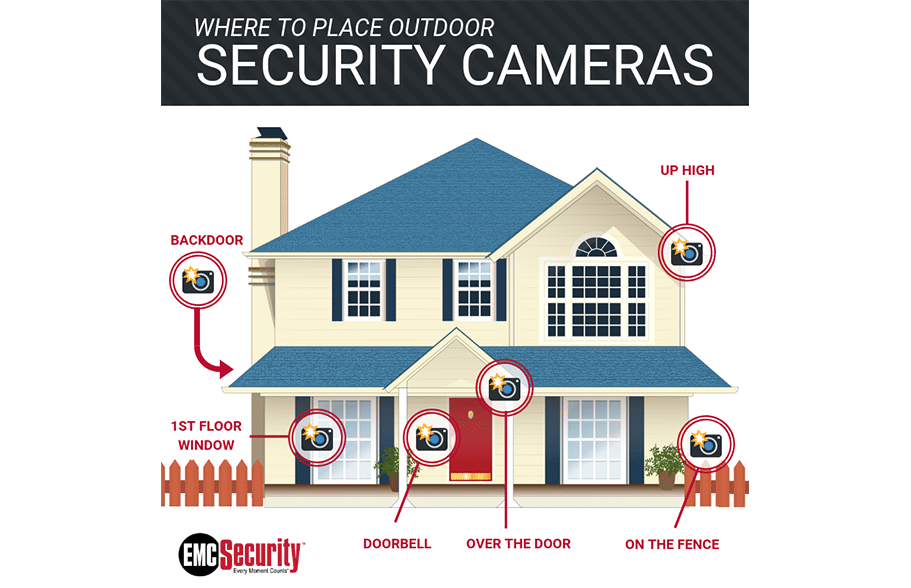
Final Thoughts
The best placement for a doorbell camera depends on your home’s design, your needs, and the camera’s features. By considering height, angle, field of view, and privacy, you can make sure your camera works well and protects your home. Always test before installing, avoid common mistakes, and choose a camera that fits your entryway. With careful planning, your doorbell camera will be a valuable tool for safety and peace of mind.