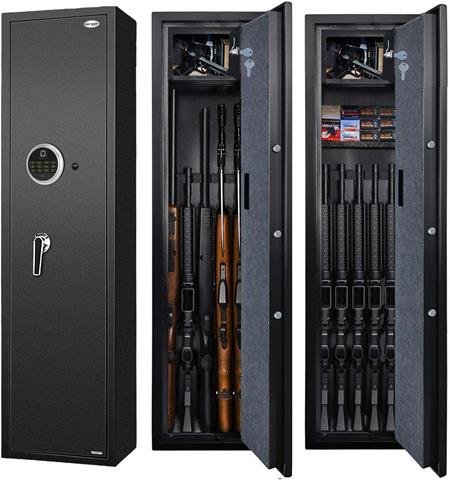
Gun owners often look for simple ways to protect their handguns. Scratches, rust, and dust can turn a beautiful firearm into a damaged tool. Some people use hard cases or padded bags, but these solutions can be bulky or expensive.

Exclusive Deals
Limited-time Exclusive Deals. Check current discount on Amazon.
Check Price on Amazon As an Amazon Associate I earn from qualifying purchases.One option that stands out for its simplicity is the gun sock. But do gun socks work for handguns? This article dives deep into their effectiveness, compares them with other storage solutions, and helps you decide if a gun sock is right for your handgun.
What Is A Gun Sock?
A gun sock is a long, stretchy sleeve made from fabric, usually polyester or cotton, often treated with silicone. The sock slides over a firearm, covering it completely. Most gun socks are designed for rifles and shotguns, but there are models for handguns too. The sock is lightweight, flexible, and easy to store. Its main purpose is to protect against scratches, dust, moisture, and sometimes rust.
Gun socks for handguns are shorter and wider than those for rifles. They fit revolvers, semi-automatic pistols, and even some subcompact models. Some socks come with drawstrings, while others use elastic ends to keep the gun secure.
Why Use A Gun Sock For A Handgun?
Handguns are often stored in safes, drawers, or bags. Every storage method has strengths and weaknesses. Gun socks offer several advantages:
Exclusive Deals
Limited-time Exclusive Deals. Check current discount on Amazon.
Check Price on Amazon As an Amazon Associate I earn from qualifying purchases.- Scratch protection: The fabric acts as a barrier, preventing metal from rubbing against hard surfaces.
- Rust prevention: Silicone-treated socks create a moisture barrier, lowering the risk of corrosion.
- Dust control: Socks keep dust and dirt away from delicate parts.
- Easy storage: Socks save space and make it simple to organize multiple handguns.
- Quick access: Removing a sock is faster than opening a hard case, especially for frequent use.
Gun socks are not expensive. Most cost between $5 and $15. Their low price means you can buy several for your collection.

How Do Gun Socks Protect Against Rust?
Rust is a common problem for gun owners. Moisture causes metal parts to corrode. Even a tiny amount of sweat or humidity can start the process. Gun socks help in two ways:
- Silicone treatment: Many gun socks are coated with silicone, which repels water. This makes it harder for moisture to reach the gun’s surface.
- Barrier effect: The sock acts as a shield. It keeps air and dust away from the metal.
However, gun socks are not airtight. They slow down moisture, but they cannot stop it completely. If you live in a humid area, a gun sock alone may not be enough. Some owners pair socks with dehumidifiers or silica gel packs inside their safe.
Comparing Gun Socks To Other Handgun Storage Methods
To understand if gun socks work, compare them to other storage options. Here are three common alternatives:
- Hard gun cases: These cases use foam padding and strong plastic or metal. They offer excellent protection against impact and moisture but take up more space.
- Soft gun pouches: Pouches are padded and zippered. They protect against scratches and dust but may not stop rust as well as silicone socks.
- Gun safes: Safes offer strong security and can include humidity control. However, guns can still touch each other or metal shelves inside the safe, causing scratches.
Here’s a comparison:
Exclusive Deals
Limited-time Exclusive Deals. Check current discount on Amazon.
Check Price on Amazon As an Amazon Associate I earn from qualifying purchases.| Storage Method | Scratch Protection | Rust Prevention | Ease of Access | Cost |
|---|---|---|---|---|
| Gun Sock | Good | Moderate (if silicone-treated) | Easy | Low |
| Hard Case | Excellent | Good (with seals) | Slow | Medium to High |
| Soft Pouch | Good | Low | Easy | Medium |
| Gun Safe | Variable | High (with dehumidifier) | Variable | High |
Gun socks are not the best for every situation. They are excellent for protecting against scratches and moderate rust, but they do not offer the security or impact protection of hard cases or safes.
Do Gun Socks Work For All Types Of Handguns?
Most gun socks are made to fit a wide range of handguns. However, not all socks fit every gun perfectly. Here are some common handgun types and how they fit into gun socks:
- Full-size pistols: These usually fit well, as most socks are made for larger guns.
- Compact and subcompact pistols: Some socks may be too loose or too long. Look for socks designed for small guns.
- Revolvers: The shape of a revolver can make it harder to slide into a sock. Some brands make socks for revolvers with wider barrels.
- Custom or competition handguns: Guns with large sights or attachments may not fit standard socks.
Before buying a gun sock, check the size and shape. Some manufacturers list the models their socks fit. If your handgun has a red dot sight or extended magazine, you may need a bigger sock.
Gun Socks And Handgun Safety
Gun socks are not a safety device. They do not lock or secure the gun. If you have children or guests in your home, never rely on a gun sock for safety. Always store your handgun in a locked safe or cabinet when not in use.
Some gun socks come in bright colors, making them easy to spot. Others are gray or black to blend in. Choose a color that suits your needs. A visible sock can help you check that your guns are covered, but a dark sock is less noticeable if you want privacy.
Gun Socks And Long-term Storage
If you plan to store your handgun for weeks or months, a gun sock can help prevent dust and scratches. However, for long-term storage, take extra steps:
- Clean and oil your gun: Before storing, remove fingerprints and moisture.
- Use a silicone-treated sock: This adds a layer of rust protection.
- Store in a climate-controlled area: Avoid basements or garages with high humidity.
- Add silica gel packs: These absorb moisture inside your safe or drawer.
Some collectors wrap guns in gun socks before placing them in a safe. This protects each gun from touching others and keeps the safe organized.
Real-world Examples: Gun Socks For Handguns
Gun owners share mixed experiences with gun socks. Here are some stories:
- John, Texas: He stores his collection of pistols in gun socks inside a safe. After five years, none show signs of rust or scratches. He uses silicone-treated socks and checks each gun every six months.
- Lisa, Florida: Her safe is in a humid basement. She used gun socks, but found rust on her revolver after a year. Now she uses silica gel packs and wipes her guns monthly.
- Mike, California: He keeps a handgun in a gun sock in his car. The sock prevents dust but does not stop temperature changes. He recommends using a sock only for short-term car storage.
These stories show gun socks can work well, but results depend on your climate, gun maintenance, and storage habits.

How To Choose The Best Gun Sock For Your Handgun
Not all gun socks are created equal. Here’s how to select the right one:
- Material: Choose silicone-treated polyester for better rust protection.
- Size: Pick a sock that matches your handgun’s length and width.
- Closure: Look for socks with elastic ends or drawstrings.
- Brand reputation: Research brands with good reviews and proven performance.
- Price: More expensive socks may last longer, but budget socks can work too.
Some gun owners make mistakes when buying gun socks. Here are two non-obvious insights:
- Don’t buy rifle socks for handguns: Rifle socks are longer and can bunch up. This makes them harder to use and can trap moisture.
- Check for lint: Some cheap socks shed lint, which can get into gun parts. Always inspect a new sock before use.
Gun Sock Care And Maintenance
Gun socks need care to work well. Here’s how to keep your sock in top shape:
- Wash occasionally: Hand wash with mild soap. Avoid strong detergents that remove silicone.
- Dry completely: Air dry the sock before putting it back on your gun. Wet socks can cause rust.
- Inspect for wear: Replace socks with holes or thin spots. Damaged socks lose their protective power.
If you use gun oil, let it dry before covering your gun with a sock. Wet oil can soak into the fabric and reduce its effectiveness.
Gun Socks In Combination With Other Storage Solutions
Many gun owners use gun socks with other methods:
- Inside a safe: Socks stop guns from touching each other, preventing scratches.
- In a hard case: A sock adds a layer of protection against dust and moisture.
- With silica gel packs: Using both can greatly reduce rust.
Here’s a comparison of protection methods:
| Protection Combination | Scratch Resistance | Rust Control | Overall Protection |
|---|---|---|---|
| Gun Sock Only | Moderate | Moderate | Moderate |
| Gun Sock + Safe | High | High (with dehumidifier) | High |
| Gun Sock + Hard Case | High | Good | High |
| Gun Sock + Silica Gel | Moderate | High | High |
Gun socks are best used as part of a complete storage system, not as the only method.
Are There Downsides To Using Gun Socks?
Gun socks are not perfect. Here are some issues:
- Not waterproof: Socks are not airtight. In very wet conditions, moisture can get through.
- No impact protection: If dropped, a sock will not protect your gun from dents.
- Possible lint: Cheap socks can shed fibers, which may clog gun parts.
- Limited security: Socks do not lock or secure your gun.
Some gun socks fade or lose silicone treatment over time. This reduces their effectiveness. If you notice fading or feel the sock is dry, replace it.
Gun Sock Myths And Misunderstandings
Some myths surround gun socks:
- Myth: Gun socks prevent all rust.
- Reality: They slow rust but cannot stop it completely in humid conditions.
- Myth: Gun socks are only for rifles.
- Reality: Many socks are made for handguns and work well if sized correctly.
- Myth: You never need to clean your gun if you use a sock.
- Reality: Regular cleaning is always required.
Gun socks are a tool, not a magic solution. Use them wisely, with proper gun care.
Practical Tips For Using Gun Socks
To get the most from your gun sock:
- Clean your gun before storage.
- Choose the right size.
- Store guns in a cool, dry place.
- Inspect socks for wear every six months.
- Pair socks with silica gel packs if you live in a humid area.
One insight many beginners miss: gun socks can help organize your safe. By covering each gun, you avoid metal-to-metal contact and make it easier to pull out a single firearm without disturbing others.
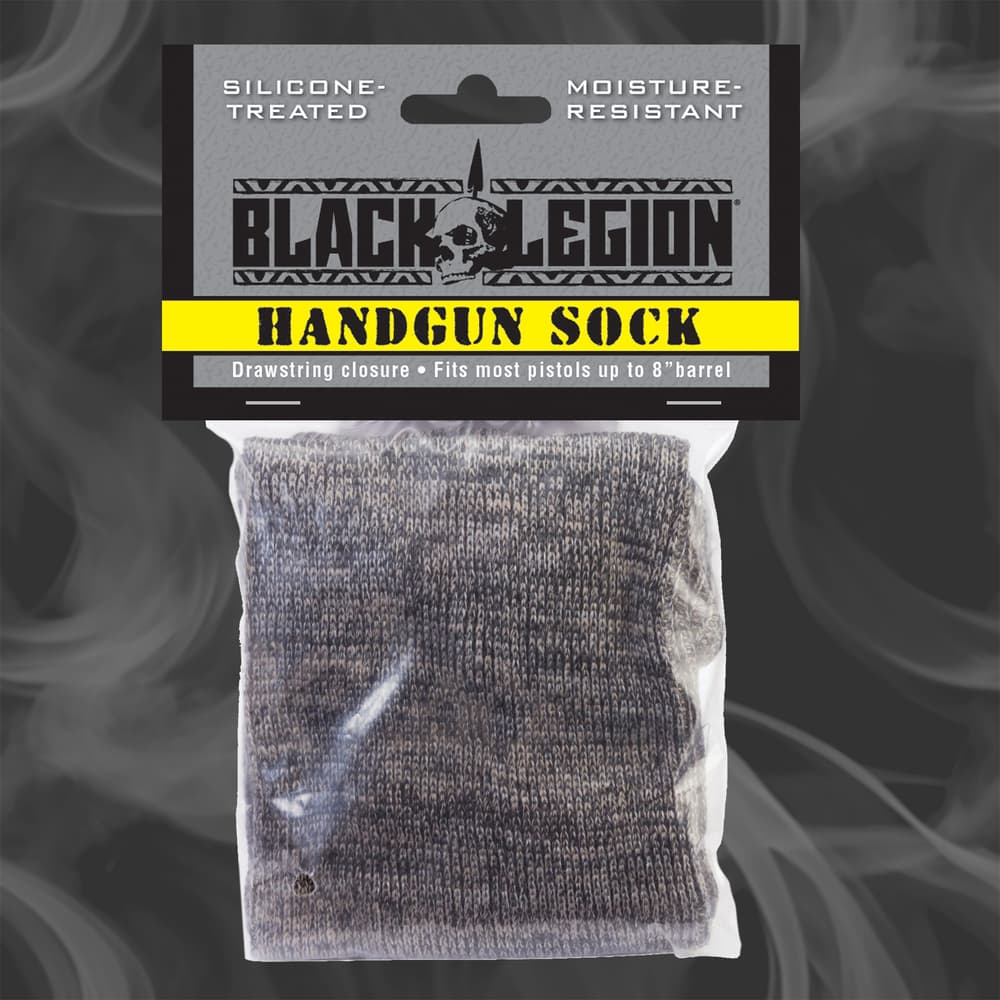
Data: Gun Sock Performance Over Time
Studies show silicone-treated socks reduce rust by up to 40% compared to bare metal stored in similar conditions. In a test by a leading gun sock brand, handguns covered with socks showed less rust and fewer scratches after six months in a high-humidity chamber.
Here’s a summary:
| Test Group | Rust Spots After 6 Months | Scratch Damage |
|---|---|---|
| Gun Sock (Silicone) | 3% | Minor |
| Bare Metal | 18% | Moderate |
| Padded Pouch | 12% | Minor |
This data shows gun socks work well, especially for short-term and moderate humidity storage.
Gun Socks And Legal Considerations
Gun socks do not meet legal requirements for secure storage in many states. If your area requires locked storage for firearms, a sock is not enough. Always check local laws before deciding how to store your handgun.
Should You Use A Gun Sock For Your Handgun?
If you want simple, affordable protection against scratches, dust, and light moisture, gun socks are a good choice. They work best for guns stored in safes or drawers, and for owners who clean their guns regularly. For high-security or very humid environments, combine gun socks with other methods.
One thing many gun owners miss: gun socks make it easier to store multiple handguns together. By reducing the chance of metal-on-metal contact, you protect your collection from accidental damage.
If you value quick access and easy organization, a gun sock is worth considering. But remember, it is not a substitute for proper cleaning, humidity control, or secure storage.
Frequently Asked Questions
Are Gun Socks Safe For All Handgun Finishes?
Yes, gun socks are safe for most finishes, including stainless steel, blued, and polymer frames. However, some cheap socks may shed lint or leave marks. Always check the sock material and inspect it before using.
How Often Should I Clean My Handgun If I Use A Gun Sock?
Gun socks slow dust and rust, but regular cleaning is still important. Clean your handgun at least every three months, or more often if you live in a humid area or use the gun frequently.
Can Gun Socks Be Used For Handguns With Optics Or Attachments?
Yes, but choose a sock with extra width or length. Some socks are made for handguns with red dot sights, lasers, or extended magazines. Check product specs before buying.
Do Gun Socks Eliminate The Need For A Dehumidifier In My Safe?
No, gun socks help reduce moisture, but they do not replace a dehumidifier. For best protection, use both a gun sock and a dehumidifier or silica gel packs.
Where Can I Find Reliable Information About Gun Socks?
For detailed reviews and performance data, visit Wikipedia or check trusted firearm forums and manufacturer websites.
Gun socks are a simple, effective tool for handgun owners. They protect against scratches, dust, and moderate moisture, making them a smart addition to any gun storage plan. Combine them with proper cleaning and secure storage for best results. If you want easy organization and quick access, a gun sock is worth trying.