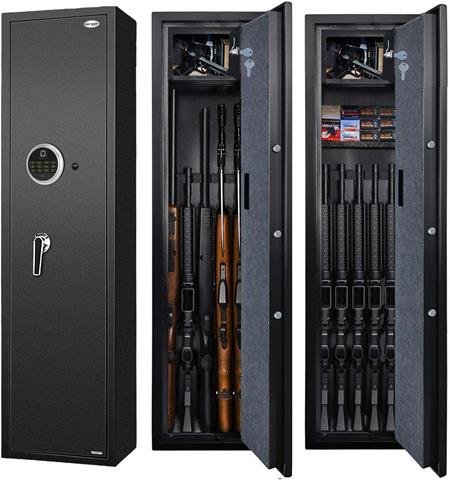
Gun owners often look for ways to protect their firearms from scratches, moisture, and dust. One accessory that has become popular is the gun sock. These are fabric sleeves designed to cover guns when they’re stored or transported. But a question many people ask is: Are gun socks breathable? This article explores the breathability of gun socks, why it matters, how different materials affect performance, and what buyers should really know before choosing one. You’ll find practical advice, data comparisons, and answers to common questions. If you’re considering a gun sock, or already have one, you’ll understand its strengths—and its limits—by the end.

Exclusive Deals
Limited-time Exclusive Deals. Check current discount on Amazon.
Check Price on Amazon As an Amazon Associate I earn from qualifying purchases.What Is A Gun Sock?
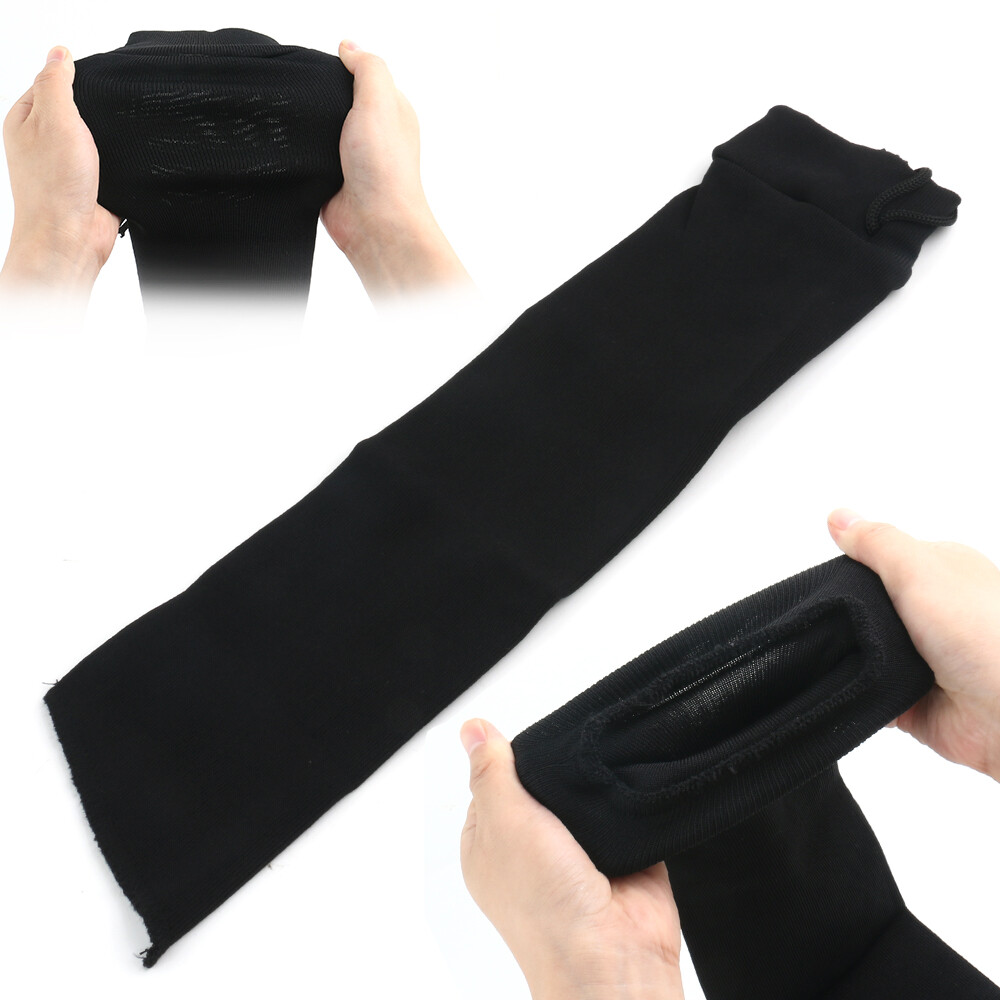
A gun sock is a long, tubular sleeve made from soft fabric. It’s designed to slide over a rifle, shotgun, or handgun and protect it from external elements. Gun socks are often made with a blend of synthetic fibers, such as polyester or spandex, sometimes combined with natural fibers like cotton. The fabric is usually stretchy, so it fits snugly around the gun.
The main goals of a gun sock are:
- Preventing scratches and minor dents
- Protecting from dust and light debris
- Offering some resistance to moisture
Gun socks are lightweight and easy to use. They’re not meant to replace hard cases, but to add another layer of protection—especially inside gun safes, cabinets, or during travel.
Why Breathability Matters
When storing firearms, breathability is important for several reasons:
Exclusive Deals
Limited-time Exclusive Deals. Check current discount on Amazon.
Check Price on Amazon As an Amazon Associate I earn from qualifying purchases.- Moisture control: Guns are made of metal, which can rust if exposed to moisture for long periods. Breathable fabric lets air circulate, helping moisture escape.
- Mold and mildew prevention: Trapped moisture can cause mold or mildew, especially on wooden gun stocks or grips.
- Odor control: Airflow prevents musty smells that can develop in closed storage.
If a gun sock is not breathable, it can trap humidity around the firearm. That might lead to corrosion, especially if the gun was handled with sweaty hands or exposed to rain before storage.
Types Of Gun Sock Materials
The material used in a gun sock affects its breathability. Here are the most common options:
- Cotton: Natural fiber with good breathability. Cotton lets air flow but may absorb moisture, which can be risky if not dried properly.
- Polyester: Synthetic, less breathable than cotton, but resists moisture and dries quickly.
- Spandex blends: Adds stretch to polyester or cotton, but doesn’t affect breathability much.
- Silicone-treated fabrics: Some gun socks are treated with silicone to repel moisture. This coating can reduce breathability, but helps prevent rust.
Let’s compare common materials and their breathability:
| Material | Breathability | Moisture Resistance | Common Use |
|---|---|---|---|
| Cotton | High | Low | Traditional gun socks |
| Polyester | Moderate | High | Modern gun socks |
| Polyester/Spandex | Moderate | High | Stretch-fit gun socks |
| Silicone-treated | Low | Very High | Moisture barrier gun socks |
Key insight: Many gun socks use polyester blends for durability and moisture resistance. This means they are not as breathable as pure cotton socks, but they offer better protection from rust.
How Breathable Are Gun Socks?
Most gun socks are moderately breathable. They allow some air to flow through the fabric, but not as much as open storage or pure cotton wraps. This is because manufacturers want to balance protection and airflow.
Exclusive Deals
Limited-time Exclusive Deals. Check current discount on Amazon.
Check Price on Amazon As an Amazon Associate I earn from qualifying purchases.- Cotton gun socks are the most breathable, letting air pass freely.
- Polyester or silicone-treated socks are less breathable, but they create a barrier against moisture.
A study by the National Shooting Sports Foundation found that silicone-treated socks can reduce air exchange by up to 40% compared to untreated cotton socks. However, this also means they keep humidity away from the gun’s surface.
Beginners often miss: Breathability is not just about the fabric—it’s also about how tightly the sock fits. If the gun sock is too tight, airflow is restricted even more. A slightly loose sock can improve air circulation.
Do Gun Socks Prevent Rust?
Gun socks are good at preventing scratches and dust, but their ability to prevent rust depends on their breathability and moisture resistance. Rust forms when metal is exposed to moisture and air. A breathable sock lets moisture escape, but if the fabric absorbs water, it can hold it against the gun.
Silicone-treated socks are popular because they repel water. In a test by Gun Digest, guns stored in silicone-treated socks showed 30% less rust after one year compared to guns in cotton socks. But this comes at the cost of lower breathability.
Here’s a practical comparison:
| Gun Sock Type | Rust Prevention | Breathability | Best Use |
|---|---|---|---|
| Cotton | Fair | Excellent | Dry climates |
| Polyester | Good | Moderate | General use |
| Silicone-treated | Excellent | Poor | Humid environments |
Non-obvious insight: Even the best gun sock can’t stop rust if the gun is stored wet. Always dry your firearm before sliding on a sock.
Airflow Vs. Moisture Barrier: What’s More Important?
Some buyers think higher breathability is always better. But with guns, you need to balance airflow and moisture barrier.
- If you live in a dry climate, a breathable cotton sock works well.
- In humid places, a silicone-treated sock is safer, even though it’s less breathable.
Gun socks are not airtight. Even silicone-treated socks let some air through. But they slow down air exchange, which keeps moisture outside. If you open your safe often, or your guns are handled frequently, choose a sock that matches your climate.
Mistake to avoid: Using a non-breathable gun sock after cleaning the gun with oil. The trapped oil fumes can cause sticky residue or damage wood over time.

Gun Socks Vs. Other Storage Options
Gun socks are just one way to protect firearms. Here’s how they compare to other storage methods:
Hard Cases
Hard cases are made of plastic or metal, with foam inside. They offer strong protection from impacts, but usually have poor airflow unless opened often.
Soft Cases
Soft cases are made of fabric, often padded. They’re more breathable than hard cases, but less than gun socks.
Gun Safes
Gun safes are secure, but can trap moisture inside. Many owners use gun socks inside safes to protect from scratches.
Gun Socks
Gun socks are lightweight and easy to use. They offer moderate breathability, and can be combined with dehumidifiers or silica gel packs for extra moisture control.
Here’s a side-by-side comparison:
| Storage Option | Protection | Breathability | Moisture Control | Portability |
|---|---|---|---|---|
| Gun Sock | Good | Moderate | Moderate | Excellent |
| Hard Case | Excellent | Poor | Low | Good |
| Soft Case | Fair | Good | Moderate | Excellent |
| Gun Safe | Excellent | Poor | Needs extra help | Low |
How To Use Gun Socks For Maximum Protection
Gun socks work best when used with proper storage practices. Here’s how to get the most from your gun sock:
- Clean your firearm before storage. Remove fingerprints, dirt, and moisture.
- Dry the gun completely. Never put a damp gun into a sock.
- Choose the right size. A sock that’s too tight restricts airflow; too loose may let dust in.
- Use silica gel packs in your safe or cabinet for extra moisture control.
- Check your gun regularly. Look for signs of rust or mold, especially in humid climates.
- Wash gun socks occasionally. Dust and oil can build up in the fabric.
Expert tip: Some silicone-treated socks can leave residue on gun finishes over time. If you have a collectible firearm, test the sock on a small area first.
Real-world Examples
Let’s look at some real-world situations:
- Hunter in Texas: Uses silicone-treated gun socks because humidity is high. Has not seen rust in five years, but notes that socks can feel damp after a rainy hunt. Always dries guns first.
- Collector in Arizona: Prefers cotton socks for old rifles. The climate is dry, so breathability is more important than moisture resistance. Checks guns monthly—no rust or mold.
- Competitive shooter in Florida: Uses polyester socks with spandex. Finds them easy to slide on and off, but adds silica gel packs in the safe for extra safety.
Insight: Many gun owners combine gun socks with other moisture control solutions. The sock is just one layer of protection.
How Gun Socks Are Tested
Manufacturers test gun socks for:
- Air permeability: Measured in cubic feet per minute (CFM). Cotton socks often test at 15–20 CFM, while silicone socks are lower, around 8–10 CFM.
- Moisture resistance: Evaluated by spraying water and measuring absorption.
- Durability: Stretch and abrasion tests.
Some brands publish these figures, but many do not. If you want high breathability, look for socks that advertise air permeability.
The Buyer’s Guide: Choosing The Right Gun Sock
When buying a gun sock, consider these factors:
- Material: Cotton for breathability, silicone-treated for moisture resistance.
- Size: Get a sock that fits your firearm type (rifle, shotgun, handgun).
- Climate: Choose based on humidity where you live.
- Use case: For long-term storage, moisture barrier may be more important. For frequent handling, breathability matters more.
- Brand reputation: Some brands test their socks for breathability and moisture control.
Common mistake: Choosing the cheapest sock without checking material. Low-quality socks can trap moisture or leave lint on guns.
For more information on gun storage, visit the National Shooting Sports Foundation.
Gun Sock Maintenance And Lifespan
Gun socks last 2–5 years with regular use. Washing them every few months helps remove oil and dirt. Don’t use fabric softener—it can reduce breathability and leave residue.
Replace gun socks if:
- The fabric becomes thin or torn
- Elastic loses stretch
- There’s visible mold or mildew
Non-obvious insight: If you store guns in a safe with high humidity, change socks more often. The fabric can absorb moisture over time.

How Breathability Affects Different Firearms
Not all guns are affected the same way by breathability:
- Wood stocks: Need higher breathability to prevent mold.
- Blued steel: Prone to rust, needs moisture resistance.
- Stainless steel: Less risk from moisture, so breathability is less important.
If you own rare or collectible guns, prioritize breathability to avoid chemical reactions or mold.
Is There A “best” Gun Sock?
There’s no single best gun sock. What matters is matching the sock to your needs:
- Cotton: Best for dry climates, wood stocks, collectors.
- Polyester: Good all-rounder, easy to clean.
- Silicone-treated: Best for humid climates, long-term storage.
If you’re unsure, start with a polyester sock and add moisture control packs in your safe.
Frequently Asked Questions
Are Gun Socks Waterproof?
No, most gun socks are not waterproof. They are water-resistant, especially silicone-treated socks, but water can still pass through if submerged or exposed to heavy moisture.
Can Gun Socks Cause Rust?
If you store a damp gun in a sock, especially a cotton one, the fabric can hold moisture against the metal and increase the risk of rust. Always dry guns fully before using a sock.
Should I Use Gun Socks Inside A Gun Safe?
Yes, using gun socks inside a gun safe is a good idea. They protect from scratches and dust, but add silica gel packs or dehumidifiers for better moisture control.
How Often Should I Wash Gun Socks?
Wash gun socks every 3–6 months, or sooner if you notice oil buildup or smells. Use mild detergent and air dry for best results.
Are Silicone-treated Gun Socks Safe For All Finishes?
Most are safe for modern gun finishes, but can leave residue on some older or collectible guns. Test on a small area before long-term use.
Final Thoughts
Gun socks are a simple, effective way to protect firearms from scratches, dust, and some moisture. Their breathability depends on material, fit, and treatment. Cotton socks offer high airflow but less moisture resistance; silicone-treated socks give better rust prevention but lower breathability. The right choice depends on your climate, gun type, and storage habits.
Remember, no gun sock is perfect. Always clean and dry your firearm before storing. Combine gun socks with other moisture control solutions for the best results. By understanding how breathability works, you’ll keep your guns in better shape for years to come.