Can Gun Socks Be Used In Humid Climates
Protecting firearms from rust and corrosion is a challenge for many gun owners, especially those who live in humid areas. Humidity brings moisture, and moisture is the enemy of steel and other metal parts. Gun socks are a popular, affordable solution for protecting firearms during storage or transport.
But can gun socks really keep your guns safe in a humid climate? This is a question that goes beyond simple marketing claims. Let’s dive deep into how gun socks work, what they can (and cannot) do in humid environments, and how to get the best results if you live where the air is thick and damp.
What Are Gun Socks?
A gun sock is a soft, stretchy sleeve usually made from knit fabric. It slides over a rifle, shotgun, or handgun to protect the gun from scratches, dust, and sometimes moisture. Most gun socks use materials like silicone-treated polyester or cotton, which helps them repel water and prevent rust. Their popularity comes from their lightweight, flexible nature—easy to store, pack, and use in a gun safe or during transport.

Exclusive Deals
Limited-time Exclusive Deals. Check current discount on Amazon.
Check Price on Amazon As an Amazon Associate I earn from qualifying purchases.Typical Uses For Gun Socks
- Scratch Protection: Prevents dings and scrapes during handling or transport.
- Dust Shield: Keeps dust and lint off firearms during long-term storage.
- Moisture Barrier: Some socks claim to block or absorb moisture to help prevent rust.
- Concealment: Hides guns from plain view, which can add a layer of privacy or security.
Gun socks are especially popular among hunters, collectors, and anyone who wants a low-cost way to protect their firearms. But in humid climates, their effectiveness raises important questions.
Why Humidity Is A Problem For Firearms
Humidity is simply the amount of water vapor in the air. In humid climates, the air holds more moisture, and this moisture can settle on the surface of metal objects—including guns. Once water sits on steel, it starts the process of oxidation, which leads to rust and corrosion.
How Rust Forms
- Condensation: When a cooler gun is exposed to warm, humid air, condensation forms.
- Surface Moisture: Water molecules land on the metal, starting chemical reactions.
- Corrosion: Rust eats away at metal, damaging both appearance and function.
Even a small amount of moisture can cause pitting and discoloration. Over time, neglect leads to deep rust that can ruin a firearm permanently. That’s why people in places like Florida, Louisiana, and coastal regions are always searching for better ways to protect their guns.
How Gun Socks Work Against Moisture
Not all gun socks are the same. The materials, treatments, and construction determine how well they block or absorb moisture.
Exclusive Deals
Limited-time Exclusive Deals. Check current discount on Amazon.
Check Price on Amazon As an Amazon Associate I earn from qualifying purchases.Types Of Gun Socks
| Type | Material | Moisture Protection |
|---|---|---|
| Basic Knit | Polyester/Cotton | Low |
| Silicone-Treated | Polyester/Silicone Coating | Medium |
| VCI (Vapor Corrosion Inhibitor) | Specialized Fabric | High |
- Basic Knit Socks give scratch and dust protection but do little to stop moisture.
- Silicone-Treated Socks are better because the silicone repels water, making it harder for moisture to reach the gun’s surface.
- VCI Gun Socks contain chemicals that release a vapor, coating the metal with a protective film. These are more effective in fighting corrosion, especially in humid climates.
How Effective Are They In Humid Climates?
Most standard gun socks provide only moderate moisture protection. Silicone-treated socks do a better job, but they are not airtight. VCI socks offer the best defense, but even they have limits if the humidity is extremely high or the storage area isn’t climate-controlled.
Real-world Performance: Gun Socks In Humid Environments
Gun owners in humid states often report mixed results when using gun socks alone. Here are some findings from real experiences and tests:
- Short-Term Storage: For periods of a few days to a couple of weeks, silicone or VCI gun socks can help prevent surface rust, especially if the gun is clean and lightly oiled first.
- Long-Term Storage: For months or years, even the best gun socks may let some moisture through, especially if the air is always humid. This is because socks are not airtight and will eventually reach the same moisture level as the surrounding air.
- Frequent Handling: Every time you remove the gun from the sock, moisture and skin oils can get on the metal, raising rust risk.
Example: Florida Gun Owners
In Florida, where humidity often stays above 70%, gun owners report that VCI gun socks can slow down rust but not always stop it. Many have found small spots of surface rust after a few weeks of storage, even with careful oiling. Those who combine gun socks with silica gel packs or a dehumidifier have better results.
Exclusive Deals
Limited-time Exclusive Deals. Check current discount on Amazon.
Check Price on Amazon As an Amazon Associate I earn from qualifying purchases.Advantages And Limits Of Gun Socks In Humid Climates
Advantages
- Affordable: Usually much cheaper than hard cases or sealed bags.
- Easy to Use: Simple to slide on and off, lightweight for transport.
- Scratch Protection: Useful for preventing minor damage in safes or during travel.
- Moisture Delay: Treated socks (silicone, VCI) do slow down moisture exposure, especially for short-term storage.
Limits
- Not Airtight: Humid air can move through the fabric over time.
- Moisture Transfer: If the gun is already damp, the sock can trap moisture against the metal.
- Limited for Long-Term: Not enough for years of storage in high humidity unless combined with other methods.
- No Substitute for Dehumidifiers: Can’t replace proper humidity control in a safe or gun room.
Best Practices For Using Gun Socks In Humid Climates
To get the most out of gun socks if you live in a humid region, you need to use them the right way. Here are proven steps:
- Clean and Oil the Gun: Always clean and lightly oil your firearm before storing it. Any fingerprints, dirt, or moisture left behind can cause rust.
- Choose the Right Gun Sock: For humid climates, pick a silicone-treated or VCI gun sock. Basic cotton or polyester socks are not enough.
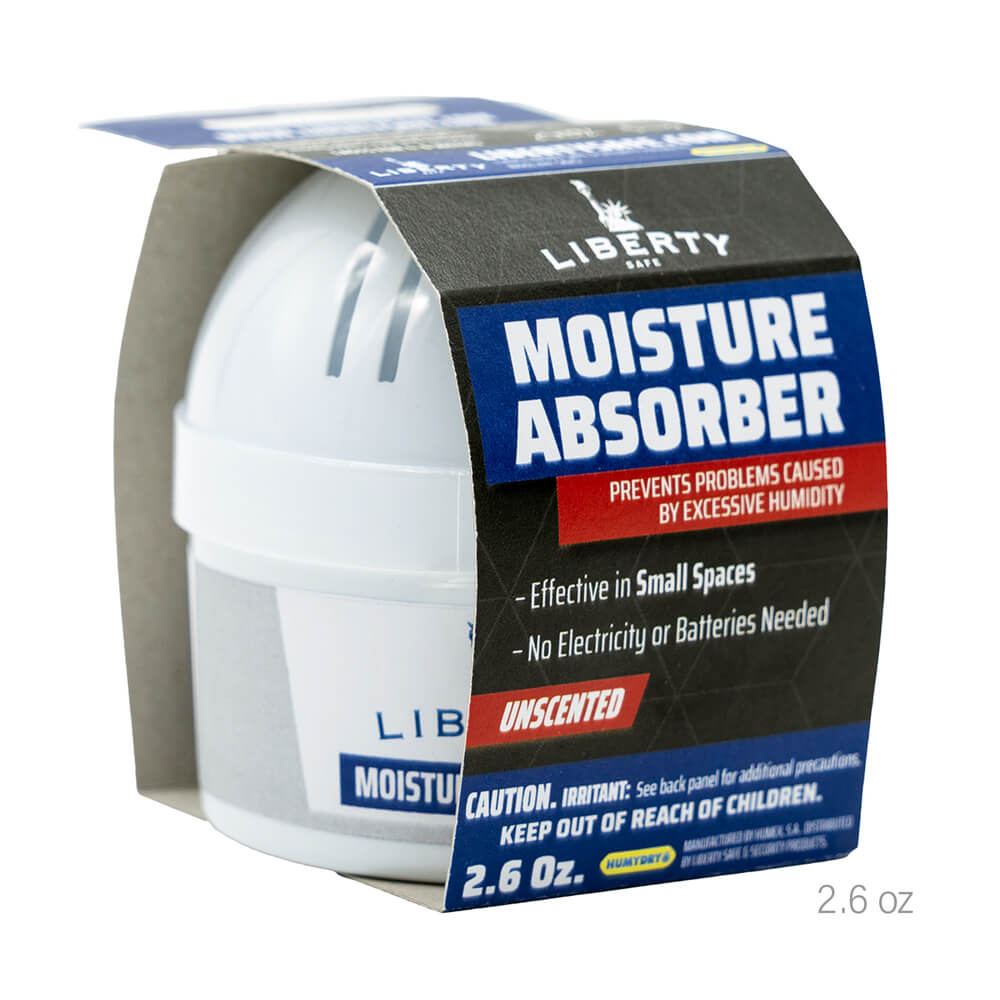
- Add Desiccants: Place a silica gel pack inside the gun sock with the firearm. Silica gel absorbs moisture and adds extra protection.
- Control the Storage Environment: Use a dehumidifier or goldenrod in your gun safe or storage area if possible.
- Check Regularly: Inspect your guns every few weeks for signs of rust or moisture, especially during summer or rainy seasons.
- Replace Gun Socks: Over time, the silicone or VCI treatment can wear off. Replace gun socks every few years or as recommended by the manufacturer.
- Avoid Storing Wet Guns: Never put a damp or freshly cleaned (but unwiped) gun into a gun sock. The moisture will be trapped and can cause rust quickly.
Example: Using Silica Gel Packs
Many gun owners add silica gel packs inside the gun sock, near the action or barrel. These packs change color when full of moisture, so you know when to dry or replace them. This small step can make a big difference in humid climates.
Comparing Gun Socks With Other Storage Options
How do gun socks stack up against other common gun storage solutions in humid climates? Here’s a head-to-head look:
| Storage Method | Moisture Protection | Scratch Protection | Cost | Best For |
|---|---|---|---|---|
| Gun Sock | Moderate (Varies by type) | Good | Low | Transport, Short-term Storage |
| Hard Case (Non-Airtight) | Poor to Moderate | Excellent | Medium | Travel, Impact Protection |
| Airtight Bag (With Desiccant) | Excellent | Good | Low to Medium | Long-term Storage |
| Gun Safe (With Dehumidifier) | Excellent | Good | High | Home Storage |
Gun socks fill a useful role, especially for short-term storage or when moving guns in and out of safes. But for the highest level of moisture protection, especially in humid climates, they work best as part of a larger system.
Common Mistakes Gun Owners Make With Gun Socks In Humid Climates
Even experienced gun owners sometimes make errors that can lead to rust or damage. Here are the most common mistakes:
- Assuming All Gun Socks Are Waterproof: Most gun socks are water-resistant, not waterproof. Humidity can still get through over time.
- Storing Wet Guns: Placing a gun with even a little moisture inside a sock can create a perfect environment for rust.
- Not Using Desiccants: Failing to add moisture-absorbing packets inside the sock reduces effectiveness.
- Ignoring the Storage Environment: Relying only on gun socks without managing the room’s humidity is risky in very humid areas.
- Never Checking Guns: Leaving firearms untouched for months or years, even in gun socks, can let rust go unnoticed until it’s too late.

Scientific Studies And Data On Gun Socks And Humidity
Research on corrosion protection in firearms storage is limited, but there are some relevant studies. For example, a 2018 test compared different gun storage methods in a simulated humid environment (80% relative humidity at 80°F):
- Control (No Protection): Visible rust formed in as little as 3 days.
- Silicone-Treated Gun Sock: Rust began after about 10 days.
- VCI Gun Sock: No visible rust after 30 days, but slight discoloration was seen after 45 days.
- Airtight Bag With Desiccant: No rust after 60 days.
These results show that even the best gun socks have limits in humid climates, but they do slow down rust compared to no protection. Combining gun socks with desiccants or storing them in a controlled environment gives the best results.
Are Vci Gun Socks Worth The Extra Cost?
VCI (Vapor Corrosion Inhibitor) gun socks usually cost 2–3 times more than basic or silicone-treated socks. Are they worth it for people in humid climates?
Pros
- Superior Rust Protection: The VCI chemicals provide a much higher level of defense.
- No Oily Residue: Unlike heavy oiling, VCI treatment doesn’t leave sticky surfaces.
- Safe for All Finishes: Works with blued, stainless, and coated guns.
Cons
- More Expensive: Often $12–$18 per sock versus $3–$8 for basic ones.
- Limited Life: VCI treatment fades over time, especially with frequent opening.
- Chemical Sensitivity: Some people prefer not to use chemical inhibitors.
If you own valuable or collectible firearms in a humid region, the extra cost of VCI gun socks is often worth it. But they are most effective when used with other humidity controls.
How To Tell If Your Gun Sock Is Still Working
Gun socks, especially treated ones, lose effectiveness over time. Here’s how to know when it’s time to replace them:
- Check the Manufacturer’s Guidelines: Most say 2–5 years, depending on use.
- Look for Wear or Holes: Any rips mean less protection.
- Loss of Water Repellency: If water soaks into the sock instead of beading, it’s time for a new one.
- Odor or Discoloration: VCI socks that lose their scent or change color may have lost their protective chemicals.
Pro tip: Mark your gun socks with the date you started using them. This makes it easier to track their age and replace them before problems start.
Practical Tips For Gun Owners In Humid Climates
- Store Guns in Climate-Controlled Rooms: If possible, keep your gun safe or storage area air-conditioned or dehumidified.
- Use Multiple Layers of Protection: Combine gun socks with silica gel, airtight containers, or a dehumidifier.
- Rotate Your Firearms: Don’t leave guns untouched for months. Regular inspections catch problems early.
- Don’t Over-Oil: Too much oil can attract dust and gums up actions. Use a thin, even coat before storage.
- Label Your Storage: If you own many guns, label each sock with the gun’s make/model and the date stored.
What The Experts Say
Gunsmiths and firearm preservation experts often recommend gun socks as a first line of defense, but not the only one, in humid areas. According to the National Rifle Association Museum, “soft gun sleeves and socks help prevent dings and keep dust off, but long-term rust prevention still requires a controlled environment or desiccant packs.”
Some collectors use a multi-layer system: first, a lightly oiled gun; second, a VCI gun sock; third, storage in a sealed, dehumidified safe. This may sound like overkill, but for rare or valuable firearms, it can mean the difference between a pristine heirloom and a rusty relic.
Frequently Asked Questions
Are Gun Socks Enough To Prevent Rust In Very Humid Climates?
No, gun socks alone, even treated ones, are usually not enough for long-term storage in very humid places. They help reduce moisture exposure but should be combined with desiccants or climate control for best results.
How Often Should I Check My Guns If Stored In Gun Socks In A Humid Area?
It’s smart to check firearms every 2–4 weeks. Look for signs of rust, mold, or moisture, especially during the most humid months.
Can I Wash My Gun Socks To Reuse Them?
Most gun socks can be washed, but doing so may remove the silicone or VCI treatment. Always check the manufacturer’s instructions. Washing a treated sock usually reduces its effectiveness.
Do Gun Socks Work For Stainless Steel Firearms?
Yes, but stainless steel is not 100% rust-proof. Humidity can still cause surface spots or discoloration, so use all the same precautions.
Where Can I Find More Information About Firearm Care In Humid Climates?
A good resource is the Wikipedia page on gun socks, which covers types, history, and links to further reading.
Gun socks can be a helpful part of your firearm protection strategy in humid climates, but they are not a magic solution. Use them wisely, with other humidity controls, and your guns will stay safe and rust-free for years to come.