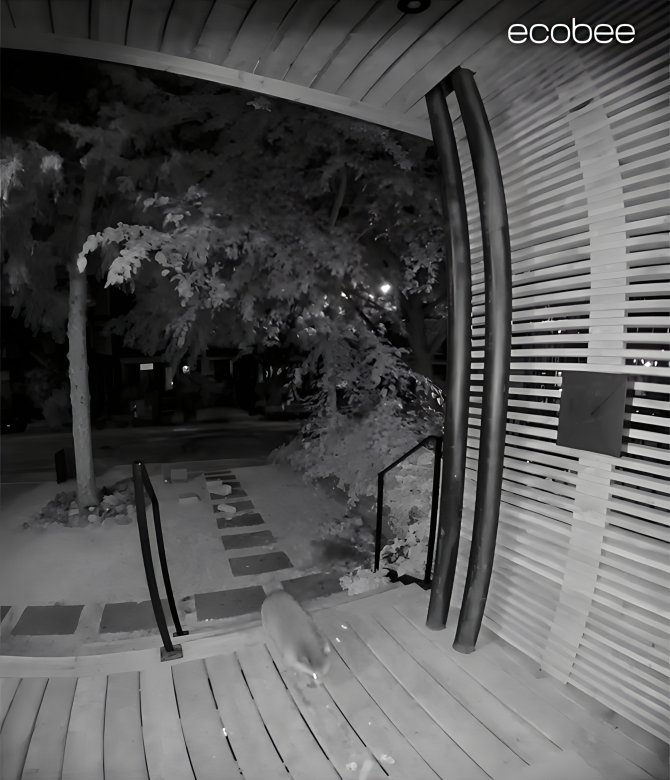
Most people want to feel safe at home, day or night. With the rise of smart technology, doorbell cameras have become a popular way to keep an eye on who comes to your door. But one question often comes up: Can doorbell cameras see at night? If you’re thinking of buying a doorbell camera, or already have one and wonder about its nighttime performance, this article will help you understand how these devices work after dark, what affects their visibility, and how to get the best results.
Exclusive Deals
Limited-time Exclusive Deals. Check current discount on Amazon.
Check Price on Amazon As an Amazon Associate I earn from qualifying purchases.You’ll learn about the technology behind night vision, how different models compare, what real-life data tells us, and practical tips for choosing and using a doorbell camera that works well at night. Whether you’re a beginner or already familiar with security cameras, you’ll discover insights that most buyers miss—and avoid common mistakes.
How Doorbell Cameras Capture Nighttime Footage
Doorbell cameras use several technologies to see in low light. The most common is infrared (IR) night vision. This works by shining invisible IR light onto the area in front of the camera. The camera’s sensor can detect this light, allowing it to form a clear image even in total darkness.
Some newer cameras use low-light sensors, which are more sensitive and can capture color images at night if there’s enough ambient light, like from street lamps. A few high-end models feature starlight sensors or full-color night vision, which provide brighter, clearer images.
The main goal is to help you see faces, objects, and movements at night. But not all cameras perform equally well, and several factors affect their nighttime visibility.
Exclusive Deals
Limited-time Exclusive Deals. Check current discount on Amazon.
Check Price on Amazon As an Amazon Associate I earn from qualifying purchases.Infrared Vs Low-light Vs Starlight Sensors
It’s helpful to compare how different night vision technologies work:
| Technology | How It Works | Night Image | Typical Range |
|---|---|---|---|
| Infrared (IR) | Uses invisible IR LEDs | Black-and-white | 10–30 feet |
| Low-light Sensor | Highly sensitive to light | Color (with some light) | 15–40 feet |
| Starlight Sensor | Captures color in very low light | Brighter color | 20–50 feet |
Most doorbell cameras on the market use IR night vision. Only a few premium models offer starlight or color night vision.
What Affects Night Vision Quality?
Several factors decide how well a doorbell camera can see at night:
- Sensor size and quality: Larger sensors capture more light, improving clarity and detail.
- Number and strength of IR LEDs: More LEDs mean a brighter view and longer range.
- Lens quality: A good lens helps the camera focus better, even in low light.
- Ambient lighting: Street lamps, porch lights, or even moonlight can boost visibility.
- Obstacles and reflections: Glass, shiny surfaces, or thick bushes may cause glare or block IR light.
- Camera placement: If the camera is too high, too low, or facing bright lights, it may not capture clear footage.
It’s not just about the camera’s specs. The environment matters too. For example, a camera pointed at a dark porch with no lighting will show less detail than one facing a well-lit street.

Real-world Doorbell Camera Night Vision Performance
Let’s look at some real numbers and examples. Most popular models, like the Ring Video Doorbell and Google Nest Doorbell, claim to offer clear night vision. But how do they perform in actual use?
Exclusive Deals
Limited-time Exclusive Deals. Check current discount on Amazon.
Check Price on Amazon As an Amazon Associate I earn from qualifying purchases.A study from SafeHome.org found that:
- Ring Video Doorbell (2nd Gen): Clear faces up to 18 feet, but loses detail beyond that.
- Google Nest Doorbell (Battery): Good clarity up to 20 feet, with some color if ambient light is present.
- Arlo Essential Wire-Free Video Doorbell: Bright IR images up to 25 feet, but color fades in total darkness.
Many users report that faces are recognizable within 10–20 feet at night, but details become blurry if someone stands farther away. Motion detection still works well, but identifying someone can be harder.
Sample Night Vision Comparison
Here’s a simple comparison of three popular doorbell cameras:
| Model | Night Vision Range | Face Clarity | Color at Night |
|---|---|---|---|
| Ring Video Doorbell 4 | 20 feet | Good within 15 feet | No |
| Google Nest Doorbell | 25 feet | Very good within 20 feet | Partial (with street light) |
| Arlo Video Doorbell | 30 feet | Decent up to 25 feet | No |
One non-obvious insight: Many buyers expect full-color night vision, but most doorbell cameras provide black-and-white images unless there’s enough ambient light.
How To Improve Doorbell Camera Night Vision
Even if your camera has basic night vision, you can make the images clearer and brighter with a few practical steps:
- Add exterior lighting: A simple porch light or motion-activated lamp will help your camera see in color at night. It doesn’t have to be very bright.
- Avoid pointing at shiny objects: Glass doors or metal surfaces can cause reflections and make footage less clear.
- Check for obstructions: Trim bushes or move anything blocking the camera’s view.
- Clean the lens regularly: Dirt or water spots can make images blurry, especially at night.
- Adjust camera angle: Test different heights and angles to find the best position.
- Update firmware: Some cameras improve night vision with software updates.
A common mistake is relying only on the camera’s built-in night vision. Even a small amount of extra light can improve image quality dramatically.

The Science Behind Night Vision
To understand why night vision works the way it does, let’s look at the basics.
- Infrared light is invisible to humans, but camera sensors can see it. Most doorbell cameras have IR LEDs that shine this light after sunset.
- The camera’s sensor converts the IR light into an image. This is why nighttime footage looks black-and-white—IR light doesn’t produce color.
- If there’s enough visible light (from lamps or cars), some cameras can switch to color mode.
Full-color night vision is still rare, because it needs very sensitive sensors and enough ambient light. For most homes, IR night vision is enough to see faces and movements clearly.
Comparing Doorbell Cameras With Other Security Cameras
How do doorbell cameras compare to regular outdoor security cameras when it comes to nighttime visibility?
- Doorbell cameras are designed for close-range monitoring, usually 10–30 feet.
- Outdoor security cameras often have larger sensors, more IR LEDs, and longer range—sometimes up to 100 feet.
Here’s a comparison:
| Type | Night Vision Range | Color at Night | Typical Use |
|---|---|---|---|
| Doorbell Camera | 10–30 feet | Rarely | Front door, porch |
| Outdoor Security Camera | 50–100 feet | Sometimes | Yard, driveway |
If you want to monitor a large area at night, a regular outdoor camera may be a better choice. But for seeing who’s at your door, a doorbell camera’s night vision is usually enough.
Choosing A Doorbell Camera For Night Vision
When shopping for a doorbell camera, pay attention to these features if you care about nighttime performance:
- Night vision range: Look for models with at least 20 feet of night vision.
- IR LED count: More LEDs mean brighter images.
- Sensor sensitivity: Higher sensitivity helps the camera capture more detail.
- Lens quality: A wider, clearer lens improves nighttime visibility.
- Color night vision: If you want color, check for “starlight” or “full-color” claims.
- Motion detection: Good motion sensors work even in low light.
Many buyers focus only on video resolution, but at night, sensor quality and IR power matter more than HD pixels.
Brands Known For Good Night Vision
Some brands are recognized for reliable night vision:
- Ring
- Google Nest
- Arlo
- Eufy
Read user reviews and expert tests. Some models may advertise long-range night vision but struggle with face recognition in real conditions.
Common Mistakes When Using Doorbell Cameras At Night
People often make these mistakes:
- Mounting too high or low: This can reduce the camera’s field of view and make faces harder to see.
- Ignoring lighting: Without some ambient light, even the best camera may show blurry images.
- Not cleaning the lens: Dirt, dust, or spider webs can ruin nighttime footage.
- Pointing at glass: IR light reflects off glass, causing glare and white spots.
- Believing marketing claims: Many brands exaggerate night vision abilities. Always check real user photos and reviews.
One insight: Even expensive cameras need proper setup to work well at night. The best results often come from a combination of good hardware and smart placement.
Privacy And Security Concerns
Night vision adds to home security, but it also raises privacy questions. Doorbell cameras may capture footage of neighbors, sidewalks, or streets, especially at night when IR light can reach farther.
- Check local laws: Some areas limit where you can point cameras.
- Adjust settings: Most cameras let you define motion zones to avoid recording unwanted areas.
- Inform guests: It’s polite to let visitors know they’re being recorded.
You can read more about privacy and smart cameras at Consumer Reports.
Tips For Getting The Best Night Vision Performance
To get the clearest images at night, follow these practical tips:
- Test different placements: Try moving the camera before drilling holes.
- Add a soft porch light: Even a dim bulb can boost color and clarity.
- Use privacy zones: Set up the camera so it only records your property.
- Check motion sensitivity: Set the sensor to avoid false alerts from cars or animals.
- Update software: Manufacturers often improve night vision with updates.
Most people don’t realize that small changes—like adjusting the camera angle or adding a light—can make a big difference.
Future Trends In Doorbell Camera Night Vision
Technology is improving quickly. New doorbell cameras may offer:
- Full-color night vision: Using advanced sensors and AI to boost brightness.
- Better motion detection: Smart algorithms can identify humans more accurately, even in low light.
- Higher resolution: Sharper images, even at night.
- Integration with smart lighting: Cameras can turn on porch lights automatically.
A few models already offer partial color night vision, but these are still more expensive.
Frequently Asked Questions
Can Doorbell Cameras See In Complete Darkness?
Yes, most doorbell cameras use infrared night vision to capture images even when there’s no visible light. You’ll get black-and-white footage, and faces are usually clear within 10–20 feet.
Do Doorbell Cameras Record Color Video At Night?
Only some newer models can record color at night if there’s enough ambient light. Most cameras switch to black-and-white mode in total darkness. For color night vision, look for “starlight” or “full-color” features.
How Far Can Doorbell Cameras See At Night?
Typical night vision range is 10–30 feet for most doorbell cameras. High-end models may reach 40–50 feet, but face clarity drops as the distance increases.
Will A Porch Light Help My Doorbell Camera See Better At Night?
Yes, adding a porch light or any exterior lighting can improve image quality and sometimes enable color video at night. Even a small, dim light makes a big difference.
Can Doorbell Cameras Detect Motion At Night?
Most doorbell cameras can detect motion at night using IR sensors. They work in both daylight and darkness, but may trigger more false alerts if animals or cars pass by.
The ability of doorbell cameras to see at night depends on their technology, placement, and environment. With the right setup, you can monitor your front door 24/7, recognize faces, and feel more secure—even after sunset. As technology improves, night vision will become even clearer and more reliable.
But for now, understanding the limits and making smart choices will help you get the best results from your doorbell camera.