Doorbell cameras are everywhere now. You see them on apartment doors, suburban homes, and even outside small businesses. People love them because they help keep families safe, let you see visitors from your phone, and sometimes even record package thefts. But when you look to buy one, you quickly notice something: many brands talk about monthly or yearly subscription plans. Is this a must-have, or just an optional upgrade? If you’re shopping for a doorbell camera, or you already have one and wonder about subscriptions, this article will help you understand everything clearly.
Exclusive Deals
Limited-time Exclusive Deals. Check current discount on Amazon.
Check Price on Amazon As an Amazon Associate I earn from qualifying purchases.From basic features to advanced cloud storage, we’ll break down how subscriptions work, which doorbell cameras require them, and how you can decide what’s best for your needs. We’ll also show you real examples, compare top brands, and answer the most common questions.
Whether you’re new to smart home devices or just want to get the most out of your investment, you’ll find practical advice here—without confusing technical jargon.
What Are Doorbell Cameras?
A doorbell camera is a small device that replaces your regular doorbell. It has a built-in camera, microphone, and speaker. When someone presses the button or approaches your door, the camera activates. Most modern models send alerts to your smartphone, let you see live video, and allow you to talk to visitors.
Doorbell cameras can record video, detect motion, and sometimes even recognize faces or packages. They help homeowners check who is outside without opening the door. Some even work at night or in bad weather, thanks to infrared sensors and waterproof designs.
Exclusive Deals
Limited-time Exclusive Deals. Check current discount on Amazon.
Check Price on Amazon As an Amazon Associate I earn from qualifying purchases.Why Are They Popular?
- Safety: They deter burglars and help catch package thieves.
- Convenience: You can answer the door from anywhere, even if you’re not home.
- Evidence: Recorded video is useful for police or insurance.
In the US alone, more than 30% of homes now have at least one smart security device. Doorbell cameras are among the most popular, especially since online shopping increased.
Doorbell Camera Features: Free Vs. Paid
Not every doorbell camera works the same way. Some features are included for free; others require payment. Understanding this helps you know if a subscription is necessary for your situation.
Free Features
Most doorbell cameras come with basic free features:
- Live video streaming: You can see who is at your door in real-time.
- Two-way audio: You can talk to visitors and hear their responses.
- Motion alerts: The camera sends notifications when it detects movement.
- Basic local storage: Some models save short clips directly to the device, SD card, or your phone.
These features are enough for many users. If you just want to see visitors and talk to them, you might not need a subscription.
Paid Features (subscription)
Manufacturers offer subscriptions for more advanced features:
Exclusive Deals
Limited-time Exclusive Deals. Check current discount on Amazon.
Check Price on Amazon As an Amazon Associate I earn from qualifying purchases.- Cloud video storage: Save recordings online for days or weeks.
- Advanced motion detection: Recognize packages, people, or animals.
- Face recognition: Identify familiar faces.
- Extended video history: Access old clips for longer periods.
- Professional monitoring: Some brands offer 24/7 response teams.
A subscription often unlocks these extras. But not everyone needs them, and some devices offer alternatives.
Which Doorbell Cameras Require A Subscription?
There’s no simple yes or no answer. Requirements depend on the brand, model, and what features you want. Let’s look at the main brands and compare what you get for free versus what needs a subscription.
Major Brands Overview
Ring
Ring is one of the most popular brands in the US. Their Ring Video Doorbell series offers strong features and easy app integration.
- Free: Live view, motion alerts, two-way talk.
- Subscription (Ring Protect): Cloud video storage, extended video history, advanced detection.
Without a subscription, you can see live video but cannot review past events. If you miss an alert, you won’t have a recording to check later.
Nest (google)
Nest Doorbell is Google’s entry into smart home security.
- Free: Live streaming, basic alerts.
- Subscription (Nest Aware): 24/7 video recording, familiar face detection, longer event history.
Again, without Nest Aware, you miss out on recording and advanced alerts.
Arlo
Arlo doorbell cameras focus on flexibility.
- Free: Live streaming, two-way audio.
- Subscription (Arlo Secure): Cloud storage, smart alerts, package detection.
Some Arlo models allow local storage on a base station, but most features are locked behind the subscription.
Eufy
Eufy is known for offering no monthly fees.
- Free: Local storage, live video, two-way audio, motion detection.
- Subscription (optional): Cloud storage, extra AI features.
Most Eufy doorbell cameras save video clips on the device or a home hub. If you’re comfortable managing your own data, you don’t need a subscription.
Wyze
Wyze is a budget brand.
- Free: Basic alerts, live video.
- Subscription (Cam Plus): Cloud storage, smart detection.
Wyze’s free features are limited, but the subscription is cheap compared to other brands.
Comparison Table: Subscription Requirements
Here’s a quick look at the differences among top brands:
| Brand | Free Features | Subscription Features | Is Subscription Required? |
|---|---|---|---|
| Ring | Live view, motion alerts, two-way audio | Cloud storage, video history, smart detection | For video recording/history |
| Nest | Live streaming, basic alerts | 24/7 recording, face detection, event history | For recordings & advanced alerts |
| Arlo | Live streaming, two-way audio | Cloud storage, package detection | For cloud storage & smart alerts |
| Eufy | Local storage, live video, motion alerts | Cloud storage, AI features | No, unless you want cloud storage |
| Wyze | Live video, basic alerts | Cloud storage, smart detection | For advanced detection & storage |
Do You Really Need A Subscription?
This is the big question. For many people, the free features are enough. If you just want to see who’s at your door and talk to them, you can skip the subscription. But if you need video recordings—for evidence or peace of mind—a subscription may be necessary.
When Is A Subscription Useful?
- You miss alerts: If you’re often busy and miss notifications, recorded clips help you review what happened.
- You want extra security: Cloud storage protects video even if the device is stolen or damaged.
- You need advanced detection: Features like package or face recognition are only available with paid plans.
- You travel often: Accessing video history from anywhere is safer than relying on local memory.
When Can You Skip It?
- You’re home most of the time: Live video and two-way audio are enough.
- Your device has local storage: Brands like Eufy let you save clips on SD cards.
- You don’t need old recordings: If you only care about real-time alerts, there’s no need for cloud history.
- You want to avoid monthly fees: Some users prefer one-time purchases without ongoing costs.
Real-world Example
Sarah lives in a busy city. She receives packages daily but can’t always check her phone. Her Ring doorbell sends alerts, but without a subscription, she can’t review missed deliveries or theft. After losing a package, she upgraded to Ring Protect.
Now, she can download clips and share them with her building manager.
On the other hand, Mike lives in a quiet suburb and works from home. He bought a Eufy doorbell camera, which saves everything locally. He never needed a subscription and still feels secure.

Subscription Costs And Options
Pricing varies a lot. Some brands charge more for advanced features, while others offer simple plans. Let’s break down the typical costs.
Average Monthly Fees
- Ring Protect: $3.99/month for one device; $10/month for unlimited devices.
- Nest Aware: $8/month for all devices; higher for 24/7 recording.
- Arlo Secure: $4.99/month per camera; $14.99/month for unlimited.
- Wyze Cam Plus: $2.99/month per camera.
- Eufy Cloud: Optional, about $2.99/month per device.
Annual plans are usually discounted. Many brands offer a free trial for 30 days.
Comparison Table: Subscription Pricing
Here’s a quick price comparison for popular brands:
| Brand | Monthly (per device) | Annual Discount | Free Trial |
|---|---|---|---|
| Ring | $3.99 | Yes | 30 days |
| Nest | $8.00 | Yes | 30 days |
| Arlo | $4.99 | Yes | 30 days |
| Wyze | $2.99 | Yes | 14 days |
| Eufy | $2.99 (optional) | Yes | 30 days |
What Happens If You Cancel?
If you stop paying for a subscription:
- You lose access to cloud recordings.
- Advanced detection and history features are disabled.
- You keep basic functions like live view and alerts.
Some brands delete your stored video clips after a grace period (usually 30 days). If you use local storage, your clips remain on the device.
Alternatives To Subscription Plans
Not everyone wants to pay monthly. Luckily, there are alternatives.
Local Storage
Brands like Eufy, and some models from Arlo, offer local storage. This means video clips are saved on the device itself, an SD card, or a home hub.
- Pros: No monthly fees, privacy, access without internet.
- Cons: If the device is stolen, video may be lost.
Hybrid Models
Some doorbell cameras combine cloud and local storage. You can use local memory for basic recording and upgrade to cloud storage if needed.
Diy Solutions
Tech-savvy users sometimes connect doorbell cameras to home security systems or network storage drives. This saves clips privately. However, setup can be complicated and may require extra hardware.
Hidden Insights Most Buyers Miss
Before buying, consider these less obvious points:
- Privacy concerns: Cloud storage means your videos are stored on a company’s servers. Some users worry about hacking or data leaks. Local storage is more private but can be less convenient.
- Internet speed: Cloud features need fast, reliable internet. Slow connections can cause lag or missed recordings.
- Device compatibility: If you have other smart devices (lights, locks), check if the doorbell camera integrates smoothly. Some subscriptions unlock home automation, but only for certain brands.
- Firmware updates: Some brands add new features over time, but only for subscribers. If you want the latest AI detection, check if it’s included in the free plan.
Common Mistakes To Avoid
Many beginners make these mistakes:
- Assuming recordings are always free: Most doorbell cameras only record with a subscription. Double-check before buying.
- Ignoring cancellation policy: Some brands delete your videos immediately after subscription ends. Back up important clips if you plan to cancel.
- Overpaying for features: If you don’t need advanced detection or long video history, skip the expensive plans.
- Choosing incompatible devices: If you want to connect your doorbell camera to other smart home devices, check compatibility first.
How To Choose The Right Doorbell Camera
With all these options, picking the right device can feel overwhelming. Here’s how to decide:
Steps To Find The Best Option
- List your must-have features: Do you need video history, smart alerts, or just live view?
- Check storage options: Is local storage enough, or do you need cloud access?
- Compare subscription costs: Think about long-term expenses, not just upfront price.
- Consider privacy preferences: Are you comfortable with cloud storage, or do you prefer local?
- Read user reviews: Real-world feedback helps spot problems or hidden benefits.
- Test free trials: Most brands offer a month of premium features. Try before you commit.
Example Scenario
Let’s say you want basic security and no monthly fees. Eufy and some Arlo models are good choices. If you need advanced package detection and cloud storage, Ring or Nest are better—but you’ll pay a monthly fee.
Data On Subscription Trends
According to recent surveys, about 60% of doorbell camera owners pay for a subscription. The main reason is cloud storage. Among people who use free plans, 80% say they’re happy with basic functions but wish they had access to recorded clips during emergencies.
A study by Statista found that US smart home security subscriptions generate over $1. 2 billion annually. The average user spends $50–$120 per year on these services.
Pros And Cons Of Subscription Plans
Let’s break down the advantages and disadvantages.
Benefits
- Cloud backup: Protects your video from theft or damage.
- Longer video history: Useful for reviewing past events.
- Advanced features: Smart detection, automation, and monitoring.
- Easy sharing: Send clips to police or neighbors quickly.
Drawbacks
- Ongoing costs: Monthly fees add up over time.
- Privacy risks: Cloud storage depends on company security.
- Feature lock-in: Some brands limit basic features to push subscriptions.
- Device dependency: If you change brands, you may lose access to recordings.
Doorbell Cameras Without Subscription: Best Picks
If you prefer devices that don’t require subscriptions, consider these models:
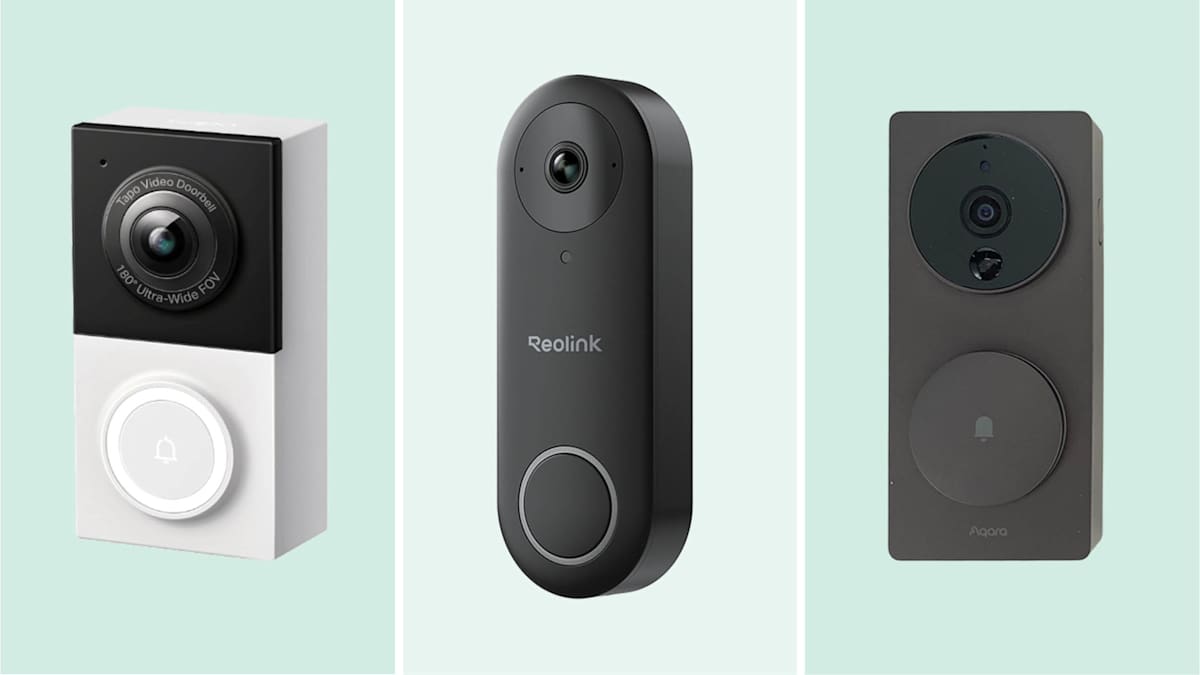
- Eufy Video Doorbell 2K: Local storage, no monthly fees, clear video.
- Arlo Essential Video Doorbell (with base station): Supports local storage.
- Lorex Wired Video Doorbell: Saves clips to SD card.
- Blink Video Doorbell: Local storage option, Amazon integration.
- RemoBell S: Free cloud storage for three days.
These models offer strong basic features without forcing you into a subscription.

Tips For Maximizing Your Doorbell Camera Without Subscription
- Use local storage wisely: Back up important clips regularly.
- Keep your app updated: Firmware updates improve security and features.
- Set smart alerts: Adjust motion sensitivity to reduce false alarms.
- Check device placement: Proper installation prevents blind spots and captures clear video.
- Monitor battery life: Some cameras need charging every few weeks.
Frequently Asked Questions
Do All Doorbell Cameras Need A Subscription?
No. Many doorbell cameras, like Eufy and Lorex, offer local storage and basic features without a subscription. However, most popular brands require a subscription for cloud storage and advanced functions.
What Happens To My Video Clips If I Cancel My Subscription?
Usually, you lose access to cloud-stored recordings. Clips may be deleted after a grace period. If you use local storage, your videos remain on the device. Always back up important clips before canceling.
Are Subscription Fees Worth It For Most People?
It depends on your needs. If you want video history, advanced alerts, or cloud backup, a subscription is valuable. For basic home security and real-time alerts, free features are often enough.
Can I Use Multiple Doorbell Cameras Under One Subscription?
Most brands offer plans for multiple devices. For example, Ring Protect and Arlo Secure have multi-device options. Check pricing and compatibility before buying.
Are There Privacy Risks With Cloud Subscriptions?
Cloud storage depends on the company’s security measures. Some users worry about hacking or data leaks. Local storage is safer but less convenient. Always check the brand’s privacy policy and read reviews.
Doorbell cameras offer real convenience and security, but subscription requirements can confuse buyers. The key is to match your needs with the features you really use. For some, free live streaming and local storage are enough. For others, cloud backups and smart alerts are worth paying for. Always research your options, test free trials, and stay aware of ongoing costs. If you want more details on smart home trends, check sources like Statista for reliable data. With the right choice, you’ll enjoy safer, smarter living—without paying for features you don’t need.