Video doorbells offer remote viewing and alerts; peephole cameras give simple, private entry checks.
I’ve spent years testing home security gear and helping people choose what fits their needs. This article compares Video Doorbell vs Peephole Camera in clear, practical terms so you can pick the right option for your door, budget, and privacy needs. Read on for hands-on tips, pros and cons, and a simple buying checklist.

Exclusive Deals
Limited-time Exclusive Deals. Check current discount on Amazon.
Check Price on Amazon As an Amazon Associate I earn from qualifying purchases.Overview: what each device is and how they work
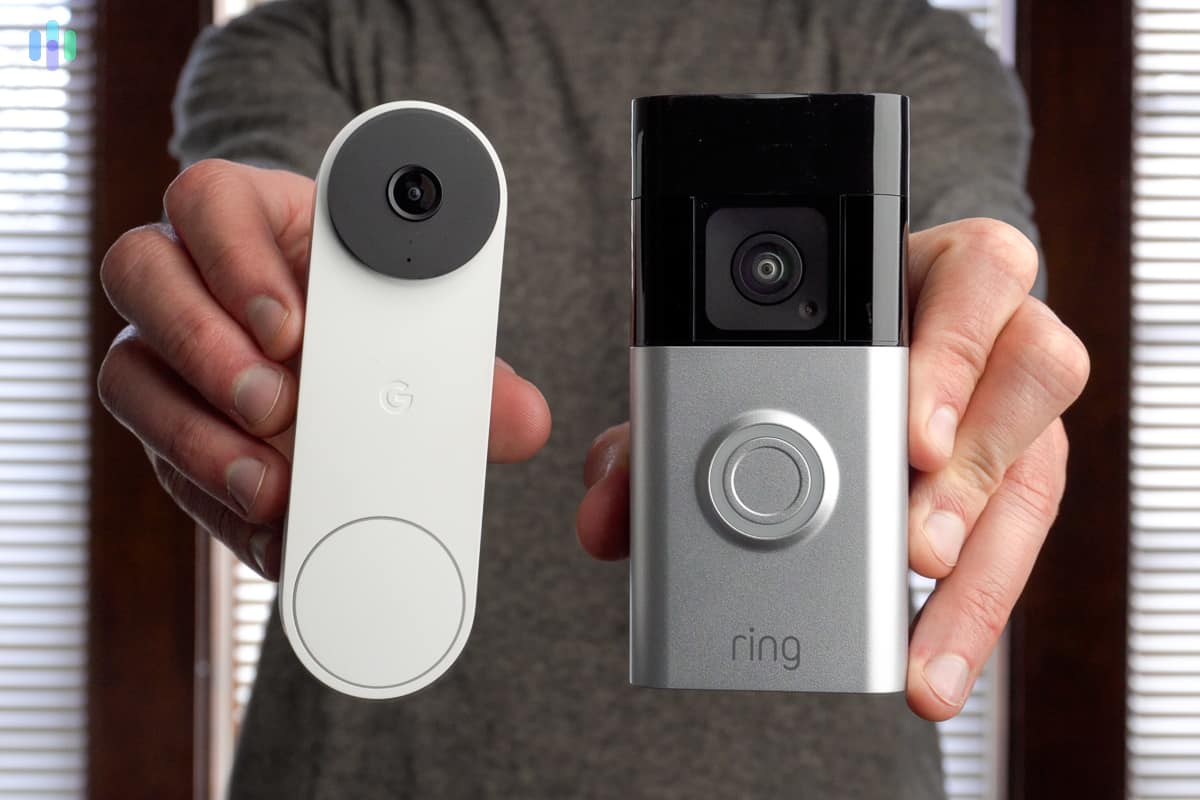
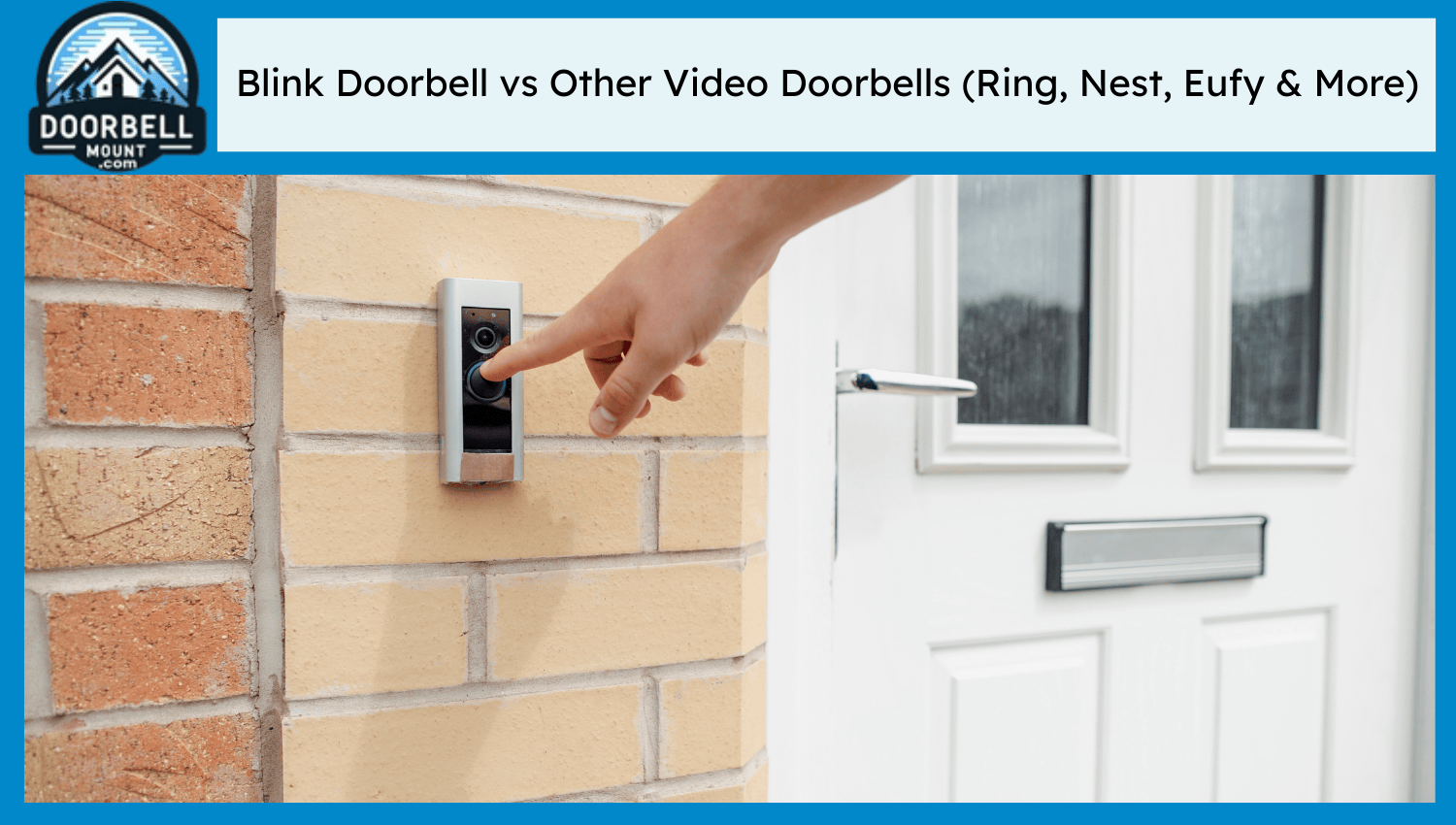
A video doorbell is a camera built into a doorbell unit. It sits by your front door and streams live video to your phone. Many models add motion alerts, two-way talk, cloud storage, and smart home links.
A peephole camera replaces or mounts over a traditional peephole. It shows who is outside from inside the door or on a small screen. Peephole cameras tend to be simpler and focus on privacy and direct viewing.
Video Doorbell vs Peephole Camera matters because they solve different needs. One is feature rich and remote. The other is compact and local. Choose based on how you use your front door and how much tech you want.
Exclusive Deals
Limited-time Exclusive Deals. Check current discount on Amazon.
Check Price on Amazon As an Amazon Associate I earn from qualifying purchases.Key differences: features, installation, and user experience
Video Doorbell vs Peephole Camera differ in core features. Here are the main points to compare.
- Video and image quality: Video doorbells often have higher resolution and better night view. Peephole cameras usually focus on a narrow, centered view with basic image quality.
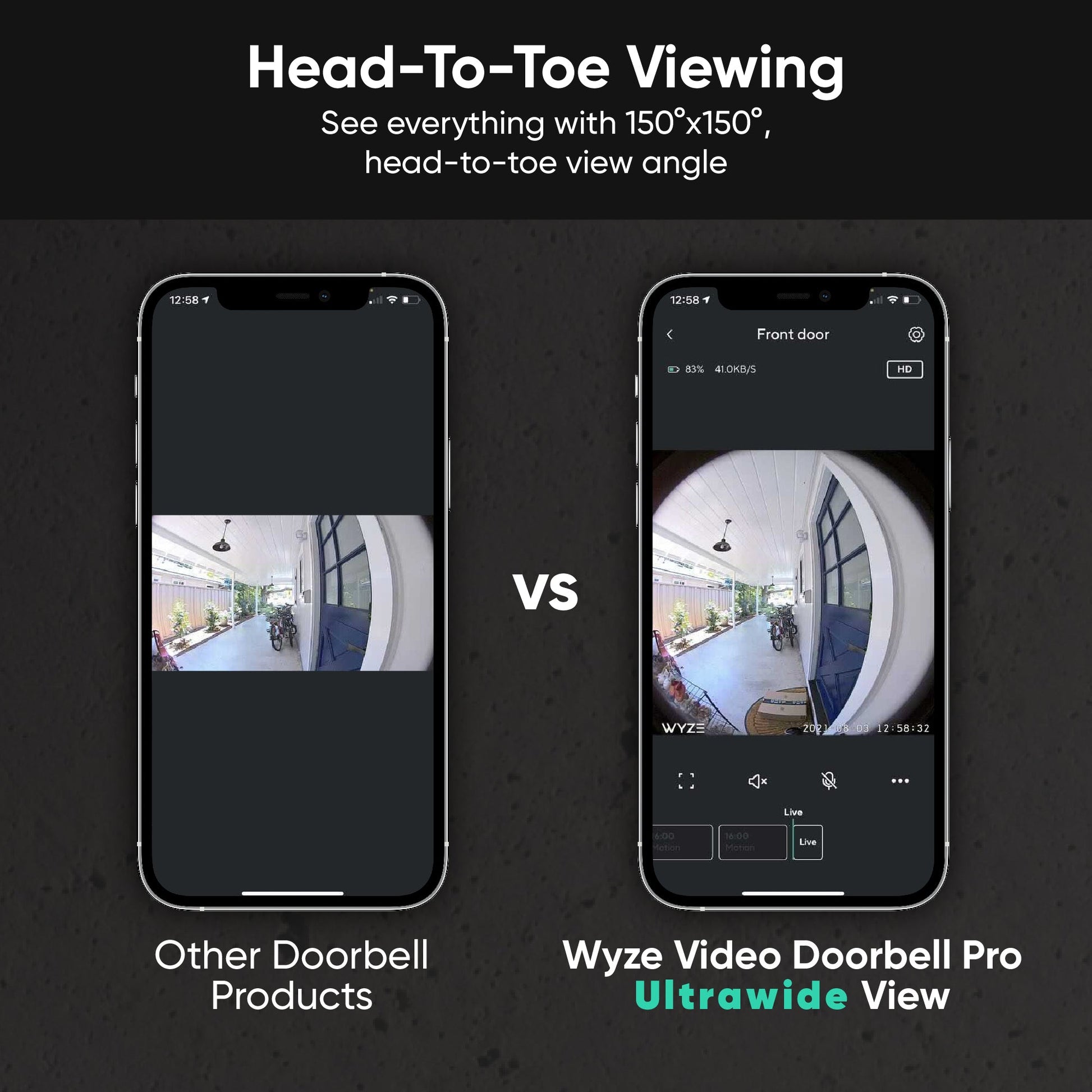
- Field of view: Video doorbells give a wide angle that covers porch and approach paths. Peephole cameras show a tighter area right in front of the door.
- Two-way audio: Video doorbells almost always include two-way talk. Peephole cameras may or may not include audio, and it is often one-way.
- Alerts and remote access: Video doorbells push motion and ring alerts to phones. Peephole cameras usually do not offer remote alerts unless paired with extra hardware.
- Power and wiring: Video doorbells can be battery, wired, or both. Peephole cameras are often battery powered or powered by the internal door screen.
- Storage and privacy: Video doorbells often use cloud storage, which can be convenient but raises privacy questions. Peephole cameras usually store locally or show live only, which can be more private.
- Installation: Video doorbells need exterior mounting and sometimes a chime connection. Peephole cameras replace the peephole or add a small screen and are simpler to fit.
When weighing Video Doorbell vs Peephole Camera, think about coverage, alerts, and how much you want your door monitored. If you want remote monitoring and automation, a video doorbell wins. If you want simplicity and privacy, a peephole camera may fit better.

Exclusive Deals
Limited-time Exclusive Deals. Check current discount on Amazon.
Check Price on Amazon As an Amazon Associate I earn from qualifying purchases.Real-world use cases and choosing the right option
Here are common situations and which device fits best.
- Frequent deliveries and remote visitors: Choose a video doorbell for alerts, live view, and two-way talk.
- Apartment living with shared halls: Choose a peephole camera for privacy and low-profile use.
- Renters with limited permission to alter doors: Peephole cameras are often easier to install and remove.
- Parents checking on kids: Video doorbells let you see the porch from anywhere.
- Senior safety and low tech needs: Peephole cameras offer simple, reliable checking without apps.
Who should pick a video doorbell?
A video doorbell fits homeowners who want remote alerts, cloud clips, and smart home features. It’s best where outdoor coverage and motion detection are helpful.
Who should pick a peephole camera?
A peephole camera fits renters, privacy-focused users, or people who want a simple way to see who is at the door without giving remote access.
Can both be used together?
Yes. Some people use a peephole camera inside for private viewing and a video doorbell outside for deliveries and remote alerts. This hybrid setup balances privacy and convenience.
Installation, setup, and maintenance tips
Installation varies a lot between Video Doorbell vs Peephole Camera. Keep these tips in mind.
- Read the manual and measure the door thickness first. Some peephole cameras need specific thickness.
- For a wired video doorbell, turn off house power before working on the chime or transformer. Safety first.
- If you use a battery video doorbell, place it where the sun or rain won’t hit the battery directly. That helps battery life.
- Test the field of view. Stand where a visitor would stand and check the camera angle. Adjust mounting height if needed.
- Secure accounts with strong passwords and two-factor authentication. This helps protect any cloud video.
- Periodically clean lenses and update firmware. That keeps video sharp and devices secure.
From my experience, a quick angle test and account setup are the steps most people skip. Do both to avoid blind spots and lockout.

Security and privacy considerations
Both Video Doorbell vs Peephole Camera have security and privacy trade-offs. Know them before you buy.
- Cloud storage risks: Video doorbells often upload clips to the cloud. Choose a vendor with strong encryption and a clear privacy policy.
- Local storage: Peephole cameras or local DVRs keep footage in your home and reduce external exposure.
- Account protection: Weak passwords are the top risk. Use unique passwords and enable two-factor authentication.
- Legal notices: In some places it’s illegal to record audio without consent. Check local laws before enabling two-way talk or continuous recording.
- Neighbor views: Avoid angles that capture neighbors’ private property. Aim camera to minimize unnecessary coverage.
I once helped a neighbor who left cloud sharing enabled. They deleted shared clips and changed settings after learning the risks. That small action improved their privacy quickly.
Cost, value, and a practical buying checklist
Price matters, but value is about fit and long-term costs. Below are cost factors and a quick checklist.
- Upfront cost: Video doorbells usually cost more than peephole cameras. Expect to pay extra for brand and features.
- Subscription fees: Many video doorbells charge monthly fees for cloud history. Factor this into yearly cost.
- Installation cost: Professional install adds cost for wired doorbells. Peephole cameras are often DIY-friendly.
- Maintenance and battery: Battery doorbells need occasional charging. Peephole camera batteries may last longer with light use.
Buying checklist for Video Doorbell vs Peephole Camera:
- Decide if you need remote access and alerts.
- Check door thickness and mounting options.
- Confirm power source: battery, wired, or both.
- Compare subscription plans and storage options.
- Check privacy and encryption policies.
- Read user reviews for reliability and support.
Choose the device that matches your daily routine and comfort with technology. A cheaper device that fits your habits is worth more than a feature-packed one you never use.

Personal experience, mistakes to avoid, and practical tips
I’ve installed both devices in homes and apartments. Here are lived lessons that help.
- Test Wi-Fi before buying a video doorbell. A weak signal ruins the experience.
- Don’t assume cloud is secure. Read the settings and disable sharing by default.
- For rentals, measure door thickness before ordering a peephole camera. I once bought the wrong size and had to return it.
- Mount video doorbells slightly above eye level. That reduces glare and gets a better view of faces.
- Use a peephole camera indoors if you want a private, phone-free check. It is fast and reliable.
A simple tip that saved me time: keep a small ladder and a digital level for mounts. It makes installation fast and tidy.

Frequently Asked Questions of Video Doorbell vs Peephole Camera
Which is better for renters: a video doorbell or a peephole camera?
Renters often prefer peephole cameras because they are easy to install and remove without changing the door. Video doorbells may need permission for drilling or wiring.
Do peephole cameras have remote viewing?
Most basic peephole cameras do not offer remote viewing. Some modern models have Wi-Fi and apps, but many are local-view only.
Can a video doorbell work without a subscription?
Yes. Some video doorbells offer local storage or limited free features. Subscriptions add cloud history and advanced features.
Will a video doorbell work in bad weather?
Many video doorbells are weatherproof and tested for rain and heat. Check the device IP rating and manufacturer specs for reliability.
Which device is more private, a video doorbell or a peephole camera?
Peephole cameras are generally more private because they do not upload footage to the cloud by default. Video doorbells with cloud storage require careful settings to protect privacy.
How do I avoid blind spots with a video doorbell?
Place the video doorbell at a height that captures eye level and adjust the angle to include the porch. Test with a friend standing where visitors will stand.
Conclusion
Choosing between a Video Doorbell vs Peephole Camera comes down to how you use your door and what you value most. If you want remote access, motion alerts, and smart features, a video doorbell is the practical choice. If you prefer simplicity, privacy, and easy install, a peephole camera fits well. Start by checking your door type, power options, and Wi-Fi strength. Then match features to your daily needs and budget. Try one of the devices, tweak settings for privacy, and share what you learn—your next decision will feel easier. Consider subscribing for updates or leaving a comment with your setup questions.