Smart doorbells are changing how people protect their homes. With a simple device, you can see who is at your door, talk to visitors, and even record video—all from your phone. But as with any gadget, people often wonder: How long does a smart doorbell actually last? Is it worth the investment, or will you need to replace it soon? In this article, you’ll discover everything you need to know about the lifespan of a smart doorbell. You’ll learn how long they typically work, what affects their durability, and how to make yours last as long as possible.
Exclusive Deals
Limited-time Exclusive Deals. Check current discount on Amazon.
Check Price on Amazon As an Amazon Associate I earn from qualifying purchases.What Is A Smart Doorbell?
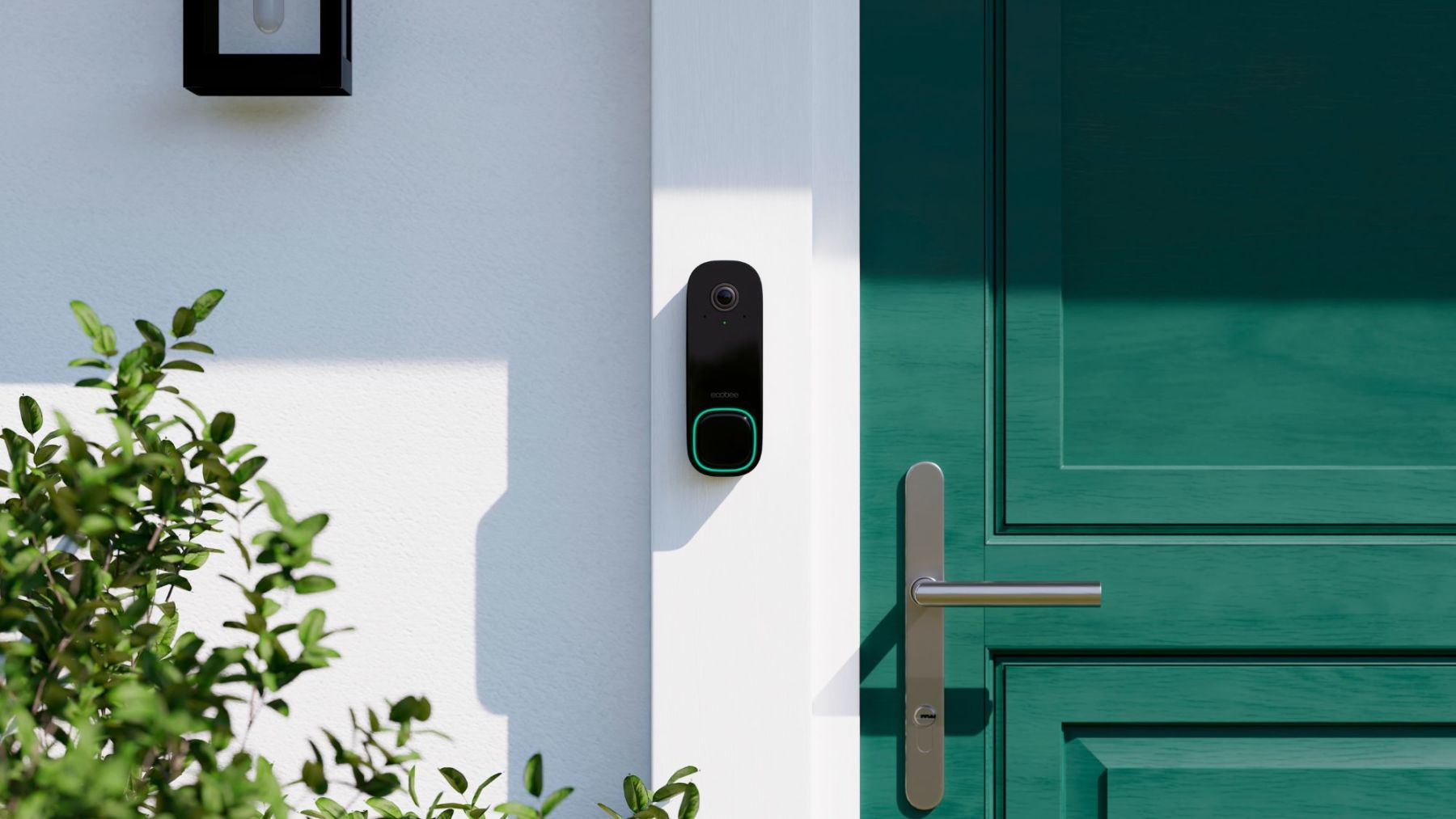
A smart doorbell is more than just a bell. It’s a device that connects to your Wi-Fi and lets you see, hear, and talk to visitors using your smartphone or tablet. Most models have a camera, microphone, speaker, and motion sensors. Some can even record video, send alerts when someone approaches your door, and work with other smart devices.
Popular brands include Ring, Nest Hello, and Arlo. These doorbells are used in homes, apartments, and offices for extra security. Many people install them for convenience, but the main reason is safety. Knowing who is at your door—even when you’re away—gives peace of mind.
Average Lifespan Of Smart Doorbells
You might ask, “How many years can a smart doorbell last?” Most smart doorbells have a lifespan of 3 to 7 years. This range depends on several factors, including the brand, build quality, usage, and environment.
Some high-end models can last longer, especially if they are well maintained. Budget models often wear out faster. The lifespan also depends on whether the doorbell is battery-powered or hardwired.
Exclusive Deals
Limited-time Exclusive Deals. Check current discount on Amazon.
Check Price on Amazon As an Amazon Associate I earn from qualifying purchases.Here’s a simple comparison of expected lifespans for popular types:
| Model Type | Average Lifespan | Typical Warranty |
|---|---|---|
| Battery-powered | 3-5 years | 1 year |
| Hardwired | 5-7 years | 2 years |
| Premium brands | 6-8 years | 2-3 years |
| Budget brands | 2-4 years | 6 months – 1 year |
Key insight: The warranty period is usually much shorter than the expected lifespan. Manufacturers expect these devices to last longer than their guarantee, but it’s wise to check the warranty before buying.
Factors That Affect Lifespan
Why do some smart doorbells last longer than others? There are several reasons:
1. Quality Of Materials
High-quality materials like metal casings and weatherproof seals make smart doorbells more durable. Cheaper models often use plastic, which can crack or fade over time.
2. Installation Method
Hardwired smart doorbells get power from your home’s electricity. They don’t rely on batteries, which means fewer replacements and a longer lifespan. Battery-powered models need frequent charging or battery changes, which can wear down the device.
Exclusive Deals
Limited-time Exclusive Deals. Check current discount on Amazon.
Check Price on Amazon As an Amazon Associate I earn from qualifying purchases.3. Environmental Conditions
Smart doorbells face rain, sun, wind, and sometimes snow. Extreme weather can damage electronics. Devices in hot climates may overheat, while those in cold areas can freeze or suffer from condensation.
4. Usage Patterns
Frequent use—like regular video streaming or constant motion detection—can stress the device. The more a smart doorbell records and sends alerts, the faster its components may wear out.
5. Maintenance And Cleaning
Dirt, dust, and insects can build up on the camera lens and inside the device. Regular cleaning and maintenance can prevent these issues and extend the lifespan.
6. Software Updates
Manufacturers release updates to fix bugs, improve performance, and add features. If updates stop, your doorbell may become less secure or even stop working with newer smartphones.
7. Power Surges
Sudden changes in electricity can damage electronics. Hardwired models are more at risk. Using a surge protector can help avoid this problem.
Uncommon tip: Not all smart doorbells are protected against insects. In some areas, ants or spiders can crawl inside and damage circuits—this is more common than most buyers realize.
Common Reasons Smart Doorbells Fail
Understanding why smart doorbells stop working helps you avoid common mistakes.
Battery Degradation
In battery-powered models, the battery loses strength over time. After 2-3 years, it may not hold a charge, causing the device to shut off unexpectedly.
Weather Damage
Water leaks, extreme cold, or direct sunlight can cause cracks or short circuits. Even weatherproof models can fail if seals break or if water gets inside.
Connectivity Problems
Smart doorbells rely on Wi-Fi. If your signal is weak or interrupted often, it can cause software glitches or prevent the device from working correctly.
Software Obsolescence
Some brands stop supporting older models after a few years. If your doorbell can’t get updates, it may lose important security features or compatibility.
Physical Damage
Accidents, vandalism, or improper installation can break the camera, microphone, or other parts. A broken casing can let moisture or dust inside, speeding up failure.
Internal Component Wear
The camera lens, sensors, and buttons all wear down with use. Over time, image quality may drop, or the device may not detect motion as well as before.
Insect Infestation
As mentioned earlier, small insects can get into the device and damage circuits. This is a hidden risk for smart doorbells installed near gardens or shrubs.
How To Extend The Lifespan Of Your Smart Doorbell
No one wants to replace their smart doorbell too soon. With a few smart steps, you can make it last longer.
1. Choose The Right Location
Install your smart doorbell in a spot that is protected from direct sunlight, heavy rain, and strong winds. If possible, place it under a porch or awning. This simple step can prevent weather-related damage.
2. Use Quality Accessories
Use sturdy mounting brackets and weatherproof covers. For battery-powered models, choose high-quality batteries or rechargeable cells recommended by the manufacturer.
3. Regular Cleaning
Every few months, wipe the camera lens and the device’s exterior with a soft cloth. Avoid harsh chemicals—just use water or mild soap. Clear away spider webs, dust, and leaves.
4. Keep Software Updated
Check for updates regularly. Most smart doorbells can update automatically, but sometimes you need to approve updates in the app. Keeping software current protects against security flaws and improves performance.
5. Protect Against Power Surges
If you use a hardwired model, install a surge protector. This can prevent sudden electrical spikes from damaging the device.
6. Monitor Battery Health
For battery-powered doorbells, check battery levels often. Replace batteries before they start to fail. If you notice the battery draining quickly, it might be time for a new one.
7. Secure Your Wi-fi
A strong, stable Wi-Fi signal prevents disconnects and keeps your doorbell running smoothly. Place your router as close as possible or use a Wi-Fi extender if needed.
8. Inspect For Insects
Every few months, check around the device for ants, spiders, or other pests. Seal any small openings with weatherproof caulk.
9. Avoid Overuse
Don’t set the motion detection sensitivity too high. Constant alerts and video recording can wear out the device faster. Adjust settings for normal activity levels.
Pro insight: Some users add a small sunshade to their smart doorbell. This is not included in most kits but can help protect from heat and rain, making the device last longer.
Comparing Smart Doorbell Brands
Different brands offer varying levels of quality, features, and durability. Here’s a comparison of three top brands:
| Brand | Estimated Lifespan | Weatherproof Rating | Support Duration | Unique Features |
|---|---|---|---|---|
| Ring | 5-7 years | IPX5 | 5 years | Advanced motion detection |
| Nest Hello | 6-8 years | IPX4 | 6 years | Continuous video recording |
| Arlo | 4-6 years | IPX3 | 4 years | Wire-free installation |
IPX rating tells how well the device stands up to water. Higher numbers mean better protection.
Real-life Examples: How Long Do Smart Doorbells Last?
Many users share their experiences online. Some smart doorbells last longer than expected, while others fail early.
- A user in Florida reported their Ring doorbell lasted almost 6 years before the camera started showing blurry images.
- Someone in Canada had a Nest Hello work for 7 years, even through freezing winters.
- An Arlo user in California replaced their battery-powered model after 3.5 years due to battery swelling.
Hidden detail: Frequent lightning storms can shorten the lifespan of hardwired models if no surge protector is used.
Signs Your Smart Doorbell Needs Replacement
Not sure if your smart doorbell is reaching the end of its life? Watch for these signs:
- Blurry or discolored video: If the camera image is no longer clear, the lens or sensor may be worn out.
- Frequent disconnects: If the device often loses Wi-Fi connection despite a strong signal, it may have internal problems.
- Battery drains quickly: For battery models, a short battery life often means the battery is aging.
- Slow response: If alerts or video streaming are delayed, the processor may be failing.
- Physical damage: Cracks, broken buttons, or water inside the device are clear warning signs.
- No more software updates: If the manufacturer stops supporting your model, it becomes less secure.
- Unusual noises: Buzzing or clicking sounds can mean something is wrong inside.
Replacing your smart doorbell when you notice these signs prevents security risks and frustration.
Smart Doorbell Lifespan Vs. Traditional Doorbells
Traditional doorbells can last 10-20 years or even longer. They are simple devices with few electronic parts. Smart doorbells, with cameras and Wi-Fi, are more complex and have shorter lifespans.
Here’s a comparison:
| Type | Average Lifespan | Maintenance | Features |
|---|---|---|---|
| Traditional doorbell | 10-20 years | Rare | Chime only |
| Smart doorbell | 3-7 years | Regular | Camera, alerts, remote access |
Key point: Smart doorbells offer more features but require more care and have shorter lifespans.
Cost Vs. Lifespan: Is A Smart Doorbell Worth It?
Smart doorbells cost between $70 and $250, with premium models reaching $400. Considering their average lifespan, are they a good investment?
Let’s break it down:
- Entry-level models: $70, last 2-4 years ($18-$35 per year)
- Mid-range models: $150, last 4-6 years ($25-$37 per year)
- Premium models: $300, last 6-8 years ($37-$50 per year)
When you compare these numbers to the safety and convenience offered, many people feel the cost is justified. For those who value extra security, even a shorter lifespan can be worth it.
Non-obvious insight: Some home insurance plans offer discounts if you install a smart doorbell. This can help offset the cost.
How To Choose A Smart Doorbell That Lasts
If you want your smart doorbell to last as long as possible, focus on these factors:
1. Build Quality
Look for devices with metal casings, strong weatherproof ratings (IPX4 or higher), and sturdy buttons.
2. Brand Reputation
Choose brands with proven reliability and good support. Read reviews to see how long devices really last in real homes.
3. Battery Vs. Hardwired
Hardwired models generally last longer, but battery-powered models are easier to install. Decide what fits your needs.
4. Warranty And Support
Longer warranties mean the manufacturer trusts their product. Support duration matters—choose brands that keep updating their devices.
5. Compatibility
Check if the doorbell works with your smartphone, smart home system, or security cameras. Compatibility means you won’t need to replace the device early due to software changes.
6. Security Features
Choose a model with regular software updates and strong security. This keeps your device safe from hackers and extends its useful life.
Practical tip: Avoid the cheapest models if you want durability. Spending a bit more often means better materials and support.
Smart Doorbell Lifespan: Statistics And Research
A recent survey by Consumer Reports found that 65% of smart doorbells lasted more than 4 years. About 18% failed within the first 2 years, usually due to battery problems or weather damage. Only 7% lasted over 8 years, mostly hardwired premium models.
According to a study from the National Institute of Standards and Technology, electronic devices exposed to outdoor conditions lose performance faster than indoor gadgets. UV rays, moisture, and temperature swings are the main reasons for early failure.
For a deeper look at device durability, see Consumer Reports.
Frequently Asked Questions
How Often Should I Replace My Smart Doorbell?
Most smart doorbells last 3-7 years. Replace yours when you notice poor video quality, frequent disconnects, or if the manufacturer stops supporting updates.
Can Weather Damage My Smart Doorbell?
Yes. Extreme heat, cold, rain, and direct sunlight can cause cracks, leaks, or short circuits. Choosing a weatherproof model and installing it under a shelter can help.
Is Battery-powered Or Hardwired Better For Lifespan?
Hardwired smart doorbells usually last longer because they avoid battery degradation and charging cycles. Battery-powered models are easier to install but may need replacement sooner.
What Happens If My Smart Doorbell Stops Getting Updates?
Without updates, your device may become less secure or stop working with new phones. It’s a good idea to replace smart doorbells that lose software support.
Can Insects Damage My Smart Doorbell?
Yes. Small insects like ants or spiders can get inside some models and damage circuits. Regular inspection and sealing any gaps can prevent this issue.
Final Thoughts
Smart doorbells are powerful tools for home security, offering features like video, alerts, and remote access. Their average lifespan is 3 to 7 years, with some lasting longer if cared for properly. Factors like build quality, installation, and maintenance all play a role in how long your device will work.
While smart doorbells don’t last as long as traditional bells, their extra safety and convenience often make the shorter lifespan worthwhile. By choosing the right model, installing it carefully, and maintaining it regularly, you can maximize your investment and keep your home safe for years.
Understanding the lifespan of a smart doorbell helps you plan ahead—so you know when to upgrade and how to get the most out of your device.