A home should feel safe. But with rising concerns about burglary and property crime, many people are searching for reliable ways to protect their families and belongings. Home alarm systems are a leading solution, but what exactly are they—and how do they work?
Exclusive Deals
Limited-time Exclusive Deals. Check current discount on Amazon.
Check Price on Amazon As an Amazon Associate I earn from qualifying purchases.Let’s explore the world of home alarms, breaking down their features, benefits, and the technology behind them.
What Is A Home Alarm System?
A home alarm system is an electronic device or network designed to detect unauthorized entry into a house or apartment. Its main purpose is to warn homeowners and authorities about possible threats such as burglary, fire, or carbon monoxide leaks. Modern systems go far beyond simple door sensors. They combine multiple components, use advanced technology, and connect to professional monitoring services.
Alarm systems are customizable. You can choose a basic setup or a complex arrangement with cameras, sensors, and smart controls. The goal is always the same: creating a barrier against crime and emergencies.
Key Components Of A Home Alarm System
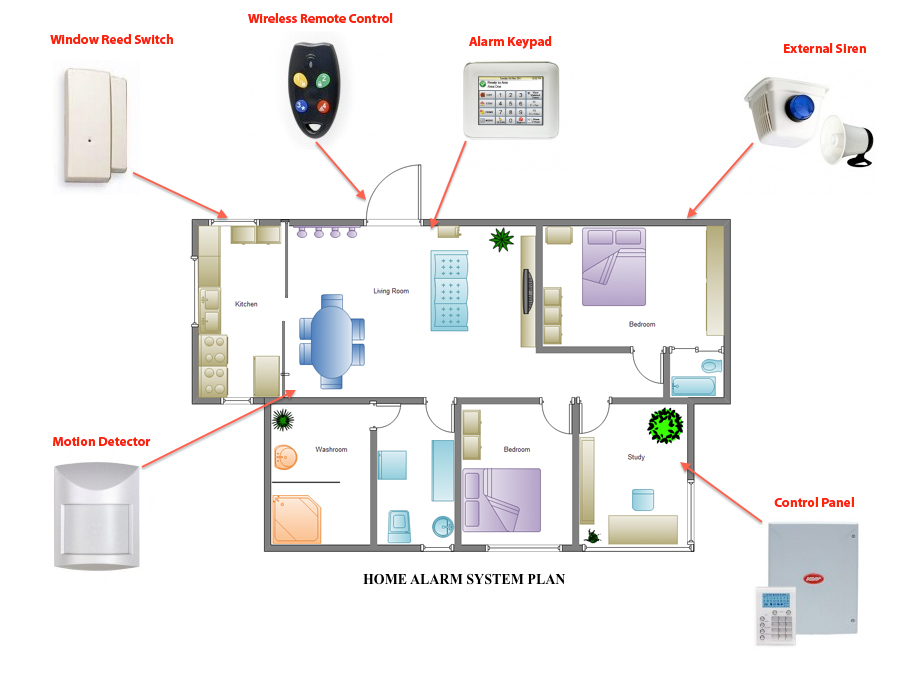
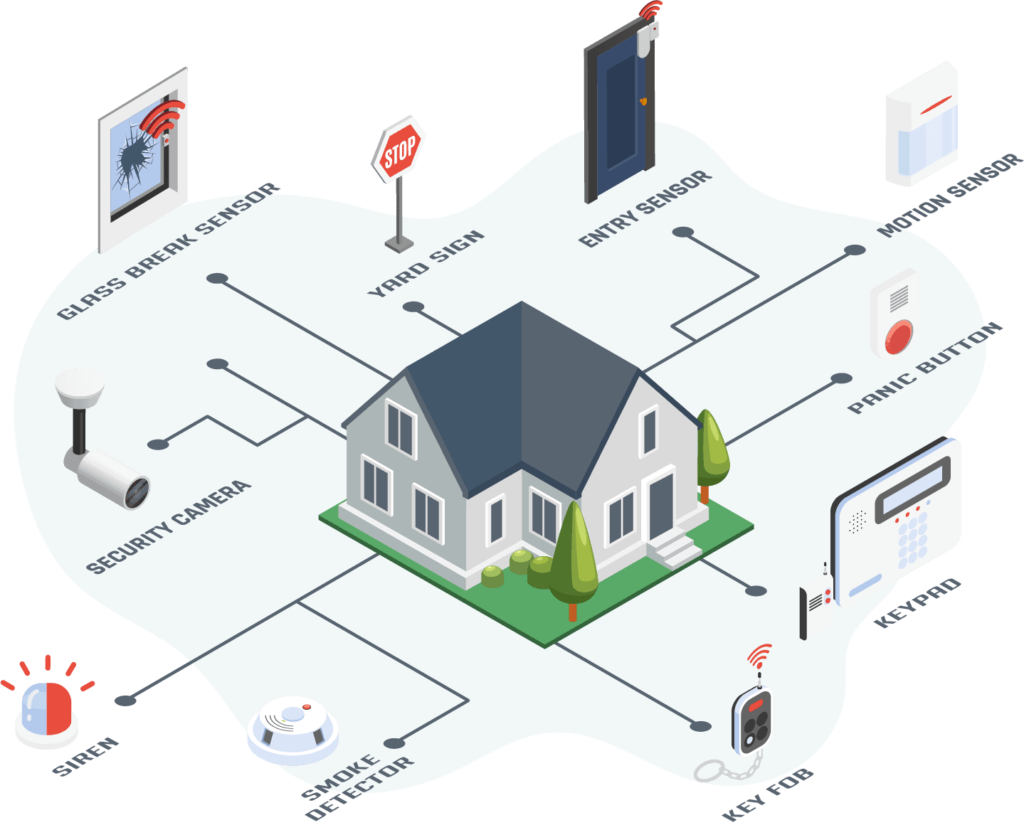
A home alarm system is not just one device. It is a combination of several parts working together. Here’s a breakdown of the most common components:
Exclusive Deals
Limited-time Exclusive Deals. Check current discount on Amazon.
Check Price on Amazon As an Amazon Associate I earn from qualifying purchases.1. Control Panel
The control panel is the system’s brain. It processes signals from sensors and decides whether to trigger an alarm. You use this panel to arm or disarm the system, usually with a keypad or touch screen.
2. Sensors
Sensors are placed around the home to detect movement, opening doors or windows, or environmental hazards. Types include:
- Motion detectors (use infrared or microwave to sense movement)
- Door/window sensors (magnetic contacts that signal when opened)
- Glass break sensors (detect sound or vibration from breaking glass)
- Smoke and heat detectors
- Carbon monoxide detectors
- Alarms
The alarm is a loud siren or buzzer that alerts people when a threat is detected. Some alarms also include flashing lights.
4. Security Cameras
Many modern systems use security cameras to record activity and provide live video feeds. These can be indoor, outdoor, or doorbell cameras.
5. Key Fobs And Mobile Apps
You can control the system remotely with a key fob or smartphone app. This allows you to arm/disarm or check status from anywhere.
Exclusive Deals
Limited-time Exclusive Deals. Check current discount on Amazon.
Check Price on Amazon As an Amazon Associate I earn from qualifying purchases.6. Monitoring Service
Some systems connect to a professional monitoring center. If a sensor is triggered, staff can respond, call the police, or help during an emergency.
7. Backup Power Supply
Most systems have a backup battery to keep them running during power outages.
These components can be mixed and matched depending on your needs and budget.
How Does A Home Alarm System Work?
Let’s look at how these parts fit together in daily life.
Sensor Detection
Sensors are installed at entry points or strategic locations. When the system is armed, these sensors monitor for unusual activity. For example, a door sensor will trigger if someone opens the door while the alarm is set.
Signal Transmission
Once a sensor detects something, it sends a signal to the control panel. This communication is usually wireless, though older systems may use wired connections.
Alarm Activation
If the control panel receives a signal that matches a threat (such as forced entry), it activates the alarm. The siren sounds immediately, warning anyone in the home and often scaring away intruders.
Notification And Monitoring
If connected to a monitoring center, the panel sends a signal to professionals. They will contact you, verify the event, and call emergency services if needed. In systems without monitoring, you may get a phone alert or app notification.
Deactivation
To prevent false alarms, you can disarm the system using a code, key fob, or app. If you don’t respond quickly, the monitoring center may assume an emergency.
This process repeats every time the system is armed and detects activity.
Types Of Home Alarm Systems
There are several different system designs to fit different lifestyles and budgets. Here’s a comparison of the main types:
| Type | Connection | Monitoring | Installation | Typical Use |
|---|---|---|---|---|
| Wired | Physical cables | Professional or self | Professional | Permanent homes |
| Wireless | Wi-Fi/Radio | Professional or self | DIY or professional | Rentals, mobile setups |
| Smart | Wi-Fi/Bluetooth | App-based | DIY | Tech-savvy users |
| Monitored | Any | Professional | Professional | High-security needs |
| Unmonitored | Any | Self | DIY | Basic protection |
Each system has advantages. Wired systems are reliable but harder to install. Wireless systems are flexible and easy to expand. Smart systems can connect with other devices like smart locks or lights. Monitored systems give peace of mind but cost more.

Why Home Alarm Systems Matter
Safety is the main reason to install a home alarm. But there are other important benefits:
- Deterrence: Visible alarms and cameras reduce the chance of break-ins. Burglars are less likely to target protected homes.
- Quick Response: Alarms alert you and authorities faster, limiting damage or theft.
- Fire and Carbon Monoxide Protection: Many systems include sensors that detect smoke or gas leaks, saving lives.
- Insurance Savings: Some insurance companies offer discounts for homes with alarms.
- Peace of Mind: Knowing your home is protected helps you relax.
In the US, homes without security systems are 300% more likely to be burglarized, according to FBI crime data. This shows the real impact of alarm systems.
Choosing The Right Home Alarm System
Picking the best system depends on your needs, home size, and budget. Here are some key factors to consider:
Coverage Area
Count all doors, windows, and rooms you want to protect. Larger homes need more sensors and possibly multiple cameras.
Type Of Monitoring
Decide if you want professional monitoring or self-monitoring. Professional services add monthly costs but handle emergencies for you.
Installation
Some systems require professional installation. Others are easy to set up yourself. DIY systems are popular for renters and small homes.
Smart Features
Modern systems may offer smart home integration, mobile apps, voice control, and automation.
Reliability
Look for systems with backup power and secure communication. Wireless systems should be encrypted to prevent hacking.
Budget
Prices vary widely. Basic systems start at around $200. Advanced systems with monitoring can cost $1,000 or more. Monthly monitoring fees range from $15 to $60.
Comparing Features
Here’s a quick comparison of popular features:
| Feature | Basic Systems | Advanced Systems |
|---|---|---|
| Door/Window Sensors | ✔️ | ✔️ |
| Motion Detectors | Optional | ✔️ |
| Security Cameras | Optional | ✔️ |
| Smart Integration | No | ✔️ |
| Professional Monitoring | No | ✔️ |
| Mobile App Control | No | ✔️ |
| Environmental Sensors | No | ✔️ |
Installation: Diy Vs Professional
You can install many modern alarm systems yourself. DIY kits come with instructions and often use wireless sensors. Here’s how it usually works:
- Place sensors on doors, windows, and rooms.
- Mount cameras if included.
- Connect the control panel to Wi-Fi or power.
- Set up the app or monitoring service.
Professional installation ensures everything is correctly placed and configured. It’s best for complex systems or larger homes.
A common mistake is forgetting to test sensors after installation. Always check each sensor and alarm before relying on the system.
Smart Home Integration
Many new alarm systems connect to smart home devices. This means you can link alarms to lights, thermostats, and voice assistants like Alexa or Google Home. For example:
- If an alarm triggers, lights can turn on automatically.
- You can arm/disarm the system by voice.
- Cameras and alarms can be checked from your phone.
Integration adds convenience and extra protection, but it also requires careful setup. Weak passwords or outdated software can create security risks. Always update devices and use strong codes.
Common Problems And How To Avoid Them
Even good systems can run into issues. Here are some common mistakes and tips to prevent them:
1. False Alarms
Pets, wind, or faulty sensors can trigger alarms when there’s no real threat. Adjust sensor sensitivity and place them carefully.
2. Weak Wi-fi Signal
Wireless systems need strong Wi-Fi. Place routers close to control panels, or use signal boosters.
3. Forgotten Codes
If you forget your disarm code, you may trigger the alarm accidentally. Keep codes simple but secure.
4. Poor Maintenance
Batteries run out and sensors can fail. Test your system monthly and replace batteries as needed.
5. Not Using All Features
Many people don’t use mobile apps or smart features. Explore your system’s options for maximum benefit.
6. Ignoring Updates
Software updates fix bugs and improve security. Always keep your system up to date.
Real-world Examples
Home alarm systems have prevented many crimes and saved lives. For instance, in Phoenix, a homeowner’s alarm system alerted police during a break-in. Officers arrived quickly, and the burglars were caught. Another case in Chicago involved a fire alarm that triggered while the family slept, giving them time to escape before the fire spread.
Insurance companies report fewer claims from homes with alarms. According to the National Council for Home Safety and Security, homes with visible security systems are up to 60% less likely to be targeted by criminals.
Data And Statistics
Crime and safety experts track the impact of alarm systems. Here are some facts:
- In the US, about 30% of burglaries happen through unlocked doors or windows. Alarm systems encourage people to secure entry points.
- FBI reports show that homes with security systems are three times less likely to be burglarized.
- About 94% of alarm users say they feel safer after installation.
- Fire-related alarms reduce fatalities by up to 50%, according to the National Fire Protection Association.
These numbers show that alarm systems are not just a luxury—they are an important tool for safety.
The Future Of Home Alarm Systems
Technology is changing how alarms work. Here are some trends shaping the future:
- Artificial Intelligence (AI): AI can analyze video feeds and detect suspicious behavior, reducing false alarms.
- Remote Monitoring: Cloud-based systems let you check your home from anywhere.
- Smart Sensors: New sensors can detect more than just movement, including temperature changes and air quality.
- Integration with Emergency Services: Systems may soon connect directly to police or fire departments, speeding up response times.
As technology improves, alarm systems will become more effective and easier to use.
How To Maintain Your Home Alarm System
Keeping your system in good shape is essential. Follow these tips:
- Test sensors monthly.
- Replace batteries in sensors and control panels every 6–12 months.
- Update software regularly.
- Clean cameras and sensors to prevent dust buildup.
- Review app settings and monitoring contacts.
- Change codes if you move or have new residents.
A well-maintained system lasts longer and works better when you need it.
Frequently Asked Questions
What Is The Difference Between Monitored And Unmonitored Alarm Systems?
Monitored systems connect to a professional service that responds to alerts and contacts authorities. Unmonitored systems rely on sirens or notifications to the homeowner, who must act if there’s an emergency.
How Much Does A Home Alarm System Cost?
Basic systems start around $200, with advanced setups costing over $1,000. Monitoring services add $15–$60 per month. Price depends on features, installation, and brand.
Can Home Alarm Systems Be Hacked?
Wireless systems are vulnerable if not secured. Always use strong passwords, update software, and choose encrypted systems. Professional brands offer better protection.
Will A Home Alarm System Work During A Power Outage?
Most systems have backup batteries that keep them running for several hours. Some advanced systems also use cellular networks for alerts.
Are Home Alarm Systems Worth It For Renters?
Yes, wireless and DIY systems are ideal for renters. They are easy to install and remove, and can be moved to a new home.
For more detailed information on home security, visit Wikipedia: Security System.
Home alarm systems play a crucial role in modern safety. By understanding what they are, how they work, and how to choose the right system, you can protect your home, family, and peace of mind. Whether you’re looking for basic protection or advanced smart features, there’s a solution for every home.
Take time to evaluate your needs, avoid common mistakes, and invest in a system that fits your lifestyle. With the right alarm system, you can face the future with confidence and security.