Are Home Alarm Systems Worth The Investment
Every year, millions of homeowners ask themselves if they really need a home alarm system. With prices ranging from a few hundred to several thousand dollars, it’s natural to wonder if this technology actually protects your home, or if it’s just a peace-of-mind purchase. While break-ins and property crime rates are slowly declining in many places, burglary still affects thousands of families each year. So, are home alarm systems worth the investment? Let’s look at facts, real-life examples, cost comparisons, and practical advice to help you decide.
Exclusive Deals
Limited-time Exclusive Deals. Check current discount on Amazon.
Check Price on Amazon As an Amazon Associate I earn from qualifying purchases.Understanding Home Alarm Systems
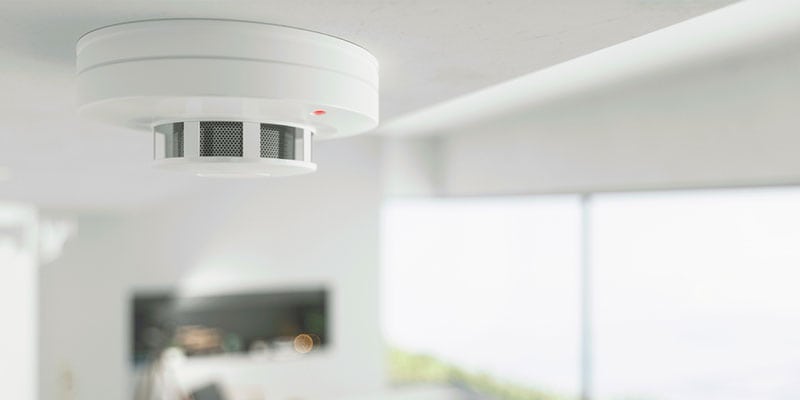
Home alarm systems are designed to detect unauthorized entry, alert the homeowner, and often notify the authorities. They usually include door and window sensors, motion detectors, loud alarms, and sometimes cameras. Some systems connect to a monitoring center that can call the police for you. Over time, alarm technology has become much more advanced, allowing homeowners to customize their security to match their needs.
Main Types Of Home Alarm Systems
There are several types of home alarm systems, each with unique features:
1. Wired Systems
Installed directly into the home’s electrical setup. Reliable but harder to install and move. These are often recommended for new builds or major renovations, because installation requires running cables through walls. Wired systems rarely suffer from signal loss or interference, which makes them dependable in areas where wireless coverage may be weak.
2. Wireless Systems
Use batteries and Wi-Fi. Easier to install and move but may need regular battery changes. Wireless systems are ideal for renters or people who move frequently. They can be expanded easily if you want to add more sensors later. However, you need to check battery levels regularly to avoid gaps in protection.
Exclusive Deals
Limited-time Exclusive Deals. Check current discount on Amazon.
Check Price on Amazon As an Amazon Associate I earn from qualifying purchases.3. Monitored Systems
Connected to a professional monitoring service. When triggered, someone contacts you and the authorities. Monitored systems are often chosen by people who travel a lot or want extra peace of mind. The monitoring center can react quickly in emergencies, which increases your chances of preventing loss or damage.
4. Unmonitored Systems
Only sound a siren or send alerts to your phone. You handle emergencies yourself. These are best for people who want basic protection without ongoing costs. If you’re always at home, or live in a small community, an unmonitored system might be enough.
5. Smart Alarm Systems
Integrate with smart home devices. You can control them from your smartphone, receive alerts, and see live video. Smart systems offer flexibility and convenience, letting you check on your home from anywhere. Some smart systems also connect to other devices, like smart locks and thermostats, to make your home safer and more efficient.
Key Features To Look For
- Sensors for doors, windows, and motion
- Security cameras (indoor/outdoor)
- Mobile app control
- Fire and carbon monoxide detection
- Remote access and alerts
- Professional monitoring
Some systems are basic, while others offer advanced protection. Choose features based on your needs and budget. For example, if you have pets, look for motion sensors that can distinguish between animals and humans. If you live in an area prone to flooding or fires, environmental sensors can be lifesavers.
How Home Alarm Systems Help Prevent Crime
Research shows that homes with alarm systems are much less likely to be targeted by burglars. According to the FBI, in 2022, property crime rates were about 14.1 per 1,000 households in the US. Homes with visible alarms, cameras, or signs are often skipped by thieves.
Exclusive Deals
Limited-time Exclusive Deals. Check current discount on Amazon.
Check Price on Amazon As an Amazon Associate I earn from qualifying purchases.Real Data: Burglary And Alarm Systems
A study by the University of North Carolina found that 60% of convicted burglars said they would avoid homes with security systems. Another survey showed that homes without alarms are 300% more likely to be broken into. This isn’t just theory—police reports often show that homes with alarms rarely experience repeat burglaries, because criminals remember which properties are protected.
Common Misconceptions
Many people think alarm systems only help after a crime happens. In reality, their deterrent effect is often more valuable. Thieves usually look for easy targets. A sign or camera can be enough to make them move on. Some burglars even admit they drive around neighborhoods looking for homes without visible security devices.
Additional Benefits
- Faster police response (with monitored systems)
- Lower insurance premiums
- Peace of mind for homeowners and families
Insurance savings can add up over time. For example, if your policy drops $150 per year because you have an alarm, the system may eventually pay for itself. Peace of mind is harder to measure, but many families report feeling safer and sleeping better after installing alarms.
Costs: What Does A Home Alarm System Really Cost?
Price is one of the biggest factors for most buyers. Home alarm systems can range from simple setups to full-featured smart systems.
Upfront Costs
- Basic DIY systems: $200–$500
- Professional installation: $800–$2,500
- Smart systems with cameras: $1,200–$3,500
DIY systems are often less expensive because you install them yourself. Professional systems may include custom wiring, higher-quality sensors, and a longer warranty. Smart systems cost more because they include cameras, cloud storage, and advanced features.
Monthly Fees
- Monitored systems: $20–$60 per month
- Unmonitored systems: No monthly fee
Monitored systems charge monthly fees for professional response. Some smart systems offer optional monitoring, which lets you upgrade or downgrade as needed.
Hidden Costs
- Maintenance and battery replacement
- Upgrades or additional sensors
- Possible false alarm fees (from local police)
Maintenance costs can vary. Batteries usually need replacing every 1–2 years. False alarm fees are charged in some cities if police are called and there’s no real emergency. Upgrades may be needed if you move to a bigger home or want more coverage.
Example Cost Comparison
Here’s a quick comparison of typical system prices:
| System Type | Upfront Cost | Monthly Fee | Monitoring |
|---|---|---|---|
| DIY Wireless | $350 | $0 | No |
| Professional Wired | $1,200 | $40 | Yes |
| Smart System | $2,000 | $30 | Optional |
If you plan to stay in your home for years, it can make sense to invest in a higher-end system. But for short-term needs, a basic DIY setup is often enough.
Comparing Home Alarm Systems To Other Security Options
Alarm systems are not the only way to protect your property. Let’s compare them to other common methods.
Security Cameras
Cameras record evidence and act as a deterrent. However, they don’t always prevent entry or alert the police. Some criminals cover cameras or break in through blind spots.
Physical Barriers
Locks, deadbolts, and reinforced doors are basic but effective. They work best when combined with an alarm system. Most experts say good locks are your first defense, but alarms add another layer.
Neighborhood Watch
Community programs can reduce crime, but they depend on active participation and don’t provide instant alerts. Some neighborhoods use group chats or apps to share suspicious activity, but this only works if people are vigilant.
Dogs
Some people rely on guard dogs. They can deter thieves, but they don’t alert police or provide evidence. Dogs also need care and training, and some breeds are better at guarding than others.
Comparison Table: Security Methods
| Method | Deterrence | Evidence | Instant Alert | Cost |
|---|---|---|---|---|
| Alarm System | High | Medium | Yes | Medium-High |
| Camera | Medium | High | No | Medium |
| Locks | Medium | No | No | Low |
| Neighborhood Watch | Low | No | No | Low |
| Guard Dog | Medium | No | No | Medium |
A strong security plan often combines several methods. For example, pairing cameras and alarms gives both deterrence and evidence. Locks are essential, but alone they don’t stop determined thieves.
Advantages Of Home Alarm Systems
There are several reasons homeowners choose to invest in alarm systems.
1. Deterrence
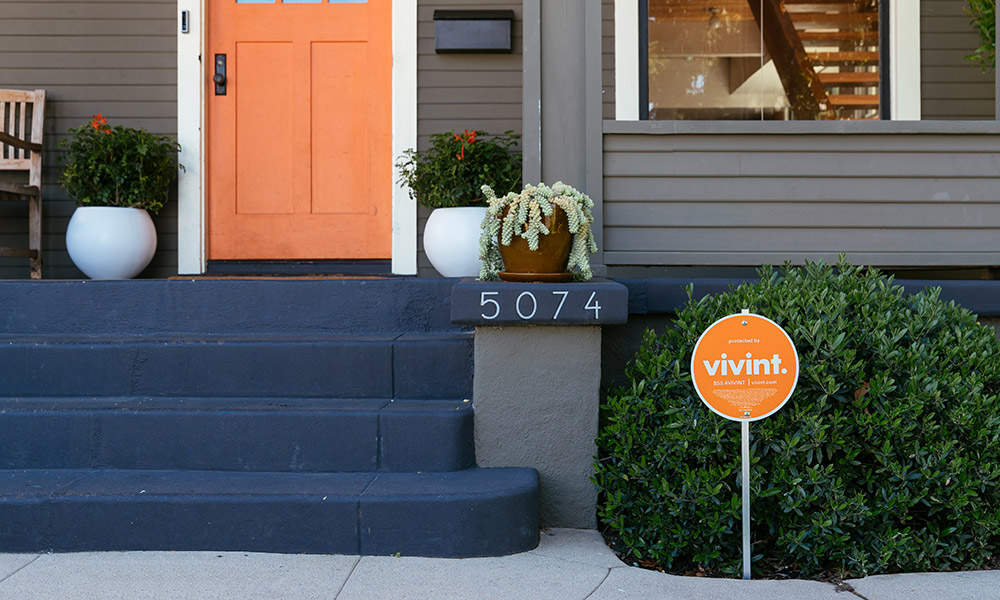
The biggest advantage is deterrence. Visible alarms and signs discourage criminals. Some studies show that even fake signs or dummy cameras can lower your risk, but real systems are far more effective.
2. Rapid Response
Monitored systems can alert authorities in seconds, increasing the chances of catching a thief. This is especially useful if you’re away or asleep.
3. Insurance Savings
Many insurance companies offer discounts of 5–20% for homes with security systems. Check with your insurer before installing, as some require proof of monitoring.
4. Fire And Environmental Protection
Modern systems often include smoke, carbon monoxide, and flood sensors, protecting more than just against theft. Early alerts can save lives and property.
5. Peace Of Mind
Knowing your home is protected helps you relax, especially when traveling. Parents with young children often report feeling much safer, especially at night.
6. Home Automation
Smart systems can control lights, locks, and cameras, making your home more convenient. For example, you can set lights to turn on automatically when you arrive home or check your front door from your phone.
Non-obvious Insights
- False alarms can be minimized by proper setup. Many people don’t realize that incorrect sensor placement is a common cause. For example, placing motion sensors near heating vents or windows can trigger false alarms.
- Data privacy is important. Some smart systems collect information about your home. Check privacy policies before buying. Look for brands that offer encrypted data storage and let you control who can access your video feeds.
Disadvantages And Downsides
No product is perfect. Here are some drawbacks to consider.
1. Cost
Initial setup and monthly fees can be expensive, especially for monitored systems. If you move frequently or live in a low-risk area, the investment may not pay off.
2. False Alarms
Sometimes alarms are triggered by pets, weather, or simple mistakes. This can lead to police fines or annoyance. If you have children or pets, choose sensors with adjustable sensitivity.
3. Maintenance
Batteries need changing, sensors can fail, and software updates are required. Neglecting maintenance can leave your system useless when you need it most.
4. Privacy Concerns
Some systems record video or audio. Make sure you know who can access your data. It’s wise to change default passwords and update software to prevent hacking.
5. Over-reliance
Alarm systems are just one layer of security. Relying only on alarms can be risky if you forget basic safety steps. Always lock doors and windows, even if your alarm is active.
Extra Insights
- Local regulations may require registration or limit certain features. Always check with your city before installing. Some places charge fees for false alarms or require permits.
- Some systems lose connection during power outages unless they have backup batteries. If you live in an area with frequent outages, look for systems with built-in battery backup.

Are Alarm Systems Worth It For Every Home?
The value of a home alarm system depends on your situation.
High-risk Areas
If you live in a neighborhood with high burglary rates, an alarm system is often worth the cost. Talk to neighbors or check local crime maps to understand your risk.
Valuable Property
Homes with expensive items, electronics, or jewelry benefit more from alarms. If you store valuables in a safe, consider adding sensors to the safe itself.
Frequent Travel
If you’re away often, a monitored system can protect your home while you’re gone. You can also use mobile alerts to check in while traveling.
Renters
Renters can use wireless or portable systems. No need to drill holes or make permanent changes. Some landlords even encourage tenants to install alarms for added safety.
Comparison: Home Types And Alarm Value
| Home Type | Alarm System Suitability | Recommended System |
|---|---|---|
| Detached House | High | Monitored or Smart System |
| Apartment | Medium | Wireless System |
| Condo | Medium | Smart System |
| Rental | Low–Medium | DIY Wireless |
If you live in a gated community or high-rise building, check if the property already has security. Sometimes your needs are different from those of a single-family home.
How To Choose The Right Alarm System
With so many options, picking the best system can be tricky. Here’s what matters most:
1. Decide On Monitoring
Do you want a monitored system or will you handle alerts yourself? Monitored systems are safer but cost more. If you travel a lot, monitoring is often worth it.
2. Think About Installation
DIY systems are cheaper and easy to install. Professional systems offer better coverage and reliability. If you’re not comfortable with technology, professional installation may save headaches.
3. Consider Smart Features
Smart systems allow remote control, video streaming, and integration with other devices. If you already use smart home devices, look for systems that work with them.
4. Check Compatibility
Make sure the system works with your home’s layout and your internet connection. Large homes may need more sensors or repeaters.
5. Read Reviews
Look for real user feedback. Some brands promise more than they deliver. Check for complaints about connectivity or customer service.
6. Ask About Warranty And Support
Good support and warranty can save you money and stress. Some companies offer free replacements if sensors fail.
Common Buyer Mistakes
- Choosing a system with too few sensors for your home size
- Ignoring privacy concerns with camera systems
- Forgetting to ask about hidden fees and false alarm penalties
- Not checking if the system is compatible with your smartphone
Many buyers also forget to test their system regularly. Set reminders to check sensors and batteries every few months.
Real-life Examples: Success Stories
Many homeowners have shared positive experiences after installing alarm systems.
- Sarah, Texas: After a break-in, Sarah installed a monitored system. Six months later, her alarm sounded while she was away. Police responded quickly, and the thief was caught. She now feels safer leaving her home unattended.
- Mike, California: Mike uses a smart system with cameras. He receives alerts on his phone and can see who is at his door, even when traveling. Once, he caught a delivery person mishandling a package and was able to report it.
- Lila, New York: Lila’s alarm system included fire sensors. When a kitchen fire started, the alarm contacted the fire department, saving her property. She credits the system with preventing major damage.
These stories show real value beyond just preventing theft. Some homeowners also report that alarm systems helped them spot water leaks or carbon monoxide problems before they became serious.
Is Peace Of Mind Worth The Price?
For many people, the biggest reason to invest is simple: peace of mind. Knowing your family, belongings, and home are safe matters, even if you never experience a burglary.
Important Considerations
- If you value security and stress-free living, an alarm system is often worth it.
- For those in low-crime areas, consider simple systems or just cameras.
- Always weigh the cost against the benefits for your situation.
Think about how much time and energy you spend worrying about your home. If an alarm system helps you relax and focus on other things, it’s often a good investment.
Frequently Asked Questions
How Much Does A Basic Home Alarm System Cost?
A basic system can cost between $200 and $500. Prices depend on whether you install it yourself or hire a professional, and if you want extra features like cameras or smart controls.
Do Alarm Systems Really Prevent Burglaries?
Yes, studies show homes with visible alarms are 60% less likely to be targeted. They work mainly as deterrents and can alert police quickly if a break-in happens.
What Are Common Mistakes When Buying An Alarm System?
Some buyers choose too few sensors, ignore privacy issues, or forget to check for hidden fees. Always read reviews and check compatibility with your home and phone.
Can Renters Use Home Alarm Systems?
Renters can use wireless and portable systems. These don’t require drilling or permanent changes and can be moved when you relocate.
Are There Any Privacy Risks With Smart Alarm Systems?
Some smart systems collect data or record video. Always check privacy policies and control who has access to your camera feeds.
Home alarm systems are a serious investment. For many families, they deliver real protection, peace of mind, and even savings on insurance. However, they aren’t for everyone. Before buying, consider your risk level, budget, and what features matter to you.
Take your time, ask questions, and compare options. And remember, security is not just about technology—it’s about making your home safer in every way.
For more data and research, visit the Security.org Burglar Statistics.