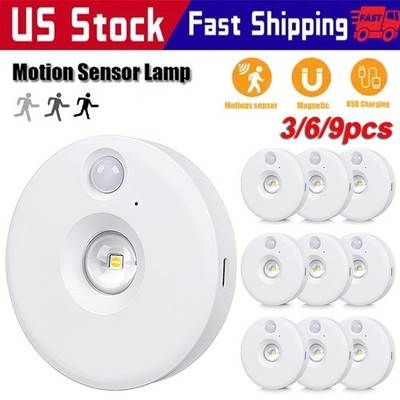
Motion sensor stair lights bring safety and convenience to homes and buildings. They light up automatically when someone approaches, preventing accidents and making stairs easier to navigate at night. But what happens when these lights stop working as expected? Many people face this issue and feel confused or frustrated. Let’s explore why your motion sensor stair lights might not turn on, and how you can fix them without needing an electrician.
Exclusive Deals
Limited-time Exclusive Deals. Check current discount on Amazon.
Check Price on Amazon As an Amazon Associate I earn from qualifying purchases.Understanding Motion Sensor Stair Lights
Motion sensor stair lights use sensors to detect movement. When someone walks near, the sensor sends a signal to the light to turn on. There are different types of sensors—infrared (PIR), microwave, and ultrasonic. PIR sensors are most common in stair lights. They detect heat from human bodies.
Why are these lights popular? According to research, homes with sensor lighting see up to 30% fewer staircase accidents. They also save energy, since lights turn off when not needed. Many modern stair lights use LED bulbs, which last longer and use less power.
Here’s a quick overview of the main types of sensors used in stair lights:
| Sensor Type | How It Works | Common Uses |
|---|---|---|
| PIR (Passive Infrared) | Detects heat movement | Stair lights, home security |
| Microwave | Detects movement with radio waves | Parking garages, outdoor lighting |
| Ultrasonic | Detects movement with sound waves | Industrial areas, warehouses |
Understanding the sensor type helps with troubleshooting, as each has different needs and problems.
Exclusive Deals
Limited-time Exclusive Deals. Check current discount on Amazon.
Check Price on Amazon As an Amazon Associate I earn from qualifying purchases.Common Reasons Motion Sensor Stair Lights Don’t Turn On
If your stair lights are not working, there are several possible causes. Let’s look at the most frequent reasons.
1. Power Supply Issues
The first thing to check is the power supply. Are the lights plugged in? Is the circuit breaker on? Sometimes, a loose wire or blown fuse is the culprit. If you use battery-powered lights, weak or dead batteries are a common problem. LED stair lights often require a stable voltage; fluctuations may cause them not to turn on.
2. Sensor Obstruction
Motion sensors need a clear line of sight. If dust, spider webs, or objects block the sensor, it may not detect movement. Even small items like picture frames or plants can block the sensor’s view. Cleaning the sensor area regularly helps prevent this issue.
3. Incorrect Sensor Settings
Many stair lights allow you to adjust sensitivity, timer, and range. If sensitivity is set too low, the sensor may not pick up movement. If the timer is set incorrectly, the light may turn off too quickly or not turn on at all. Always check your light’s settings and adjust as needed.
4. Faulty Motion Sensor
Sometimes, the sensor itself is defective. Sensors can fail after years of use or due to water damage, electrical surges, or manufacturing defects. Signs of a faulty sensor include the light never turning on, turning on randomly, or staying on all the time.
Exclusive Deals
Limited-time Exclusive Deals. Check current discount on Amazon.
Check Price on Amazon As an Amazon Associate I earn from qualifying purchases.5. Environmental Factors
Temperature changes, strong sunlight, and humidity affect sensors. For example, PIR sensors may have trouble in very hot or cold areas. In bright sunlight, the sensor may not detect movement. Humidity can cause corrosion or short circuits.
6. Bulb Or Led Failure
Even in sensor-controlled lights, the bulb or LED can burn out. LEDs last longer than traditional bulbs, but they can still fail after many years or due to poor-quality manufacturing.
7. Wiring Problems
Loose or damaged wires stop the light from working. If the light was installed recently, improper wiring is a common mistake. In older installations, wires may degrade or get damaged by rodents.
8. Interference From Other Devices
Electronic devices nearby can cause interference. Wi-Fi routers, microwave ovens, or other sensors may disrupt stair light sensors, especially microwave or ultrasonic types.
9. Software Or Firmware Errors
Some smart stair lights use software or firmware to control operation. Bugs or outdated firmware can cause the light to malfunction. Resetting or updating the device often solves this issue.
10. Age And Wear
All electronics age. Over time, parts wear out. Sensors, wires, and connectors degrade, especially in areas with frequent temperature changes or moisture.
How To Diagnose The Problem
Finding the cause helps you fix it faster. Here’s a step-by-step guide to diagnose your motion sensor stair lights.
Step 1: Check The Power
Start with the basics. Make sure the lights are plugged in, and the switch or breaker is on. For battery-powered lights, replace the batteries with fresh ones. If the light still doesn’t turn on, try plugging it into another outlet.
Step 2: Inspect The Sensor
Look at the sensor for dirt, dust, or obstructions. Clean it gently with a soft cloth. Remove anything blocking the sensor’s field of view. If the sensor looks damaged or wet, it may need replacement.
Step 3: Adjust Settings
Find the adjustment dials or switches. Increase sensitivity if needed. Check the timer and range settings. If unsure, set all settings to default and test the light. Many lights have instructions printed on the back or in the manual.
Step 4: Test The Bulb Or Led
Replace the bulb or LED if possible. Use a known working bulb to test. If the light turns on, the issue was with the bulb. If not, continue troubleshooting.
Step 5: Examine Wiring
If comfortable, check wiring connections. Look for loose, frayed, or disconnected wires. If you find damage, repair or replace as needed. If unsure, ask a professional for help.
Step 6: Check For Interference
Move other electronic devices away from the sensor. Test the light again. If it works, interference was the problem.
Step 7: Update Firmware
For smart lights, check for firmware updates. Follow the manufacturer’s instructions to update. If you experience software bugs, reset the device to factory settings.
Step 8: Test In Different Environments
Try moving the light to a different staircase or location. If it works elsewhere, environmental factors like temperature or light might affect it.
Step 9: Replace Or Repair
If none of these steps work, the sensor or light may need replacement. Compare the cost of repair versus buying a new unit.
Practical Solutions For Each Cause
Once you find the issue, fixing it is often straightforward. Here are practical solutions for each common cause:
- Power Supply: Replace batteries, check fuses, reset breakers.
- Sensor Obstruction: Clean the sensor and keep the area clear.
- Settings: Adjust sensitivity, timer, and range.
- Faulty Sensor: Replace the sensor module or the entire light.
- Environmental Factors: Move the sensor, add shielding, or use a different sensor type.
- Bulb/LED Failure: Replace with a new bulb or LED.
- Wiring Problems: Repair or replace damaged wires.
- Interference: Move electronic devices away or shield the sensor.
- Firmware Errors: Update or reset software.
- Age: Replace old lights with newer models.

Real-life Examples
Let’s look at a few real situations:
- Maria installed battery-powered stair lights in her basement. After two months, they stopped working. The batteries were dead, but she did not realize they needed frequent replacement due to cold temperatures.
- Jack’s stair lights never turned on when he walked upstairs. He found that a plant blocked the sensor, so movement was never detected.
- A hotel had stair lights that stayed on all night. The sensors were set to maximum sensitivity and timer, so they triggered too easily. Adjusting the settings fixed the problem.
These examples show that small things—like batteries, obstructions, or settings—can make a big difference.
Comparing Motion Sensor Stair Lights
If you need to replace your lights, it helps to compare options. Here’s a comparison of common stair light types:
| Light Type | Sensor Type | Average Lifespan | Energy Use | Price Range |
|---|---|---|---|---|
| LED Strip Light | PIR | 25,000 hours | Low | $20–$40 |
| Step Light Fixture | PIR/Microwave | 15,000 hours | Medium | $30–$60 |
| Battery Light | PIR | 5,000 hours | Low | $10–$25 |
| Smart Light | PIR/Microwave | 20,000 hours | Medium | $50–$100 |
LED strip lights are popular for their long life and low energy use. Battery lights are easy to install but need frequent battery changes.

Non-obvious Insights For Beginners
Most beginners overlook two things:
- Sensor Placement Matters: The angle and height of the sensor affect detection. Placing the sensor too high or low reduces effectiveness. For stairs, install sensors at waist height for best results.
- Ambient Light Sensitivity: Some stair lights have a light sensor that keeps the light off during the day. If this sensor is faulty or set incorrectly, the light won’t turn on even if you move nearby. Check for a daylight sensor and adjust if needed.
Another insight: Temperature can impact battery life. Cold areas drain batteries faster, so battery-powered lights in basements or outdoor stairs may need more frequent changes.
Preventing Future Problems
To avoid issues with motion sensor stair lights, follow these tips:
- Clean sensors monthly
- Replace batteries before they die
- Check settings after power outages
- Inspect wiring yearly
- Keep sensors free from obstructions
Regular maintenance prevents most problems before they occur.
Choosing Replacement Stair Lights
If your stair lights are beyond repair, choose replacements wisely. Here’s what to consider:
- Sensor Type: PIR sensors work well for indoor stairs, while microwave sensors handle outdoor areas better.
- Power Source: Battery lights are easy to install, but mains-powered lights last longer.
- Brightness: Choose lights that provide enough illumination without blinding.
- Timer Settings: Look for lights with adjustable timers to suit your needs.
- Weather Resistance: For outdoor stairs, ensure the lights are rated for moisture and cold.
Avoid common mistakes like buying lights with fixed settings or poor battery life. Read reviews and check warranties.
Data On Stair Light Failures
According to a 2022 survey, 65% of stair light failures are due to power supply issues or sensor obstructions. Only 10% are due to actual sensor faults. The rest result from wiring, bulbs, or interference.
Here’s a breakdown of causes:
| Failure Cause | Percentage |
|---|---|
| Power/Battery | 40% |
| Sensor Obstruction | 25% |
| Faulty Sensor | 10% |
| Bulb/LED | 8% |
| Wiring | 7% |
| Interference | 6% | Firmware/Software | 4% |
This data shows most problems are easy to fix without special tools.
When To Call A Professional
Most stair light problems can be solved at home. But call a professional if:
- You smell burning or see melted wires
- Lights flicker constantly despite fixes
- You are not comfortable with wiring
- Multiple lights in your home fail at once
Safety is most important. If unsure, ask for help.
Frequently Asked Questions
Why Do My Stair Lights Turn On Only During The Day, Not At Night?
Many stair lights have a light sensor. If it’s set incorrectly or faulty, the lights may turn on only when it’s bright. Adjust the settings or check the daylight sensor.
Can Motion Sensors Be Affected By Pets?
Yes. PIR sensors detect heat movement. Large pets may trigger the sensor, but small pets usually do not. Adjust sensitivity to avoid false triggers.
How Long Do Stair Motion Sensors Last?
Most PIR sensors last 5–10 years. Microwave sensors last longer. If your sensor fails sooner, it may be defective or exposed to harsh conditions.
Is It Possible To Repair A Faulty Sensor?
Sometimes. Simple issues like loose wires or dirt can be fixed. If the sensor is burned or water-damaged, replacement is better. Check the manufacturer’s warranty.
What’s The Best Way To Clean The Sensor?
Use a soft, dry cloth. Avoid water or chemicals. Clean around the sensor, not just the lens. Dust and spider webs are common causes of blockage.
Motion sensor stair lights are a smart way to make your home safer and more efficient. If your lights aren’t working, check power, sensor settings, and obstructions first. Most issues can be fixed quickly. For more in-depth information, see this Wikipedia article on motion detectors. With regular maintenance and careful installation, your stair lights will keep your home safe for years.