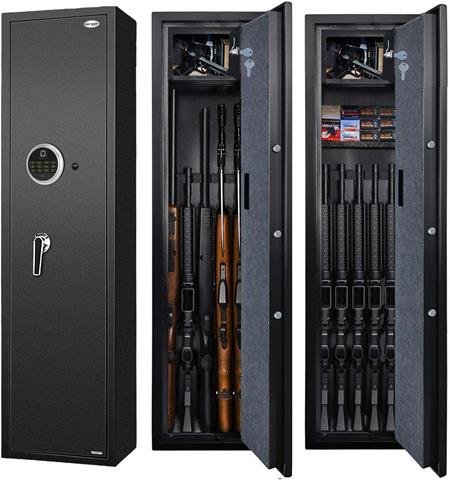
Many people choose rechargeable stair lights to make their homes safer and more convenient. These little lights turn on automatically when you walk by, helping you see each step at night. But if you use them, one question comes up quickly: How long do the batteries actually last? You want to avoid charging them all the time, but you also want enough brightness to see clearly. The answer is not simple because several things affect battery life, from the type of battery to how you use the lights. Understanding these details will help you choose the right stair lights and keep them working their best.
Exclusive Deals
Limited-time Exclusive Deals. Check current discount on Amazon.
Check Price on Amazon As an Amazon Associate I earn from qualifying purchases.This article explains everything you need to know about the lifespan of rechargeable stair light batteries. You’ll learn how battery type, brightness, usage, and even your home’s temperature can play a role. We’ll compare different battery technologies, explain what manufacturers really mean when they talk about “hours of runtime,” and share tips to help you make your lights last longer.
If you want to avoid common mistakes and get the most from your stair lights, keep reading.
What Are Rechargeable Stair Lights?
Rechargeable stair lights are small, battery-powered lights that you can place on or near stairs. Most models use LED bulbs because they are energy efficient. You can find stair lights that mount with screws, stick with adhesive, or even use magnetic bases. Many of them have built-in motion sensors and light sensors, so they only turn on in the dark when someone is nearby.
A key feature is the rechargeable battery inside. Instead of buying new batteries every month, you simply plug the unit into a USB charger or remove the battery to recharge. Most stair lights use lithium-ion or lithium-polymer batteries, which are similar to those in smartphones.
Exclusive Deals
Limited-time Exclusive Deals. Check current discount on Amazon.
Check Price on Amazon As an Amazon Associate I earn from qualifying purchases.Typical Uses
- Lighting up dark staircases at night
- Making hallways safer for children or older adults
- Adding accent lighting for decoration
- Emergency lighting during power outages
Main Factors That Affect Battery Life
The answer to “How long do rechargeable stair light batteries last? ” depends on several main factors. Understanding these will help you estimate real-life battery life, not just what the box says.
1. Battery Type And Capacity
The battery’s type and capacity are the biggest factors. Most modern lights use lithium-ion (Li-ion) or lithium-polymer (LiPo) batteries. Older or cheaper models may use NiMH or even AA/AAA rechargeable cells.
- Lithium-ion: Usually lasts longer per charge and for more years.
- NiMH: Cheaper but often holds less power and loses charge faster.
The capacity is measured in milliamp-hours (mAh). Higher mAh means the battery stores more energy, so the light runs longer between charges. For example, a stair light with a 1200 mAh battery will run longer than one with 600 mAh, if all other things are equal.
2. Brightness And Power Settings
The brightness of the light (measured in lumens) directly affects battery life. Brighter lights use more energy. Many stair lights have adjustable brightness or “eco mode.” If you use the highest setting, the battery drains faster.
For example:
Exclusive Deals
Limited-time Exclusive Deals. Check current discount on Amazon.
Check Price on Amazon As an Amazon Associate I earn from qualifying purchases.- 80 lumens (high brightness) may last 4-6 hours of actual “on” time.
- 20 lumens (low brightness) could last 15-20 hours.
3. Motion And Light Sensor Settings
Stair lights often use motion sensors to turn on when someone walks by. Some also have light sensors so they only activate in darkness. If the sensor is too sensitive, the light may turn on too often (even for pets or passing shadows), using more battery. Adjusting the sensor’s range or angle can help.
4. Usage Patterns
How often you use the lights matters a lot. If your family walks up and down the stairs many times each night, the lights will turn on more and use more energy. Some people set lights to stay on all night, while others rely on motion activation.
A single activation may last 20-30 seconds. If the light turns on 40 times a night for 30 seconds each, that’s 20 minutes total. Multiply this by the number of lights you use.
5. Temperature And Environment
Cold temperatures can reduce battery performance. If stair lights are installed in unheated stairwells, garages, or outdoors, expect shorter battery life in winter. Very hot conditions can also reduce lifespan over time.
6. Age Of The Battery
Rechargeable batteries don’t last forever. Over hundreds of charge cycles, their capacity drops. A light that lasted 20 days per charge when new might only last 12 days after two years of use.

Typical Battery Lifespan: What To Expect
It’s useful to look at two types of battery lifespan:
- Runtime per charge: How many hours or days you get before needing to recharge
- Total battery lifespan: How many months or years before the battery won’t hold a charge
Average Runtime Per Charge
Most rechargeable stair lights advertise a runtime of 15 to 60 days per charge. But this is usually based on “typical use,” such as 10 activations per night at low brightness.
In real homes, the actual runtime can be much less if:
- The light is set to high brightness
- The sensor activates often (pets, drafts, etc.)
- The battery is aging
For example, if a manufacturer says “up to 60 days” but you have more traffic or higher brightness, you might only get 20-30 days between charges.
Here’s a quick comparison of estimated runtimes for different settings:
| Setting | Low Brightness | Medium Brightness | High Brightness |
|---|---|---|---|
| Average Runtime (days) | 45-60 | 25-40 | 10-20 |
Total Battery Lifespan (years Of Use)
Most lithium-ion batteries can be recharged 300 to 500 times before their capacity drops below 80%. If you recharge every 30 days, your light could last 3 to 5 years before you notice a big drop in runtime. Some batteries last even longer if you use lower brightness or charge less often.
Example: Real-world Usage
Let’s say you have a stair light with a 1200 mAh battery. You use it at medium brightness, and it turns on 20 times each night for 30 seconds. That’s 10 minutes per night.
- In this case, you might get about 30-40 days per charge when new.
- After two years, this might drop to 20-25 days.
Comparing Battery Technologies
The type of battery inside your stair light makes a big difference. Here’s a look at the most common types:
| Battery Type | Pros | Cons | Typical Lifespan |
|---|---|---|---|
| Lithium-ion (Li-ion) | High capacity, long life, low self-discharge | More expensive | 3-5 years |
| Lithium-polymer (LiPo) | Flexible shape, safe, stable | Usually lower capacity than Li-ion | 2-4 years |
| Nickel-metal hydride (NiMH) | Low cost, easy to replace | Shorter runtime, higher self-discharge | 1-3 years |
| AA/AAA Rechargeable | Cheap, widely available | Lowest capacity, frequent charging | 1-2 years |
Lithium-ion is the best choice for most people. It gives longer runtime and lasts more years before needing replacement.
How To Maximize Battery Life
A few smart habits can help you get the most from your stair light batteries. These tips will save time and money—and help your lights last longer.
1. Use Lower Brightness When Possible
Unless you need maximum brightness, set the light to a lower level. Most modern LEDs are bright enough even at 50% power, which can double or triple your runtime.
2. Adjust Motion Sensor Sensitivity
If your light turns on for every tiny movement (like a cat walking by), it will drain the battery quickly. Check if your light has a way to adjust the motion sensor angle or sensitivity. Aim it away from busy areas or vents.
3. Charge Before The Battery Is Completely Dead
Many lithium-ion batteries last longer if you recharge them before they are fully empty. Try to recharge when you notice the light getting dim, not after it goes completely dark.
4. Keep Batteries At Room Temperature
Extreme cold or heat can damage batteries. If possible, use stair lights indoors or in places where the temperature stays between 50°F and 80°F (10°C to 27°C).
5. Clean The Sensors And Lenses
Dust or dirt on the sensor can cause false triggers or make the light stay on longer. Wipe the lens and sensor area gently with a soft cloth every month.
6. Replace Batteries When Needed
If your light’s runtime drops sharply (for example, from 40 days to only 10), the battery may be worn out. Some models let you replace the battery, while others require a new light.
Common Mistakes That Shorten Battery Life
Many people unknowingly make mistakes that reduce the lifespan of their stair light batteries. Here are the most common ones to avoid:
- Using maximum brightness all the time: This gives a nice effect but drains the battery fastest.
- Placing lights in cold or hot spots: Batteries wear out faster in garages, entryways, or outdoor steps.
- Letting the battery stay empty for weeks: Lithium-ion batteries can get damaged if left empty for too long.
- Not updating to newer models: Older lights often use less efficient LEDs or battery types.
- Ignoring sensor settings: Too-sensitive sensors cause the light to turn on even when not needed.
How Manufacturers Rate Battery Life
When you read “up to 60 days per charge” on a stair light package, it can be misleading. Here’s why:
- Manufacturers test lights at the lowest brightness with few activations per day.
- They often assume new batteries and perfect conditions.
- Real homes usually have more activations, higher brightness, and aging batteries.
It’s smart to expect about half the advertised runtime for real usage. If a light says “60 days,” plan for about 30 days per charge.
Signs It’s Time To Replace Your Battery Or Light
Batteries lose capacity over time. Watch for these signs:
- The light only lasts a few days per charge, even at low brightness.
- The light flickers or gets dim quickly.
- The battery takes much longer to charge.
- The light doesn’t turn on at all, even after charging.
Some models have replaceable batteries. If yours does, you can buy a new battery for a few dollars. If not, it’s usually time to replace the whole light.
Real-world Examples And Data
To give you a sense of what to expect, here are a few examples from popular models:
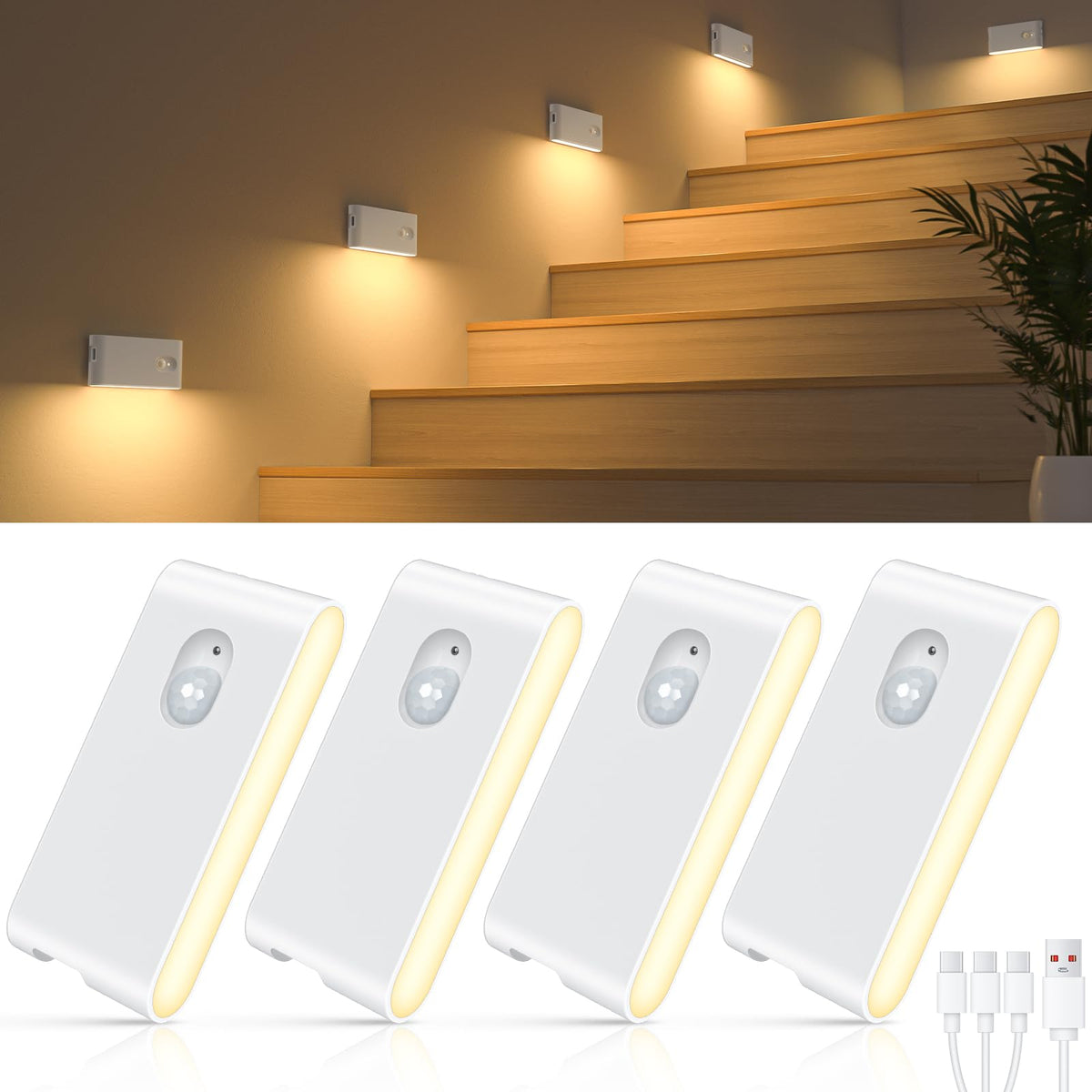
Example 1: Motion-activated Led Stair Light
- Battery: 1200 mAh lithium-ion
- Advertised runtime: Up to 60 days
- Real-world test: Lasted 32 days with 20 activations per night at medium brightness
Example 2: Magnetic Stick-on Night Light
- Battery: 600 mAh lithium-polymer
- Advertised runtime: Up to 30 days
- Real-world test: Lasted 14 days with 30 activations per night at high brightness
Example 3: Aa Nimh Battery Model
- Battery: 2 x AA NiMH (rechargeable)
- Advertised runtime: Up to 20 days
- Real-world test: Lasted about 8 days with 25 activations per night at medium brightness
These examples show that actual battery life is usually 30-60% of the advertised maximum when used in a busy home.
How To Choose A Long-lasting Stair Light
If you want the best battery performance, look for these features:
- High-capacity lithium-ion battery (1000 mAh or more)
- Adjustable brightness and sensor sensitivity
- Replaceable battery design
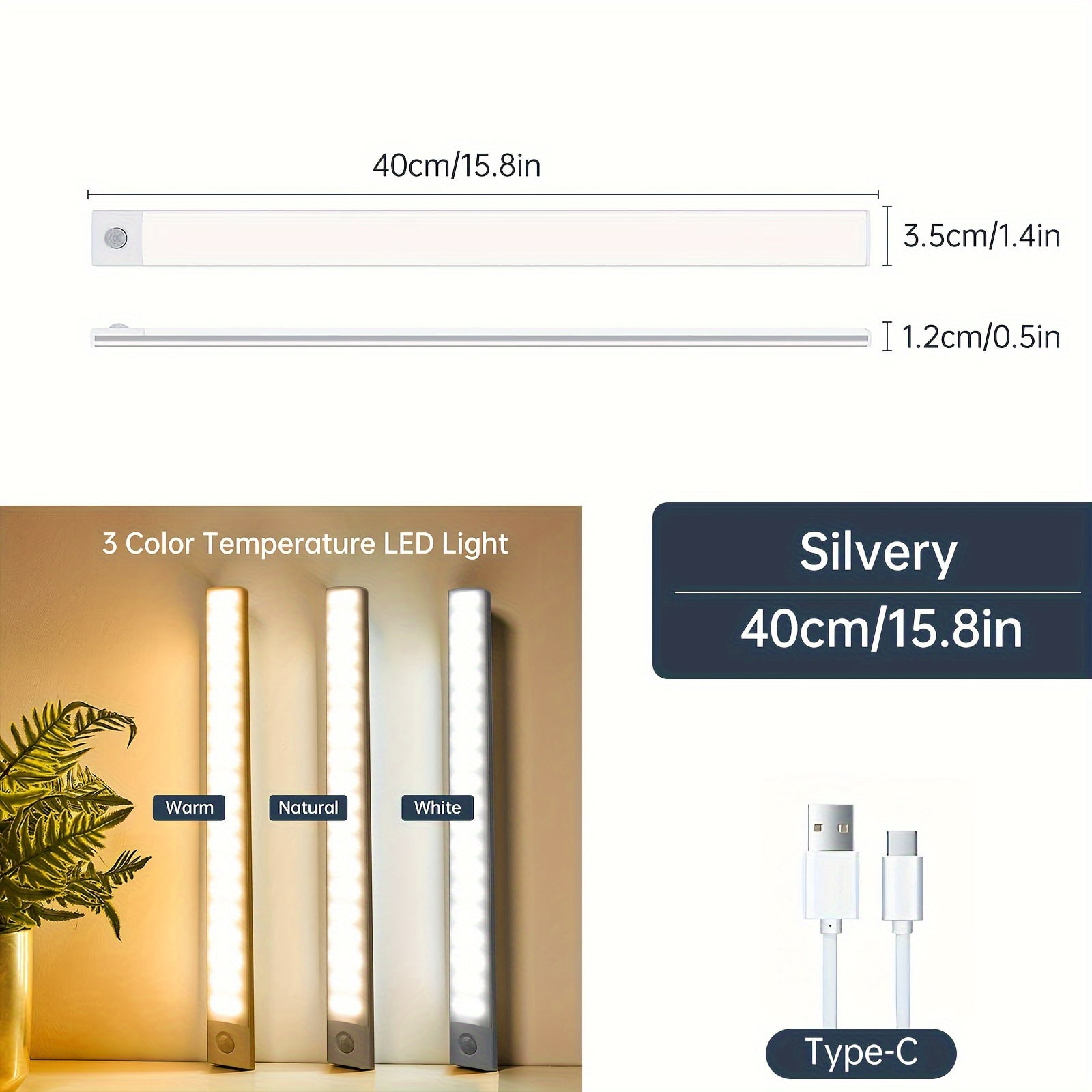
- USB-C charging (faster and more reliable)
- Good reviews for real-world battery life
Here’s a summary of key features to compare:
| Feature | Best Choice | Why It Matters |
|---|---|---|
| Battery Type | Lithium-ion | Longest runtime and lifespan |
| Capacity | 1000 mAh+ | Longer time between charges |
| Adjustable Brightness | Yes | Lets you save battery |
| Motion Sensor | Adjustable | Prevents unnecessary triggers |
| Charging Port | USB-C | Faster, more durable |
| Replaceable Battery | Yes | Makes the light last longer overall |
Non-obvious Insights Most Beginners Miss
- Battery self-discharge matters: Even if you don’t use your stair lights much, rechargeable batteries slowly lose charge over time. If you leave the light unused for months, it may need a recharge before it works again.
- Number of lights affects workload: If you have five or six stair lights, you might need to recharge all at once, which can be a hassle. Some people rotate charging, so only half the lights are charging at any time.
- Some models have “always on” mode: This drains batteries much faster. If you use this mode, expect to recharge every 1-3 days, not weeks.
- USB charging speed varies: Some lights take 1 hour to charge fully, others 4-5 hours. If fast charging is important, check the specs before buying.
Environmental Impact Of Rechargeable Batteries
Using rechargeable stair lights is more eco-friendly than disposable batteries, but there are still some environmental tips to consider:
- When the battery wears out, recycle it properly at a battery recycling center.
- Avoid overcharging or overheating batteries, as this reduces their useful life and can be unsafe.
- Choose models with replaceable batteries to avoid throwing out the whole device.
If you want more information on battery recycling, you can visit the EPA’s guide on battery recycling.
Frequently Asked Questions
How Often Should I Recharge My Stair Light?
It depends on usage and settings. For typical use (10-20 activations per night at medium brightness), most lights need recharging every 2 to 6 weeks. If you use high brightness or have lots of traffic, it could be more often.
Can I Leave My Stair Light Plugged In All The Time?
Some models allow this, but it’s usually not recommended. Constant charging can shorten battery life or cause overheating. Check the user manual for your light.
Do Rechargeable Stair Lights Work Well In Cold Weather?
They work, but battery life is shorter in cold temperatures. Lithium-ion batteries perform best between 50°F and 80°F. In freezing weather, expect shorter runtimes and more frequent charging.
What Should I Do If My Stair Light’s Battery Dies Quickly?
First, try lowering the brightness and adjusting the sensor. If the problem continues, the battery may be old and losing capacity. If possible, replace the battery. If not, it may be time to buy a new light.
Is It Better To Buy Lights With Replaceable Batteries?
Yes, lights with replaceable batteries last longer overall and are more eco-friendly. You can simply swap out the battery when it wears out, instead of replacing the whole light.
Choosing the right rechargeable stair light and using it wisely will help you get the best battery life and safest experience. Understanding these details makes a big difference in convenience and cost over time.