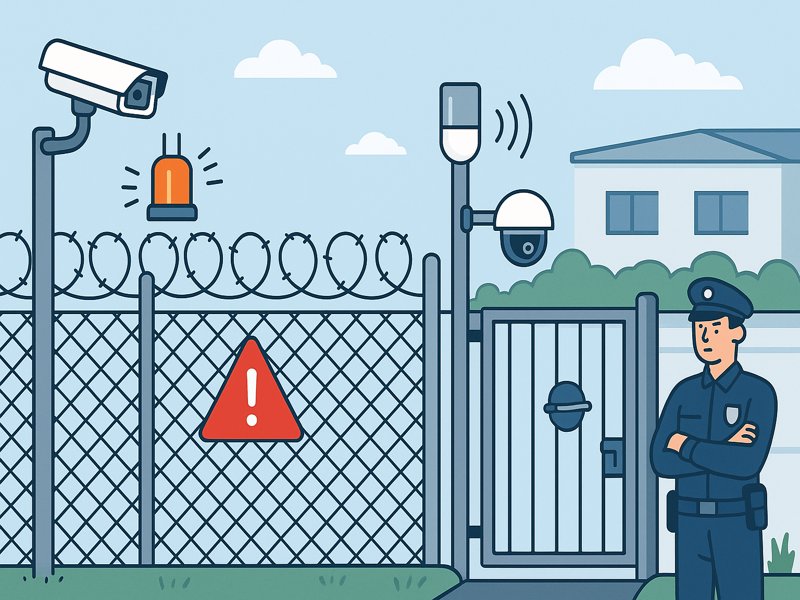
Fence Alarm vs Perimeter Alarm: Fence alarms alert at the fence line; perimeter alarms cover broader zones.
Exclusive Deals
Limited-time Exclusive Deals. Check current discount on Amazon.
Check Price on Amazon As an Amazon Associate I earn from qualifying purchases.I have installed and tested both systems for homes and light commercial sites. This guide explains Fence Alarm vs Perimeter Alarm clearly. You will learn how each system works, where each fits best, and how to pick the right option. I draw on hands-on experience, industry best practices, and real-world lessons to help you decide.
What is a Fence Alarm vs Perimeter Alarm: Clear Definitions
Fence Alarm vs Perimeter Alarm are both security tools. They protect property but in different ways. A fence alarm detects tampering or crossing at a physical fence. A perimeter alarm monitors a wider boundary zone, which can be invisible or virtual. Knowing the difference helps match technology to risk and layout.

Exclusive Deals
Limited-time Exclusive Deals. Check current discount on Amazon.
Check Price on Amazon As an Amazon Associate I earn from qualifying purchases.How Fence Alarms Work
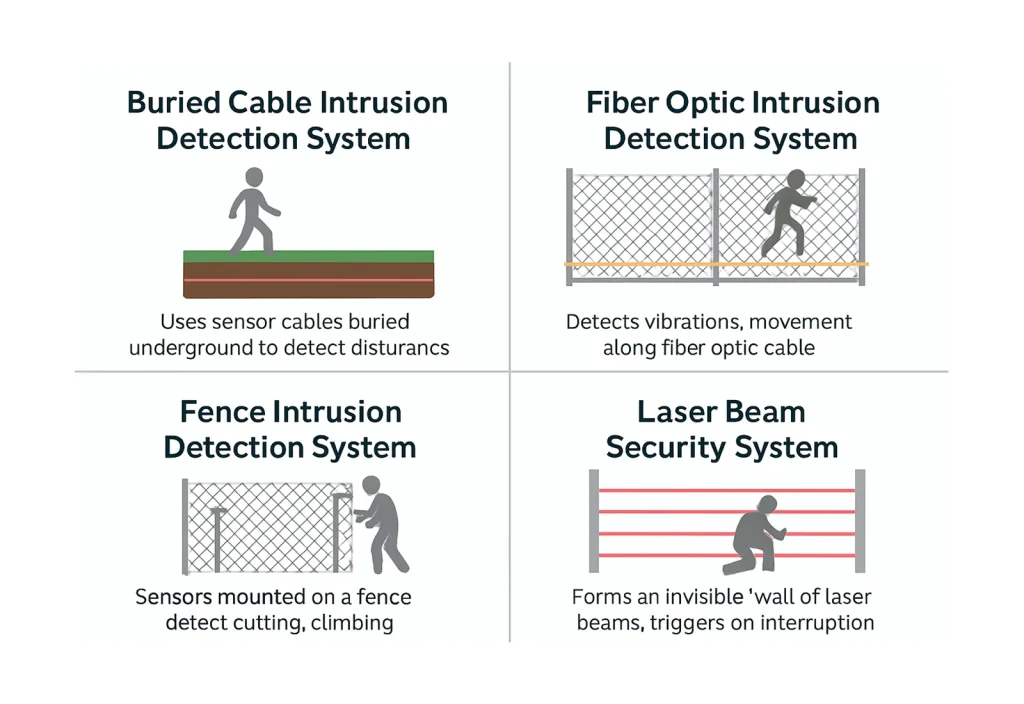
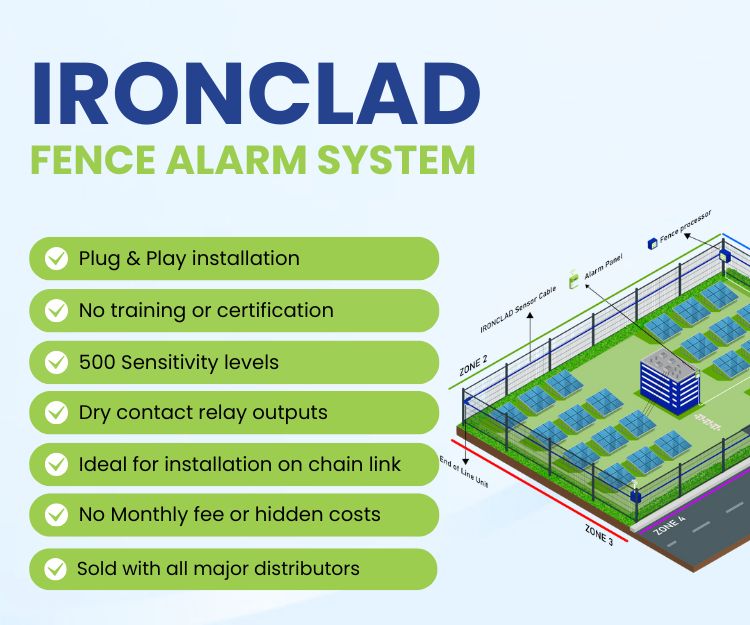
Fence Alarm vs Perimeter Alarm differ in detection method. Fence alarms usually attach sensors directly to the fence. Common types include vibration, magnetic, and tension sensors. When the fence is cut, climbed, or bumped, the sensor triggers an alert. Signals go to a control panel or monitoring center.
How Perimeter Alarms Work
Perimeter alarms use broader detection zones. They can use buried cable, radar, infrared beams, or wireless motion detectors. These systems can detect presence before an intruder reaches the fence. Perimeter alarms often layer with cameras and access control. That gives earlier warning and more time to respond.

Pros and Cons: Fence Alarm vs Perimeter Alarm
Compare benefits and limitations to choose well.
Exclusive Deals
Limited-time Exclusive Deals. Check current discount on Amazon.
Check Price on Amazon As an Amazon Associate I earn from qualifying purchases.-
Fence Alarm pros
-
Detects direct fence attacks quickly and locally.
-
Easier and cheaper to install on existing fences.
-
Good for clear physical barriers.
-
Fence Alarm cons
-
Only alerts when the fence is touched or breached.
-
Vulnerable to false alarms from wind or animals.
-
May require frequent maintenance on old fences.
-
Perimeter Alarm pros
-
Detects intrusion earlier, before reaching the fence.
-
Flexible detection methods for varied terrain.
-
Integrates well with surveillance and response systems.
-
Perimeter Alarm cons
-
Higher initial cost and more complex setup.
-
More false alarm vectors if not tuned correctly.
-
May require professional calibration and mapping.
Best Use Cases for Each System
Knowing scenarios helps pick the proper system.
-
Use a fence alarm when
-
You have a clear, secure fence line.
-
Budget constraints make a simple solution preferable.
-
You want local detection tied to the fence itself.
-
Use a perimeter alarm when
-
You need early detection before the fence.
-
The site has open areas or critical assets.
-
You need integrated monitoring with cameras and analytics.
Fence Alarm vs Perimeter Alarm choice often depends on risk tolerance, layout, and budget.
Installation, Cost, and Maintenance
Practical factors change the decision.
- Installation notes
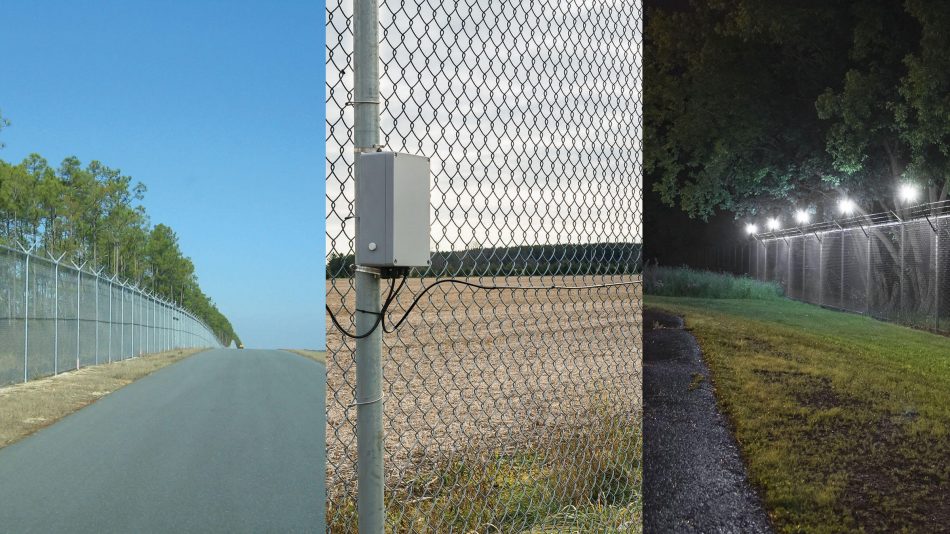
- Fence alarms often mount to posts and link to a local panel.
- Perimeter systems may need trenching, pole mounts, or precise sensor placement.
- Costs
- Fence alarm systems are usually lower cost upfront.
- Perimeter alarms range higher because of technology and labor.
- Maintenance
- Fence alarms need sensor checks and corrosion control.
- Perimeter alarms need tuning, firmware updates, and occasional reseating.
False Alarms and Environmental Factors
Real sites create challenges that affect Fence Alarm vs Perimeter Alarm performance.
- Common triggers
- Animals, wind, rain, and vegetation movement.
- Nearby traffic or large machinery vibrations.
- Mitigation tips
- Use animal-tolerant sensors and smart filters.
- Zone the system so critical areas have higher sensitivity.
- Regularly inspect and adjust thresholds for seasonal changes.
Integration with Monitoring and Smart Systems
Modern security requires integration.
- Integration benefits
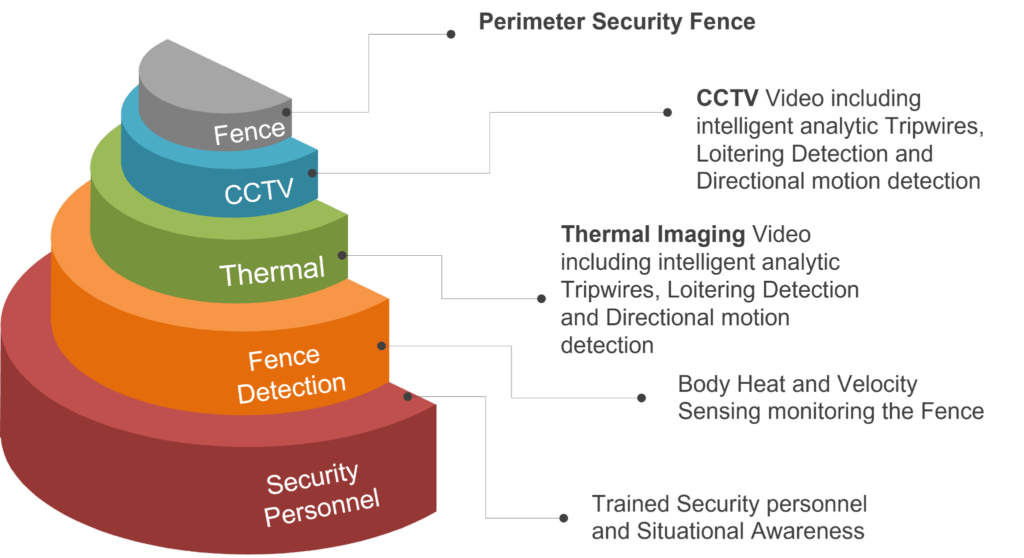
- Cameras and analytics add verification to alarms.
- Mobile alerts and automated responses speed action.
- Smart home and security panels simplify control.
- Practical suggestions
- Use encrypted wireless links and verified cloud services.
- Test system triggers with camera snapshots for credibility.
Fence Alarm vs Perimeter Alarm both perform better when tied into a monitoring strategy.

Personal Experience and Case Studies
I have set up both systems for clients over several years. One farm client used a fence alarm to stop repeated livestock theft. The fence alarm gave immediate alerts on cuts and saved animals. Another facility invested in a perimeter alarm with radar and cameras. That system detected intruders 30 to 60 seconds earlier. The earlier detection allowed security to intercept before fence contact.
Lessons learned from experience
- Tune sensitivity based on site testing during day and night.
- Start with a small pilot before full deployment.
- Train staff on how to verify and respond to alarms.
Fence Alarm vs Perimeter Alarm trade-offs often become clear only after field tests.
Decision Guide: How to Choose Between Fence Alarm vs Perimeter Alarm
Follow a short checklist to decide.
- Assess risk and assets
- Identify high-value targets and access points.
- Survey the terrain
- Note vegetation, slopes, and noise sources.
- Set a budget and long-term support plan
- Pilot systems to measure false alarm rates.
- Plan for integration with cameras and monitoring
If early detection is critical, favor a perimeter alarm. If you need low-cost, direct fence protection, favor a fence alarm. Often the best solution is a layered approach using both.
Frequently Asked Questions of Fence Alarm vs Perimeter Alarm
What is the main difference between a fence alarm and a perimeter alarm?
A fence alarm detects physical impact or tampering on a fence line. A perimeter alarm monitors a broader boundary zone and can detect presence before the fence.
Which system has fewer false alarms?
False alarm rates depend on tuning and environment. Perimeter alarms can have more false triggers unless properly calibrated, while fence alarms often face animal and wind triggers.
Can I use both a fence alarm and a perimeter alarm together?
Yes. Combining both gives layered security and earlier detection with confirmation at the fence. This reduces response time and improves reliability.
How much does each system typically cost?
Fence alarms generally cost less to buy and install. Perimeter systems cost more due to tech and labor. Exact prices vary by sensor type and site complexity.
Do these systems work in bad weather or rough terrain?
Both systems can work in harsh conditions with proper selection. Choose weather-rated sensors, and plan placement to avoid water, heavy vegetation, or repeated vibration.
How do I reduce false alarms for my perimeter system?
Reduce false alarms by zoning, tuning sensitivity, and using camera verification. Regular maintenance and seasonal adjustments also help.
Is professional installation necessary for perimeter alarms?
Professional installation is recommended for complex perimeter systems to ensure correct coverage and calibration. Basic fence alarms may be installed DIY if instructions are followed.
Conclusion
Fence Alarm vs Perimeter Alarm each serve a clear purpose. Fence alarms give direct, low-cost detection at the fence line. Perimeter alarms detect earlier and protect larger zones. Use site assessment, pilot testing, and integration plans to choose. Start small, tune the system, and layer sensors for best results. Try a pilot installation and compare false alarm rates before scaling up. Share your site details or questions below, subscribe for updates, or comment to get tailored advice.