Driveway alarm alerts at the property edge; motion sensor protects closer, interior, and entry zones.
I have installed and tested both driveway alarms and motion sensors across homes and small businesses. I write here from hands-on experience and technical knowledge to guide your choice between Driveway Alarm vs Motion Sensor. This article breaks down how each works, where each shines, and practical tips to pick and install the right system for your needs. Read on to save time, cut false alarms, and improve security at your property.

Exclusive Deals
Limited-time Exclusive Deals. Check current discount on Amazon.
Check Price on Amazon As an Amazon Associate I earn from qualifying purchases.What is a Driveway Alarm?
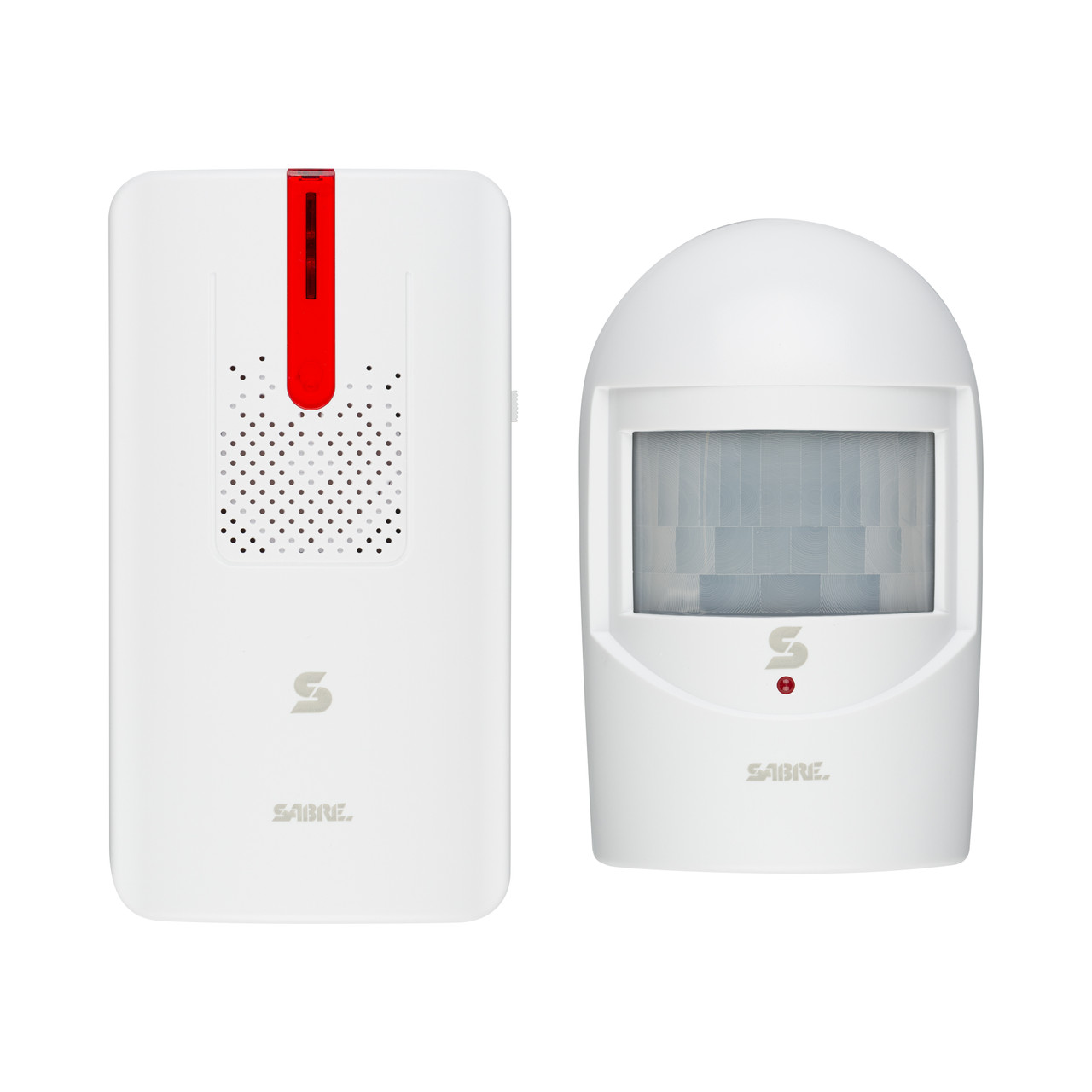
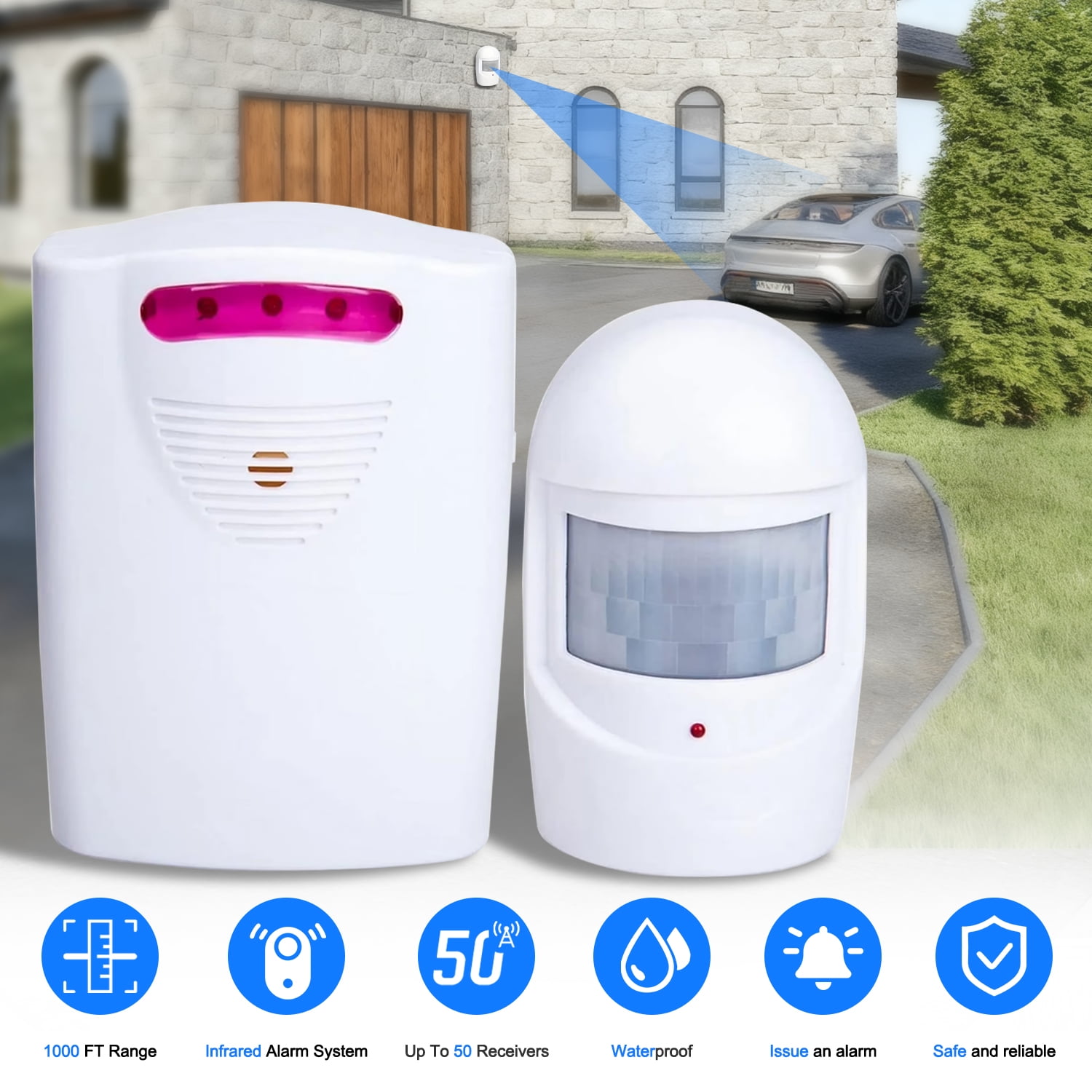
A driveway alarm is a device that warns you when something enters your driveway or property edge. Most models use passive infrared (PIR), magnetic, vibration, or beam sensors placed near driveways, gates, or property borders. They act as an early warning system so you know about visitors, delivery drivers, or strangers before they reach your door.
Common driveway alarm features
- Wireless notification to a base station or smartphone, with adjustable range.
- Long detection distances from 30 feet to several hundred feet depending on the type.
- Low-power operation with battery life from months to years or solar recharge options.
- Simple setups that do not require hard wiring to your home.
My experience: I used a beam driveway alarm on a rural lane. It gave a 60–80 foot early alert and cut the time I spent watching the road by half. The device handled vehicles well but required occasional alignment after storms.

Exclusive Deals
Limited-time Exclusive Deals. Check current discount on Amazon.
Check Price on Amazon As an Amazon Associate I earn from qualifying purchases.What is a Motion Sensor?
A motion sensor detects movement inside or immediately outside structures. Common sensor types include passive infrared (PIR), microwave, ultrasonic, and dual-technology sensors that combine methods to reduce false alarms. Motion sensors are often part of alarm systems, security cameras, or smart lighting.
Key uses and features
- Indoor and near-door protection for rooms, hallways, porches, and garages.
- Fast, localized detection within a limited field of view, typically 10–50 feet.
- Integration with alarms, cameras, lights, and home automation hubs.
- Sensitivity and zone tuning for pets and specific coverage shapes.
Personal note: I installed PIR motion sensors near entry doors. They paired well with cameras and lights. They caught people stepping up to the door but rarely triggered on cars passing in the street.
Exclusive Deals
Limited-time Exclusive Deals. Check current discount on Amazon.
Check Price on Amazon As an Amazon Associate I earn from qualifying purchases.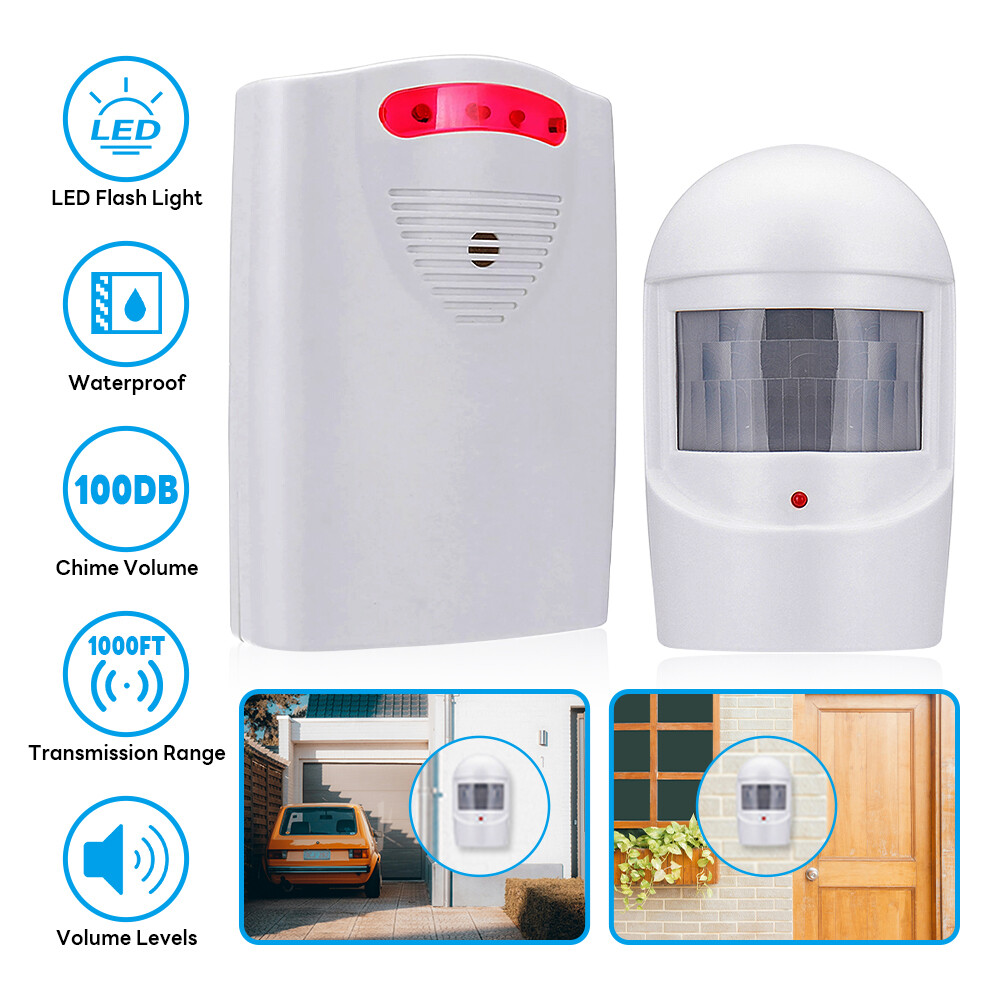
Driveway Alarm vs Motion Sensor — Key Differences
Understanding the core differences helps you match tech to need.
Detection range and placement
- Driveway Alarm: Designed for long-range sensing at property edges and driveways.
- Motion Sensor: Made for short-range, local zones like doorways and rooms.
Primary purpose
- Driveway Alarm: Early alert for approaching vehicles and people before they reach the house.
- Motion Sensor: Immediate alert for movement at entry points or indoor areas.
False alarms and nuisance triggers
- Driveway Alarm: Can be tuned but is more exposed to wildlife, branches, and vehicles.
- Motion Sensor: Prone to pets and HVAC drafts unless pet-friendly models or dual tech are used.
Integration and smart features
- Driveway Alarm: Often standalone or offers simple smartphone alerts; fewer automation rules.
- Motion Sensor: Commonly integrates into full security systems and smart homes for complex automations.
Power and installation
- Driveway Alarm: Mostly wireless, battery or solar; placed outdoors and needs weatherproofing.
- Motion Sensor: Hardwired or battery; usually sheltered indoors or under eaves.
Cost and value
- Driveway Alarm: Price varies widely; long-range systems cost more but offer earlier warning.
- Motion Sensor: Many affordable options, and integration can add value through automation.
When comparing Driveway Alarm vs Motion Sensor, pick the one that matches where and when you need alerts most.

Use Cases: When to Choose Each
Match the tool to the problem for best results.
Choose a driveway alarm when
- You want early notice of cars, delivery trucks, or visitors at the property boundary.
- You live on a long or rural driveway and need warning well before someone reaches the house.
- You prefer a low-maintenance, battery- or solar-powered device.
Choose a motion sensor when
- You need protection right at doors, inside the garage, or in hallways.
- You want tight integration with alarms, lights, and cameras.
- You need pet immunity and fine-tuned detection near living spaces.
Mixed setup: I recommend using both. The driveway alarm gives first notice. Motion sensors secure points closer to the house. This layered approach reduced false alarms and improved response time at my property.
Installation and Maintenance Tips
Simple steps and common mistakes to avoid.
Installing a driveway alarm
- Mount sensors level and clear of tall grass, moving branches, and reflective surfaces.
- Aim beam or PIR sensors across the driveway, not at the road surface.
- Test detection with both cars and people. Adjust sensitivity as needed.
Installing a motion sensor
- Mount at recommended height, usually 6–8 feet for PIR units.
- Point away from heat sources, vents, and direct sunlight.
- Enable pet-immunity if you have pets and test with a human at normal walking height.
Maintenance and seasonal care
- Check battery levels each season or use devices with battery alerts.
- Re-align beam sensors after storms or if vegetation grows.
- Clean lenses and remove spider webs or debris that can trigger false alarms.
Mistakes to avoid
- Placing sensors too low or pointing at busy roads.
- Over-sensitivity that triggers on wind-blown leaves.
- Not testing the system at night and during different weather conditions.

Pros and Cons
Driveway Alarm
- Pros
- Early warning before people reach the home.
- Long-range detection that suits rural and long-drive properties.
- Simple installation and low power needs.
- Cons
- More exposed to weather and wildlife triggers.
- Less integration with home security ecosystems in some models.
- Pros
- Accurate, immediate detection near doors and rooms.
- Strong integration with alarms, cameras, and smart lights.
- Pet-conscious models reduce nuisance alerts.
- Cons
- Shorter range; not useful as an early warning system.
- Can be sensitive to heat, drafts, and reflective surfaces if not positioned well.
When you weigh Driveway Alarm vs Motion Sensor, consider both their strengths and how they work together. I found a mixed system gave the best results for overall awareness and security.
Buyer Checklist and Typical Costs
What to look for and what you might pay.
Key factors to evaluate
- Detection range and coverage angle.
- Sensor type: beam, PIR, magnetic, or dual-tech.
- Integration with smartphone alerts, cameras, and home automation.
- Power source: battery, solar, or wired.
- Weather resistance rating and warranty.
Estimated costs
- Basic driveway alarms: $30–$150.
- High-end long-range driveway systems: $150–$500+.
- Simple motion sensors: $15–$75.
- Smart, integrated motion sensors or dual-tech units: $75–$200.
Tip: Buy from brands with clear specs, good reviews, and solid support. Test return policies before buying to ensure easy swaps if the sensor misfits your property.

Frequently Asked Questions of Driveway Alarm vs Motion Sensor
What is the main difference between a driveway alarm and a motion sensor?
The main difference is range and purpose: driveway alarms detect activity at the edge of your property, while motion sensors detect movement very close to doors or inside the home.
Can a driveway alarm replace motion sensors for home security?
No. A driveway alarm gives early notice but does not provide the localized coverage or integration that motion sensors offer near entry points.
Will animals trigger both types of devices?
Yes. Both can trigger on animals. Dual-tech motion sensors and tuned driveway alarms reduce false alerts, but no system is perfect.
Do driveway alarms work in bad weather?
Most quality driveway alarms are weatherproof and keep working in rain. Heavy snow, fog, or blowing debris can reduce reliability, so placement and model choice matter.
Are smart driveway alarms and motion sensors easy to install?
Yes. Many wireless models are DIY-friendly. Hardwired motion sensors may need a technician, especially when integrated into alarm panels.
Conclusion
Choosing between Driveway Alarm vs Motion Sensor depends on what you need them to do. Use a driveway alarm for early notice at the property edge. Use motion sensors for tight, integrated security at doors and inside spaces. For the best protection, combine both for layered coverage. Try a small test install, tune sensitivity, and monitor false alarms for a few weeks. If you found this guide helpful, test one setup today, share your experience, or subscribe for more practical security tips.