Glass Break Sensor detects sound/vibration of breaking glass; Window Sensor monitors whether a window opens or closes.
Exclusive Deals
Limited-time Exclusive Deals. Check current discount on Amazon.
Check Price on Amazon As an Amazon Associate I earn from qualifying purchases.As a home security installer with years of hands-on experience, I’ll walk you through Glass Break Sensor vs Window Sensor so you can pick the right protection for your home. This article explains how each sensor works, their strengths and limits, installation tips, costs, real-world examples, and when to use one or both for best results. Read on to make a clear, confident choice about securing your windows and glass doors.
How Glass Break Sensor vs Window Sensor work
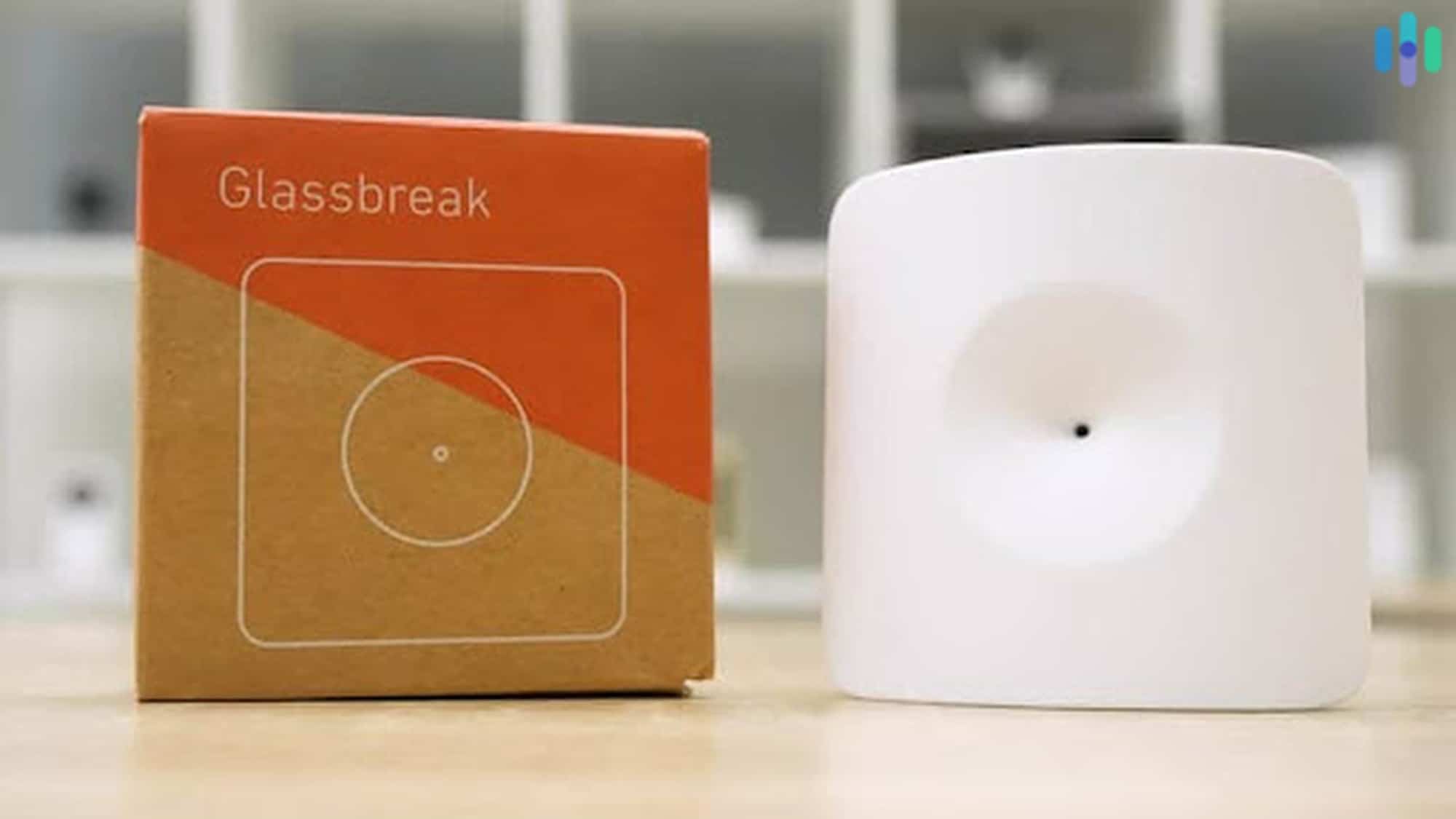
Glass break sensors listen or feel for the signature of breaking glass. There are two main types: acoustic sensors that listen for the sound of shattering, and shock/vibration sensors that detect impact on the glass. They trigger an alarm when the pattern or force matches a break event.
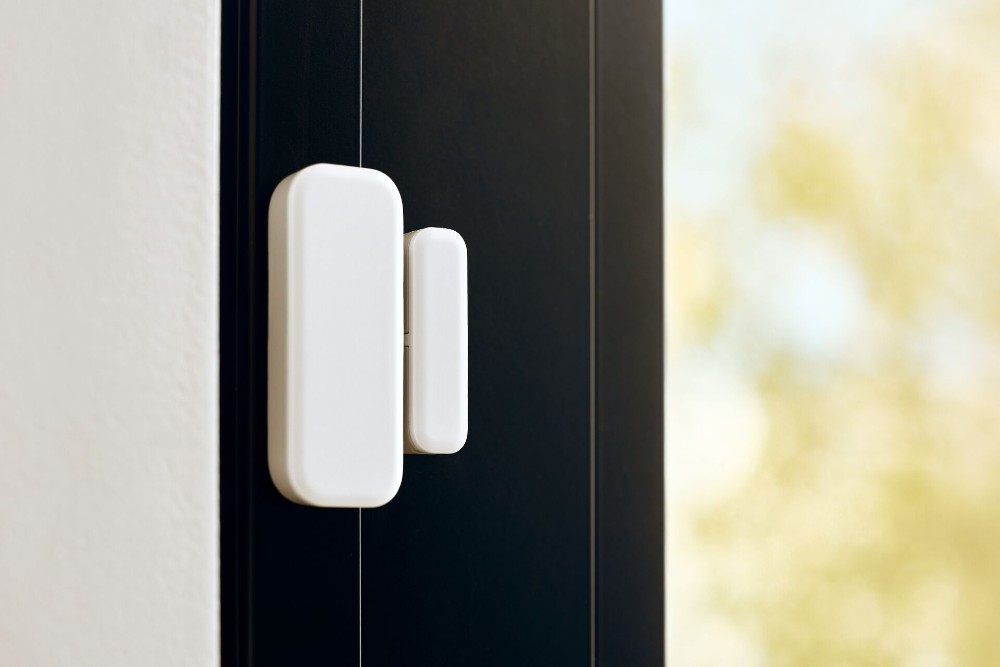
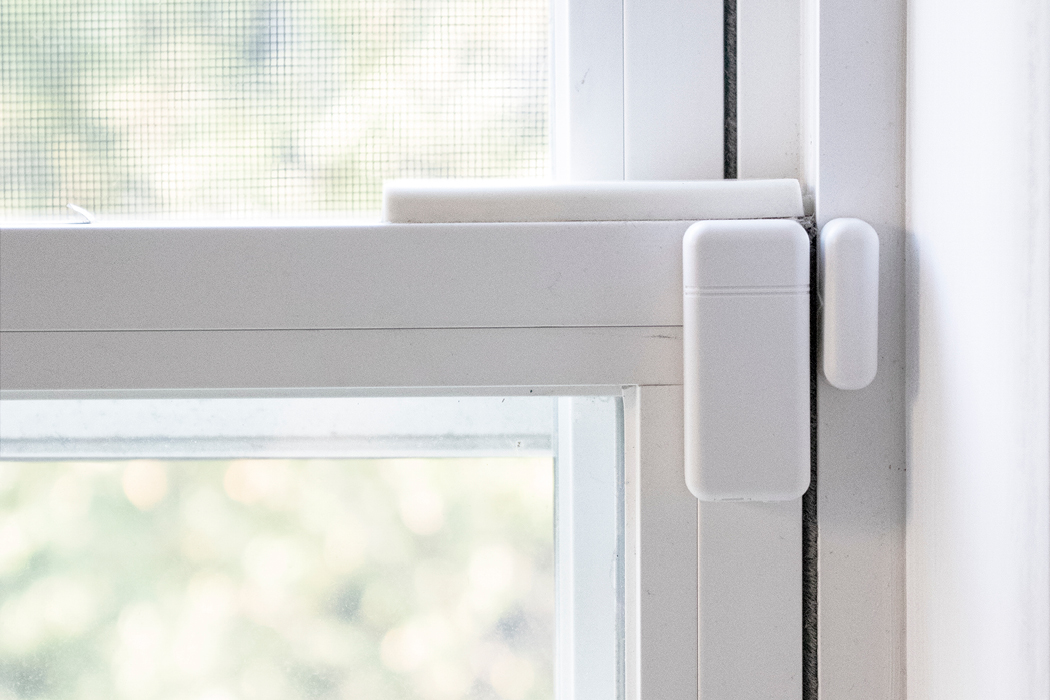
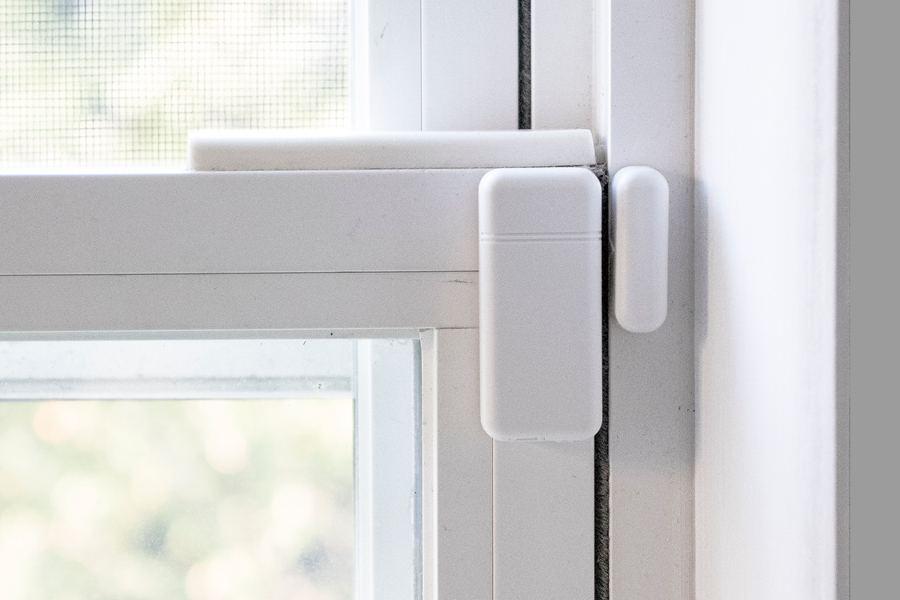
Window sensors use two parts: a magnet and a reed switch. One part mounts on the window frame and the other on the sash. When the window opens, the magnet separates from the switch and the alarm system registers an open event. Window sensors detect entry attempts that involve opening the window, not the sound of glass breaking.
Exclusive Deals
Limited-time Exclusive Deals. Check current discount on Amazon.
Check Price on Amazon As an Amazon Associate I earn from qualifying purchases.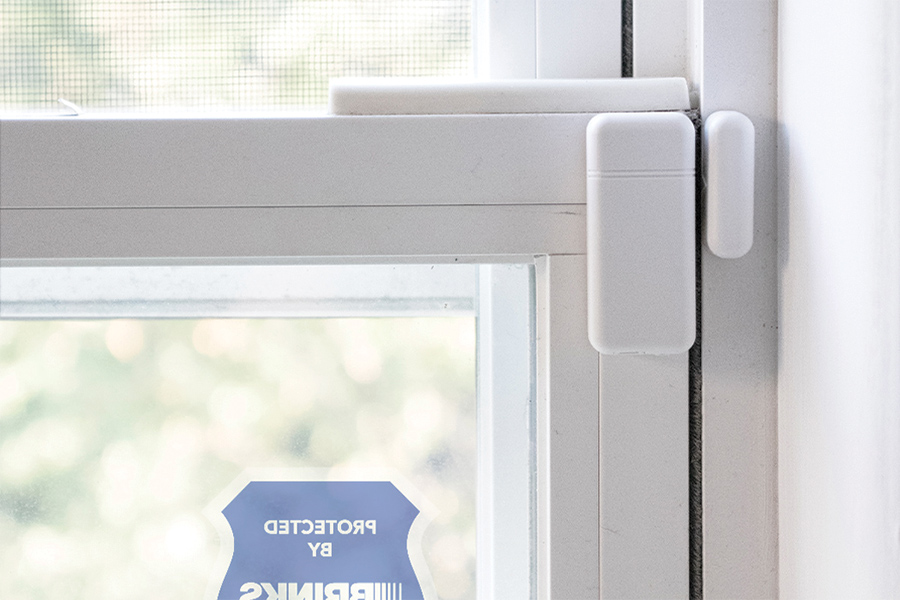
Types and technology compared
Glass Break Sensor types
- Acoustic glass break sensors listen for a two-part audio signature: an initial high-frequency impact followed by lower-frequency shatter noise.
- Shock or vibration glass break sensors attach to glass or frame and measure sudden vibration or stress.
- Dual-technology models combine audio and vibration to lower false alarms.
Window Sensor types
- Surface-mount magnetic contacts are the most common and cheap.
- Recessed magnetic contacts hide inside frame and sash for a cleaner look.
- Tilt sensors detect when a window is tilted or improperly opened, useful for some double-hung or casement windows.

Detection performance: sensitivity and false alarms
Glass break detection
Exclusive Deals
Limited-time Exclusive Deals. Check current discount on Amazon.
Check Price on Amazon As an Amazon Associate I earn from qualifying purchases.- Strengths: Detects a direct smash through glass even when the window remains closed. Good for protecting large panes and glass doors.
- Limits: Ambient noise, heavy wind, and loud household sounds can trigger false positives if sensitivity isn’t set properly. Acoustic models are more prone to false alarms than shock sensors, but shock sensors can miss a distant break.
Window sensor detection
- Strengths: Very reliable at telling if a window is open or closed. Low false alarm rate when installed correctly.
- Limits: They won’t detect cutting or shattering of glass if the window isn’t opened, and they won’t notice impact unless the impact forces the window to open.
Best placement and installation tips
Glass break sensor placement
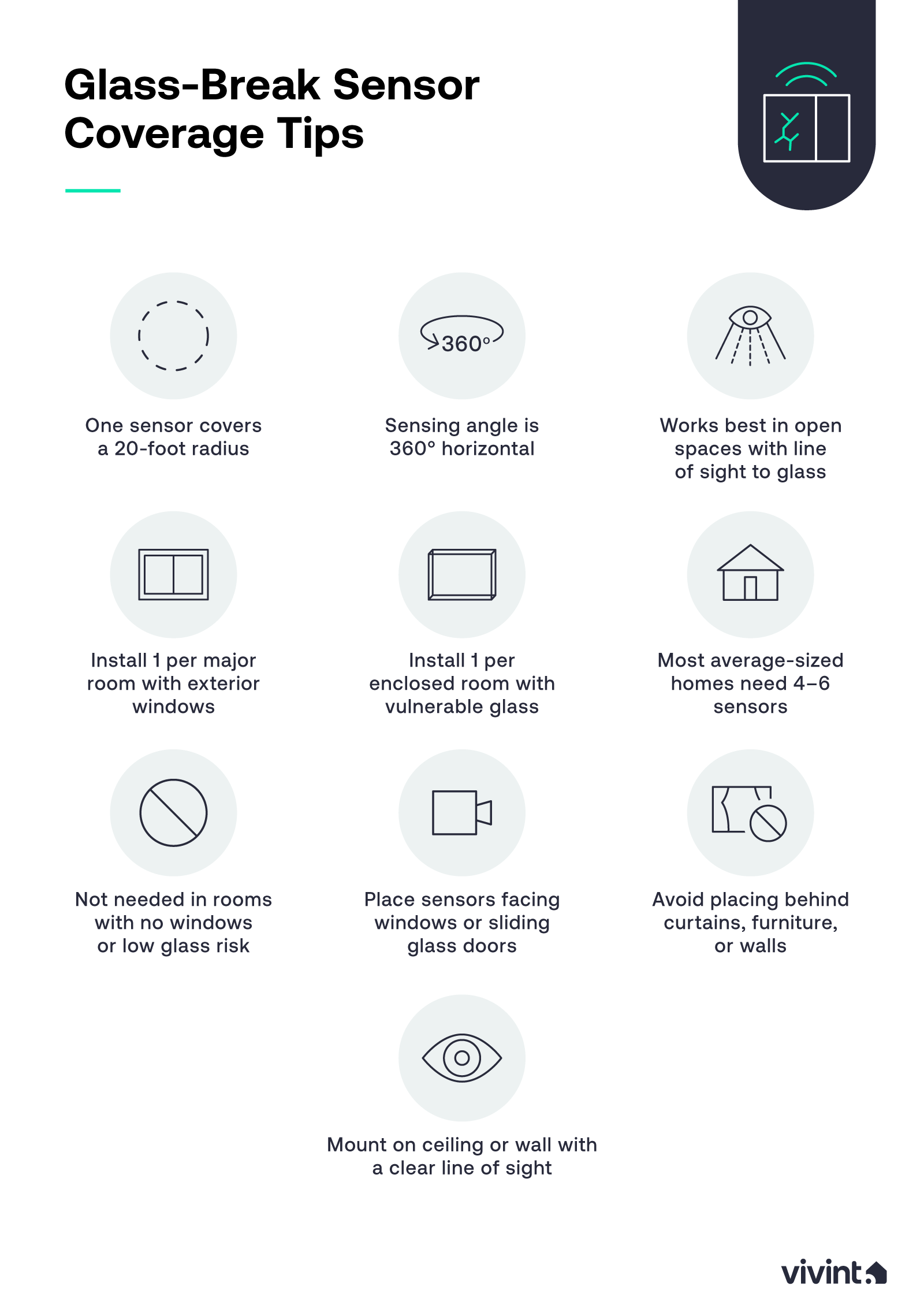
- Place acoustic sensors on an interior wall or ceiling within the sensor’s effective radius, typically 20–25 feet for acoustic models.
- For shock sensors, mount directly on the glass frame or the glass using manufacturer-recommended hardware.
- Avoid placement near HVAC vents, speakers, or windows that get direct weather noise.
Window sensor placement
- Mount the magnet and switch as close as possible (within the manufacturer gap spec).
- For sliding or casement windows, ensure the sensor aligns and does not block operation.
- Use recessed sensors for a flush look, and ensure the frame material can hold the sensor firmly.
Personal tip: I once installed a glass break sensor too close to a speaker. It produced false alarms during movie nights. Moving it 6 feet away fixed the issue.
When to choose Glass Break Sensor vs Window Sensor
Choose glass break sensors when:
- You need protection for large expanses of glass and picture windows.
- An intruder could smash glass and reach inside without opening the sash.
- You want detection that covers multiple windows from a single device in a room.
Choose window sensors when:
- You want a low-cost way to know if a window is opened.
- You need discreet, reliable alerts for everyday opening and closing.
- You require a simple tamper detection for window access.
Combined approach
- Use both types for layered security. A window sensor blocks simple openings while a glass break sensor covers smash-and-reach scenarios. This is often the best practice in bedrooms, ground-floor windows, and glass doors.
Battery life, maintenance, and reliability
Battery life
- Many wireless glass break sensors and window sensors run on AA/AAA or coin batteries. Expect 1–3 years depending on model and reporting frequency.
- Low-battery warnings are standard on modern alarm systems.
Maintenance tips
- Test sensors after installation and twice annually.
- Clean contacts on surface-mounted window sensors and replace adhesives if they loosen.
- Replace batteries promptly when the alarm system reports low battery.
Reliability notes
- Wired systems are more reliable but cost more to install.
- Regular testing and proper placement reduce false alarms and missed events.
Cost comparison and value
Cost factors
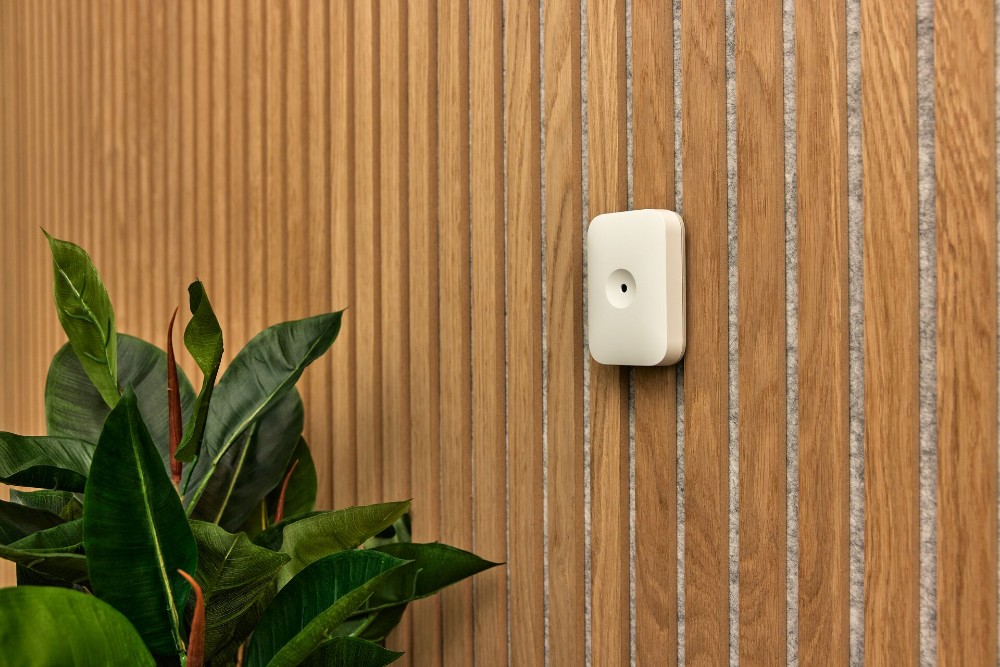
- Glass break sensors generally cost more than basic window contact sensors. Higher cost reflects more complex electronics and testing.
- Recessed window sensors and tilt sensors can be pricier than basic magnetic contacts.
Value assessment
- Window sensors are cost-effective for routine open/close detection.
- Glass break sensors add value by catching aggressive entry methods that window sensors miss.
- For overall security, combining both gives the highest protection per dollar in many homes.
Real-world scenarios and examples
Scenario 1: Ground-floor living room with a large picture window
- Risk: Smashing the glass and reaching in without opening the window.
- Best setup: Glass break sensor placed centrally in the room plus window contacts for the sash.
Scenario 2: Second-floor bedroom windows
- Risk: Lower—more than one point of entry.
- Best setup: Window sensors are often sufficient, possibly with glass break sensors in rooms with large panes.
Scenario 3: Sliding glass door
- Risk: Lift-and-slide bypasses some magnetic contacts.
- Best setup: Use vibration or glass break sensors plus reinforced window sensors and anti-lift hardware.
Personal note: On an older house retrofit, I used both sensor types on the main floor and saw a measurable drop in nuisance alarms and better peace of mind.
Common mistakes and how to avoid them
Common mistakes
- Placing glass break sensors behind heavy curtains or too near loud electronics.
- Misaligning magnets or mounting them too far apart on window sensors.
- Relying on a single sensor type for all threats.
How to avoid them
- Follow manufacturer placement guides and test coverage with live trials.
- Use complementary sensors for different attack paths.
- Schedule periodic tests and respond to low-battery alerts quickly.
Integration with alarm systems and smart home
Compatibility
- Most modern alarm panels accept both glass break and window sensors via wired or wireless zones.
- Smart home hubs can integrate sensor events into automation rules, like turning on lights when a glass break event occurs.
Automation ideas
- Trigger interior lights and cameras on a glass break event to deter intruders and capture footage.
- Send immediate smartphone alerts and contact emergency services via professional monitoring.
Glass Break Sensor vs Window Sensor: decision checklist
Use this checklist to decide
- Assess the type of glass and window size. Large panes favor glass break sensors.
- Consider entry risk. Ground-floor and accessible windows need layered protection.
- Budget for a combination if you want thorough protection.
- Test placement and sensitivity before finalizing installation.
- Plan for maintenance: battery replacement and regular tests.
Glass Break Sensor vs Window Sensor — final recommendations
- If you can afford only one, match the choice to the biggest vulnerability: choose glass break sensors for large glass areas and window sensors for many small windows that are likely to be opened.
- For best protection, use both types to cover different attack vectors.
- Prioritize proper placement, sensitivity tuning, and routine testing to get reliable performance.
Frequently Asked Questions of Glass Break Sensor vs Window Sensor
What is the main difference between a glass break sensor and a window sensor?
A glass break sensor detects the sound or vibration of breaking glass, while a window sensor detects whether a window is open or closed. They protect different threat types and are often used together for layered security.
Can a window sensor detect shattered glass without opening the window?
No. Window sensors only sense separation between the magnet and switch. They will not detect breakage unless the break causes the window to open or move enough to change the contact state.
Are glass break sensors prone to false alarms?
They can be if placed near loud noise sources or if sensitivity is too high. Using dual-technology sensors and following placement guidelines reduces false positives.
How many glass break sensors do I need for a room?
One acoustic glass break sensor can often cover a typical living room up to the manufacturer’s radius, usually 20–25 feet, but large rooms or oddly shaped spaces may need more coverage. Testing placement is the best way to confirm coverage.
Can I install these sensors myself or should I hire a pro?
Many homeowners can install window sensors and wireless glass break sensors with basic tools and instructions. For optimal placement, wiring, or integration with a monitored system, hiring a professional can save time and avoid mistakes.
Will glass break sensors trigger from doors slamming or thunder?
High-energy sounds can sometimes trigger sensitive acoustic sensors, especially older models. Proper placement and sensitivity tuning help prevent triggers from ordinary loud noises.
Is it better to choose wired or wireless sensors?
Wired sensors are more reliable long-term and avoid battery replacements, but they require more labor to install. Wireless sensors are flexible and easier for retrofits, often with years of battery life.
Conclusion
Choosing between Glass Break Sensor vs Window Sensor is not a one-size-fits-all decision. Use glass break sensors to catch smash-and-reach attacks and window sensors to detect openings. Combining both gives layered protection and better peace of mind. Take action today: evaluate your windows, run a placement test, and consider adding one or both sensor types to close security gaps. If this helped, leave a comment, subscribe for more tips, or try a small test installation this weekend.