Wired vs Wireless Security Camera choice depends on your priorities: wired for reliability, wireless for flexibility.
I have installed and tested both wired and wireless security systems for homes and small businesses. In this guide I combine hands-on experience, technical details, and practical tips to help you decide between a Wired vs Wireless Security Camera system. You will get clear comparisons, real-life pros and cons, cost and security insights, and easy steps to pick and install the best option for your situation.

Exclusive Deals
Limited-time Exclusive Deals. Check current discount on Amazon.
Check Price on Amazon As an Amazon Associate I earn from qualifying purchases.Overview: What a Wired vs Wireless Security Camera system means
A Wired vs Wireless Security Camera comparison looks at how cameras send video, get power, and fit into a larger system. Wired cameras use cables for video and often power. Wireless cameras use Wi-Fi or other radio links for video and usually need local power or batteries.
I will explain the core differences and use cases. You will learn how reliability, installation, security, and cost vary between wired and wireless systems. This helps you pick the best setup for your home or business.

How wired systems work and where they shine
Wired systems typically use Ethernet, coax, or PoE (Power over Ethernet). Video and power travel on physical cables to a recorder or switch. This gives stable bandwidth and steady power without battery swaps.
Exclusive Deals
Limited-time Exclusive Deals. Check current discount on Amazon.
Check Price on Amazon As an Amazon Associate I earn from qualifying purchases.Wired setups suit long-term installs and areas with heavy camera use. They handle high-resolution streams better and work well where Wi-Fi is weak or jammed. For critical zones, wired systems reduce lag and packet loss.
How wireless systems work and where they shine
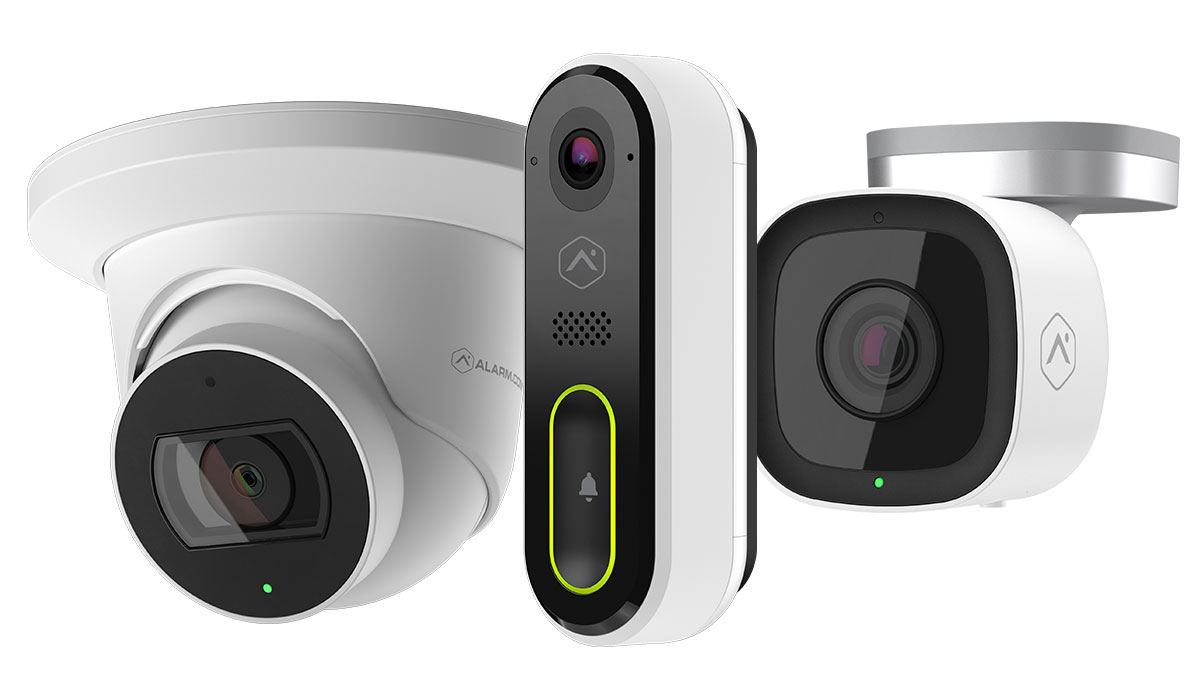
Wireless cameras send video over Wi-Fi, cellular, or proprietary RF links. Many use local batteries or plug into mains power. Cloud storage is common, though local NVR options exist for hybrid setups.
Exclusive Deals
Limited-time Exclusive Deals. Check current discount on Amazon.
Check Price on Amazon As an Amazon Associate I earn from qualifying purchases.Wireless systems are easy to install and move. They fit renters, small homes, and temporary projects. They also scale fast when you want to add a camera or cover a new area.
Key differences: technology, installation, and performance
Technology
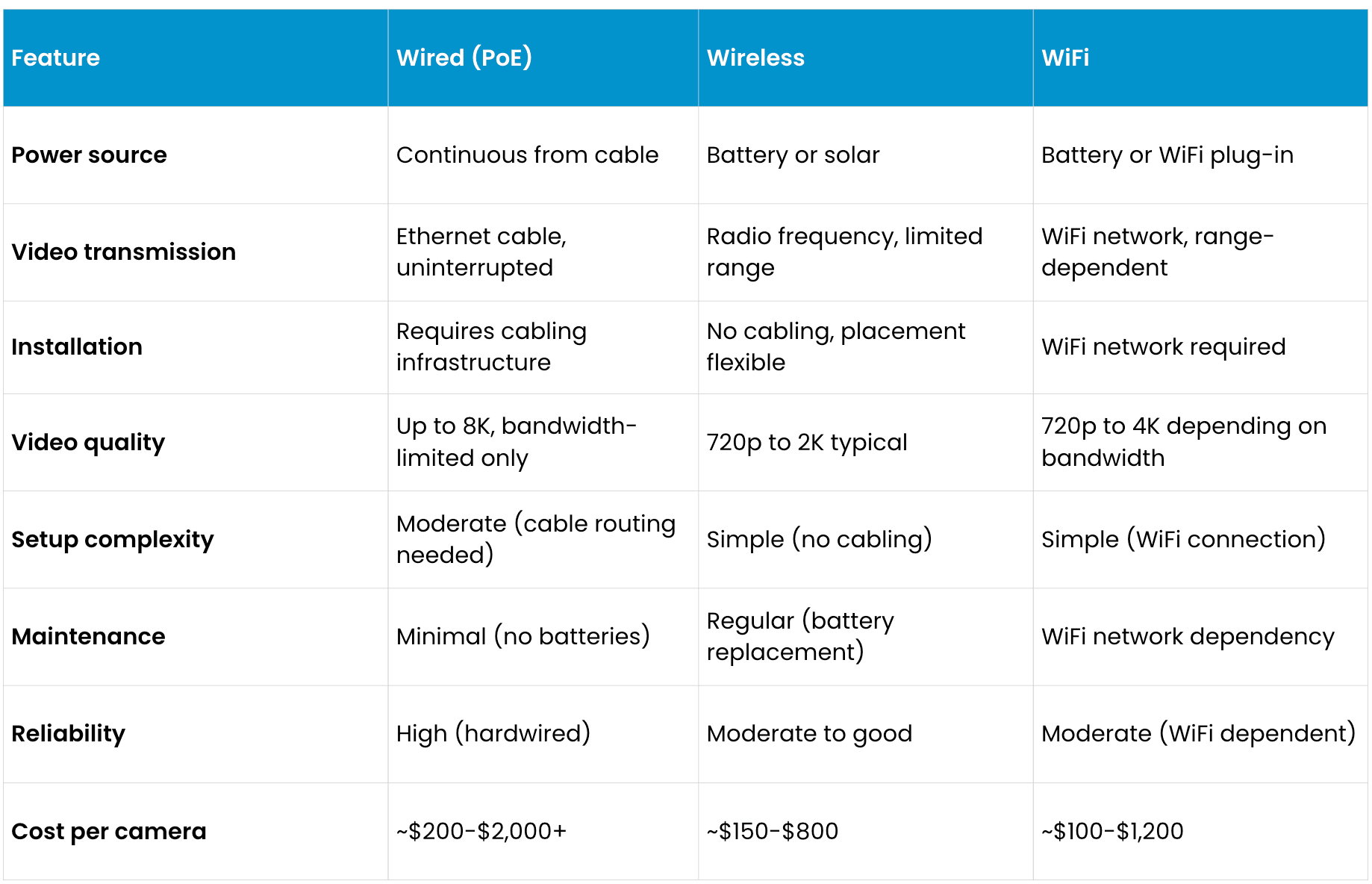
- Wired vs Wireless Security Camera systems differ by transport layer and power method.
- Wired systems use cables for both data and power. Wireless uses radio links and often separate power.
Installation
- Wired installation needs drilling, cable runs, and planning.
- Wireless installation usually means mounting, pairing, and powering the device.
Performance
- Wired systems give consistent bandwidth and low latency.
- Wireless systems can suffer from interference, bandwidth caps, and range limits.
Durability
- Wired cameras tend to be more robust long term.
- Wireless units depend on battery health and network stability.
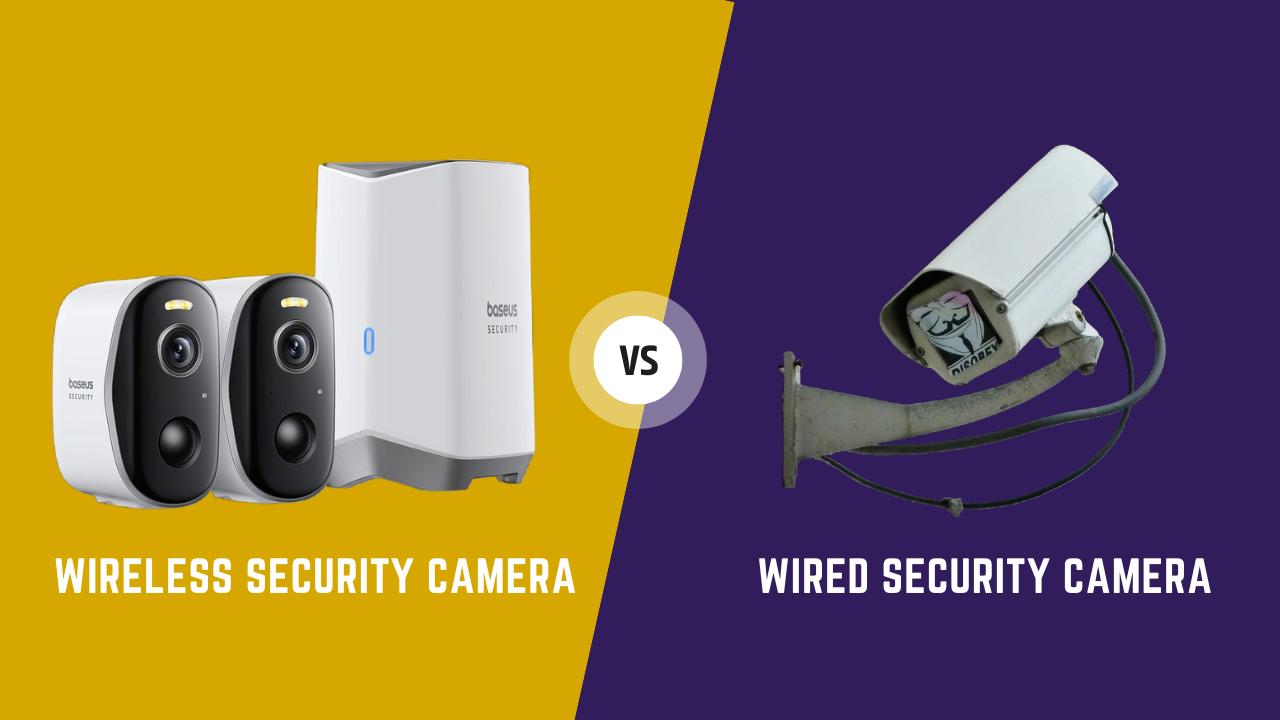
Advantages of wired systems
- Reliability: Stable feeds with fewer dropouts.
- Image quality: Better support for high-resolution video and multiple streams.
- Lower long-term maintenance: No battery swaps or Wi-Fi troubleshooting.
- Better for large sites: Easier to centralize storage and power.
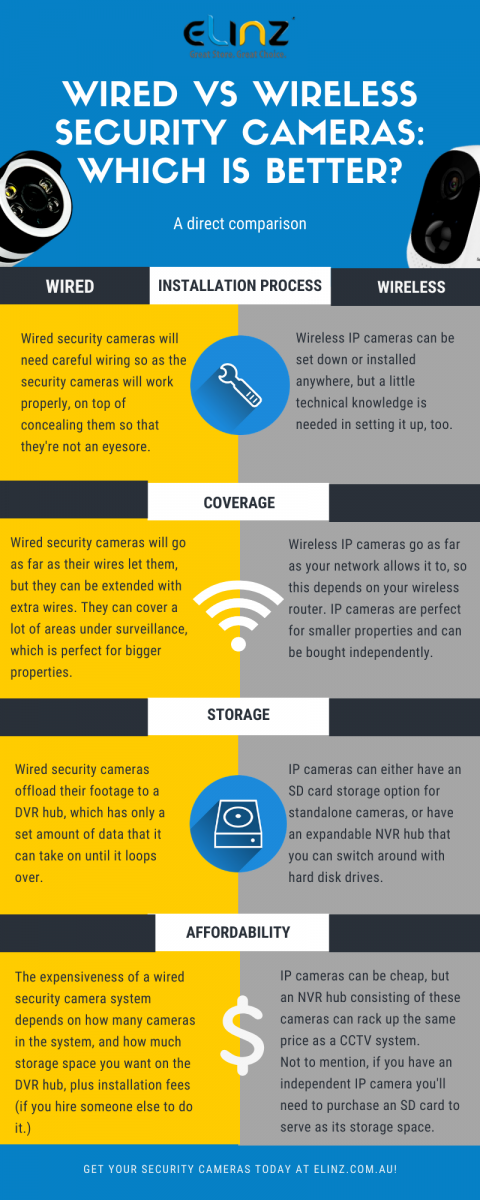
Disadvantages of wired systems
- Installation cost: Higher labor and material costs up front.
- Inflexibility: Harder to move or reconfigure once installed.
- Visible cabling: May require aesthetic work or conduits.
- Time to deploy: Longer setup time for new sites.
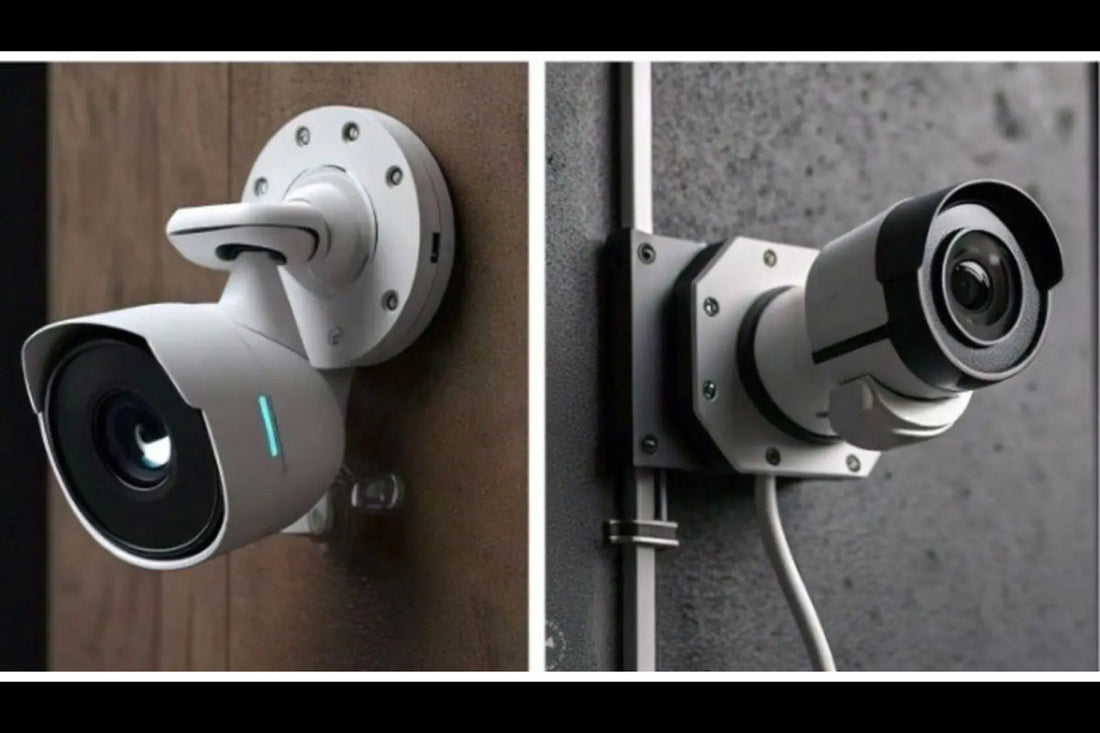
Advantages of wireless systems
- Easy install: Fast setup with less wiring work.
- Flexible placement: Move cameras or add new ones quickly.
- Scalable: Simple to expand as needs change.
- Good for renters: No heavy modifications needed.

Disadvantages of wireless systems
- Network reliance: Performance tied to Wi-Fi quality and router capacity.
- Battery maintenance: Some models need frequent charging or swaps.
- Potential for interference: Neighbors, appliances, and walls can reduce range.
- Privacy and cloud dependence: Many solutions push cloud plans for storage.
Security and privacy: what to watch for
- Encryption: Use cameras that support end-to-end encryption and secure protocols. This lowers the chance of interception.
- Firmware updates: Keep firmware current to fix vulnerabilities. Unpatched devices are common attack points.
- Network segmentation: Put wireless cameras on a separate VLAN or guest network to limit access to other devices.
- Account protection: Use strong, unique passwords and enable two-factor authentication on cloud accounts.
From my experience, a wired camera with local storage and network isolation is the most private option. A wireless camera on a well-segmented network can be secure too, but it needs regular updates and strong credentials.
Cost and maintenance: short-term vs long-term view
Upfront cost
- Wired systems often cost more at the start due to cabling and labor.
- Wireless cameras can be cheaper to buy and quicker to mount.
Ongoing cost
- Wired systems tend to have lower ongoing costs. No battery replacements and less cloud dependence.
- Wireless systems may incur cloud storage fees and battery replacements.
Maintenance
- Wired systems need occasional cable checks and power supply inspections.
- Wireless systems need battery management and Wi-Fi troubleshooting.
I once swapped a poorly planned wireless camera after two months because the router could not handle the extra streams. That taught me to plan network capacity ahead of ordering cameras.
Choosing the right system for your needs: questions to ask
- What is your priority: reliability or flexibility?
- Do you own the property or rent it?
- How many cameras and what resolution do you need?
- Is your internet upload speed sufficient for cloud video?
- Do you want local storage, cloud storage, or both?
Decision guide
- If you need long-term reliability and high resolution, choose wired.
- If you need fast setup, portability, or low upfront cost, choose wireless.
- For mixed needs, use a hybrid approach: wired for fixed, critical spots and wireless for adjunct coverage.
Installation best practices and tips from experience
Before you start
- Map camera locations, cable routes, and power sources.
- Test Wi-Fi coverage with a phone or a mesh tester.
During install
- Use PoE to run data and power on one cable when possible.
- Secure camera mounts and hide cables where practical.
- Label cables and ports for easier maintenance.
After install
- Test video at peak hours to see real-world performance.
- Set up motion zones and sensible retention policies.
- Document the system and passwords in a secure place.
A tip I learned the hard way: always test your stream while standing where the camera will be. Small angle changes can fix glare or blind spots instantly.
Common mistakes and how to avoid them
- Underestimating network load: Calculate upload needs before buying wireless cameras.
- Ignoring power redundancy: For wired installs, consider UPS for critical recorders.
- Skipping firmware updates: Set a routine to check and update every quarter.
- Over-relying on cloud only: Keep at least a local backup for critical footage.
Avoid these mistakes by planning, testing, and scheduling regular checks. Small upfront work cuts long-term headaches.
Hybrid deployments: best of both worlds
A hybrid approach mixes wired and wireless cameras. Use wired cameras for entrances, safes, and high-risk areas. Use wireless cameras for yards, garages, and temporary spots.
Benefits
- Cost-effective coverage.
- Flexibility to expand.
- Redundancy using both local and cloud storage.
This is often the best real-world choice. It balances reliability with ease of scaling.
PAA-style quick questions
What is the main difference between wired and wireless cameras?
Wired cameras use physical cabling for data and often power. Wireless cameras send data over Wi-Fi or radio and usually need local power or batteries.
Are wireless cameras less secure than wired ones?
Not inherently. Wireless cameras can be secure with encryption, strong passwords, and segmented networks. However, they face unique risks like Wi-Fi interference and cloud account exposure.
Which setup gives better video quality?
Wired systems usually provide steadier, higher-quality streams for multiple high-resolution cameras. Wireless quality can be good but depends on network bandwidth.
Is a wired system harder to maintain?
Wired systems need less frequent maintenance for connectivity, but they require occasional checks of cables and power supplies. Wireless systems need battery care and network management.
When should I use a hybrid system?
Use hybrid setups when you want high reliability for critical areas and flexibility for others. This balances cost, coverage, and performance.
Frequently Asked Questions of Wired vs Wireless Security Camera
What are the power options for wired and wireless cameras?
Wired cameras often use PoE or direct AC power, providing steady power. Wireless cameras use batteries or plug-in power adapters.
Can wireless cameras work without the internet?
Yes. Many wireless cameras can record locally to an SD card or NVR and operate on a local Wi-Fi network without internet access. Cloud features, live remote viewing, and alerts may require internet.
How do I secure my wired camera system?
Secure wired systems by isolating them on a separate network, using strong admin passwords, updating firmware, and using encrypted storage when possible.
Do wired systems have better uptime than wireless?
Generally yes. Wired systems avoid Wi-Fi dropouts and interference, so they tend to have higher uptime and fewer missed events.
Are wireless cameras easy to move between locations?
Yes. Wireless cameras are typically easy to unmount and relocate, making them ideal for renters or temporary setups.
Conclusion
Choosing between a Wired vs Wireless Security Camera system comes down to your priorities. If you want rock-solid reliability, minimal maintenance, and top video performance, wired systems are best. If you value fast setup, portability, and lower upfront cost, wireless systems win. A hybrid approach often gives the best balance for real homes and small businesses.
Takeaway: map your needs, test your network, and plan power and storage before buying. If you want help deciding for your space, compare a short list of models and test one or two cameras first. Share your setup or questions below, or subscribe for more practical guides and real-world tips.