Window bars add a physical barrier; window locks secure the opening mechanism and deter entry.
Exclusive Deals
Limited-time Exclusive Deals. Check current discount on Amazon.
Check Price on Amazon As an Amazon Associate I earn from qualifying purchases.I have spent years installing and testing home security hardware. I’ve seen what works and what fails. This article breaks down Window Bar vs Window Lock in clear, practical terms. You will learn how each option affects safety, escape routes, cost, maintenance, and everyday use. Read on to make a smart, safe choice for your home or business.

What are window bars and window locks?
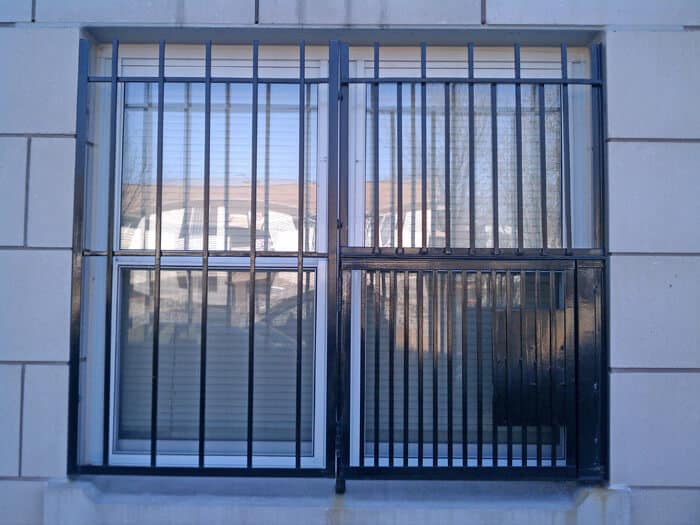
Window bars are metal grids or bars fitted over a window frame. They block access from the outside. They are often welded or bolted to the frame.
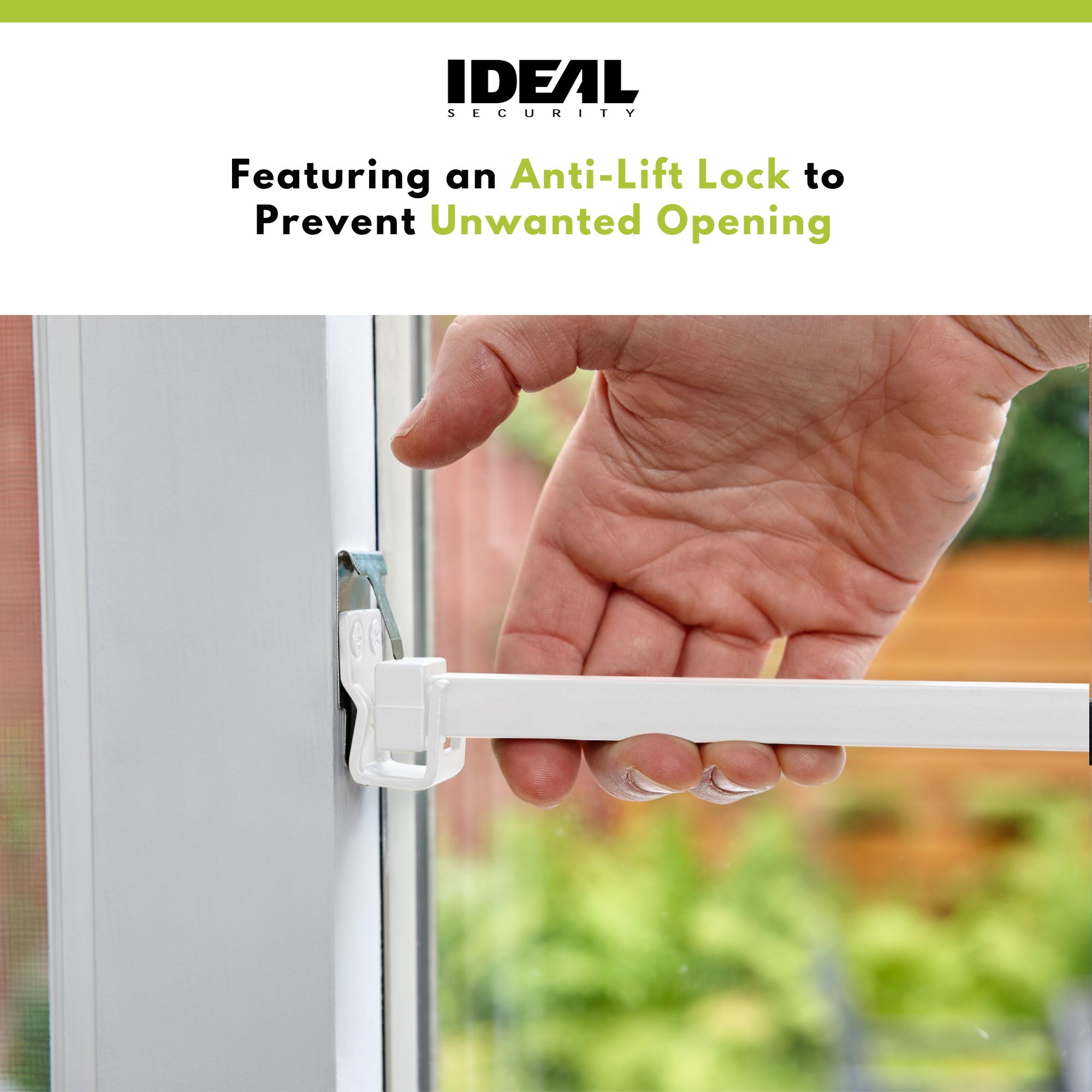
Window locks are hardware pieces that secure the sash, casement, or slider. They prevent the window from being opened from outside. Window locks include latch locks, sash locks, key locks, and multi-point locks.
Exclusive Deals
Limited-time Exclusive Deals. Check current discount on Amazon.
Check Price on Amazon As an Amazon Associate I earn from qualifying purchases.This section sets the basics for comparing Window Bar vs Window Lock. Understanding the difference helps match security to your needs.

Key differences: security, escape, and daily use
Security level
- Window bars offer strong, visible physical protection against forced entry.
- Window locks stop most casual or opportunistic intruders but may be bypassed by determined attackers.
Emergency escape
- Window bars can block emergency exits unless fitted with quick-release hinges or inside-release devices.
- Window locks generally allow a quick exit if the mechanism is inside and easy to open.
Aesthetics and curb appeal
Exclusive Deals
Limited-time Exclusive Deals. Check current discount on Amazon.
Check Price on Amazon As an Amazon Associate I earn from qualifying purchases.- Window bars change a home’s look and can feel heavy or institutional.
- Window locks are mostly invisible and keep the window’s appearance intact.
Cost and installation
- Window bars often have a higher upfront cost if custom-made and require drilling or welding.
- Window locks are lower-cost and simple to install or replace.
Maintenance
- Window bars need rust protection and periodic checks on fixings.
- Window locks require lubrication and occasional alignment.
These contrasts help when weighing Window Bar vs Window Lock for a given window or neighborhood.
Pros and cons of window bars
Pros
- High physical deterrent that stops many forced entries.
- Lasts long when made from quality steel and protected from rust.
- Good for ground-floor windows and spaces with less visibility.
Cons
- Can trap occupants if not fitted with emergency releases.
- May reduce natural light and view.
- Can hurt resale appeal if the look is too institutional.
Safety note: some window bars include an internal quick-release hinge or latch. Can window bars be opened quickly in an emergency? Yes, certain designs meet fire code and open from inside in seconds. Always choose bars that allow fast egress when needed.

Pros and cons of window locks
Pros
- Preserve window appearance and ventilation.
- Easy and low-cost to install or upgrade.
- Many modern locks meet security ratings and resist common bypass methods.
Cons
- Less visible deterrent compared to bars.
- Can be defeated by skilled intruders or tools if the frame or glass is weak.
- Older locks may fail over time or become misaligned.
Practical tip: combine stronger locks with reinforced glass or security film to boost protection while keeping a clean look.
Types and materials
Window bars
- Steel fixed bars for permanent protection.
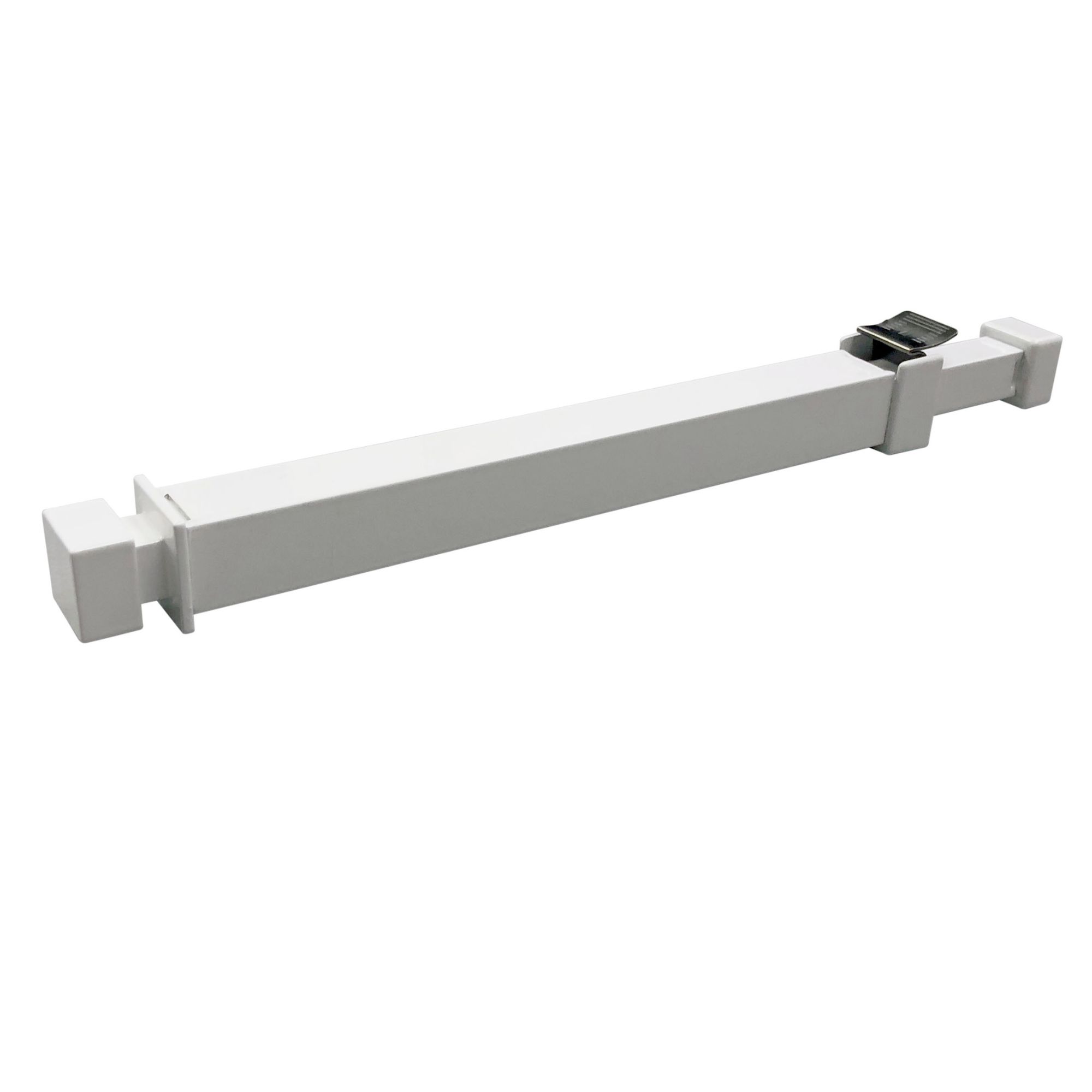
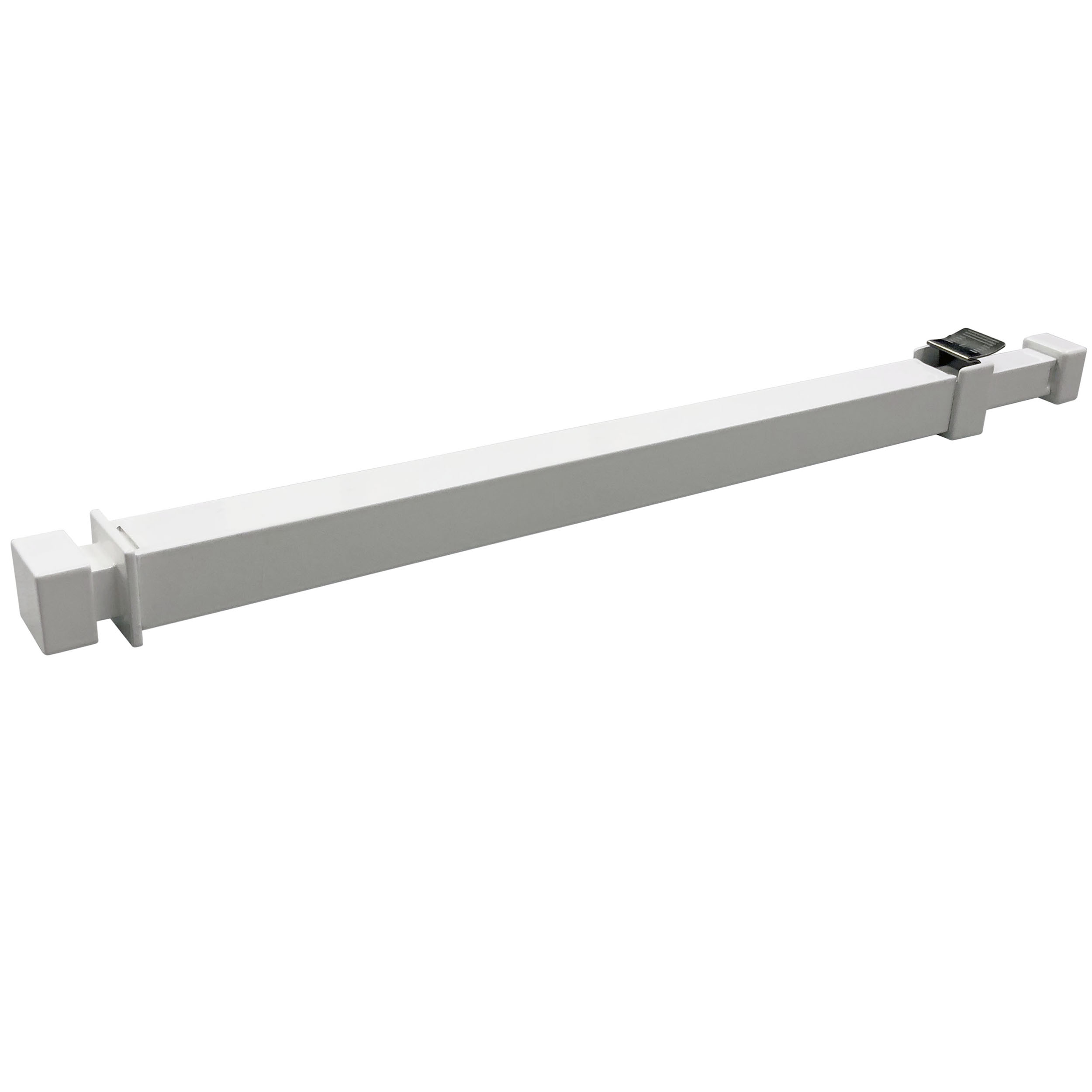
- Removable bars that bolt into place.
- Decorative grille bars that balance style and security.
Window locks
- Sash locks for double-hung windows.
- Cam locks for sliding windows.
- Keyed locks for added control.
- Multi-point locks for casement and tilt-turn windows.
Materials and finishes
- Galvanized steel resists rust for bars.
- Powder-coat finishes improve looks and longevity.
- Zinc, brass, or stainless components work well for locks.
Choosing the right type depends on the window style and local conditions.

Installation and maintenance
Basic installation steps for window bars
- Measure the frame precisely.
- Choose mounting points that anchor into solid material.
- Use tamper-resistant bolts and seal fixings against moisture.
- Test quick-release mechanisms if present.
Basic installation steps for window locks
- Ensure sash or frame is square.
- Align lock strike and latch carefully.
- Use proper screws and check for smooth operation.
- Lubricate annually and tighten loose screws.
Maintenance checklist
- Check bars for rust and repaint or reseal as needed.
- Operate locks monthly and oil moving parts.
- Test quick-release and emergency functions once a year.
From my experience, a small alignment or a loose screw causes most lock failures. Tighten and test after installation for peace of mind.
Building codes, safety, and insurance considerations
Fire and egress rules
- Many local codes require quick-release for bars on bedrooms and sleeping areas.
- Emergency egress rules may differ by municipality. Check local code before installing bars.
Insurance and liability
- Some insurers offer discounts for visible security measures, but others need compliant escape mechanisms.
- Failure to provide proper egress can affect claims in a fire.
Documentation
- Keep receipts and product manuals.
- Note installation details to show compliance with any inspections.
Be transparent with your insurer and local authorities about Window Bar vs Window Lock choices. This avoids surprises and ensures proper coverage.

How to choose between Window Bar vs Window Lock
Assess risk
- High-crime areas often justify bars or layered defenses.
- Low-risk neighborhoods may suit quality locks and glass upgrades.
Consider occupants
- Homes with children or elderly need easy escape options.
- Rental units may require a balance between tenant safety and security.
Budget and aesthetics
- Set a clear budget for hardware and installation.
- Pick styles that match your home’s look.
Layered approach
- Combine a good window lock with reinforced glass, sensors, or trim bars.
- Place bars on low-risk, high-exposure windows, and use locks elsewhere.
Decision flow (simple)
- Do you need strong physical deterrence? Consider bars.
- Do you need quick escape and a clean look? Choose locks.
- Want both? Use locks plus reinforced glass or removable bars.
In many cases, the best plan mixes both tools. That is the essence of comparing Window Bar vs Window Lock: match tools to context, not fashion.
Personal experience and practical tips
I once retrofitted six ground-floor windows with both quick-release bars and upgraded locks. The combo improved safety and passed the local fire inspection. Here are lessons I learned:
- Plan for escape. Always choose bars with interior release for sleeping rooms.
- Prioritize strong anchors. Bars that only bite into trim fail easily.
- Match locks to the window type. A sliding window needs a different lock than a casement.
- Test everything after storms or renovations. Frames can shift.
Tip from the field: if you live in a rainy area, choose stainless or galvanized bars and check seals. That saved me a costly repaint job after two winters.
Frequently Asked Questions of Window Bar vs Window Lock
Are window bars legal in all areas?
Laws vary. Many places allow bars but require quick-release features in sleeping rooms. Always check local building codes before installing.
Can window locks prevent break-ins effectively?
Yes, modern locks reduce common break-ins when paired with strong frames and glass. They are less effective alone against determined intruders.
Do window bars lower property value?
They can, if they look industrial. Decorative or well-integrated bars may not harm value and can enhance perceived safety.
How much do window bars and locks cost?
Costs vary widely. Basic locks are inexpensive, while custom bars and professional installation can be several hundred dollars per window.
Can I install window bars or locks myself?
Many locks are DIY-friendly. Bars often need precise fitting and anchoring. Hire a pro for best safety and code compliance.
Conclusion
Choosing between Window Bar vs Window Lock is about matching risk, safety, and daily use. Window bars give strong physical protection but need proper escape features. Window locks keep a clean look and allow quick exit but may need backing from reinforced glass or alarms. Use the layered approach: good locks, strong glass, alarms, and bars where needed.
Take action today: inspect your most vulnerable windows, decide which approach fits your home, and schedule upgrades or a professional assessment. Share your experience or questions in the comments so others can learn from your choices.