
Wall Safe vs Floor Safe: Floor safes hide better, but wall safes are easier to access and install.

Exclusive Deals
Limited-time Exclusive Deals. Check current discount on Amazon.
Check Price on Amazon As an Amazon Associate I earn from qualifying purchases.I have spent years installing and testing home safes for homeowners and small businesses. This guide breaks down Wall Safe vs Floor Safe with clear, practical advice. You will learn how each type works, where they shine, and how to choose the right safe for your needs. Expect hands-on tips, common pitfalls, and a buy-or-skip checklist to save time and money.

What is a Wall Safe vs Floor Safe?
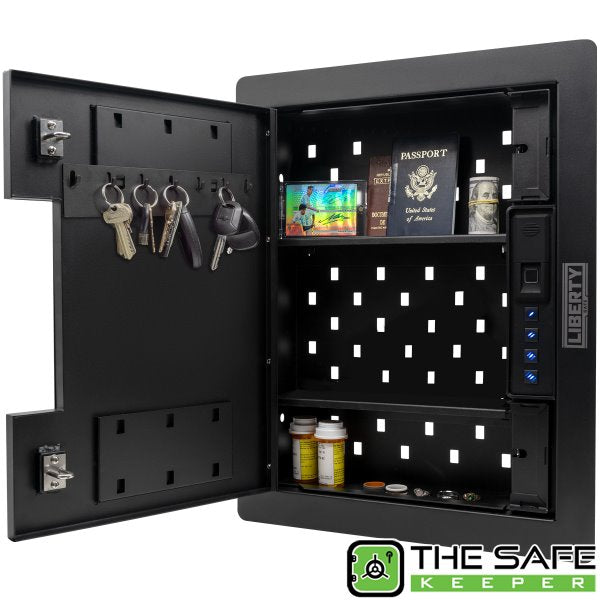
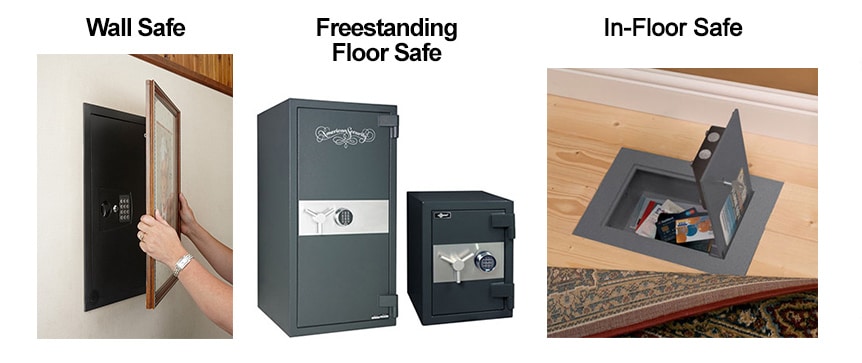
A wall safe mounts inside a wall cavity. It sits between studs or inside drywall. Wall safes are often shallower. They work well for small valuables and documents.
A floor safe embeds into a floor or concrete slab. It is deeper and usually larger. Floor safes offer stronger concealment and better protection from prying tools. Both types come in mechanical and electronic lock options.
Exclusive Deals
Limited-time Exclusive Deals. Check current discount on Amazon.
Check Price on Amazon As an Amazon Associate I earn from qualifying purchases.Wall Safe vs Floor Safe comparison starts with location, access, and security level. Each type fits different priorities. Read on to match one to your situation.
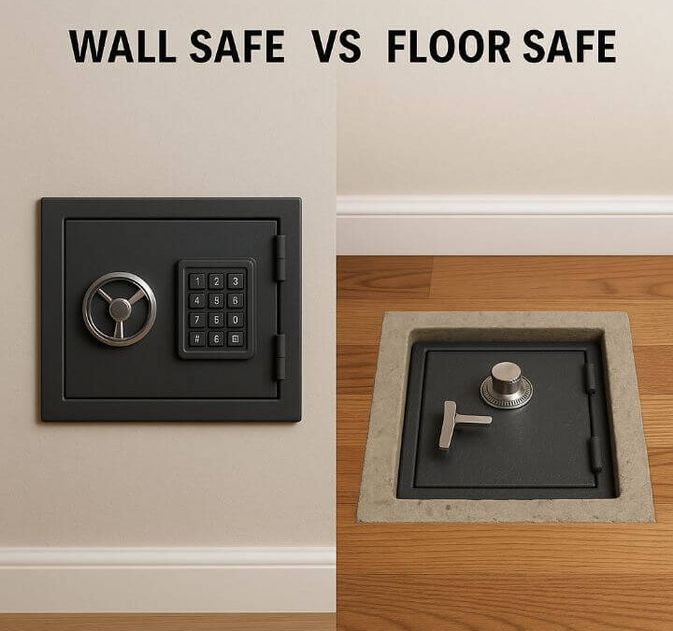
Key differences at a glance
- Installation method and labor: Wall safes are cut into drywall and anchored. Floor safes require cutting or embedding in concrete and often more labor.
- Visibility and concealment: Floor safes are easier to hide under rugs or inside closets. Wall safes can be visible if not well concealed.
- Capacity and depth: Floor safes usually offer more depth for bulkier items. Wall safes are slimmer and better for papers and small boxes.
- Security vs convenience: Wall safes are quicker to access. Floor safes are tougher for burglars to pry out.
- Moisture and environmental risk: Floor safes in basements can face moisture. Wall safes may be better in dry interior walls.
- Cost and time: Floor safe installation typically costs more due to concrete work. Wall safe installs are often cheaper and faster.
Choosing between Wall Safe vs Floor Safe means weighing convenience, concealment, and installation cost.

Security and protection: which is safer?
Floor safes win in concealment. They are heavy to remove and often hidden under flooring. Many thieves expect wall safes above the floor, so a floor safe can be less obvious.
Exclusive Deals
Limited-time Exclusive Deals. Check current discount on Amazon.
Check Price on Amazon As an Amazon Associate I earn from qualifying purchases.Wall safes can be targeted if visible. Properly installed wall safes anchored to studs are still secure. For both types, lock quality matters more than simply the safe type.
Fire and water resistance differ by model. Some floor safes offer fireproof liners; some wall safes include fire ratings. Think about the risks you face: fire, flood, or theft. Choose a certified fire rating if documents are a priority.
My experience: a floor safe I installed recovered jewelry after a break-in because the thief never found it. A wall safe I tested saved quick-access paperwork but needed better anchoring. That taught me to match the safe to the threat and routine.

Installation and maintenance
Wall safe installation steps:
- Locate studs and wiring.
- Cut a fitting opening.
- Slide in the safe and secure to studs.
- Finish with trim or a flush door.
Floor safe installation steps:
- Mark and cut flooring.
- Excavate concrete or subfloor as needed.
- Set safe into concrete or bolt to slab.
- Patch and finish flooring around the door.
Maintenance tips for both:
- Test locks monthly.
- Replace batteries on electronic locks annually.
- Check for moisture or damage near the safe.
- Repaint or touch trim to keep a low profile.
Installation complexity often makes professional help wise. I recommend pros for floor safes and homeowners with basic tools can usually handle wall safes.
Use cases: when to pick a wall safe or a floor safe
Choose a wall safe if:
- You want fast daily access to documents or small valuables.
- You rent and cannot alter floors or concrete.
- You need a low-cost, quick installation.
Choose a floor safe if:
- You need deep storage for bulky items or larger amounts of cash.
- You want better concealment and removal resistance.
- You plan a permanent, long-term security solution.
Examples:
- Families storing passports and jewelry might prefer a floor safe for extra hiding.
- Busy professionals keeping current contracts and cash for tips might favor a wall safe for quick access.
Wall Safe vs Floor Safe matters most when you consider daily use and the lifetime of the safe.
Cost, size, and value
Price ranges (typical):
- Small wall safes: low to mid price range.
- Floor safes: mid to high price range, plus installation.
Value factors:
- Fire rating increases cost.
- Steel thickness and bolt work increase security and price.
- Professional installation raises upfront cost but increases longevity and performance.
Insurance considerations:
- Check homeowner insurance requirements for safe ratings.
- Insurers may require bolting to structure or specific fire ratings for high-value contents.
- Keep receipts and serial numbers for claims.
From my installs, floor safes often yield better long-term value for high-value items despite higher initial cost.
Common mistakes and tips from experience
Common mistakes:
- Installing a wall safe where wiring or plumbing runs.
- Choosing size without thinking about future needs.
- Skipping professional help for floor safe installation.
- Relying on a cheap lock for high-value items.
Practical tips:
- Measure items and add margin before buying.
- Use a dowel or metal detector to check the wall cavity.
- Consider a decoy safe for visible storage and a hidden floor safe for valuables.
- Document contents with photos and an inventory list.
I learned to always plan access and concealment together. A secure safe is useless if you can’t get to items quickly or if the safe becomes obvious to intruders.
Comparison checklist before you buy
- Intended contents and size needs.
- Primary threat: theft, fire, flood, or loss.
- Installation constraints: rental, slab, or finished basement.
- Lock type: mechanical dial, electronic keypad, or biometric.
- Fire and water ratings required by insurance.
- Budget for safe and installation.
- Accessibility needs for daily use.
- Concealment strategy: visible, hidden, or decoy.
Use this checklist to compare models and to decide between Wall Safe vs Floor Safe.
Frequently Asked Questions of Wall Safe vs Floor Safe
What is better for documents, a wall safe or a floor safe?
Documents usually do well in both if the safe has a good fire rating. Choose a fire-rated wall safe for easy access or a fire-rated floor safe for better concealment.
Can a floor safe be moved by burglars?
A floor safe embedded in concrete is very hard to remove. Freestanding floor safes are easier to take, so anchoring is important.
Are wall safes waterproof?
Most wall safes are not waterproof. If you worry about floods, select a safe with a water-resistant rating or place valuables above likely water lines.
How much does installation cost for a floor safe?
Installation varies widely. Expect higher costs for concrete cutting and professional labor compared to a wall safe installed in drywall.
Can I install a wall safe myself?
Many homeowners can install a wall safe if they avoid studs, wiring, and plumbing. For complex walls or for better security, professional installation is recommended.
Will an insurance company accept a wall safe instead of a floor safe?
Insurance depends on policy terms and value stored. Some policies specify ratings or bolting requirements rather than safe type, so check with your insurer.
Conclusion
Wall Safe vs Floor Safe is not about which is universally better. It is about which meets your needs for access, concealment, and protection. Choose a wall safe for fast access and lower installation cost. Choose a floor safe for stronger concealment and greater resistance to removal or pry attacks. Take time to measure, plan installation, and match fire and water ratings to your risk. If unsure, consult a professional installer and check your insurance rules. Share your experience, ask questions below, or subscribe for more practical home security guides.


