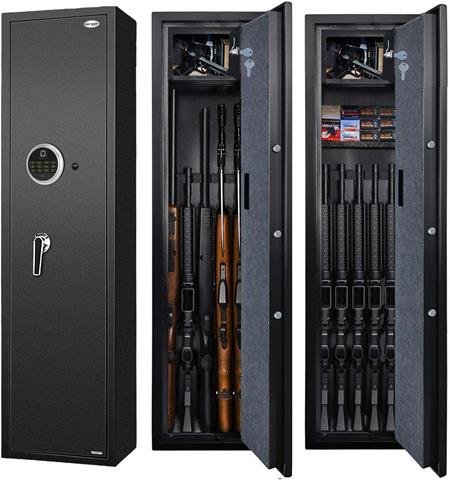
Biometric safes offer faster access and modern security, while key lock safes deliver simple, reliable mechanical protection.
Exclusive Deals
Limited-time Exclusive Deals. Check current discount on Amazon.
Check Price on Amazon As an Amazon Associate I earn from qualifying purchases.I have worked with safes for years, helping homeowners and small businesses choose the right option. This article compares Biometric Safe vs Key Lock Safe in depth. You will get clear explanations, practical examples, pros and cons, and hands-on tips I learned in the field. By the end, you will know which safe fits your needs and how to avoid common mistakes.
How Biometric Safes and Key Lock Safes Work
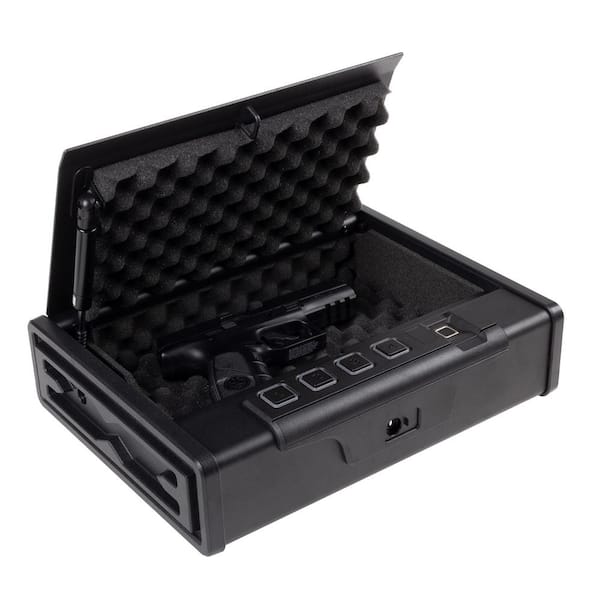
Biometric Safe vs Key Lock Safe refers to two common access methods. A biometric safe uses biometric sensors. The most common is a fingerprint scanner. The scanner reads a fingerprint template and matches it to stored profiles. If the match is successful, the lock motor turns and the bolt retracts.
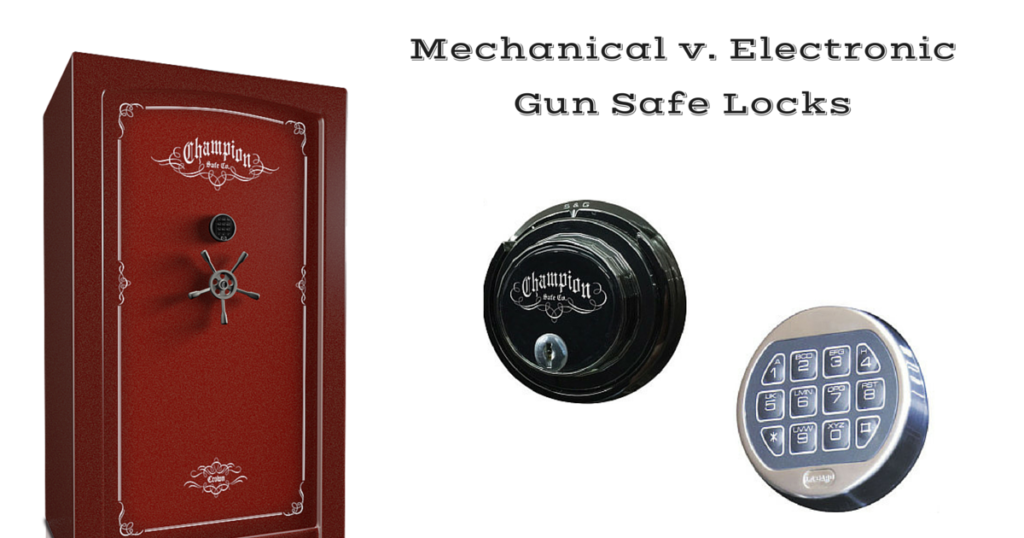
A key lock safe uses a physical key or a mechanical dial. The key engages pins or tumblers. Turning the key moves the boltwork to open. Mechanical dial locks require turning the dial to specific numbers to align internal wheels.
Exclusive Deals
Limited-time Exclusive Deals. Check current discount on Amazon.
Check Price on Amazon As an Amazon Associate I earn from qualifying purchases.Key characteristics:
- Biometrics require power, sensors, and firmware.
- Key locks rely on mechanical parts and do not need electricity.
- Both types come in electronic hybrids: biometric with key override, or electronic keypad with backup key.
From my experience installing both, the user experience differs a lot. Biometric safes are faster for daily access. Key lock safes feel more fail-safe when power or batteries fail.

Detailed Comparison: Biometric Safe vs Key Lock Safe
Here I break down the main factors to help you choose.
Security
Biometric Safe vs Key Lock Safe security depends on design and quality. High-end biometric safes use encrypted templates and anti-spoofing sensors. Cheap models might be fooled by high-resolution prints or fake fingers. Mechanical key locks can be picked if low-quality, but robust locks resist picking.
Exclusive Deals
Limited-time Exclusive Deals. Check current discount on Amazon.
Check Price on Amazon As an Amazon Associate I earn from qualifying purchases.Security notes:
- Choose safes with anti-tamper features and quality boltwork.
- Look for safes with certified lock ratings when possible.
- Biometric systems can log access events; key locks cannot.
Reliability and Failure Modes
Biometric Safe vs Key Lock Safe reliability varies with maintenance. Biometric systems fail if batteries die or sensors get dirty. Key locks fail if the key is lost or the mechanism is jammed. In my installations, routine battery checks and keeping a backup key avoided most issues.
Reliability tips:
- Keep spare batteries and test sensors monthly.
- Store a backup key in a separate secure place.
Speed and Convenience
Biometric Safe vs Key Lock Safe wins on convenience for biometrics. Fingerprint scans take seconds. Keys require retrieval and insertion. For people who need quick access under stress, a biometric safe is often preferable.
Cost and Value
Biometric Safe vs Key Lock Safe cost varies widely. Entry-level key lock safes are the cheapest. Mid-range biometric safes cost more due to electronics. Over time, battery replacements and possible sensor repairs add to cost for biometric units.
Cost considerations:
- Compare long-term maintenance costs.
- Factor in warranty and customer support quality.
Maintenance and Lifespan
Biometric Safe vs Key Lock Safe maintenance is different. Biometric safes need firmware updates, battery changes, and sensor cleaning. Key lock safes need lubrication and occasional mechanical servicing. Proper care can make both last decades.
Fire and Water Protection
Access method does not determine fire rating. Both biometric and key lock safes come with fire ratings. Choose the safe model with the fire and water protection suitable for your contents. Check independent test ratings when possible.
Tamper Resistance and Bypass Options
Biometric Safe vs Key Lock Safe can both include override options. Many biometric safes include a mechanical key override. Key lock safes rarely have biometric overrides. An override adds convenience but can be a vulnerability if not secured.
Real-world Use Cases and Practical Recommendations
Here are typical scenarios and what I recommend based on hands-on experience.
Home use and cash
- Biometric Safe vs Key Lock Safe: For quick daily access to small valuables, biometric safes are ideal.
- Tip: Use a biometric safe with a reliable key override and keep the key offsite.
Gun storage
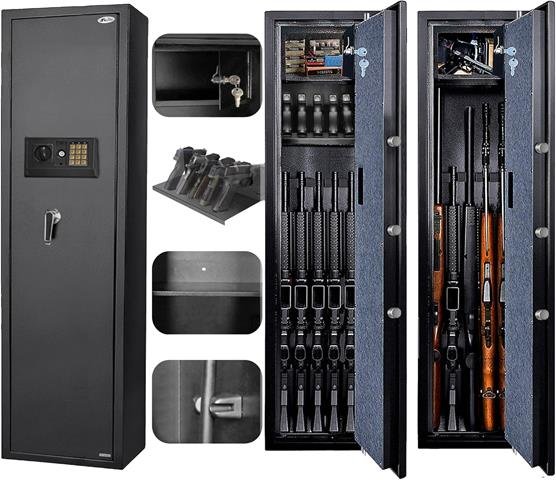
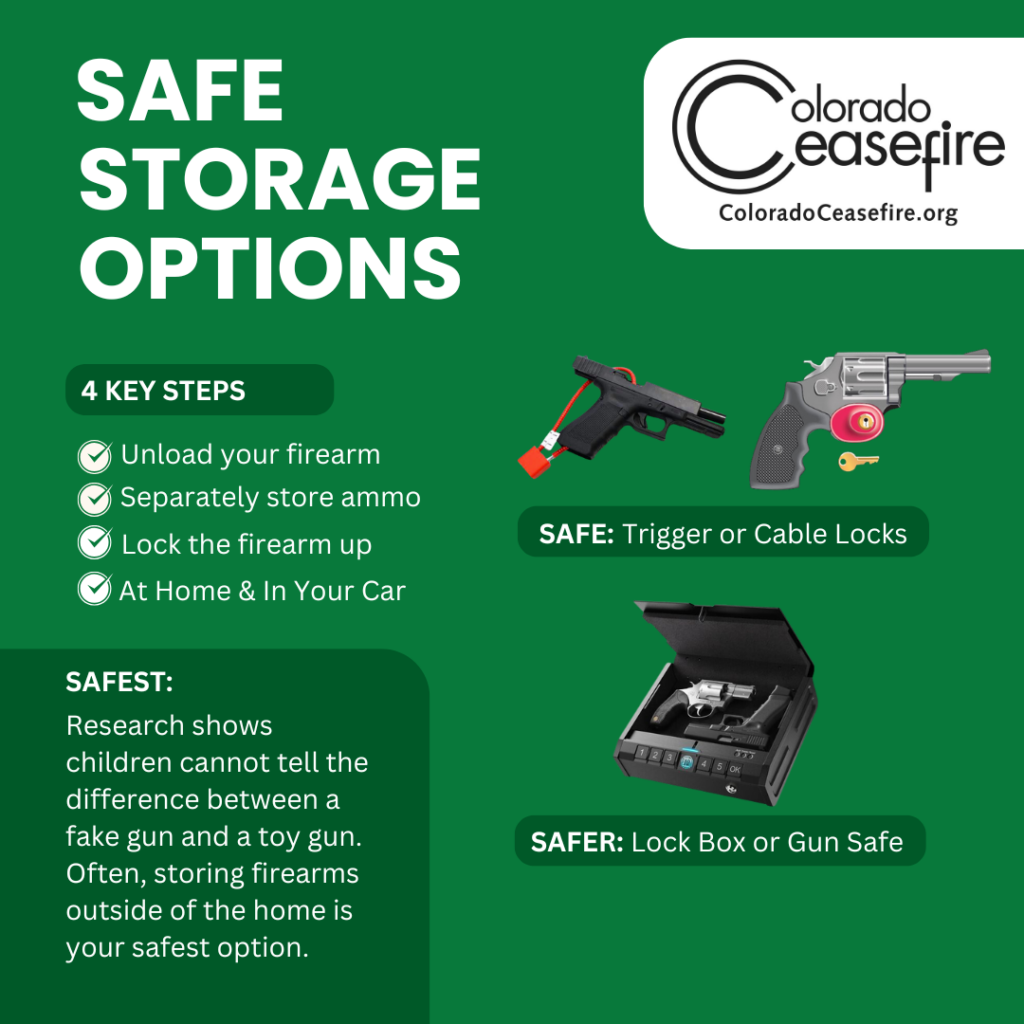
- Biometric Safe vs Key Lock Safe: Biometric safes help speed access in emergencies, but ensure the unit meets legal storage laws and has strong physical construction.
- Tip: Pick a safe with robust boltwork and verified testing.
Small business and documents
- Biometric Safe vs Key Lock Safe: Key lock safes work well where shared access and audit trails are not needed. Biometric safes with logging are useful when multiple staff need controlled access.
- Tip: Use multi-user biometric models with access logs for accountability.
Travel and portable needs
- Biometric Safe vs Key Lock Safe: Portable key lock safes are simple and durable. Portable biometric locks are less common and may be less reliable.
- Tip: For travel, choose a compact mechanical lock safe with good build quality.
My personal lesson: I once installed a biometric safe in a busy household. The sensor jammed once because a child left sticky residue on the pad. After cleaning and adding a backup key, the family regained confidence. Small practical checks prevent most problems.

Buying Guide: What to Look For
Follow this checklist when comparing Biometric Safe vs Key Lock Safe models.
Essential features
- Quality boltwork and solid steel construction.
- Verified fire or water ratings if protecting documents.
- For biometrics: anti-spoof sensors, multi-user capacity, and data encryption.
- For keys: replaceable keyway and pick-resistant lock design.
Backup and redundancy
- Biometric Safe vs Key Lock Safe: Pick models with mechanical key override or external battery ports.
- Keep a separate spare key and store it securely.
Installation and anchoring
- Anchor safes to the floor or wall to prevent theft.
- Verify anchor kit compatibility before purchase.
Warranty and support
- Favor manufacturers with clear warranties and good customer service.
- Check for available replacement parts like keys or sensors.
Testing before regular use
- Enroll multiple fingerprints and test at different times.
- Practice opening with backup key to ensure it works.
Budgeting
- Decide the most important criteria: speed, mechanical reliability, or advanced features.
- Expect to pay more for higher-rated locks and certified fireproofing.
Frequently Asked Questions of Biometric Safe vs Key Lock Safe
How secure is a biometric safe compared to a key lock safe?
Biometric safes can be very secure if they use quality sensors and encryption. Key lock safes are secure when they employ high-grade mechanical locks; both types depend on build quality more than access method.
What happens if the biometric safe's batteries die?
Most biometric safes offer an external battery port or mechanical key override. Keep replacement batteries and a backup key accessible to avoid lockouts.
Can fingerprints be spoofed on biometric safes?
Low-end biometric sensors can be spoofed with high-quality replicas, but modern sensors include anti-spoof measures. Choose models with proven anti-spoofing features for better protection.
Which is better for quick access in emergencies?
Biometric safes typically provide faster access in emergencies, as a fingerprint scan takes seconds. A keyed safe may slow you down if the key is not immediately available.
Are key lock safes easier to maintain than biometric safes?
Key lock safes require less electronic maintenance but need periodic mechanical care like lubrication. Biometric safes require battery replacements and sensor upkeep.
Do biometric safes keep access logs?
Some biometric safes include access logging to track who opened the safe and when. This feature is useful for businesses and shared access situations.
Is there a recommended combination of features?
A biometric safe with a strong mechanical key override and good fire rating offers a balanced mix of speed and redundancy. Always test both systems after installation.
Conclusion
Choosing between a Biometric Safe vs Key Lock Safe comes down to your priorities. If you value quick access and modern features, a biometric safe is a smart choice. If you prefer simplicity and mechanical reliability, a key lock safe works well. Focus on build quality, fire rating, and backup options rather than just the access method.
Takeaway: list your must-have features, test the safe before relying on it, and keep backups for any electronic system. If you enjoyed this guide, leave a comment, share your experience, or subscribe for more practical advice on home security and safes.