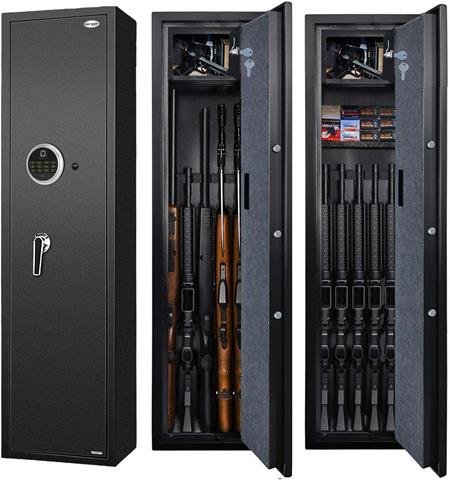
A key lock safe is simple and reliable; a combination safe adds convenience and stronger access control.
Exclusive Deals
Limited-time Exclusive Deals. Check current discount on Amazon.
Check Price on Amazon As an Amazon Associate I earn from qualifying purchases.I have worked with safes for years in homes and small businesses. This article breaks down Key Lock Safe vs Combination Safe with clear pros, cons, real tests, and buying tips. You will learn how each works, when to pick one, common mistakes, and how to get the most value from your safe choice. Read on for practical advice you can use today.
How Key Lock Safe vs Combination Safe Work
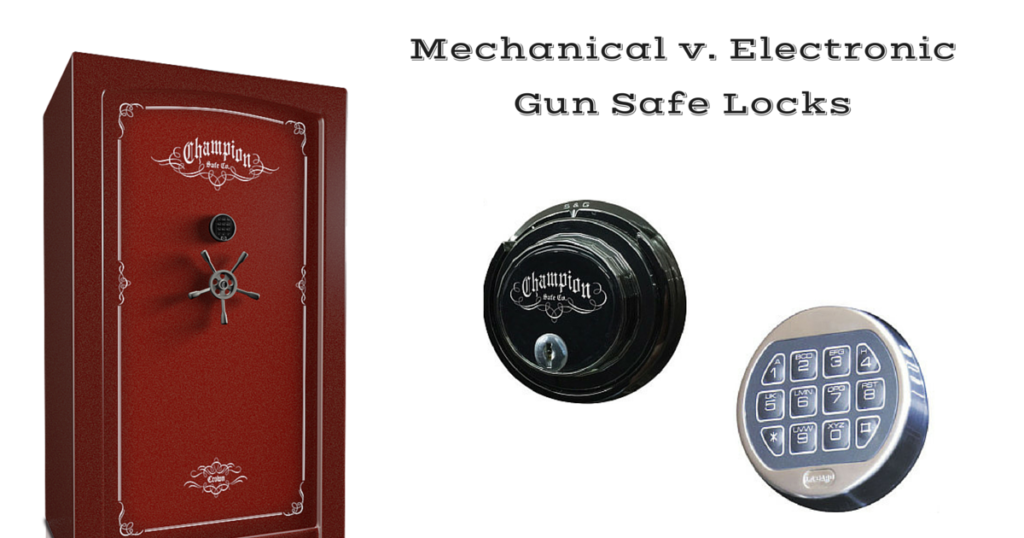
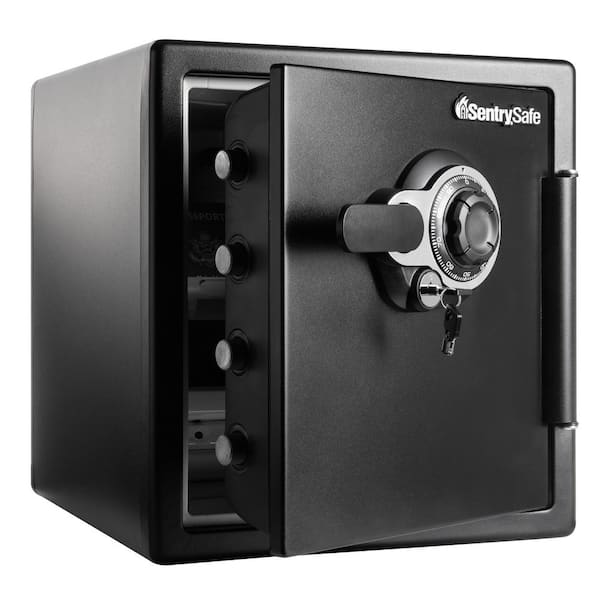
A key lock safe uses a physical key to open a locking mechanism. Turn the key and internal bolts retract. It is usually mechanical and needs little power or electronics.
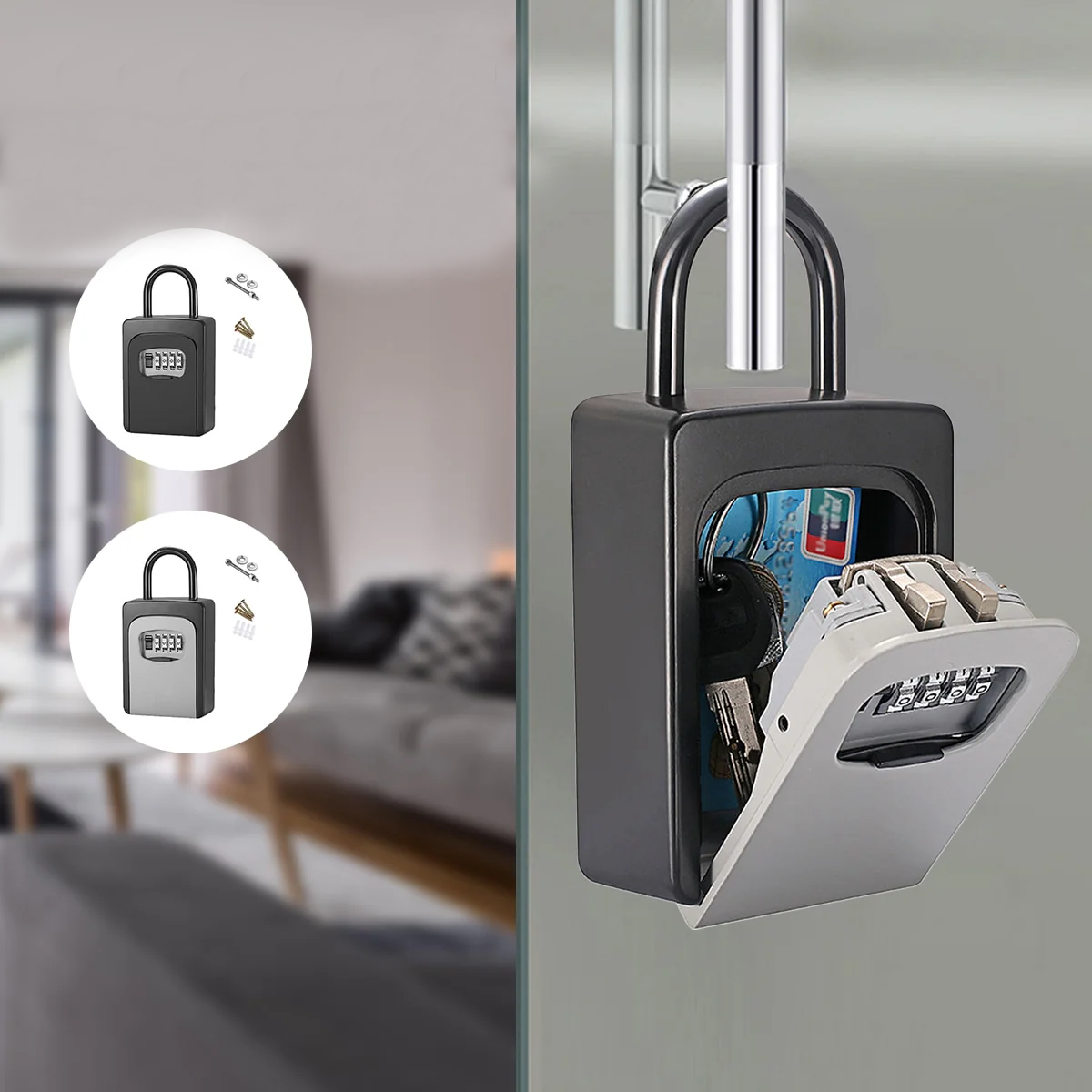
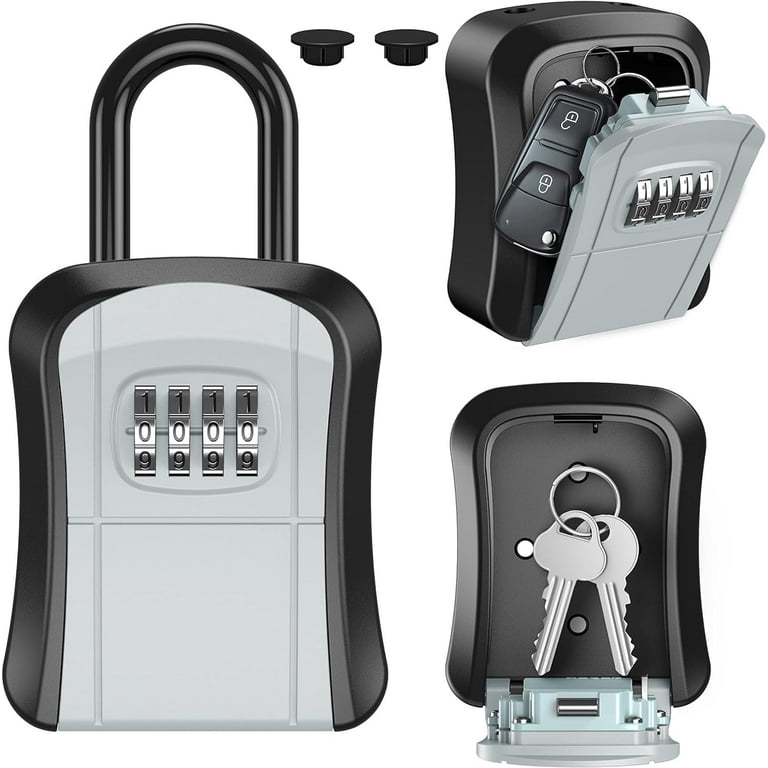
A combination safe opens with a dial or digital code. Mechanical dials require a sequence of rotations. Electronic combination safes need correct numeric input and sometimes batteries.
Exclusive Deals
Limited-time Exclusive Deals. Check current discount on Amazon.
Check Price on Amazon As an Amazon Associate I earn from qualifying purchases.Both types protect contents from casual theft. How they resist tampering differs. Understanding the mechanics helps choose the right model for your needs.

Key Lock Safe: Benefits, Limitations, and Use Cases
Key lock safes are simple to use. Keys are quick and require no memorization. Many people trust keys for home use and low-risk valuables.
Benefits
- Low complexity makes them reliable long term.
- No batteries or electronics needed.
- Faster access in calm situations.
- Often cheaper up front than electronic combo safes.
Limitations
Exclusive Deals
Limited-time Exclusive Deals. Check current discount on Amazon.
Check Price on Amazon As an Amazon Associate I earn from qualifying purchases.- Key loss means lockout or expensive locksmith service.
- Physical keys can be copied or stolen.
- Less flexible for shared access or multiple users.
- Some models are easier to pick than high-quality combination locks.
Use cases
- Small home safes for cash and paperwork.
- Secondary storage where limited access control is fine.
- Situations where power is not reliable.
Personal note: I once relied on a key lock safe at a rental property. A tenant misplaced the key and I learned to keep a sealed key backup offsite. That simple step saved time and money.
Combination Safe: Benefits, Limitations, and Use Cases
Combination safes come as mechanical dials or electronic keypads. They offer flexible access control and advanced security options.
Benefits
- No physical key to lose.
- Easier to share access with multiple people by sharing a code.
- Electronic models can include audit logs, timed locks, and auto-lock features.
- Mechanical combos are highly pick-resistant when well made.
Limitations
- Electronic models need batteries or power backups.
- Forgotten combinations can require professional reset.
- Cheaper electronic models are vulnerable to simple bypass methods.
- Mechanical dials require practice to open quickly under stress.
Use cases
- Business safes with multiple users.
- Home safes for families who prefer code sharing.
- High-value storage where audit or timed access matters.
Personal note: I tested an electronic combination safe for a small office. The keypad was fast, and the audit log helped track access. Battery replacement was the main operational task.

Security Comparison: Which Is Safer?
Safety depends on build quality and use case, not just lock type. A high-end key lock safe can beat a low-end combination safe, and vice versa.
Pick resistance
- High-quality combination locks are harder to pick due to internal complexity.
- Key locks are vulnerable if someone duplicates a key or uses lock-picking skills.
Forced entry and boltwork
- Both rely on solid boltwork and strong steel bodies to resist prying.
- Look for thicker steel, relocking devices, and hardened bolt designs.
Operational security
- Combination safes remove the risk of key theft.
- Electronic combos can lock out after failed attempts and can log access on advanced models.
- Key locks are simple and fail-safe in power outages or electronic attacks.
Practical tip: For high-risk items, combine a good safe body with a high-quality lock mechanism. Cheaper safes often skimp on steel and focus on the lock type instead.

Quick Questions (short answers inside the flow)
How often should you change a combination on a combination safe?
- Change codes whenever access changes hands, or every 6–12 months for high-use setups.
Is a key lock safe still secure if used with an offsite key backup?
- Yes, an offsite sealed key backup reduces lockout risk while keeping the main key secure.
Can two people use a key lock safe safely?
- Only if you use shared custody of the key or duplicate keys with strict control, which increases risk.
These short answers help with daily decisions when comparing Key Lock Safe vs Combination Safe.

How to Choose Between Key Lock Safe vs Combination Safe
Decide based on risk profile, access needs, and budget. Use a small checklist to guide buying.
Checklist
- Determine what you will store and its value.
- Decide who needs access and how often.
- Set a budget that includes installation and maintenance.
- Consider fire and water protection ratings if needed.
- Choose steel thickness and relock features over gimmicks.
Scenario examples
- Home family safe with shared access: choose a combination safe for easier code sharing.
- Single-owner small safe with minimal access: a key lock safe can be more cost-effective.
- Small business cash drawer: electronic combination safe with audit log is often best.
Personal insight: I recommend testing access under stress. Ask a friend to time you opening each safe. Speed and ease matter when you need quick access.
Installation, Maintenance, and Common Mistakes
Proper installation and upkeep extend safe life and security. Many problems come from poor placement or neglect.
Installation tips
- Bolt the safe to concrete or a heavy floor when possible.
- Avoid placing a safe in obvious spots like closets or master bedroom floors.
- Keep vents clear and allow air for electronic models to avoid overheating.
Maintenance tips
- Replace batteries yearly in electronic combination safes.
- Lubricate mechanical locks only with manufacturer-recommended products.
- Record serial numbers and keep key duplicates in secure, separate locations.
Common mistakes
- Leaving keys in obvious spots near the safe.
- Failing to change default factory combinations.
- Buying a low-quality safe based solely on price.
Personal lesson: I once installed a safe without bolting it. A thief removed it in minutes. After bolting every safe I install now, I avoid that risk.

Cost, Lifespan, and Value
Costs vary widely. Expect to pay more for thicker steel, certified fire protection, and advanced locks.
Cost factors
- Lock type influences price but is not the only factor.
- Fire rating and boltwork add significant cost.
- Installation and locksmith services add to total spend.
Lifespan and value
- A well-made safe lasts decades with basic care.
- Mechanical key locks can outlast electronics but may need parts replaced.
- Combination safes retain flexibility and can increase operational value for businesses.
Value advice: Prioritize the safe body and certifications over trendy lock features. A strong case with a decent lock beats a flashy cheap safe.
Related Concepts and Upgrades
Think beyond key vs combination. These features can boost security and usability.
Upgrades to consider
- Time-delay locks for cash businesses.
- Dual control: requires two people to open.
- Biometric locks paired with combination or key backup.
- Fire and waterproof ratings to protect documents and electronics.
How upgrades affect choice
- Add-ons can tilt the decision toward combination safes for easier integration.
- Keys still work well with mechanical relockers but add single-point-of-failure risk.
Final thought: A safe is part of a security system. Consider cameras, alarms, and secure storage policies to get full protection.
Frequently Asked Questions of Key Lock Safe vs Combination Safe
What is the main difference between a key lock safe and a combination safe?
The main difference is the access method: one uses a physical key and the other uses a code or dial. Key locks rely on a tangible key; combination safes rely on memorized or electronic codes.
Which safe type is better for a family home?
For a family home, a combination safe often works better because codes can be shared and changed easily. Key locks work too but risk loss or unauthorized duplication of keys.
Are combination safes vulnerable to hacking?
Electronic combination safes can be vulnerable if poorly designed, but quality models use secure firmware and tamper protection. Mechanical combination safes are immune to electronic hacking but require physical skill to bypass.
How do I prevent lockouts with a key lock safe?
Keep a sealed duplicate key in a separate secure location or use a trusted locksmith for emergency access. Avoid leaving the duplicate near the safe or in unsecured places.
Is a mechanical dial safer than a keypad?
A mechanical dial can be very secure and hard to bypass if well made. A keypad offers convenience and features, but depends on battery life and electronic integrity.
Can I change the combination on a combination safe myself?
Most electronic and many mechanical combination safes allow owner resets with the correct procedure. If unsure, follow the manual or contact a qualified locksmith to avoid accidental lockout.
Do fire ratings matter for safes?
Yes. Fire ratings indicate how long the safe can protect contents at high temperatures. Match the rating to your needs for documents, media, or valuables.
Conclusion
Choosing between Key Lock Safe vs Combination Safe comes down to who needs access, how often, and how much risk you face. Key lock safes offer simplicity and long-term reliability. Combination safes give flexibility, shared access, and advanced security features. Use the checklist and scenarios above to match features to your needs. Take action: assess your valuables, set a clear budget, and pick the safe that balances build quality with the lock features you need. If this helped, leave a comment or subscribe for more practical security guides.