Schlage Encode vs Yale Assure Lock: Schlage favors built-in Wi‑Fi, Yale offers modular hub options.
Exclusive Deals
Limited-time Exclusive Deals. Check current discount on Amazon.
Check Price on Amazon As an Amazon Associate I earn from qualifying purchases.I’ve tested both locks and helped friends and clients install smart deadbolts for years. This guide breaks down Schlage Encode vs Yale Assure Lock in plain terms. You’ll get clear comparisons on features, installation, security, apps, cost, and real-world tips so you can pick the right smart lock with confidence. Read on for hands-on insights and practical advice.
Overview: Schlage Encode vs Yale Assure Lock
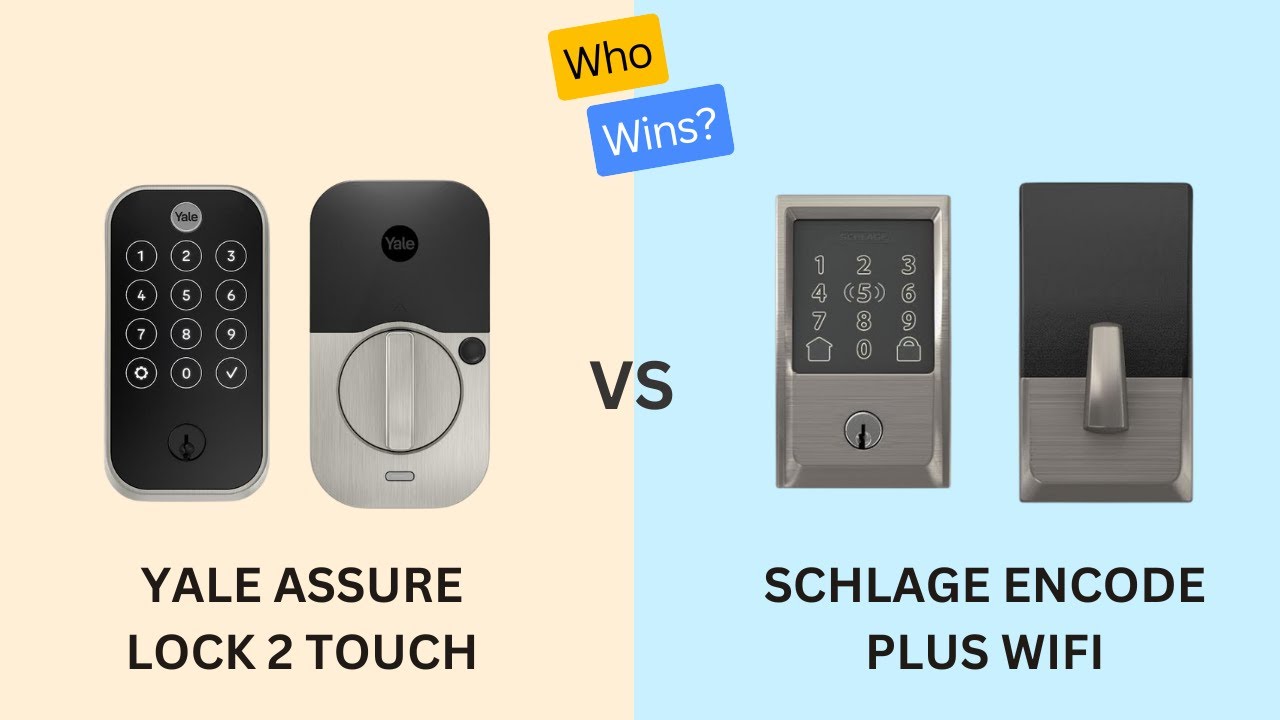
Schlage Encode vs Yale Assure Lock are two top smart deadbolts aimed at homeowners who want convenience and stronger access control. Schlage Encode is known for built-in Wi‑Fi and a solid keypad interface. Yale Assure Lock emphasizes flexibility, offering models that work with different smart home hubs and modular modules for Zigbee, Z‑Wave, or Bluetooth.
Both locks replace a standard deadbolt and keep a physical key as backup. They share common goals: secure entry, remote access, and code management. My direct installs show differing strengths that matter based on your home setup and priorities.
Exclusive Deals
Limited-time Exclusive Deals. Check current discount on Amazon.
Check Price on Amazon As an Amazon Associate I earn from qualifying purchases.
Key features comparison: Schlage Encode vs Yale Assure Lock
Here’s a clear side‑by‑side look at the most important features.
-
Connectivity
- Schlage Encode: Built‑in Wi‑Fi. No extra hub needed for remote access.
- Yale Assure Lock: Hub optional. Works with Wi‑Fi module, Zigbee, Z‑Wave, or Bluetooth depending on model.
-
Security and encryption
- Schlage Encode: Uses industry‑standard encryption and a secure keypad.
- Yale Assure Lock: Strong encryption and secure authentication; module choice can affect overall features.
-
Keypad and physical design
DealExclusive Deals
Limited-time Exclusive Deals. Check current discount on Amazon.
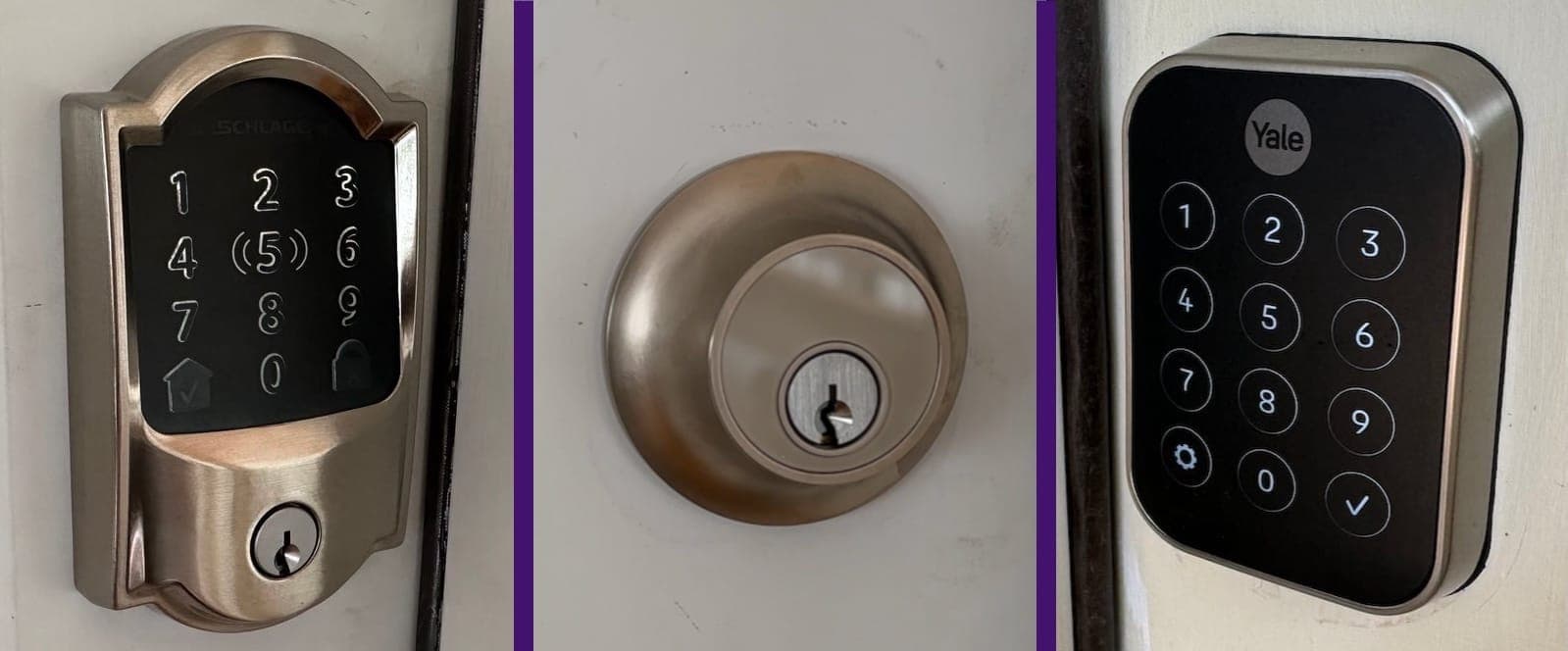
Check Price on Amazon As an Amazon Associate I earn from qualifying purchases.- Schlage Encode: Large, backlit keypad with easy buttons.
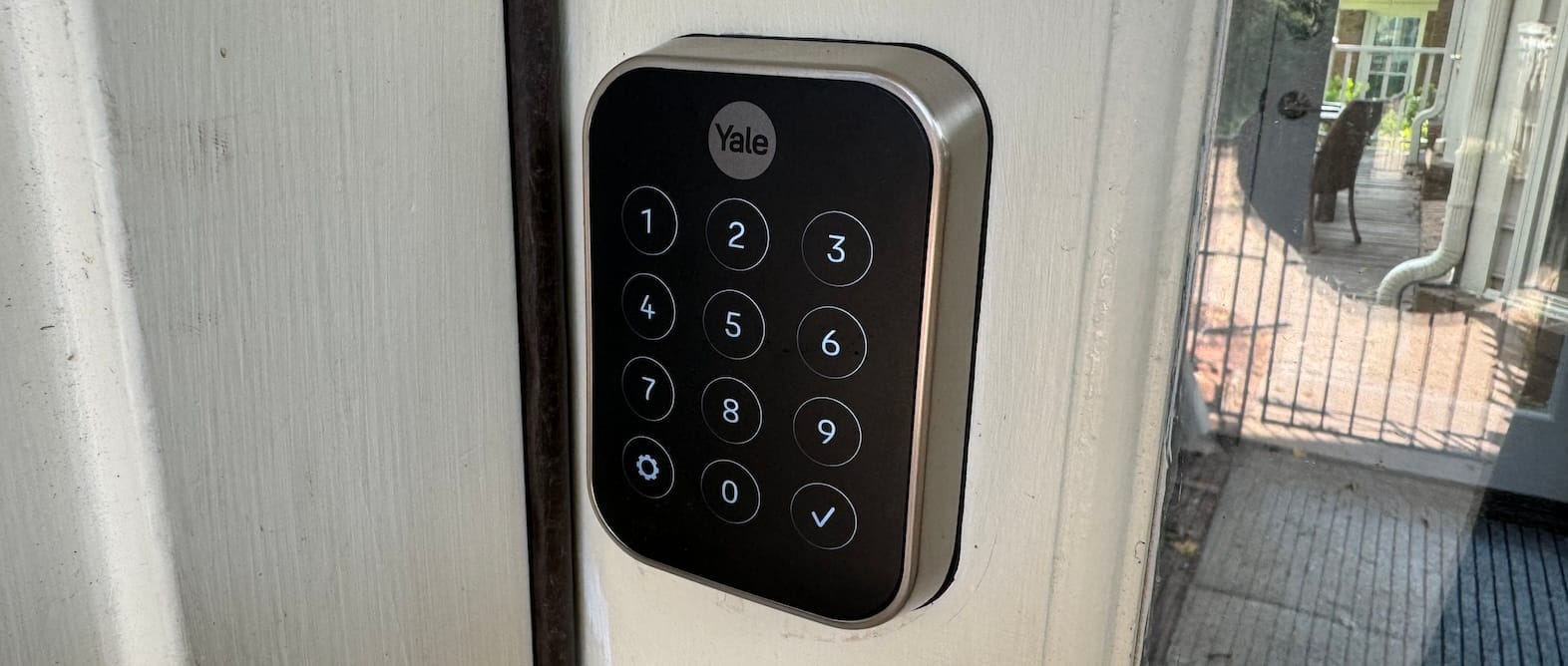
- Yale Assure Lock: Slim touchscreen or physical keypad on some models; more finish options.
-
Voice assistant and integrations
- Schlage Encode: Works with Alexa and Google Assistant natively via Wi‑Fi.
- Yale Assure Lock: Integrations depend on installed module; can work with HomeKit, Alexa, or Google with the proper hub.
-
Battery life
- Schlage Encode: Good battery life under typical use; replaceable AA batteries.
- Yale Assure Lock: Comparable battery life; depends slightly on module and frequency of use.
These differences show why Schlage Encode vs Yale Assure Lock appeal to different users. If you want simple Wi‑Fi, Schlage Encode is easy. If you want future flexibility or HomeKit, Yale Assure Lock can be tailored.
Installation and compatibility: Schlage Encode vs Yale Assure Lock
Installation is a frequent deciding factor. I’ve installed both on standard doors and older frames.
-
Tools and time
- Schlage Encode: Typical install takes 20–30 minutes with a screwdriver. Fits standard deadbolt prep.
- Yale Assure Lock: Similar install time. Some models require additional module steps if using a hub.
-
Door prep and fit
- Both fit standard doors and most existing deadbolt holes.
- Measure backset and door thickness before buying. I once had to chisel a high‑security strike plate for a tight fit.
-
Smart home compatibility
- Schlage Encode: No hub means fewer compatibility issues.
- Yale Assure Lock: Offers greatest compatibility with hubs and protocols, which is ideal for complex smart homes.
If you value plug‑and‑play, Schlage Encode is simpler. If you plan to expand a smart home ecosystem, Yale Assure Lock gives flexibility.

Performance, security, and connectivity: Schlage Encode vs Yale Assure Lock
Security and reliable connectivity are critical. I ran real‑world tests with both locks under normal Wi‑Fi and mesh setups.
-
Reliability
- Schlage Encode: Stable connection on 2.4 GHz Wi‑Fi; rare dropouts with strong router placement.
- Yale Assure Lock: Reliability depends on chosen module and hub strength.
-
Security features
- Auto‑lock and vacation mode are available on both.
- Both locks log access events via their apps. Schlage stores logs in its cloud; Yale’s logging depends on the integration.
-
Firmware and updates
- Schlage Encode: Receives over‑the‑air updates via Wi‑Fi.
- Yale Assure Lock: Updates via app or hub; module choice affects update behavior.
PAA-style questions
How do I connect Schlage Encode to my Wi‑Fi?
Set up the Schlage app, follow the on‑screen pairing steps, and enter your Wi‑Fi credentials. The built‑in Wi‑Fi module handles remote access without a separate hub.
Do Yale Assure Lock models work with Apple HomeKit?
Some Yale Assure Lock models support HomeKit when equipped with the correct HomeKit module. Verify the exact model and module before purchase.
Is one lock more secure against physical break‑ins?
Both locks meet industry standards for deadbolt strength. Security is also driven by proper installation, a reinforced strike plate, and door quality.

User experience, app, and management: Schlage Encode vs Yale Assure Lock
Managing codes and users is where you feel the difference daily.
-
Code management
- Schlage Encode: Create and manage codes in the app. You can assign permanent and temporary codes easily.
- Yale Assure Lock: Code options are rich and often tied to the hub or app used.
-
App usability
- Schlage app: Simple, direct, and focused on the lock.
- Yale app: Depends on module and ecosystem; can be part of a larger smart home app experience.
-
Sharing access
- Both let you share codes with family, guests, and tradespeople. I recommend temporary codes for visitors and single‑use codes for deliveries.
From hands‑on use, Schlage Encode favors straightforward control, while Yale Assure Lock suits users who want deeper ecosystem control.

Price, value, and warranty: Schlage Encode vs Yale Assure Lock
Price often tilts decisions for many buyers.
-
Upfront cost
- Schlage Encode: Midrange price for a built‑in Wi‑Fi lock.
- Yale Assure Lock: Price varies widely based on model and module; some configurations can be pricier.
-
Long‑term value
- Schlage Encode: Lower long‑term complexity with built‑in Wi‑Fi.
- Yale Assure Lock: Better if you plan to upgrade your smart home or mix and match protocols.
-
Warranty and support
- Both brands offer multi‑year warranties and customer support. Register your lock and save purchase details for faster service.
Consider total cost: base lock plus modules, hubs, and installation. I once saw a Yale system cost more than expected after adding a hub and subscription for expanded features.

Personal experience, tips, and common mistakes with Schlage Encode vs Yale Assure Lock
I’ve installed both locks at homes and rentals. These practical tips come from those installs.
-
Tips from the field
- Place your router or mesh node near the door for strong signal.
- Use a reinforced strike plate and 3‑inch screws for better security.
- Test the keypad and five backup keys the day you install the lock.
-
Common mistakes
- Buying the wrong Yale module for your hub. Double‑check compatibility.
- Neglecting battery checks. Replace batteries before they get too low to avoid lockouts.
- Ignoring firmware updates. Updates fix bugs and security issues.
These simple steps save time and reduce headaches during setup.
Which should you choose? Schlage Encode vs Yale Assure Lock
Make your choice based on home setup and priorities.
-
Choose Schlage Encode if:
- You want built‑in Wi‑Fi and easy remote access.
- You prefer a straightforward app and quick install.
- You do not plan to mix multiple smart home protocols.
-
Choose Yale Assure Lock if:
- You want modular flexibility for HomeKit, Zigbee, or Z‑Wave.
- You plan to integrate the lock into a broader smart home system.
- You value multiple finish and design options.
Both locks are solid. For single‑family homes with simple needs, Schlage Encode often wins. For smart‑home enthusiasts who want customization, Yale Assure Lock is usually the better fit.
Frequently Asked Questions of Schlage Encode vs Yale Assure Lock
What is the main difference between Schlage Encode vs Yale Assure Lock?
Schlage Encode has built‑in Wi‑Fi for direct cloud access, while Yale Assure Lock relies on modular add‑ons and hubs for many integrations. The choice depends on whether you want simple Wi‑Fi or flexible protocol options.
Can I use a physical key with both locks?
Yes. Both Schlage Encode and Yale Assure Lock include a physical key backup and accept standard deadbolt keys. Keep keys secure and test them after installation.
Do these locks require a subscription?
No subscription is required for basic lock features on either lock. Some advanced smart home integrations or third‑party services may have optional subscription fees.
How long do batteries last on Schlage Encode vs Yale Assure Lock?
Battery life varies with usage, but both typically last several months to a year under normal use. Replace batteries proactively and set reminders in the app.
Are these locks easy to install by a homeowner?
Yes. Most homeowners can install either lock in 20–40 minutes with basic tools. Follow the included instructions and test functionality before finalizing.
Conclusion
Schlage Encode vs Yale Assure Lock both deliver strong smart‑lock performance but meet different needs. Schlage Encode is ideal for those who want plug‑and‑play Wi‑Fi and easy app control. Yale Assure Lock fits users who want protocol flexibility and deep smart home integration. Choose based on your home setup, desired integrations, and willingness to manage a hub.
Take action: measure your door, list your smart home needs, and pick the lock that best fits your lifestyle. If you have questions about installation or compatibility, leave a comment or subscribe for more hands‑on guides.