Are you curious about whether carbines are legal where you live? Understanding the rules around carbines can be confusing, especially since laws vary so much from state to state.
Exclusive Deals
Limited-time Exclusive Deals. Check current discount on Amazon.
Check Price on Amazon As an Amazon Associate I earn from qualifying purchases.If you want to know what’s allowed and what’s not, this article will clear things up for you. Keep reading to find out how carbines are regulated in most states and what you need to watch out for to stay on the right side of the law.
Your safety and peace of mind start with knowing the facts.
Carbines And Their Features
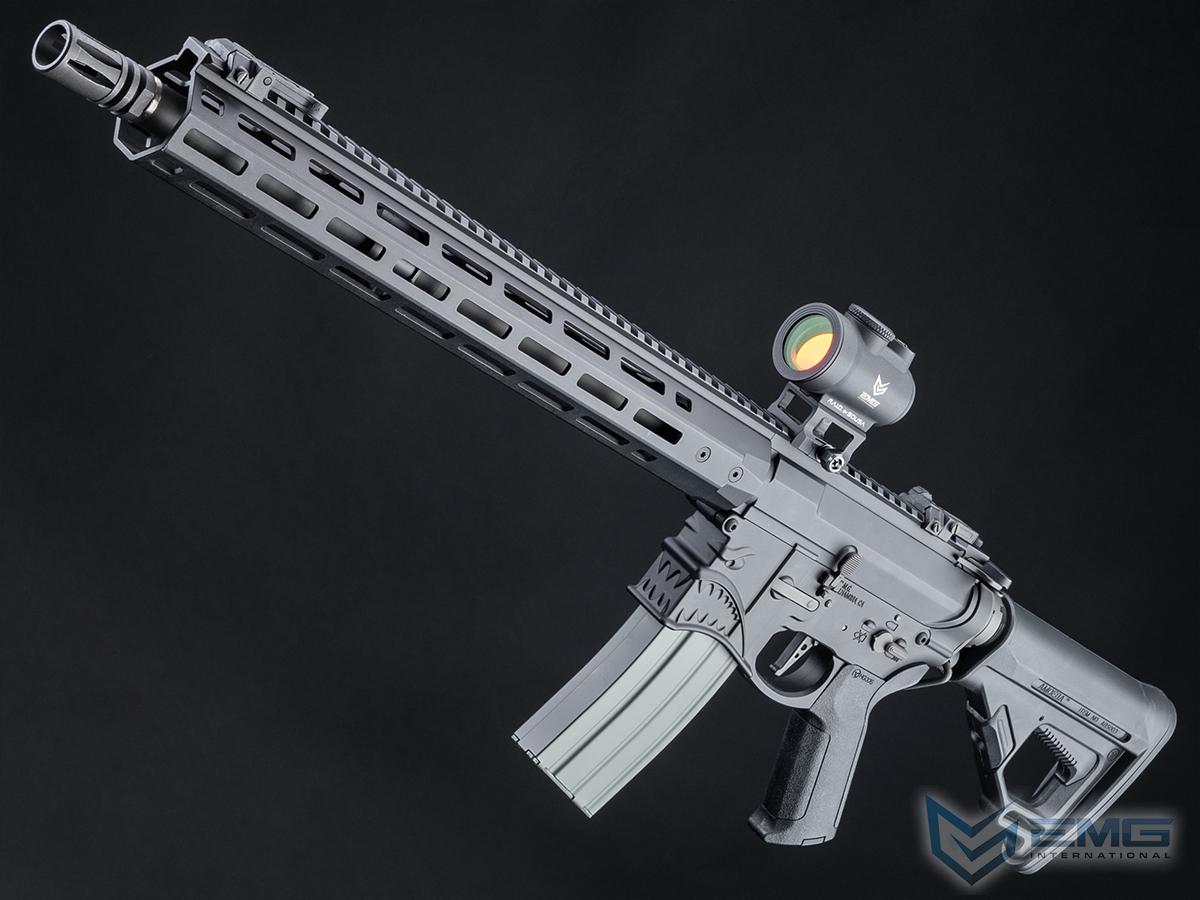
Carbines are popular firearms known for their compact size and ease of use. They offer a balance between power and portability. Many people choose carbines for home defense, sport shooting, and hunting.
Understanding their features helps explain why carbines are widely used and often legal in many states.
Exclusive Deals
Limited-time Exclusive Deals. Check current discount on Amazon.
Check Price on Amazon As an Amazon Associate I earn from qualifying purchases.What Makes A Carbine Unique
Carbines have shorter barrels than rifles. This makes them lighter and easier to handle. Their size allows quick movement and better control.
They often use rifle cartridges but with less recoil. This makes shooting more comfortable for beginners. Many carbines have a simple design with fewer parts.
Common Types Of Carbines
Semi-automatic carbines are very common. They fire one shot per trigger pull. These are popular for sport and personal defense.
Lever-action carbines have a lever below the trigger. This lever loads a new round with each cycle. They are known for reliability and classic design.
Pump-action carbines use a sliding grip to chamber rounds. They offer quick follow-up shots and are easy to operate. Each type fits different needs and preferences.
Exclusive Deals
Limited-time Exclusive Deals. Check current discount on Amazon.
Check Price on Amazon As an Amazon Associate I earn from qualifying purchases.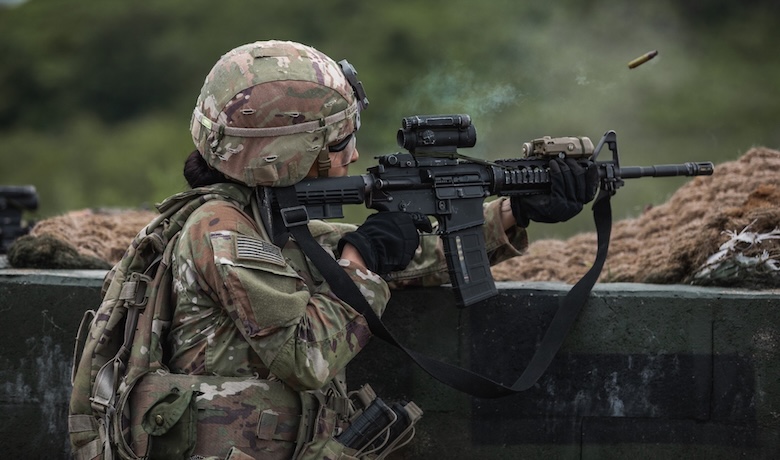
Federal Laws Affecting Carbines
Federal laws play a major role in the legality of carbines across the United States. These laws set the basic rules for owning and using carbines. Understanding these rules helps avoid legal trouble. The laws mainly come from the National Firearms Act and other federal regulations.
Overview Of National Firearm Regulations
National firearm regulations control the sale and possession of guns, including carbines. These laws apply to all states. They require background checks for buyers. Certain firearms need extra paperwork. Carbines with specific features may face more rules. The goal is to keep firearms out of dangerous hands.
Nfa And Short-barreled Rifles
The National Firearms Act (NFA) regulates short-barreled rifles (SBRs). Carbines with barrels shorter than 16 inches are SBRs. Owning an SBR requires registration with the Bureau of Alcohol, Tobacco, Firearms, and Explosives (ATF). Buyers must pay a tax stamp and wait for approval. Unregistered SBRs are illegal under federal law. This law affects many carbines and their legality.
State-level Regulations
State laws about carbines vary widely across the U.S. Each state sets its own rules on ownership, carrying, and use. Knowing these differences helps owners stay legal and safe. This section breaks down the main types of state-level regulations.
States With Permissive Laws
Some states allow carbines with few restrictions. These states treat carbines like other rifles. Owners do not need special permits for most uses. Carrying carbines openly or concealed is often allowed. Examples include Texas, Arizona, and Alaska.
States With Restrictions Or Bans
Several states restrict or ban carbines outright. These laws often target specific features like magazine size. Some states classify carbines as assault weapons and ban them. California, New York, and New Jersey have strict rules. Violating these laws can lead to heavy fines or jail.
Variations In Permit Requirements
Permit rules for carbines vary widely. Some states require a simple background check. Others need a special license or registration. Some require training before a permit is issued. Many states limit permits to residents only. Always check local laws before buying or carrying.
Purchasing And Ownership Rules
Understanding the rules for purchasing and owning carbines is important. These rules vary by state but share some common steps. Knowing these steps helps buyers follow the law and avoid trouble.
Background Checks And Licensing
Most states require a background check before buying a carbine. This check looks for criminal records or mental health issues. Some states also ask for a license or permit. This license shows the buyer can legally own a firearm. The process can take a few days to weeks.
Buyers must provide ID and sometimes fingerprints. Private sales may also need background checks in some states. Always check local rules before purchasing a carbine.
Transportation And Storage Laws
States have rules on how to carry carbines. Many require the gun to be unloaded during transport. It often must be in a locked case. Ammunition may need to be stored separately.
Storage rules protect children and prevent theft. Secure storage like gun safes is often required at home. Following these laws keeps owners safe and legal.
Common Misconceptions About Carbines
Carbines often cause confusion and misunderstanding. Many people do not know what a carbine really is. This leads to common myths and wrong ideas. Clearing up these myths helps people understand the laws better. It also helps avoid unnecessary fear or assumptions about carbines.
Confusion With Other Firearms
Carbines look similar to rifles and pistols. This makes many people mix them up. A carbine is usually shorter than a rifle but longer than a pistol. Some think carbines are illegal because they confuse them with other guns. The truth is, carbines have specific features that set them apart. Knowing these features helps identify carbines correctly.
Myths About Legality
Many believe carbines are banned in most states. This is not true. Laws about carbines vary from state to state. Some states allow carbines with certain rules. Others may have restrictions on barrel length or magazine size. It is important to check local laws. Believing all carbines are illegal causes unnecessary worry. Learning the facts helps gun owners follow the law safely.
Tips For Staying Compliant
Understanding how to stay compliant with carbine laws is crucial. Laws differ by state and can be complex. Following simple tips helps avoid legal trouble. Being informed and cautious keeps you safe and legal.
Consulting Local Authorities
Start by contacting local law enforcement or legal offices. They provide clear information about carbine laws in your area. Ask specific questions about ownership, transport, and use. This step ensures you understand the rules correctly.
Visiting official government websites also helps. Look for updates or official statements on firearm regulations. Local authorities can clarify any confusing points. Trust their guidance over rumors or social media posts.
Keeping Up With Law Changes
Firearm laws change often and without much notice. Regularly check state and federal websites for updates. Sign up for newsletters or alerts from reputable legal sources. Staying current prevents accidental rule violations.
Join local firearm groups or forums to hear about changes quickly. These communities share news and practical advice. Staying informed helps you adjust your actions to new laws fast.

Frequently Asked Questions
Are Carbines Legal In Most Us States?
Carbine legality varies by state, with most allowing them under standard gun laws. Some states have restrictions on barrel length or magazine capacity. Always check local laws before purchasing or carrying a carbine to ensure compliance and avoid legal issues.
What States Have Restrictions On Carbines?
States like California, New York, and New Jersey impose strict regulations on carbines. These include limits on barrel length, magazine size, or require registration. Understanding specific state laws helps owners stay legal and avoid penalties related to carbine ownership.
Do Carbines Require Special Permits?
In most states, carbines do not require special permits beyond a standard firearm license. However, some states may require additional permits for short-barreled carbines or those classified as assault weapons. Always verify local requirements before owning or carrying a carbine.
Can Carbines Be Used For Self-defense Legally?
Yes, carbines are legal for self-defense in many states, provided owners comply with local laws. Restrictions may apply in certain areas, so understanding state regulations is essential to ensure lawful use for protection purposes.
Conclusion
Carbine laws vary widely across different states. Some allow them with few restrictions. Others have strict rules or bans. Always check local laws before buying or using one. Staying informed helps avoid legal trouble. Safety and responsibility matter most when owning firearms.
Understanding the rules protects you and those around you. Keep learning and stay updated on changes. Knowledge is key to safe and legal ownership.