If you’re considering a semi-automatic rifle, it’s important to know both the good and the bad. While these rifles offer speed and convenience, they also come with downsides that might affect your safety, accuracy, and overall experience.
Understanding the disadvantages before you make a decision can save you from costly mistakes and frustration. Keep reading to discover what you need to watch out for and how these drawbacks could impact your use of a semi-automatic rifle.
Limited Control In Rapid Fire
Semi-automatic rifles allow shooters to fire multiple rounds quickly. Yet, controlling the rifle during rapid fire can be difficult. This limited control affects shooting performance and user experience.
Exclusive Deals
Limited-time Exclusive Deals. Check current discount on Amazon.
Check Price on Amazon As an Amazon Associate I earn from qualifying purchases.Rapid firing causes the rifle to move more. This makes it harder to keep shots on target. Even skilled shooters may struggle to maintain steady aim.
Recoil Management Challenges
Each shot from a semi-automatic rifle creates recoil. The rifle pushes back against the shooter’s shoulder. During rapid fire, recoil adds up quickly. This makes it tough to hold the rifle steady. Many shooters feel the rifle jump or twist after each shot. Managing this recoil takes practice and strength. Without control, shots can go off target.
Reduced Accuracy Over Time
As recoil builds, accuracy drops. The rifle’s movements make aiming less precise. Rapid firing can cause the shooter to miss the target. Small errors add up with each shot fired. Over time, the shooter’s group of hits spreads out. This reduces the effectiveness of the rifle in quick engagements. Consistent accuracy requires slowing down and regaining control.
Legal Restrictions And Regulations
Semi-automatic rifles face many legal restrictions and regulations. These rules affect who can own and use these firearms. Laws vary widely and can change often. Understanding these laws is important before considering ownership.
Exclusive Deals
Limited-time Exclusive Deals. Check current discount on Amazon.
Check Price on Amazon As an Amazon Associate I earn from qualifying purchases.Varied Laws By Region
Each region sets different rules for semi-automatic rifles. Some places allow ownership with few limits. Others have strict bans or require special permits. Restrictions may include magazine size, caliber, or specific models. Laws can change quickly due to political shifts. This variation creates confusion for owners and buyers.
Impact On Ownership And Usage
Legal restrictions can limit how and where you use these rifles. Some areas ban their use for hunting or sport shooting. Transporting a semi-automatic rifle may need special care or paperwork. Violating laws can lead to fines or criminal charges. These rules affect daily ownership and long-term use. Understanding local laws prevents legal trouble and keeps owners safe.
Maintenance And Reliability Issues
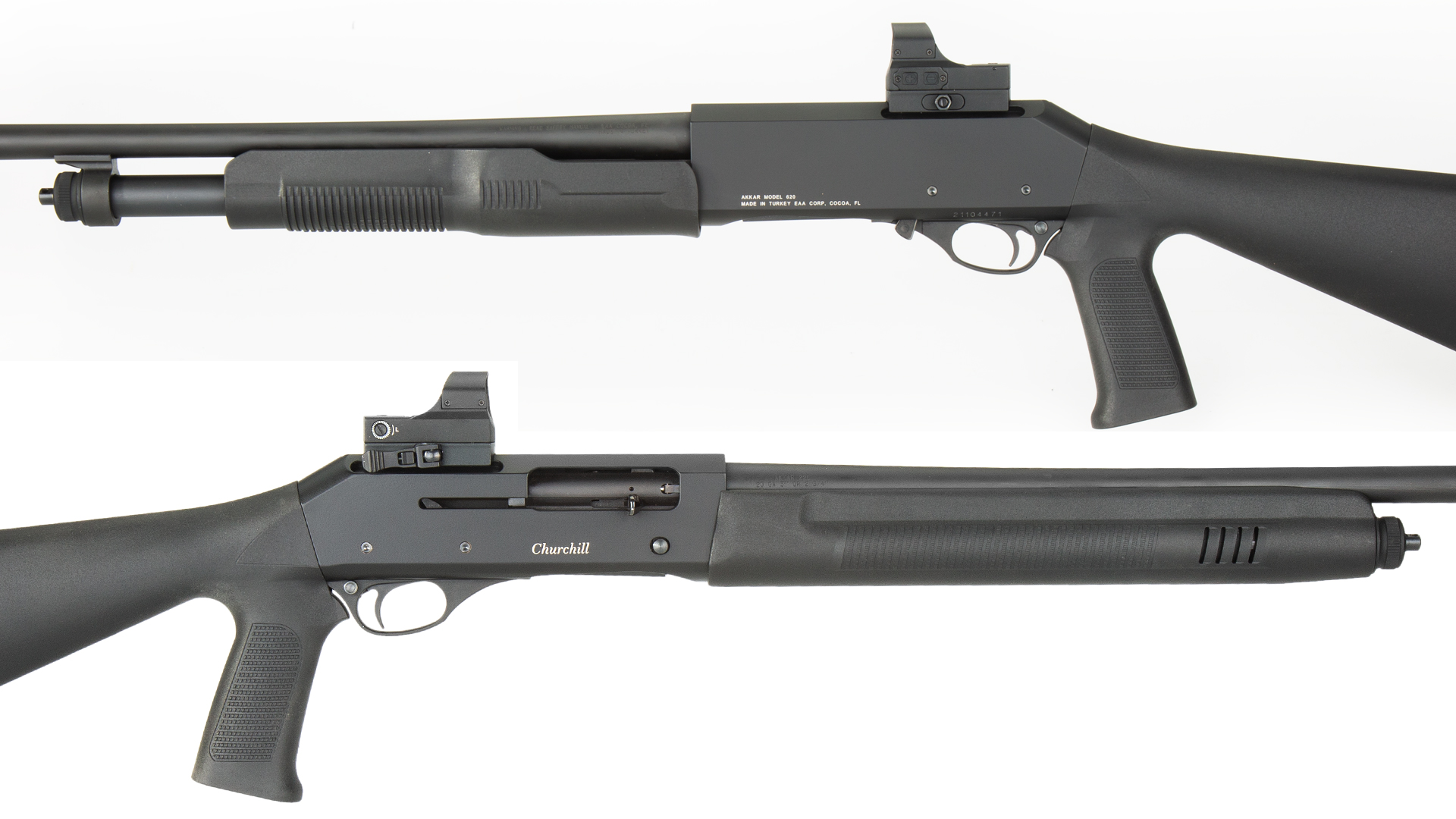
Semi-automatic rifles need regular care to work well. Maintenance and reliability issues can affect their performance and safety. These rifles have parts that require frequent cleaning and checking. Dirt, debris, and wear can cause problems over time.
Exclusive Deals
Limited-time Exclusive Deals. Check current discount on Amazon.
Check Price on Amazon As an Amazon Associate I earn from qualifying purchases.Understanding these maintenance challenges helps users keep their rifles in good shape. It also highlights why some shooters may face reliability problems during use.
More Complex Mechanical Parts
Semi-automatic rifles contain many moving parts. Springs, bolts, and firing pins all work together. This complexity makes cleaning harder than simpler guns. Each part must be handled carefully to avoid damage. Small mistakes during maintenance can cause malfunctions later.
The complexity increases the time needed for proper care. Users must know how to disassemble and reassemble the rifle. Otherwise, parts may wear out faster or break.
Higher Risk Of Malfunctions
Due to more parts, the risk of malfunctions is higher. Dirt or grime in the wrong spot can stop the rifle from firing. Jams and misfeeds happen more often in semi-automatic rifles. These issues can be frustrating and dangerous for shooters.
Regular cleaning reduces the risk but does not eliminate it. Some rifles are more reliable than others, depending on design and quality. Owners must stay alert for signs of wear or damage to avoid failures.
Increased Noise And Muzzle Blast
Semi-automatic rifles produce more noise and muzzle blast than many other firearms. This noise comes from the explosion of gunpowder and the fast exit of the bullet from the barrel. The loud sound can cause problems for shooters and people nearby. It affects safety and performance in different ways.
Hearing Damage Risks
The loud noise from a semi-automatic rifle can harm hearing. Without ear protection, repeated shots may cause permanent damage. Even one shot can be very loud and painful. This risk makes it important to use earplugs or earmuffs. Protecting your ears helps prevent hearing loss and tinnitus.
Difficulty In Stealth Operations
The strong muzzle blast makes it hard to stay quiet. In situations needing stealth, the noise can give away your position. This is a problem for hunters or tactical users. The visible flash from the muzzle also draws attention. Using suppressors or other tools can reduce this, but not eliminate it entirely.
Higher Cost And Accessibility
Semi-automatic rifles come with a higher cost and limited accessibility. This factor often affects buyers the most. The price and availability influence the decision to own one. Understanding these drawbacks is important for potential buyers.
Price Compared To Other Firearms
Semi-automatic rifles usually cost more than many other firearms. Their design and technology add to the price. Basic models of handguns or bolt-action rifles tend to be cheaper. The extra features in semi-automatics raise manufacturing costs. Buyers must prepare for a bigger budget when choosing these rifles.
Availability In The Market
Finding semi-automatic rifles can be harder than expected. Some areas have strict laws limiting their sale. This reduces the number of rifles available for purchase. Sellers may have fewer models and options in stock. The combination of demand and legal limits restricts accessibility.
Safety Concerns And Misuse
Semi-automatic rifles bring certain safety concerns that users must know. These concerns focus on how the rifle can be misused or cause harm unintentionally. Understanding these risks helps in handling the weapon more carefully and responsibly.
Accidental Discharge Risks
Semi-automatic rifles can fire a bullet without pulling the trigger multiple times. This feature increases the chance of accidental shootings. A small mistake or a slip can lead to the gun firing unexpectedly. Safety rules and careful handling are crucial to prevent accidents.
Children or people unfamiliar with guns might find it hard to use these rifles safely. Lack of proper training raises the risk of accidents. Storing the rifle securely reduces the chance of accidental discharge at home.
Potential For Criminal Use
Semi-automatic rifles can be misused for illegal activities. Their fast firing ability makes them attractive to criminals. This misuse creates safety concerns for the public and law enforcement.
Easy access to these rifles can lead to more violent crimes. Strict laws and checks help control who owns these weapons. Awareness about the risks of misuse supports safer communities.
Weight And Portability Issues
The weight and portability of a semi-automatic rifle can affect its use. These rifles often weigh more than other types. This extra weight can make carrying and handling harder. It matters for hunters, sport shooters, and anyone who needs to move quickly.
Heavier Design Compared To Alternatives
Semi-automatic rifles usually have more parts inside. These parts add to the total weight. They also use stronger materials to handle rapid firing. Compared to bolt-action or single-shot rifles, they are heavier. The heavier design can tire users faster during long use.
Impact On User Mobility
Carrying a heavy rifle reduces speed and ease of movement. It can be harder to aim quickly or change positions. Long trips or hikes become more exhausting with a heavy rifle. This limits how long someone can carry it comfortably. Less mobility can affect performance in hunting or tactical situations.

Frequently Asked Questions
What Are The Safety Concerns Of Semi-automatic Rifles?
Semi-automatic rifles can pose safety risks due to accidental discharges. Their rapid firing capability increases chances of unintended harm if mishandled. Proper training and strict safety measures are essential to minimize accidents and ensure responsible use.
How Reliable Are Semi-automatic Rifles Compared To Other Types?
Semi-automatic rifles may be less reliable in adverse conditions. They have more moving parts, which can cause jams or malfunctions. Regular maintenance is crucial to ensure consistent performance and reduce the risk of operational failure.
Do Semi-automatic Rifles Have Higher Maintenance Needs?
Yes, semi-automatic rifles require frequent cleaning and upkeep. Their complex mechanisms accumulate debris faster than simpler firearms. Proper care helps maintain accuracy and prevents mechanical issues over time.
Are Semi-automatic Rifles More Expensive To Own?
Generally, semi-automatic rifles cost more due to advanced features. Ammunition and parts replacement can also add to expenses. Budgeting for ongoing costs is important for responsible ownership.
Conclusion
Semi-automatic rifles offer convenience but come with clear drawbacks. They can be hard to control during rapid fire. Maintenance needs are higher compared to other guns. Costs for parts and repairs can add up quickly. Some models face legal restrictions in certain areas.
Safety concerns also rise due to their firing speed. Understanding these disadvantages helps make smart choices. Choose wisely based on your needs and local laws. Keep safety and responsibility as top priorities always.