Are you curious about battle rifles and whether they make sense for you as a civilian? You might have heard a lot of opinions, but what’s the real deal?
Exclusive Deals
Limited-time Exclusive Deals. Check current discount on Amazon.
Check Price on Amazon As an Amazon Associate I earn from qualifying purchases.Battle rifles have a powerful reputation, but are they practical, legal, and safe for everyday use? You’ll discover the key facts that can help you decide if owning one fits your needs. Keep reading to find out what you should know before making a choice that could impact your safety, budget, and peace of mind.
Battle Rifles Basics
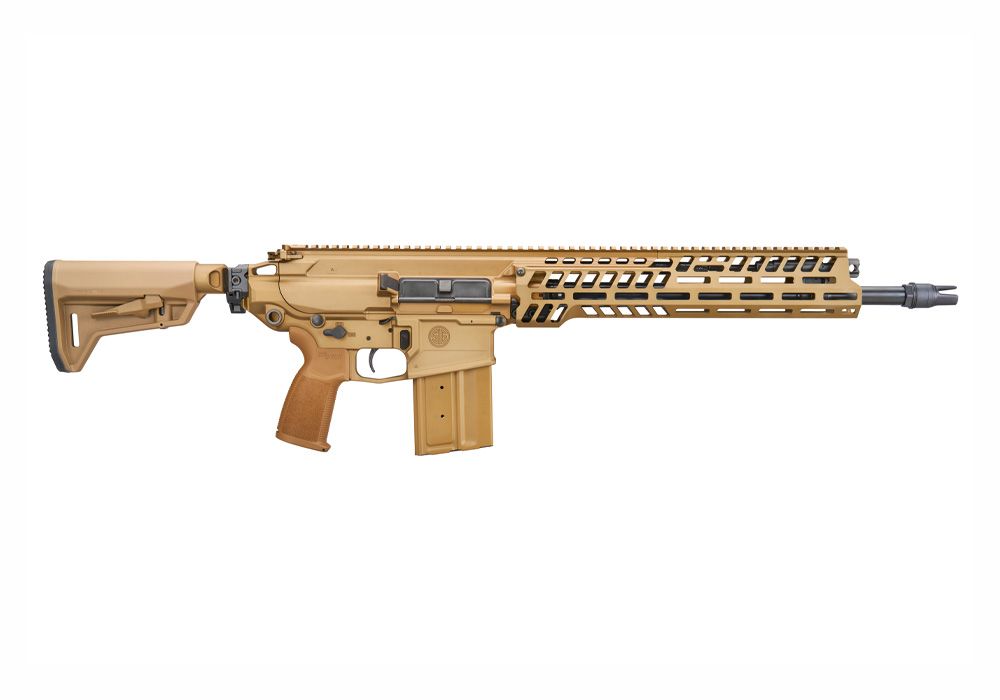
Battle rifles are powerful firearms designed for long-range and accurate shooting. They use full-sized rifle cartridges, which give them more stopping power than smaller guns. These rifles were mainly developed for soldiers to use in combat situations. Understanding the basics of battle rifles helps to see if they fit civilian needs.
Battle rifles differ from other rifles by their size, strength, and cartridge type. They often have a robust build to handle powerful rounds. This makes them heavier but very reliable in tough conditions.
Key Features
Battle rifles fire full-power cartridges, like the 7.62x51mm NATO round. They usually have longer barrels for better accuracy at distance. Most have semi-automatic or select-fire modes. The rifles are built to be durable and withstand harsh environments. Their weight and recoil are higher than lighter rifles. They often come with iron sights and the option to add scopes.
Exclusive Deals
Limited-time Exclusive Deals. Check current discount on Amazon.
Check Price on Amazon As an Amazon Associate I earn from qualifying purchases.Common Models
Several battle rifle models are popular worldwide. The M14 is a well-known American rifle used since the 1950s. The FN FAL is called the “right arm of the free world” for its wide use. The Heckler & Koch G3 is a German design found in many armies. These rifles share common features but differ in design and accessories. They are often available in the civilian market with some changes.
Military Vs Civilian Use
Military battle rifles are built for combat, with full-auto firing options. Civilians usually get semi-automatic versions for legal reasons. Military models have tougher materials and more accessories. Civilians use battle rifles for hunting, sport shooting, and collecting. Some countries restrict civilian ownership due to power and size. Proper training and safety are essential for all users.
Legal Landscape
The legal landscape around battle rifles for civilians is complex. Laws vary widely across the United States. Understanding these rules helps buyers stay within the law. Let’s explore key legal areas related to owning battle rifles.
Federal Regulations
The federal government controls many firearm rules. The National Firearms Act (NFA) regulates specific weapons. Some battle rifles fall under these rules. Owners may need special permits for certain models. Background checks are mandatory for all gun sales. The Bureau of Alcohol, Tobacco, Firearms and Explosives (ATF) enforces these laws.
State Laws Variations
States have different gun laws. Some allow most battle rifles without limits. Others restrict features like magazine size or barrel length. Certain states ban specific rifle models outright. Local rules can add more restrictions. Buyers must check their state laws before purchasing.
Exclusive Deals
Limited-time Exclusive Deals. Check current discount on Amazon.
Check Price on Amazon As an Amazon Associate I earn from qualifying purchases.Import And Ownership Restrictions
Imported battle rifles face extra scrutiny. The government bans some foreign-made rifles. Import rules focus on safety and design features. Ownership may require registration and special paperwork. Some rifles must meet strict criteria to be legal. Understanding import laws is crucial for buyers.
Safety Considerations
Safety is a key topic when discussing battle rifles for civilians. These firearms are powerful and require careful use. Understanding safety helps reduce accidents and misuse. This section looks at important safety points for handling, storage, and risks.
Handling And Training
Proper handling of battle rifles is essential. Training teaches safe use and control. It helps users learn how to load, aim, and fire correctly. Training also covers how to clear jams and maintain the rifle. Without training, accidents are more likely.
Storage Requirements
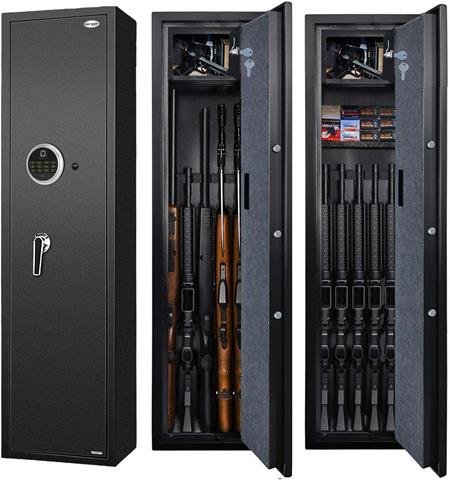
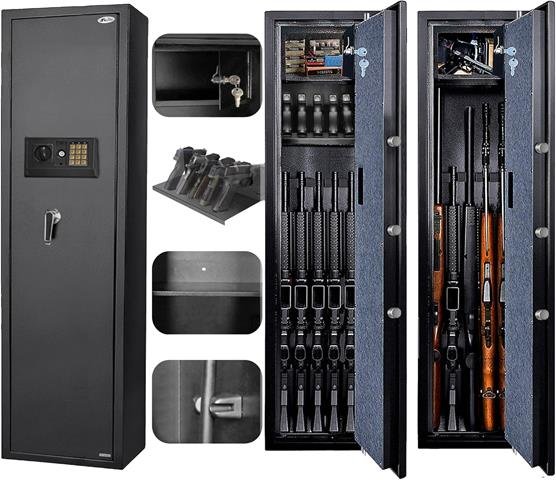
Battle rifles must be stored securely. Use a locked safe or cabinet to keep them away from children and strangers. Store ammunition separately from the rifle. Safe storage prevents theft and misuse. It also protects the rifle from damage and loss.
Potential Risks
Battle rifles have risks due to their size and power. Accidental discharge can cause serious injury. Misuse can lead to legal trouble or harm to others. Loud noise can damage hearing without protection. Users must respect these risks and act responsibly.

Practical Civilian Uses
Battle rifles often spark debate about their role for civilians. Their power and design suit military use, but many ask about practical civilian uses. These rifles can serve several purposes outside combat. Understanding these uses helps clarify their value for everyday people.
Home Defense
Battle rifles offer strong stopping power for home defense. Their range can cover large rooms or open spaces. The rifles are reliable and easy to handle under stress. Their durability ensures they work well in emergencies. Some models allow customization for better control indoors.
Recreational Shooting
Many enjoy battle rifles for target shooting. They provide a challenging and rewarding experience at the range. The rifles’ accuracy helps shooters improve skills. Their sturdy build stands up to regular use. Shooting sports also build discipline and focus.
Hunting Applications
Battle rifles can be suitable for hunting medium to large game. Their power helps take down animals quickly and humanely. Some hunters prefer them for their reliability in tough conditions. These rifles often allow for scope attachments for better aim. Careful selection of ammunition ensures ethical hunting practices.
Comparing Battle Rifles To Other Firearms
Battle rifles have unique features compared to other types of guns. Understanding these differences helps decide if they suit civilian use. Comparing them to assault rifles and hunting rifles shows their strengths and limits. Cost and maintenance also affect the choice for everyday owners.
Versus Assault Rifles
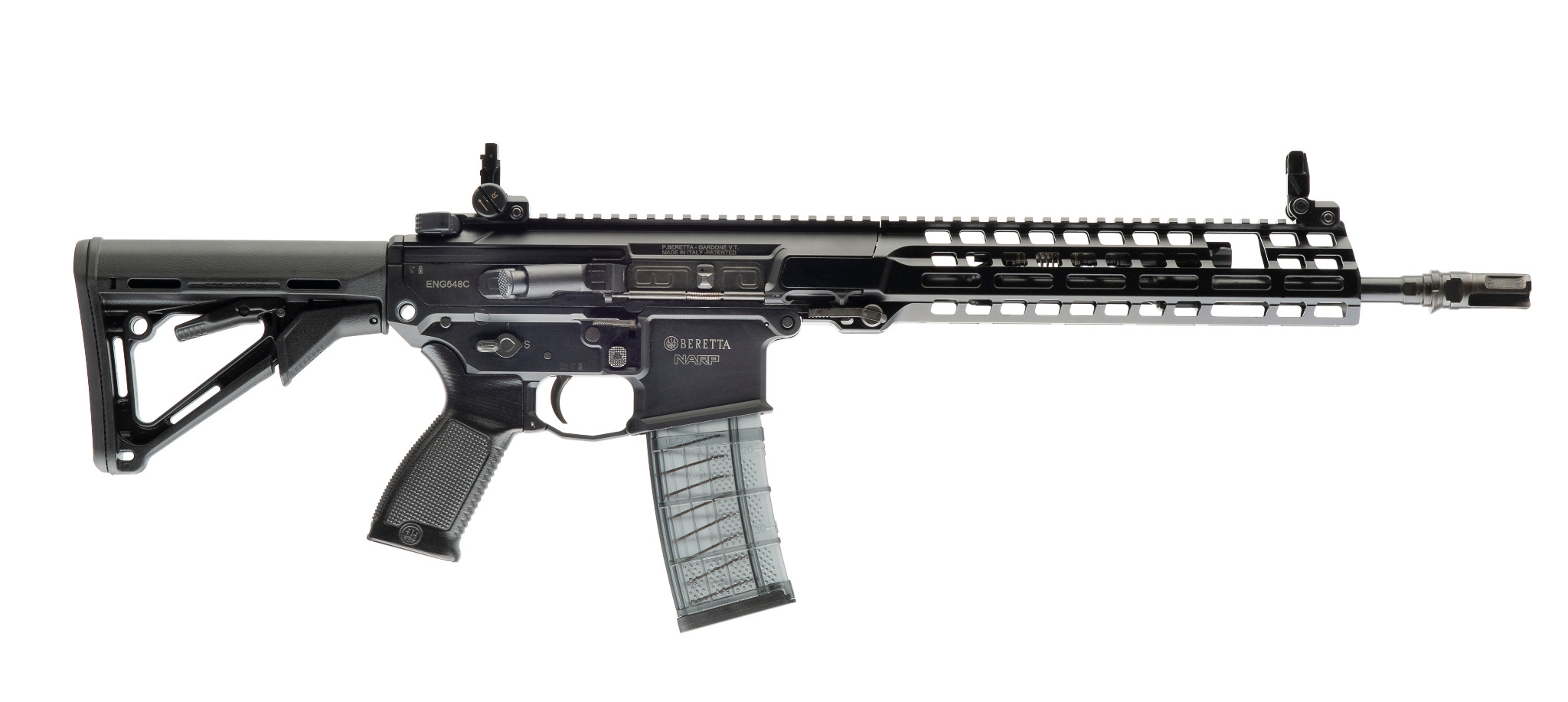
Battle rifles fire larger, more powerful bullets than assault rifles. This makes them heavier and harder to control. Assault rifles are lighter and easier to handle for quick shooting. Battle rifles often have longer ranges but lower ammo capacity. Assault rifles use smaller rounds, so they hold more bullets. Civilians may prefer assault rifles for ease of use and lighter weight.
Versus Hunting Rifles
Hunting rifles focus on accuracy and long-distance shots. They use different calibers suited for game animals. Battle rifles can be less precise but offer more stopping power. Hunting rifles are usually lighter and easier to carry in the field. Battle rifles feel bulkier and are built for military use. Hunters might choose hunting rifles for their specific design and comfort.
Cost And Maintenance
Battle rifles often cost more than other rifles. Their parts are tougher and heavier, increasing price. Maintenance requires more care due to complex mechanisms. Ammunition for battle rifles can be expensive and less available. Assault and hunting rifles usually cost less and need simpler upkeep. Civilians should consider these costs before buying a battle rifle.
Public Perception And Controversy
Battle rifles spark strong opinions among the public. Some see them as tools for self-defense and sport. Others view them as dangerous weapons that should be restricted. This divide creates ongoing controversy. Understanding public views helps explain the debate around civilian ownership of battle rifles.
Media Influence
The media shapes many opinions about battle rifles. News reports often focus on crimes involving these guns. This creates fear and concern among viewers. Movies and TV shows also show battle rifles in violent scenes. These portrayals can make people think battle rifles are mainly for harm. Positive stories about safe and legal use receive less attention. This imbalance affects how people see battle rifles.
Advocacy And Opposition
Groups exist on both sides of the battle rifle debate. Advocates say these rifles serve as important tools for hunting and protection. They stress responsible ownership and training. Opponents argue that battle rifles pose too much risk to society. They call for stricter rules or bans. Both sides organize campaigns to spread their messages. The debate often becomes very emotional and personal.
Impact On Legislation
Public opinion influences laws about battle rifles. Lawmakers respond to concerns from voters and advocacy groups. Some regions have passed strict controls on these firearms. Others maintain more lenient regulations. Changes in legislation often follow high-profile incidents or shifts in public mood. This shows how strong public views can shape the rules around battle rifles for civilians.
Future Trends And Considerations
Future trends and considerations shape the debate about battle rifles for civilians. New technology, laws, and needs will influence their use and ownership. Understanding these factors helps predict how battle rifles fit into civilian life.
Technological Advances
Technology keeps improving battle rifles. New materials make them lighter and stronger. Enhanced optics help shooters aim better. Some rifles may include smart features for safety and accuracy. These changes can make battle rifles easier to use and maintain.
Changing Laws
Laws about battle rifles vary and often change. Some places may tighten rules on ownership and use. Others might allow more freedoms for responsible owners. Legal shifts will impact who can buy and keep these rifles. Staying informed about laws is important for all owners.
Evolving Civilian Needs
Civilian needs change over time. Some people want rifles for sport shooting or collecting. Others seek them for home defense or emergency preparedness. Battle rifles may also serve hunting purposes. Understanding these needs helps decide if battle rifles suit civilians.
Frequently Asked Questions
What Defines A Battle Rifle Compared To Other Firearms?
A battle rifle is a military-style firearm chambered in full-power cartridges. It offers greater range and stopping power than assault rifles. These rifles are often heavier and less maneuverable, designed for mid to long-range engagements.
Can Civilians Legally Own Battle Rifles?
Civilians can own battle rifles in many regions, subject to local laws. Some countries restrict or ban ownership due to caliber or design. Always check state and federal regulations before purchasing or possessing a battle rifle.
Are Battle Rifles Practical For Civilian Use?
Battle rifles are practical for hunting, sport shooting, and self-defense. Their power suits large game hunting and long-distance shooting. However, their weight and recoil may be challenging for some civilian users.
How Does Ammunition Availability Affect Civilian Use Of Battle Rifles?
Ammunition for battle rifles is usually less common and more expensive than for assault rifles. This can limit frequent practice and make ownership costlier. Availability varies by region and caliber popularity.
Conclusion
Battle rifles can suit some civilian needs but are not for everyone. They offer power and range but may be heavy and hard to handle. Legal rules vary, so check local laws before buying. Many prefer lighter rifles for sport or home defense.
Think about your purpose and comfort first. Safety training is a must with any firearm. Choose wisely to enjoy shooting safely and responsibly.