
Are you curious about the power behind battle rifles? Understanding what calibers these rifles use can change the way you see their strength and purpose.
Exclusive Deals
Limited-time Exclusive Deals. Check current discount on Amazon.
Check Price on Amazon As an Amazon Associate I earn from qualifying purchases.Whether you’re a shooter, a collector, or just someone fascinated by firearms, knowing the right caliber helps you make smarter choices. You’ll discover the most common calibers battle rifles use and why they matter. Keep reading to unlock the facts that could boost your knowledge and sharpen your skills.
Common Battle Rifle Calibers
Battle rifles use specific calibers designed for power and accuracy. These calibers meet military needs for range and stopping power. Most battle rifles chamber rounds that balance recoil and effectiveness. Understanding common calibers helps clarify why these rifles perform well in combat.
7.62x51mm Nato
This caliber is popular among many battle rifles worldwide. It offers strong stopping power and good range. Many NATO countries adopted it for standard service rifles. It delivers reliable performance in various combat conditions. The 7.62x51mm NATO round is versatile and widely available.
7.62x54mmr
A classic caliber used mainly by Russian and Eastern European forces. It is known for its power and long-range accuracy. This round dates back to the late 1800s but remains effective today. It works well in both rifles and machine guns. The 7.62x54mmR has a rimmed design for strong extraction.
Exclusive Deals
Limited-time Exclusive Deals. Check current discount on Amazon.
Check Price on Amazon As an Amazon Associate I earn from qualifying purchases.5.56x45mm Nato
Smaller and lighter than other battle rifle calibers. It allows soldiers to carry more ammunition easily. This round has less recoil, improving control during rapid fire. Many modern rifles use 5.56x45mm for its balance of power and weight. It suits close to medium-range combat well.
.30-06 Springfield
A historic American caliber used in World War I and II. It offers excellent power and long-range performance. Though less common today, it shaped many battle rifle designs. The .30-06 remains popular for hunting and military heritage rifles. It is known for strong penetration and stopping power.
Characteristics Of Popular Calibers
Popular battle rifle calibers each have unique traits. These traits affect how the rifle performs in different situations. Understanding these traits helps to choose the right caliber for your needs. Key factors include range, stopping power, recoil, and ammo availability. Let’s explore each of these characteristics.
Range And Accuracy
Range shows how far a bullet can travel effectively. Accuracy means how well a rifle hits the target. Larger calibers often have better range but may be harder to control. Smaller calibers can be very accurate at short to medium distances. The design of the bullet also affects flight and precision.
Stopping Power
Stopping power means the ability to stop a target quickly. Bigger calibers usually have higher stopping power. This is important in combat situations. Some calibers balance stopping power with less recoil. The bullet’s speed and size both play a role in stopping power.
Exclusive Deals
Limited-time Exclusive Deals. Check current discount on Amazon.
Check Price on Amazon As an Amazon Associate I earn from qualifying purchases.Recoil And Control
Recoil is the kickback felt when firing. High recoil makes it harder to keep the rifle steady. Low recoil allows faster follow-up shots. Battle rifles must balance recoil and control for effective use. Some calibers produce more recoil due to their size and power.
Ammunition Availability
Ammo availability affects how easy it is to find and buy rounds. Common calibers are easier to get and usually cost less. Rare calibers may offer special benefits but can be hard to find. Military forces often choose calibers with wide ammo supply.
Top Battle Rifles By Caliber
Battle rifles come in various calibers, each with unique traits. The choice of caliber affects power, range, and recoil. Understanding popular calibers helps in knowing the rifle’s role on the battlefield. Below are some common calibers and the rifles that use them.
Battle Rifles Chambered In 7.62x51mm Nato
The 7.62x51mm NATO is a powerful cartridge used worldwide. It offers strong stopping power and good accuracy at distance. Rifles like the M14 and FN FAL use this caliber. These rifles perform well in open and rugged terrain. They balance power and control for many soldiers.
Battle Rifles Using 7.62x54mmr
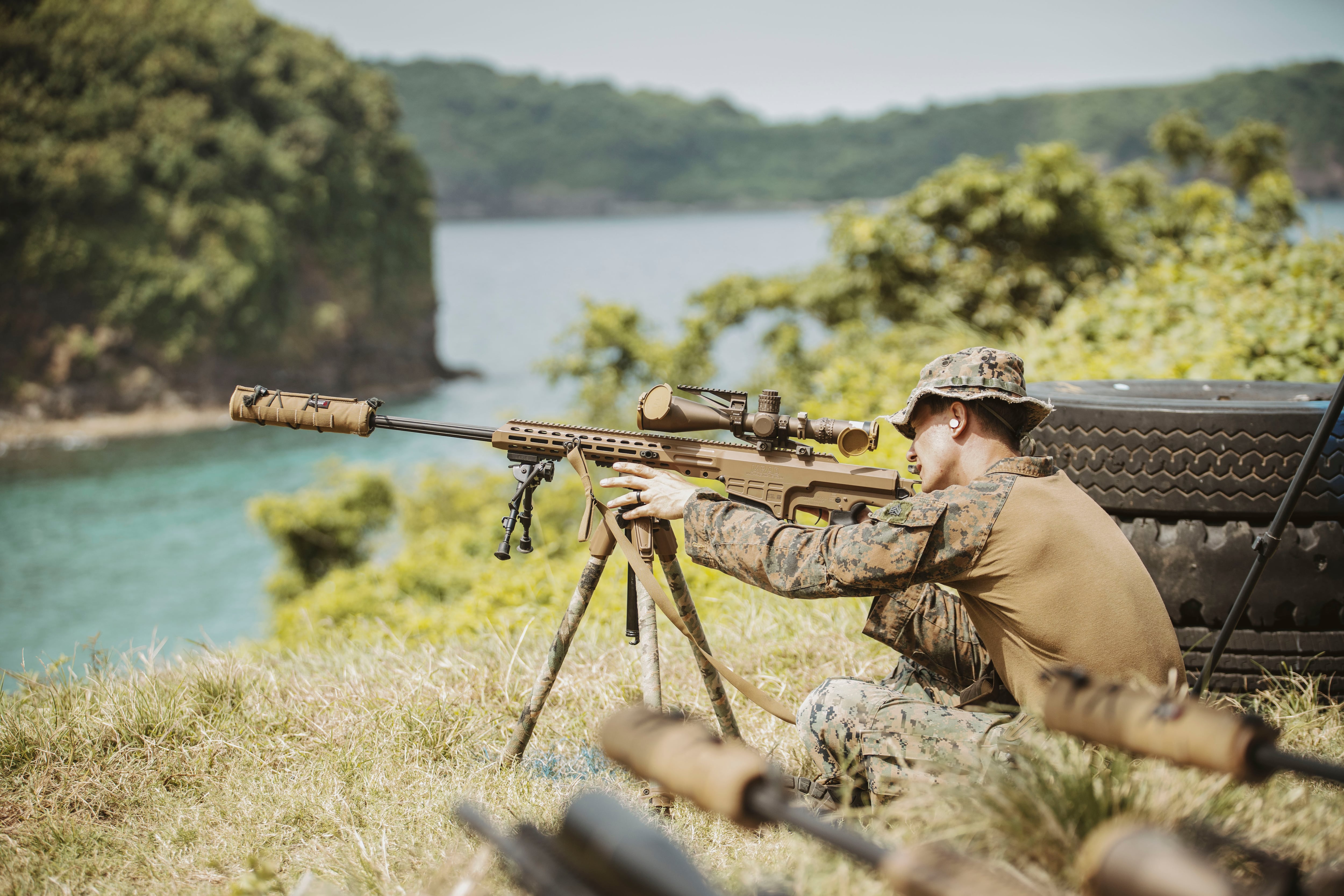
The 7.62x54mmR is a classic Russian round. It has been in service for over a century. The Dragunov sniper rifle and Mosin-Nagant rifle use this caliber. It delivers excellent range and penetration. This caliber suits marksmen and designated snipers.
Battle Rifles In 5.56x45mm Nato
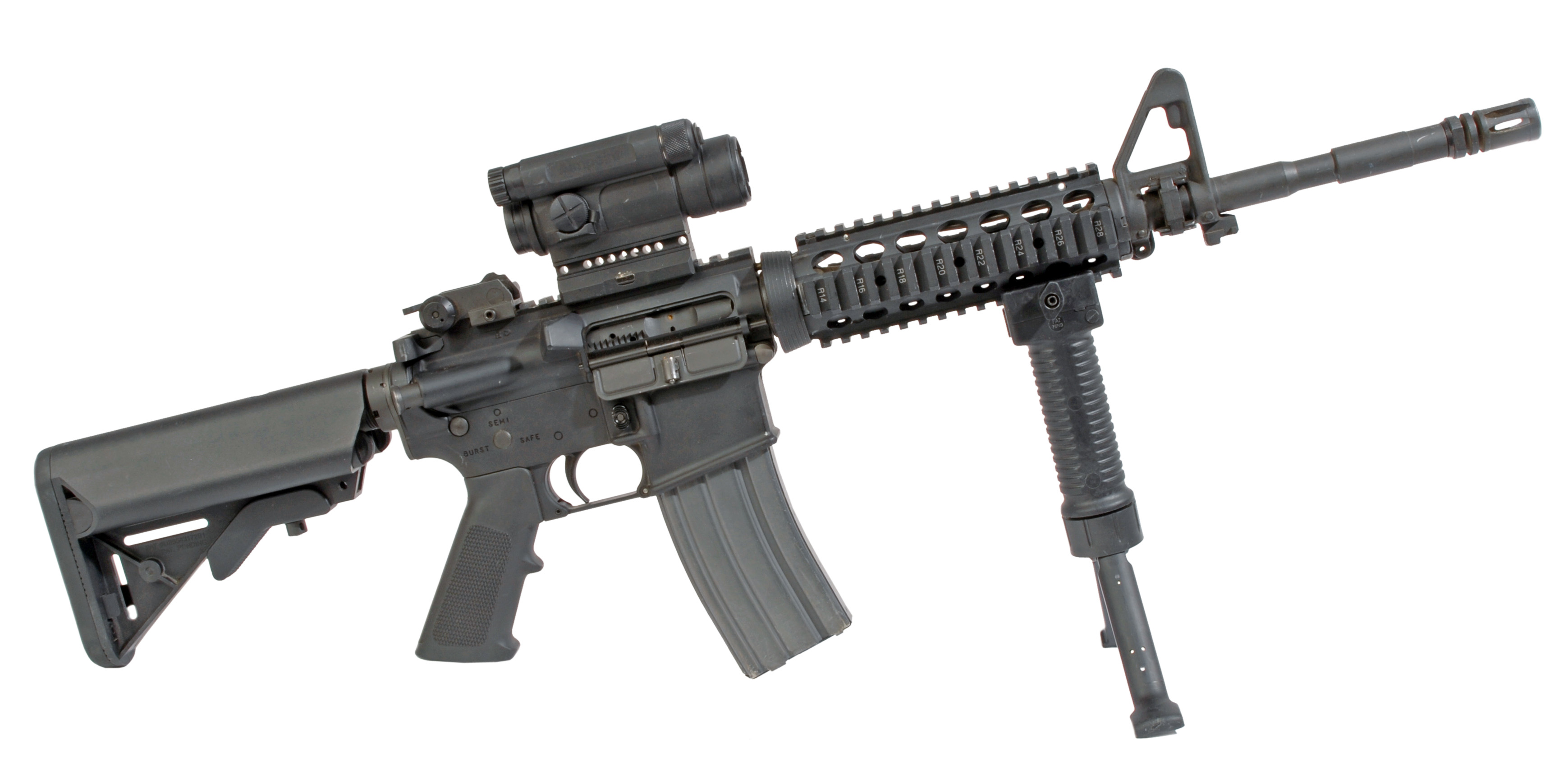
The 5.56x45mm NATO round is lighter and faster. It offers less recoil and higher ammo capacity. The M16 and FN SCAR are popular rifles in this caliber. These rifles excel in close to medium-range combat. They allow soldiers to carry more ammunition.
Classic Rifles In .30-06 Springfield
The .30-06 Springfield was the main U.S. military cartridge for decades. The M1 Garand is the most famous rifle using this round. It delivers strong power and good accuracy. This caliber shaped many battles in the early 20th century. It remains a favorite among collectors and hunters.
Factors Influencing Caliber Choice
Choosing the right caliber for battle rifles depends on many factors. These factors affect how well the rifle performs and how useful it is in different situations. Understanding these helps explain why militaries pick certain calibers over others.
Mission Requirements
The mission type shapes the caliber choice. Long-range missions need calibers with greater accuracy and range. Close combat missions favor calibers that offer quick handling and less recoil. Some missions require more stopping power for tough targets.
Environment And Terrain
Different terrains affect bullet performance. Open fields allow for longer shots, so larger calibers work well. Dense forests or urban areas need calibers that are easier to control. Harsh weather can also impact ammo reliability.
Logistics And Supply
Ammo availability affects caliber decisions. Militaries choose calibers with easy resupply options. Using common calibers reduces supply chain problems. Transporting heavy ammo can slow down troops.
User Preference And Training
Soldier experience influences caliber choice. Troops trained with specific calibers perform better. Comfort and familiarity help in stressful situations. Training time and cost also play a role in selecting calibers.
Future Trends In Battle Rifle Calibers
Battle rifle calibers are evolving with new demands from modern combat. These changes focus on balance, power, and versatility. Future trends show shifts toward calibers that offer better control and effectiveness. Advances in technology and design continue to shape these choices.
Emerging Intermediate Calibers
New calibers between traditional rifle and intermediate rounds gain attention. They aim to improve range and reduce recoil. These calibers fit well in both close and long-range fights. Military forces test options like 6.5mm and 7mm rounds. These offer better accuracy and less weight than older cartridges.
Advancements In Ammunition Technology
Bullet design improves performance and reliability in battle rifles. New materials make rounds lighter and stronger. Enhanced propellants increase bullet speed without more recoil. Smart ammunition with sensors and tracking features is under development. These innovations can boost effectiveness on the battlefield.
Modularity And Caliber Conversion
Many battle rifles now support quick caliber changes. Soldiers can switch barrels and magazines to match mission needs. This flexibility reduces the need for multiple weapons. Modular designs save weight and space during deployment. The trend moves toward rifles adaptable to different calibers easily.
Frequently Asked Questions
What Calibers Are Most Common In Battle Rifles?
Battle rifles typically use calibers like 7. 62x51mm NATO and 7. 62x54mmR. These rounds offer good range and stopping power. They are favored for their balance of accuracy, penetration, and recoil control in combat situations.
Why Do Battle Rifles Use Larger Calibers Than Assault Rifles?
Larger calibers in battle rifles provide greater range and stopping power. They are designed for long-distance engagements. Assault rifles usually use smaller calibers for higher rate of fire and lighter recoil, ideal for close-quarters combat.
How Does Caliber Affect Battle Rifle Performance?
Caliber impacts range, recoil, and penetration. Larger calibers offer better penetration and longer effective range. However, they produce more recoil, affecting shooter control and accuracy during rapid fire.
Are Battle Rifle Calibers Compatible With Assault Rifles?
Generally, no. Battle rifles use larger calibers like 7. 62x51mm NATO. Assault rifles often use smaller rounds such as 5. 56x45mm NATO. Ammunition interchangeability between these rifles is uncommon due to different design purposes.
Conclusion
Battle rifles use various calibers for different needs. The most common calibers include 7. 62x51mm NATO and 7. 62x54mmR. These rounds offer good power and range. Different calibers affect recoil and accuracy. Soldiers choose calibers based on mission type. Understanding calibers helps in knowing rifle performance.
Each caliber has its strengths and limits. Knowing this helps in making smart choices about rifles. The right caliber can improve effectiveness in the field. Calibers shape how battle rifles perform overall.