Many gun owners want to keep their firearms looking new, free from scratches and rust. One popular accessory is the gun sock—a soft sleeve that covers a firearm during storage or transport. But a common concern pops up: can gun socks scratch firearms? It seems strange that a product designed to protect could cause harm, but the truth is more complex. This article explores how gun socks work, what materials they use, what can go wrong, and how to avoid problems. If you want to keep your guns safe and looking their best, understanding the real risks and best practices is essential.

Exclusive Deals
Limited-time Exclusive Deals. Check current discount on Amazon.
Check Price on Amazon As an Amazon Associate I earn from qualifying purchases.What Are Gun Socks?
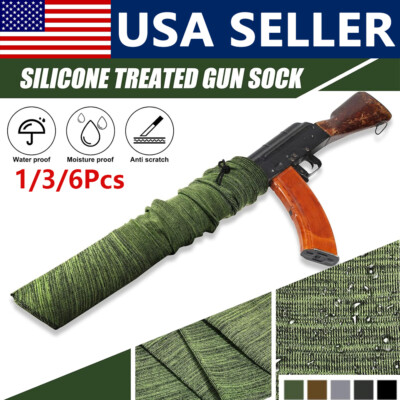
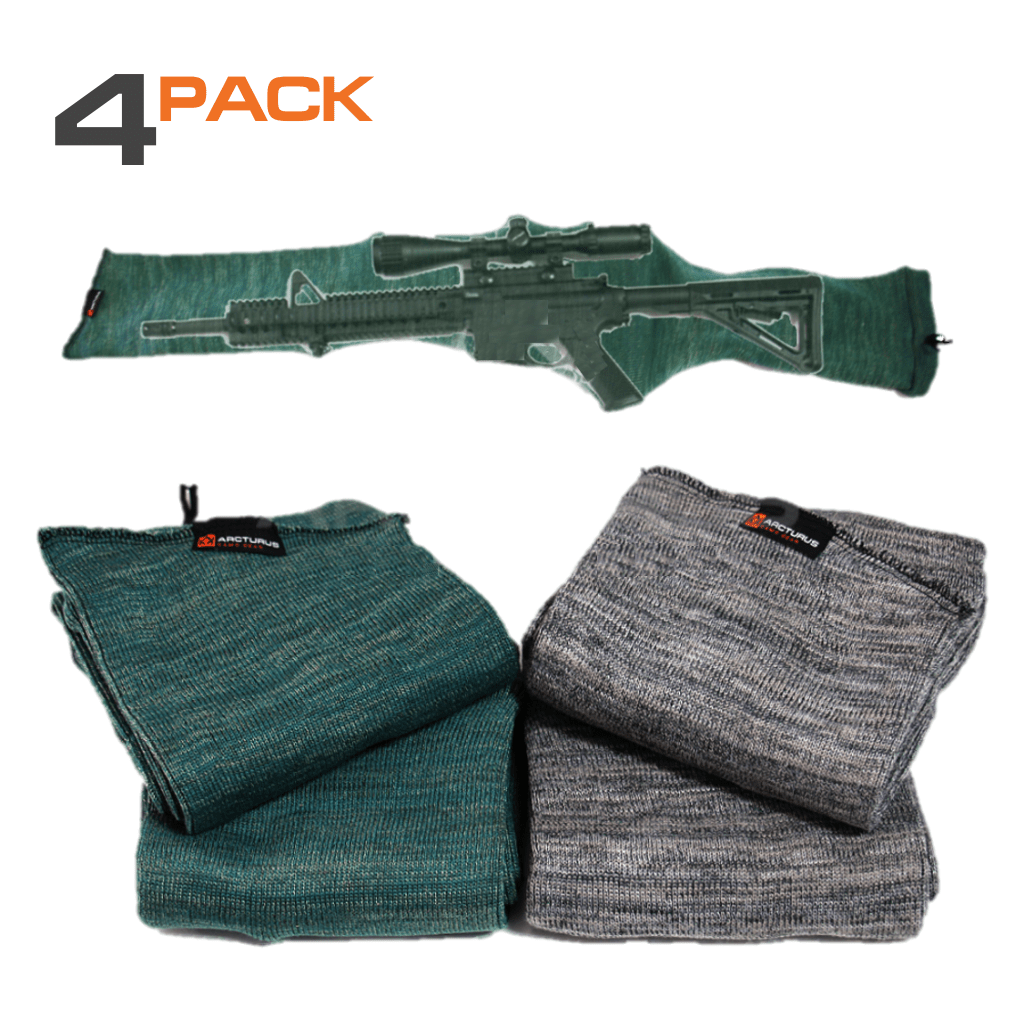
Gun socks are long, flexible sleeves made from cloth or synthetic materials. They are designed to slip over a firearm, covering it completely. Most gun socks use materials like cotton, polyester, or silicone-treated fabrics. The main purpose is to protect the gun from dust, moisture, scratches, and minor impacts.
Gun socks are lightweight, easy to use, and inexpensive. Many gun owners use them for short-term storage, inside safes, or when transporting guns. There are different sizes for shotguns, rifles, and handguns. Some gun socks have drawstrings at the end to keep the gun secure, while others use elastic openings.
Why Use Gun Socks?
Gun socks offer several advantages for firearm owners:
- Protection from Scratches: The soft material acts as a barrier between the gun and hard surfaces.
- Rust Prevention: Silicone-treated gun socks help repel moisture, reducing the chance of rust.
- Dust Barrier: Keeps out dust and dirt that can build up over time.
- Easy Transport: Makes it easier to carry multiple firearms without them rubbing against each other.
- Organizational Aid: Helps keep guns separated and easy to identify in a safe.
However, while these benefits sound great, the quality and condition of the gun sock matter a lot.
Exclusive Deals
Limited-time Exclusive Deals. Check current discount on Amazon.
Check Price on Amazon As an Amazon Associate I earn from qualifying purchases.How Gun Socks Can Cause Scratches
It might seem impossible for a soft fabric to scratch metal or wood, but under certain conditions, gun socks can actually cause damage. Here’s how it happens:
1. Dirt And Grit Embedded In The Fabric
The most common cause of scratches from gun socks is not the material itself, but contaminants caught in the fabric. If you use a gun sock in a dirty environment, small particles like sand, dust, or metal shavings can get inside. When you slide the sock on or off, these tiny grains act like sandpaper.
Even high-quality gun socks can become abrasive if not kept clean. This is especially true for guns stored in garages, workshops, or hunting cabins, where airborne particles are common.
2. Poor Quality Or Rough Materials
Not all gun socks are made equal. Some cheaper versions use rougher synthetic fibers or low-quality manufacturing. Seams may have sharp edges, or the inside may feel scratchy. Over time, repeated friction from a rough gun sock can leave marks on blueing or wood finishes.
3. Residue From Manufacturing
Brand new gun socks sometimes have leftover chemicals, dyes, or fibers from the factory. If these are not cleaned before first use, they may cause light scratching, staining, or react with your gun’s finish.
Exclusive Deals
Limited-time Exclusive Deals. Check current discount on Amazon.
Check Price on Amazon As an Amazon Associate I earn from qualifying purchases.4. Improper Use
Forcing a gun into a gun sock that’s too small or using excessive pressure can create friction, leading to micro-abrasions. Also, repeatedly taking guns in and out of socks increases the risk, especially if the fabric is not clean.
What Materials Are Used In Gun Socks?
Understanding the typical materials helps explain why some gun socks are safer than others. Here’s a side-by-side comparison of the most common types:
| Material | Main Benefits | Potential Issues |
|---|---|---|
| Cotton | Soft, gentle on finishes, breathable | Absorbs moisture (can hold rust-causing water) |
| Polyester (synthetic) | Durable, resists stretching, less moisture absorption | Can be rough if low quality, may hold static |
| Silicone-treated fabric | Repels moisture, very smooth, protects from rust | May lose effectiveness over time, needs proper care |
Silicone-treated gun socks are the most popular because they offer both scratch and rust protection. However, the quality of the sock and proper maintenance are still important to avoid problems.
Signs Your Gun Sock May Cause Scratches
Not all gun socks are safe for every gun. Here are some warning signs:
- The inside feels rough or “grabby” to the touch.
- There are visible particles, dust, or debris inside the sock.
- You see loose threads or seams that could catch on sharp edges.
- After use, you notice new marks or haze on the gun’s finish.
If you notice any of these, it’s time to clean or replace the sock.
Real-world Examples And Owner Experiences
Many gun forums and gun owners have reported both good and bad experiences with gun socks. For example, a collector stored a valuable Winchester rifle in a silicone-treated sock inside a dusty safe. After a year, fine scratches appeared on the barrel.
Upon inspection, the sock was loaded with dust and grit from the environment.
Another owner used a cheap, brightly colored sock for a blued revolver. After several months, blueing wore off at the high points. The culprit was a rough seam on the inside of the sock, which gradually abraded the finish.
On the other hand, many users praise high-quality silicone socks for preserving guns in excellent condition for years. The key difference was regular cleaning and using the right size and type of sock.
How To Prevent Scratches From Gun Socks
You can reduce the risk of scratches with simple habits and careful choices. Here’s how:
1. Choose Quality Over Price
Buy gun socks from trusted brands or well-reviewed sources. Look for soft, seamless interiors and silicone-treated fabrics. Avoid rough, stiff, or poorly finished socks.
2. Keep Gun Socks Clean
Wash gun socks regularly, especially if you store guns in dusty or dirty locations. Shake out loose debris before every use. A clean sock is far less likely to scratch.
3. Use The Right Size
Make sure the gun sock fits your firearm without stretching or bunching. A sock that’s too tight increases friction, while one that’s too loose can trap grit.
4. Inspect Regularly
Check your gun socks and firearms often for signs of wear, debris, or scratches. Early detection allows for quick action before real damage happens.
5. Avoid Long-term Storage In Gun Socks
Gun socks are great for short-term protection, but for long-term storage, consider hard cases or lined gun cabinets. Over time, socks may hold moisture, attract dust, or lose their protective qualities.
6. Clean Firearms Before Storage
Never store a dirty gun in a gun sock. Oil, powder residue, or fingerprints can interact with the fabric and cause corrosion or stains.
When Should You Not Use A Gun Sock?
Gun socks are not always the best choice for firearm protection. Here are situations where you should use other methods:
- In extremely humid climates, where moisture control is critical.
- For valuable collector guns with delicate finishes.
- When storing guns for years without regular checks.
- If your safe or storage area is especially dirty or gritty.
For these cases, consider hard-shell cases with foam lining, vapor-phase corrosion inhibitor (VCI) bags, or custom-fit storage solutions.
Alternatives To Gun Socks
There are several other storage options for protecting firearms:
- Hard Cases: Provide excellent impact and scratch protection. Foam lining can be customized to fit your gun.
- Soft Padded Cases: Use thicker padding, but still require regular cleaning to avoid grit buildup.
- Microfiber Cloth Wraps: Very soft and non-abrasive, but not moisture-proof.
- VCI Storage Bags: Emit a chemical that prevents rust, ideal for long-term storage.
- Gun Safe Liners: Felt or carpet lining inside safes reduces contact with hard surfaces.
Here’s a quick comparison:
| Storage Method | Scratch Protection | Rust Protection | Ideal For |
|---|---|---|---|
| Gun Sock (Silicone) | Good | Moderate | Short-term storage, transport |
| Hard Case (Foam) | Excellent | Fair | Travel, long-term storage |
| VCI Bag | Good | Excellent | Long-term, high-humidity areas |
| Soft Padded Case | Good | Fair | Range trips, short-term |
Scientific View: Can Fabric Scratch Metal?
Many people believe that only hard materials can scratch softer ones. But in practice, scratching is about more than just material hardness. Even soft fabrics can scratch metal if:
- They are dirty (hold abrasive particles).
- The finish on the metal is very thin or delicate.
- The fabric is pressed or rubbed with enough force.
Gun blueing, for example, is a thin layer that can be damaged by repeated rubbing, even with soft material. Stainless steel and polymer finishes are more resistant, but not immune.
A study from the National Firearms Museum found that dust and silica particles in cloth can scratch gun finishes over time—especially when guns are inserted or removed from sleeves repeatedly.
What About Silicone-treated Gun Socks?
Silicone-treated gun socks are widely recommended for their moisture resistance. The silicone helps keep water away from metal, reducing rust. It also adds a slippery feel, reducing friction. But silicone is not a magic shield. If the sock is dirty or rough, it can still scratch.
Also, silicone can wear off with washing or heavy use. It’s important to replace old or worn-out socks to maintain protection.
The Role Of Regular Maintenance
Even with the best gun sock, regular gun cleaning and inspection is the most important way to prevent scratches and rust. Before storing:
- Wipe down the gun with a soft, clean cloth.
- Apply a thin coat of protective oil (if recommended by the manufacturer).
- Make sure the gun sock is clean and dry.
Neglecting these steps can make even the best storage solution fail.

Common Myths About Gun Socks
Some beliefs about gun socks are widespread but not always true. Here are a few:
- Myth: “All gun socks are safe for any gun.”
Not true. Poorly made or dirty socks can cause harm, especially to collectible or high-value guns.
- Myth: “Silicone prevents all rust.”
Silicone helps, but if the sock is wet or the gun is dirty, rust can still form.
- Myth: “Fabric can never scratch metal.”
Fabric alone is soft, but with trapped grit or rough seams, it can scratch.
Recognizing these myths can help owners make better decisions about protecting their firearms.
How To Choose The Best Gun Sock
When shopping for a gun sock, consider these factors:
- Material: Look for silicone-treated, high-quality fabric. Avoid socks with rough or stiff interiors.
- Size: Select the correct length and width for your gun. Too tight or too loose increases risks.
- Brand Reputation: Choose products with good reviews and recommendations.
- Maintenance: Check if the sock can be easily washed and reused.
- Intended Use: Match the sock to your storage needs (short-term, range trips, etc. ).
Practical Tips For Gun Sock Owners
- Store gun socks in a clean, dry place when not in use.
- Never place a wet gun or wet sock in storage—this can cause rust.
- Label your gun socks if you own many firearms. This prevents mixing up socks with different contaminants.
- If you hunt or shoot in dirty environments, wash socks more often.
- For valuable guns, consider double protection: Use a gun sock inside a hard case.
The Bottom Line: Do Gun Socks Scratch Guns?
A clean, high-quality gun sock used properly is unlikely to scratch most firearms. Problems happen when dirt, grit, or rough fabric comes between the gun and the sock. For most gun owners, the benefits of using a good gun sock—especially for transport or short-term storage—far outweigh the risks.
However, if you have valuable collector pieces, or if your storage environment is especially dirty or humid, consider more robust solutions. No storage product is completely risk-free, but careful maintenance and smart choices can keep your guns looking great for years.
For more detailed technical information about corrosion and firearm storage, you can visit the Gun Socks Wikipedia page.
Frequently Asked Questions
Do All Gun Socks Prevent Rust?
Not all gun socks prevent rust. Only silicone-treated gun socks offer moisture resistance. Basic cotton or synthetic socks may absorb moisture and actually increase rust risk if not used carefully.
How Often Should I Clean My Gun Sock?
Clean your gun sock at least once every few months, or more often if you use it in dusty or dirty places. Always shake out debris and wash according to the manufacturer’s instructions.
Can Gun Socks Damage Blued Or Nickel Finishes?
Yes, if the gun sock is dirty, rough, or poorly made, it can scratch blued or nickel finishes. Always use clean, high-quality socks and check for grit before use.
Is It Safe To Store Guns Long-term In Gun Socks?
Gun socks are best for short-term storage or transport. For long-term storage, especially in humid or dirty environments, use hard cases, VCI bags, or lined cabinets for better protection.
What Should I Do If I Notice Scratches After Using A Gun Sock?
Stop using the sock immediately. Clean and inspect your firearm. Try to identify the cause (grit, rough seam, etc. ). Switch to a new, high-quality sock, and consider extra protection for valuable guns. Minor scratches may be removed with gentle polishing, but deeper marks may require professional help.
Protecting your firearms is about choosing the right products and using them wisely. With good habits and the right knowledge, gun socks can be a useful part of your gun care routine—without unwanted scratches.