Many gun owners pay close attention to cleaning and storing their firearms. But one simple tool is often overlooked: the gun sock. If you want your firearm to last, avoid rust, and keep the finish looking good, using a gun sock correctly is essential. Yet, many beginners use it in ways that reduce its effectiveness. This article will show you how to use a gun sock properly, explain why it matters, and share helpful tips that even experienced shooters sometimes miss. By the end, you’ll know how to protect your gun from dust, moisture, scratches, and more—without confusion or mistakes.

Exclusive Deals
Limited-time Exclusive Deals. Check current discount on Amazon.
Check Price on Amazon As an Amazon Associate I earn from qualifying purchases.What Is A Gun Sock And Why Use One?
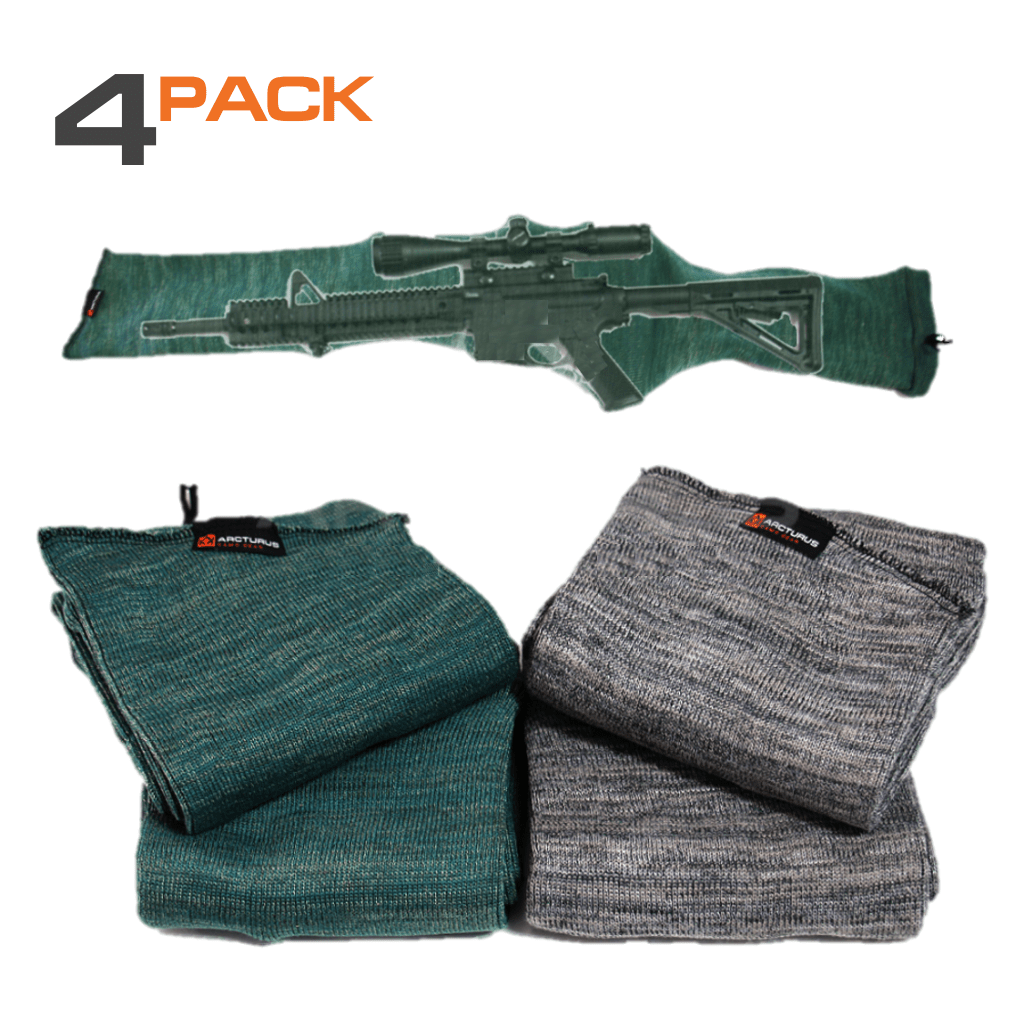
A gun sock is a long, tube-shaped fabric cover that slips over your firearm. Most gun socks are made from stretchy, soft material like polyester or cotton, often treated with silicone or other oils to resist moisture. The main purpose is to shield your gun from rust, dust, and minor scratches. Gun socks are not expensive, but their value is high.
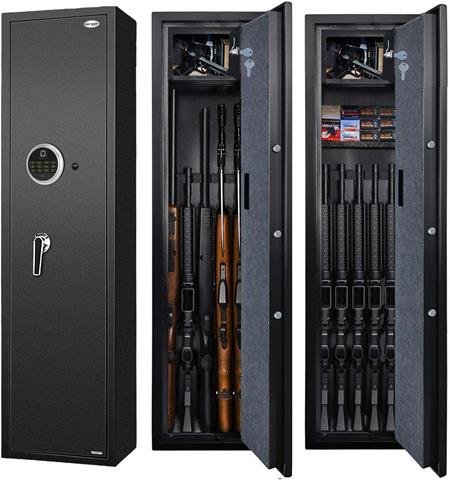
Many gun owners think their safe is enough. But humidity and dust can still get inside, especially if you open the safe often. A gun sock acts as a second layer of defense. It’s also useful if you transport firearms, keeping them protected in bags or cases.
Key Benefits
- Rust prevention: The fabric, especially when treated, keeps moisture away from metal parts.
- Scratch protection: Stops guns from rubbing against each other or hard surfaces.
- Dust reduction: Keeps dust and dirt off your firearm’s finish and moving parts.
- Easy identification: Some gun socks have different colors or labels, making it easy to spot your gun.
Many shooters overlook these simple benefits, but over time, they make a big difference. A gun sock costs less than $10, but can save hundreds in repairs or refinishing.
Choosing The Right Gun Sock
Not every gun sock is the same. Picking the right one depends on your firearm and needs. Here’s what to look for:
Exclusive Deals
Limited-time Exclusive Deals. Check current discount on Amazon.
Check Price on Amazon As an Amazon Associate I earn from qualifying purchases.Material And Treatment
Most gun socks are made from polyester, cotton, or blends. Some are treated with silicone or other chemicals to resist moisture. Treated socks are best for humid climates or long-term storage.
- Silicone-treated: Repels moisture, prevents rust, safe for metal and wood.
- Untreated fabric: Good for basic protection, but not as effective against moisture.
Size And Fit
Gun socks come in different lengths and widths. Measure your firearm before buying.
- Rifle socks: Usually 52–55 inches long.
- Shotgun socks: Similar length, but sometimes wider.
- Handgun socks: Shorter, around 15–16 inches.
If your gun has a scope or large sights, pick a wider sock.
Closure Type
Some gun socks have drawstrings or elastic ends. Drawstrings help keep dust out and make carrying easier. Elastic ends are faster to use but may not seal as tightly.
Color And Labeling
Some gun socks are gray, black, or camo. Others have bright colors for easy identification. If you own several guns, color-coding helps avoid mix-ups.
Exclusive Deals
Limited-time Exclusive Deals. Check current discount on Amazon.
Check Price on Amazon As an Amazon Associate I earn from qualifying purchases.Price And Brand
Most gun socks cost between $7–$15. Higher-priced socks usually have better material or treatment. Well-known brands include Allen, BoreSnake, and Sack-Up.
| Gun Sock Type | Best For | Typical Length | Special Features |
|---|---|---|---|
| Silicone-treated rifle sock | Long-term storage, humid areas | 52–55 in | Moisture resistance |
| Untreated shotgun sock | Basic dust protection | 52–55 in | Simple, low cost |
| Handgun sock | Pistols, revolvers | 15–16 in | Compact, easy to store |
Preparing Your Firearm For The Gun Sock
Before putting your gun in a sock, take a few simple steps. These help the sock work better and keep your firearm safe.
Clean And Dry
Always clean your gun first. Remove oil, fingerprints, or dirt. Moisture or dirt trapped inside the sock can cause problems.
- Wipe all metal parts with a dry cloth.
- Use a gun oil on the surface if storing for a long time.
- Make sure the firearm is completely dry before covering.
Unload The Gun
Never store a loaded firearm in a sock. Double-check that the chamber is empty and remove any magazine.
Inspect For Damage
Look for scratches, dents, or rust. Fix minor issues before covering the gun. A sock will not stop existing rust from spreading.
Remove Accessories
Take off slings, bipods, or other removable parts if possible. They can stretch or tear the sock, and make the fit less secure.
Attach Identification
If you own several guns, add a tag or label with the gun’s model or serial number. This helps you find the right firearm quickly.
How To Use A Gun Sock Properly: Step-by-step Guide
Using a gun sock is easy, but doing it right matters. Here’s a step-by-step process:
1. Lay Out The Gun Sock
Place the sock flat on a clean surface. Make sure the inside is dry and free of lint.
2. Check Your Firearm
Verify that the gun is unloaded, clean, and dry. Remove accessories that might snag.
3. Insert The Firearm
Start with the muzzle (barrel end) first. Slide the gun slowly into the sock, holding the gun steady. If your gun has a scope, guide it gently so the sock does not catch.
- For rifles/shotguns: Insert the barrel first, then slide the stock.
- For handguns: Insert the muzzle, then slide the grip.
4. Adjust The Sock
Once the gun is fully inside, adjust the sock so it fits snugly. Smooth out any wrinkles. The sock should cover the entire firearm.
5. Secure The Closure
If your sock has a drawstring, pull it tight and tie it. If it has an elastic end, check that it grips the stock or grip.
6. Store The Gun
Place the sock-covered gun in your safe, cabinet, or case. Avoid stacking guns directly on top of each other, even with socks.
7. Check Regularly
Every 1–2 months, open the sock and inspect your firearm. Look for signs of moisture or rust. Clean and re-oil if needed.
Practical Example
Suppose you own a Remington 870 shotgun. After cleaning and drying, you remove the sling and insert the muzzle into a silicone-treated sock. You pull the sock over the stock, tighten the drawstring, and store it in your safe. Two months later, you check the gun: it’s clean, dry, and free of rust.

Common Mistakes To Avoid
Even experienced gun owners sometimes use gun socks incorrectly. Here are frequent errors:
- Storing loaded guns: Never put a loaded firearm in a sock.
- Skipping cleaning: Dirt or moisture trapped inside can cause rust.
- Using wet socks: Always make sure the sock is dry before use.
- Using the wrong size: A too-small sock can tear or stretch. Too large is less protective.
- Ignoring regular checks: Socks are not a substitute for maintenance.
- Leaving accessories attached: Slings or bipods can damage the sock.
- Stacking guns: Even in socks, stacking can cause dents or scratches.
- Not labeling: Owners of multiple guns can mix them up without tags.
Avoiding these mistakes helps your gun sock do its job properly.
How Gun Socks Compare To Other Storage Solutions
Gun socks are just one option. Let’s compare them to cases, safes, and other covers.
| Storage Method | Protection Level | Cost | Ideal Use |
|---|---|---|---|
| Gun sock | Rust, dust, minor scratches | $7–$15 | Inside safe or cabinet |
| Hard case | Impact, theft, moisture | $40–$150 | Transport, travel |
| Soft case | Dust, scratches | $20–$50 | Range trips |
| Safe | Theft, fire, moisture | $200–$1000+ | Home storage |
Gun socks are not designed for impact or theft protection. They work best as an extra layer inside safes or cabinets. For travel or rough environments, use a hard case.
Advanced Tips For Gun Sock Use
If you want the best protection, try these advanced tips:
Use Desiccants
Put a silica gel pack inside the sock or safe. Silica gel absorbs moisture and keeps humidity low. This is especially useful in humid regions.
Rotate Firearms
If you store several guns, rotate them every few months. Remove each gun from its sock, inspect, and re-oil. This prevents hidden rust or mold.
Pair With Dehumidifiers
Install a dehumidifier rod in your safe. It keeps the air dry, reducing the chance of rust.
Wash Gun Socks
Over time, gun socks collect dust and oil. Wash them in cold water, air dry, and avoid harsh detergents. Make sure they are fully dry before reuse.
Keep Spare Socks
Buy extra socks for new guns or replacement. Old or torn socks lose effectiveness.
Use Color Coding
Assign different colors for types or calibers of guns. It saves time and prevents mistakes.
Label With Tape
If you don’t want to sew a label, use masking tape and write the gun’s name. Replace tape if it wears out.
Real-life Examples And Data
Gun socks are widely used in the US. According to the National Shooting Sports Foundation, over 15 million American households own at least one firearm. About 35% of gun owners use some form of protective cover, including gun socks.
A 2020 study found that guns stored with silicone-treated socks had 70% less visible rust after one year than guns stored without socks. Most rust appeared near the trigger guard and barrel, where moisture collects.
Another example: In Florida, a humid state, owners who used gun socks plus a safe and dehumidifier saw almost no rust over two years. Owners without socks reported frequent rust, especially on blued steel guns.
Gun Sock Maintenance
Caring for your gun sock is simple but important.
Inspect Regularly
Check for holes, tears, or worn fabric. Damaged socks should be replaced.
Clean Socks
Wash socks every 6–12 months, especially after heavy use or dirty environments.
Store Socks Properly
Keep unused socks in a dry, clean place. Avoid leaving them in damp basements or garages.
Replace When Needed
If the sock loses elasticity, treatment, or gets stained, buy a new one. Old socks can trap moisture.
When Not To Use A Gun Sock
Gun socks are not suitable for every situation:
- Travel: Use a hard case for airline or car transport.
- Extreme moisture: If your area floods or has very high humidity, socks alone may not be enough.
- Display: If you want to show off your gun, a sock hides it. Consider other options.

Gun Sock Myths And Misconceptions
Many people believe gun socks are a “one-size-fits-all” solution. Here are some common myths:
- Gun socks stop all rust: False. They reduce risk but don’t eliminate it. Regular checks are needed.
- Socks fit any gun: Not true. Large scopes or accessories need wider socks.
- You never need to clean your gun if it’s in a sock: Wrong. Maintenance is still necessary.
- Socks are only for old guns: Any firearm benefits from protection, new or old.
Environmental Factors: Humidity And Temperature
Humidity is the biggest enemy of firearms. In states like Florida or Louisiana, summer humidity can reach 80% or higher. Metal attracts moisture, leading to rust.
Temperature changes also cause condensation. If you move your gun from a cold room to a warm one, water can form on the surface. Gun socks help, but pairing them with dehumidifiers or silica gel is best.
Comparing Popular Gun Sock Brands
Let’s look at some leading gun sock brands:
| Brand | Material | Silicone Treatment | Price Range | Unique Features |
|---|---|---|---|---|
| Allen | Polyester | Yes | $9–$14 | Drawstring closure, gray/black colors |
| BoreSnake | Cotton blend | No | $7–$12 | Wide fit for scopes |
| Sack-Up | Polyester | Yes | $8–$13 | Bright colors, easy labeling |
Allen and Sack-Up are good choices for humidity. BoreSnake is better for basic protection or range trips. Price differences are small, so focus on material and treatment.
Non-obvious Insights Beginners Miss
- Gun socks are not just for storage: Use them when transporting guns to the range, hunting camp, or anywhere outside the home. They prevent scratches and dust during travel.
- Silicone treatment wears off over time: Even treated socks lose effectiveness after repeated washing or years of use. Replace every few years for best results.
- Gun socks can be used for other gear: Protect scopes, bipods, or other metal accessories with small socks.
Frequently Asked Questions
How Often Should I Check My Gun In A Gun Sock?
Check your firearm every 1–2 months. Look for rust, moisture, or damage. Clean and re-oil if needed.
Can Gun Socks Protect Against Theft Or Impact?
No. Gun socks only protect from rust, dust, and minor scratches. Use a safe or hard case for theft and impact.
Are Gun Socks Safe For All Finishes?
Most gun socks are safe for blued, stainless, and wood finishes. Avoid socks with rough fabric or loose threads that may scratch.
How Do I Clean A Gun Sock?
Wash in cold water with mild detergent. Air dry completely. Do not use bleach or hot dryers.
Where Can I Buy Quality Gun Socks?
Good gun socks are sold at gun shops, online stores, and outdoor retailers. For more options, visit MidwayUSA.
Gun socks may seem simple, but using them correctly makes a big difference. Choose the right sock, prepare your firearm, and follow the best steps. Avoid common mistakes and add advanced tips for maximum protection. With proper care, your gun will stay clean, dry, and ready for years to come.
Whether you own one firearm or many, the small effort of using a gun sock properly is worth it.