Are Gun Socks Fire Resistant?
Gun socks are a common accessory for gun owners, hunters, and collectors. These simple fabric sleeves help protect firearms from dust, scratches, and moisture. But a question often asked is: are gun socks fire resistant? With safety and storage concerns rising, especially in homes and ranges, understanding how gun socks react to fire is important. Many people assume that all gun storage products offer some level of fire protection, but the truth may surprise you.
Let’s explore what gun socks are made of, how they handle heat and flames, what manufacturers claim, and whether you should rely on them for fire resistance. By the end of this article, you’ll have a clear, practical understanding—without confusing jargon—so you can make smart choices about protecting your firearms.
What Are Gun Socks?
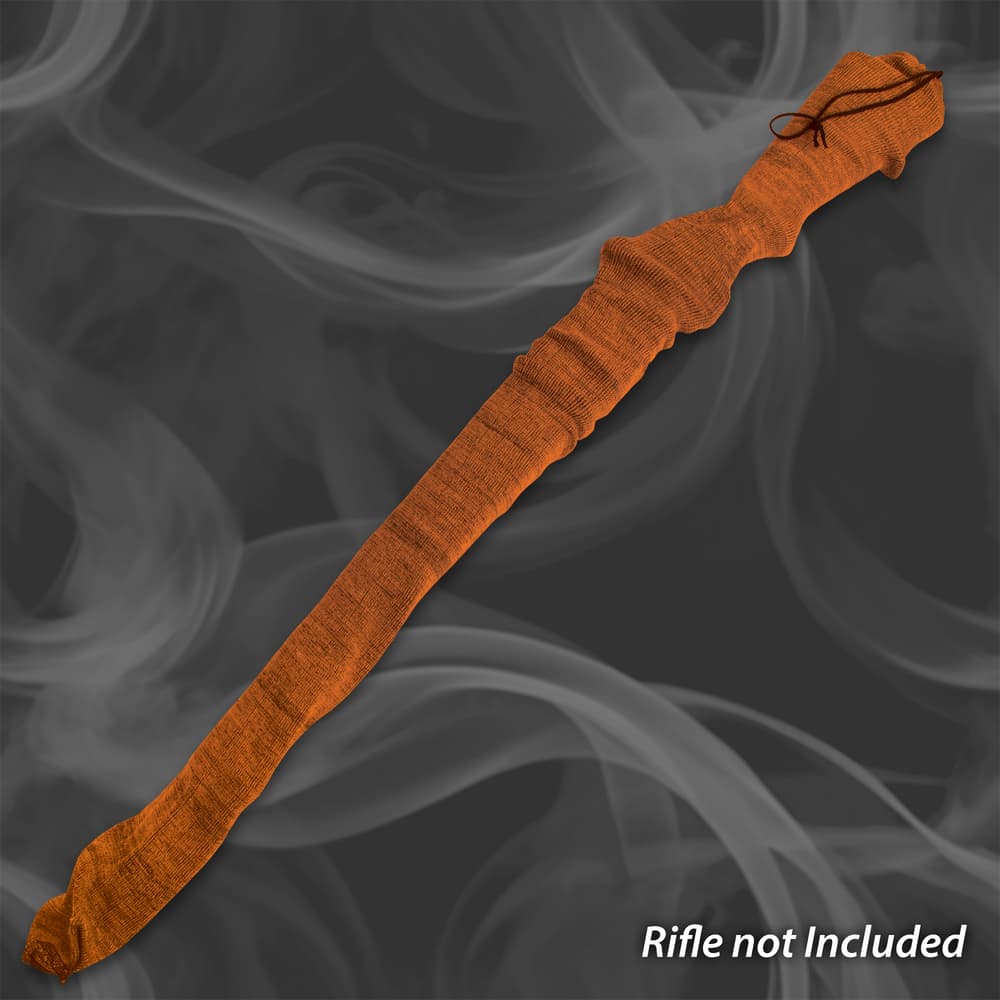
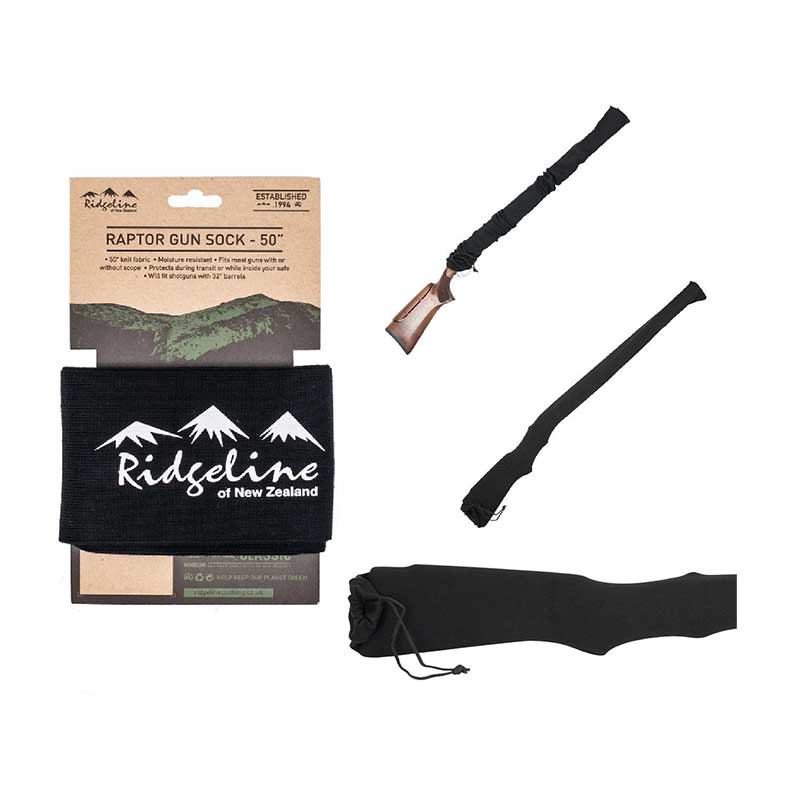
Gun socks are long, stretchy sleeves designed to fit over rifles, shotguns, or handguns. They’re usually made from knitted fabric like polyester, cotton, or a blend. Some socks use silicone or other oil treatments to add moisture resistance. They come in many sizes to fit different types of guns.

Exclusive Deals
Limited-time Exclusive Deals. Check current discount on Amazon.
Check Price on Amazon As an Amazon Associate I earn from qualifying purchases.The main purposes of gun socks are:
- Protecting against scratches and minor bumps
- Preventing dust and dirt buildup
- Reducing rust by keeping moisture away
- Making guns easier to store in safes, cases, or racks
Gun socks are lightweight, portable, and affordable. Most cost between $5 and $20. They’re especially popular for long-term storage or travel, because they add a layer of protection without adding much bulk.
Materials Used In Gun Socks
The fabric used in gun socks is key to understanding their resistance to fire. Let’s look at the most common materials:
| Material | Common Use | Fire Resistance |
|---|---|---|
| Polyester | Most gun socks | Low; melts and burns easily |
| Cotton | Some older models | Low; burns quickly |
| Silicone-treated polyester | Rust prevention | Low; silicone adds moisture protection, not fire resistance |
| Wool | Rare in gun socks | Moderate; slower to burn but not fireproof |
| Fire-retardant blends | Specialty socks (very rare) | Moderate to high; depends on blend |
Most gun socks use polyester or a polyester blend. Polyester is cheap, strong, and resists moisture, but it’s not fire resistant. It melts at about 428°F (220°C) and burns with a strong flame. Cotton burns even faster, igniting at about 410°F (210°C).
Exclusive Deals
Limited-time Exclusive Deals. Check current discount on Amazon.
Check Price on Amazon As an Amazon Associate I earn from qualifying purchases.Some socks use silicone treatments to reduce rust. This helps repel water, but doesn’t make the fabric fireproof. True fire-resistant fabrics—like Nomex or Kevlar—are extremely rare in gun socks because they’re expensive and not needed for normal gun storage.
Fire Resistance: What Does It Mean?
Fire resistance means a material can withstand heat or flames for a period without burning or melting. There are several levels:
- Flame retardant: Treated to slow down burning but will still catch fire eventually.
- Fire resistant: Designed to withstand fire for a certain time.
- Fireproof: Will not burn at all (almost no fabric is truly fireproof).
For gun storage, fire resistance is important if you want to protect your firearms during a fire. Many people confuse fire resistance with heat resistance. Heat resistance means the item can handle high temperatures, but fire resistance means it won’t catch fire easily.
Exclusive Deals
Limited-time Exclusive Deals. Check current discount on Amazon.
Check Price on Amazon As an Amazon Associate I earn from qualifying purchases.Most gun socks are NOT fire resistant. They’re made for protection from dust and moisture, not flames or intense heat.
How Gun Socks React To Fire And Heat
Let’s look at what happens if gun socks are exposed to fire or high heat:
- Polyester socks will melt and burn quickly. In a house fire, they can start melting in less than a minute, releasing toxic fumes.
- Cotton socks ignite even faster, burning completely in a few minutes.
- Silicone-treated socks behave the same as untreated socks; the treatment does not prevent burning.
- Wool socks resist fire better, but will still burn over time.
- Fire-retardant blends may delay burning by several minutes, but are rare and expensive.
In practical terms, if your gun is stored in a gun sock during a fire, the sock will NOT protect it from heat or flames. It may even contribute to damage by melting onto the firearm or releasing harmful chemicals.
Here’s a simple comparison of fabric reactions:
| Fabric | Melting/Burning Point | Behavior in Fire |
|---|---|---|
| Polyester | ~428°F (220°C) | Melts, burns rapidly |
| Cotton | ~410°F (210°C) | Ignites, burns quickly |
| Wool | ~570°F (300°C) | Resists ignition, burns slowly |
| Nomex (fireproof fabric) | Does not melt | Does not burn easily |
Manufacturer Claims: Are Gun Socks Marketed As Fire Resistant?
Most gun sock makers do NOT claim their products are fire resistant. If you check packaging or websites, you’ll see they focus on moisture and dust protection. Common claims include:
- “Protects against rust and dust”
- “Fits most rifles and shotguns”
- “Silicone-treated for extra protection”
Some specialty socks may use words like “flame retardant,” but this usually means the fabric slows burning, not prevents it. Always check the label or product description. If it does not mention fire resistance, you should assume the sock is NOT fire resistant.
For example, Bore Stores, a popular gun sock brand, clearly says their socks protect against moisture and dust—but make no mention of fire protection. Allen Company, another leading maker, lists “silicone treatment,” but nothing about fire resistance.
If you see “fire-resistant” on a gun sock, check for certification (like UL or ASTM). Most socks do not have this.
Comparing Gun Socks To Fire-resistant Storage Options
Gun socks are not meant to protect against fire. If you want real fire protection, consider these alternatives:
| Storage Option | Fire Resistance | Typical Price | Best For |
|---|---|---|---|
| Gun Socks | None | $5–$20 | Dust, moisture, scratch protection |
| Fireproof Gun Safes | High (30–90 mins at 1200°F+) | $300–$3000+ | Fire, theft, moisture |
| Fire-Resistant Cabinets | Moderate | $200–$800 | Fire, basic security |
| Hard Cases (not fireproof) | None | $50–$300 | Travel, impact protection |
| Fireproof Bags (for documents) | High | $20–$100 | Paper, valuables |
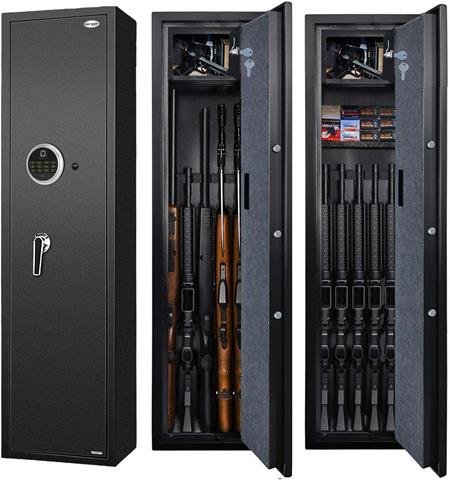
A fireproof gun safe is your best defense against fire. Most are rated for 30–90 minutes at temperatures up to 1200°F. They use layers of steel and insulation to protect contents. Gun socks can be used inside safes, but only for dust and moisture—not fire.
Fire-resistant cabinets offer some protection, but not as much as a true safe. Hard cases and regular gun socks do NOT protect against fire.
Real-world Testing And Data
There are few formal tests of gun socks in fire situations. But fire safety labs have tested polyester and cotton fabrics:
- Polyester melts and burns in less than 60 seconds when exposed to open flame.
- Cotton ignites in under 30 seconds and burns to ash in about 2 minutes.
- Wool takes longer to burn, but is not used in most gun socks.
In home fires, temperatures often reach 1100°F (593°C) or higher. At these levels, gun socks will offer zero protection—they will either melt or burn away. Even flame-retardant socks are not designed to protect guns in a full fire.
One non-obvious insight: melted gun sock material can stick to gun metal, making cleaning harder after a fire. It can also release toxic fumes, which is dangerous for both people and pets.
Common Misconceptions About Gun Socks And Fire
Many gun owners believe their gun socks offer some fire protection, but this is not true. Here are some common myths:
- “Silicone-treated socks are fireproof.” Silicone helps with rust, not fire.
- “Thicker socks protect better.” Thickness slows burning but doesn’t stop it.
- “Any fabric offers basic fire resistance.” Most fabrics burn or melt quickly.
- “If my guns are in a sock, they’ll survive a fire.” Only a fireproof safe can do this.
It’s important to understand the limits of gun socks. They are NOT a substitute for fire-resistant storage.

Should You Use Gun Socks For Fire Protection?
If you want to protect your guns from fire, gun socks are not the answer. Use them for what they do well:
- Preventing rust, dust, and scratches
- Making guns easier to store or transport
For fire protection:
- Invest in a fireproof gun safe
- Keep important documents in fireproof bags or boxes
- Avoid storing guns in places with high fire risk (like garages with flammable materials)
A non-obvious tip: If you use gun socks inside a fireproof safe, make sure the socks do not touch heating elements or lights, which could cause melting in rare cases.
Alternatives For Fire Protection
If fire safety is your concern, consider these options:
- Fireproof gun safes: These are built with steel and fire-resistant insulation. Some models are certified for up to 90 minutes at 1200°F.
- Fire-resistant storage cabinets: Less expensive than safes, but offer basic protection.
- Fireproof bags: Good for papers, not guns, but can be used for small parts or ammo.
- Insurance: Make sure your firearms are insured for fire loss.
Use gun socks for their intended purpose, but rely on other products for fire protection.
Practical Advice For Gun Owners
If you’re storing guns at home, follow these tips:
- Use gun socks for dust and moisture, not fire.
- Store guns inside a fireproof safe for real fire protection.
- Avoid storing guns in areas with high fire risk.
- If you want extra moisture protection, choose silicone-treated socks.
- Never rely on gun socks alone for valuable guns.
Many gun owners miss this: gun socks can actually melt onto gun surfaces in a fire, making post-fire cleaning much harder. If fire safety is your priority, combine gun socks with fire-resistant storage.
Industry Standards And Certifications
There are no official fire resistance standards for gun socks. Look for certifications like UL or ASTM if you want real fire protection. Most gun safes display these ratings, but gun socks do not.
If a product claims “fire resistant,” check for:
- UL 72 or ASTM E119 ratings
- Clear description of fire test results
Gun socks rarely have these certifications. If you see “fire retardant,” it usually means the sock slows burning, not stops it.
Environmental And Health Concerns
Burning gun socks—especially polyester—can release toxic fumes like carbon monoxide and volatile organic compounds (VOCs). These are dangerous to inhale. If a gun sock melts onto your firearm, cleaning can be difficult and hazardous.
Another insight: after a fire, melted gun sock residue can damage gun finishes, making restoration costly.
Frequently Asked Questions
Are All Gun Socks Made Of The Same Material?
No. Most gun socks are made from polyester or polyester blends, but some use cotton, wool, or specialty fabrics. The choice affects durability and moisture resistance, but almost all standard gun socks are not fire resistant.
Will A Silicone-treated Gun Sock Protect My Gun From Fire?
Silicone treatment helps prevent rust and repels moisture, but does NOT make the fabric fire resistant. In a fire, a silicone-treated sock will burn or melt just like a regular sock.
Can Melted Gun Sock Material Damage My Gun?
Yes. When polyester or cotton socks melt in a fire, the residue can stick to metal and wood surfaces. This makes cleaning difficult and can harm finishes. It’s best to avoid relying on gun socks for fire protection.
Is There Any Gun Sock That Is Truly Fireproof?
Almost none. Fireproof fabrics like Nomex or Kevlar are rarely used in gun socks due to cost. Some specialty socks may be flame-retardant, but they only slow burning. For true fire protection, use a certified fireproof safe.
What’s The Best Way To Protect Guns From Fire?
The best method is to store firearms in a fireproof gun safe with a certified fire rating. Gun socks can help with dust and moisture inside the safe, but do not add fire resistance. Also, insure your firearms for fire loss.
Final Thoughts
Gun socks are a useful tool for protecting your firearms from scratches, dust, and rust. They are affordable and easy to use, but they are NOT fire resistant. Most are made from polyester or cotton, which burn or melt quickly in fire. If fire protection is your priority, invest in a fireproof safe or fire-resistant cabinet. Gun socks can be used inside these safes, but only for their intended purpose.
Remember, no gun sock will protect your firearm in a fire. Always check product claims and certifications, and don’t rely on myths or assumptions. For more details on fire safety and gun storage, visit the National Fire Protection Association.
Stay safe, protect your investment, and use the right tools for the job. Gun socks are valuable for routine storage, but fire resistance is a job for proven, certified products.