The world is changing rapidly, and so is the way we secure our homes. In the last decade, video doorbells have become a common sight at front doors across the US, UK, and many other countries. These smart devices let you see and talk to visitors from your phone, even when you’re not home. They help prevent package theft, increase peace of mind, and give families an affordable security boost. But with these benefits comes a big question: Are video doorbells legal to use?
Laws about privacy and surveillance are often confusing. Some people worry about recording neighbors or delivery workers without permission. Others are unsure if their homeowners’ association or landlord will allow a camera at the door. This article clears up the confusion.
We’ll look at where video doorbells are legal, what rules you need to follow, and how to stay on the right side of the law. By the end, you’ll have a clear understanding of what’s allowed—and what’s not—when it comes to installing and using a video doorbell.
Exclusive Deals
Limited-time Exclusive Deals. Check current discount on Amazon.
Check Price on Amazon As an Amazon Associate I earn from qualifying purchases.What Is A Video Doorbell?
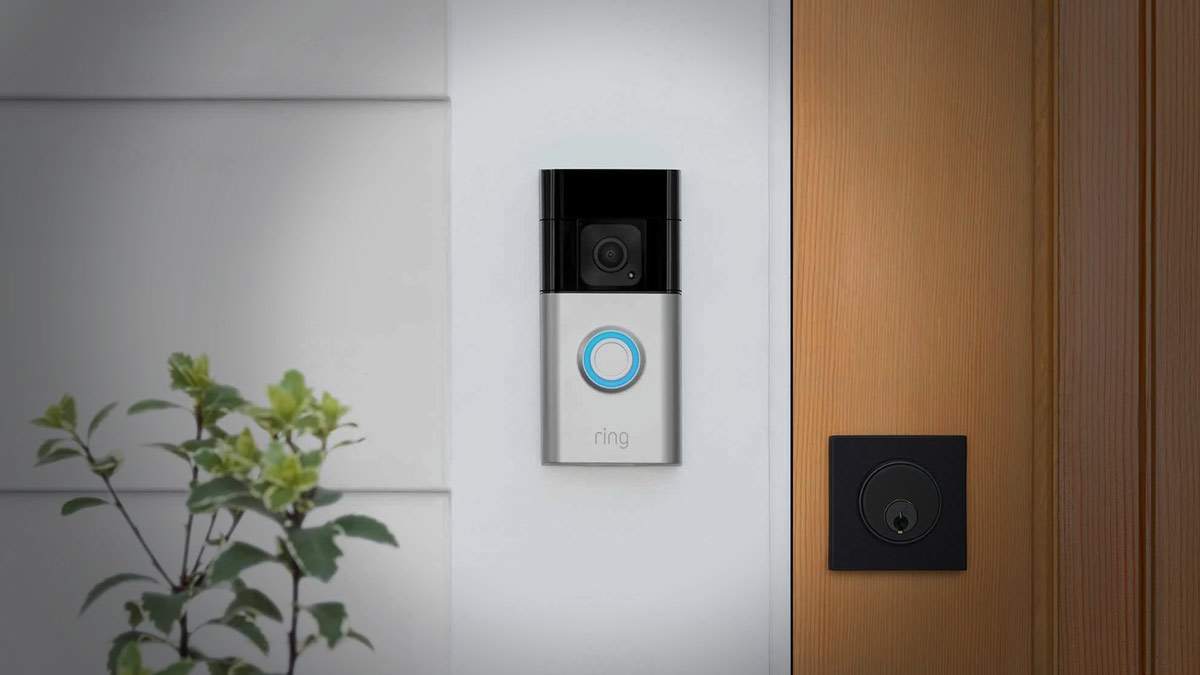
A video doorbell is a smart security device that combines a doorbell with a camera and microphone. When someone presses the doorbell or comes near your door, the camera records video and sends an alert to your smartphone. You can see, hear, and talk to the visitor in real-time, even if you’re far from home.
Popular brands include Ring, Nest Hello, and Arlo. These devices often store video clips in the cloud, so you can review footage later. Many also have motion sensors and night vision for extra security.
Key Features Of Video Doorbells
- Live video streaming to your phone or tablet
- Two-way audio so you can speak with visitors remotely
- Motion detection alerts for people near your door
- Cloud storage for recorded clips
- Easy installation on most doorframes
Video doorbells are popular because they’re easy to use and don’t require complex wiring. But their ability to record video and audio raises legal questions about privacy and consent.
The Legal Status Of Video Doorbells: A Country-by-country Overview
The legality of video doorbells depends on where you live. Different countries, and sometimes even different states or cities, have their own laws about cameras, privacy, and recording.
Exclusive Deals
Limited-time Exclusive Deals. Check current discount on Amazon.
Check Price on Amazon As an Amazon Associate I earn from qualifying purchases.Below is a comparison of laws in several major regions:
| Country/Region | Are Video Doorbells Legal? | Key Legal Requirements |
|---|---|---|
| United States | Yes, generally | Consent required for audio recording in some states; no video in private areas |
| United Kingdom | Yes, with limits | Must follow Data Protection Act if recording public areas |
| Canada | Yes, generally | Personal use allowed, but must not record neighbors without reason |
| Australia | Yes, generally | Audio recording laws vary by state; video is allowed in most cases |
| European Union | Yes, with limits | Must comply with GDPR if recording public spaces or others |
United States
Video doorbells are legal in all 50 states, but audio recording is the main legal issue. In some states, you must have two-party consent to record audio—meaning everyone in the video must agree to being recorded.
Common examples:
Exclusive Deals
Limited-time Exclusive Deals. Check current discount on Amazon.
Check Price on Amazon As an Amazon Associate I earn from qualifying purchases.- California, Florida, Illinois, Maryland: Two-party consent states. Recording audio without permission can lead to legal trouble.
- New York, Texas, Ohio: One-party consent states. Only one person (often you, the owner) needs to know about the recording.
Video recording on your own property is usually allowed, but you cannot point the camera at areas where people expect privacy, like inside a neighbor’s window or shared hallway in an apartment.
United Kingdom
The UK allows video doorbells, but there are rules under the Data Protection Act and GDPR. If your doorbell captures images or audio from public spaces or neighbors’ property, you must:
- Put up a clear sign saying recording is in progress
- Only keep footage for a reasonable period
- Give people access to footage of themselves if they ask
The Information Commissioner’s Office (ICO) has fined people for ignoring these rules.
Canada
Canadians can use video doorbells for personal security, but laws differ by province. You should not intentionally record neighbors or public spaces unless there is a safety reason. Some condos and apartments have their own rules, so always check with your building management.
Australia
Australia generally allows video doorbells, but audio recording laws are strict in some states. For example, in New South Wales, you cannot record private conversations without consent. Video footage of public spaces is usually allowed if the camera is on your own property.
European Union
The General Data Protection Regulation (GDPR) affects video doorbell use in Europe. If your camera records any part of a public area, you must follow GDPR rules, including:
- Informing people about recording
- Storing data securely
- Allowing people to request their data be deleted
Homeowners who only record their own private property are usually exempt.
Privacy Laws And Consent: What You Need To Know
One of the most important legal issues is privacy. While you can record your own property, you must respect the privacy rights of others. This is especially true if your camera captures neighbors, sidewalks, or shared spaces.
Audio Vs. Video Recording
Audio recording is treated more strictly by the law than video. Many people don’t realize that recording conversations—even outside their door—can be illegal if done without consent.
For example, in the US, you could face fines or lawsuits if your doorbell records a conversation between two people who didn’t know they were being recorded, especially in a two-party consent state.
Video recording is more widely accepted, but you cannot film in places where people expect privacy, like inside their homes or private gardens.
Shared Living Spaces
If you live in an apartment or condominium, installing a video doorbell may be more complicated. The hallway or entrance may be considered a common area, and your landlord or homeowners’ association may have rules about cameras. Always check your lease or building guidelines before installing a device.
Informing Others
To stay within the law, it’s a good idea to:
- Post a sign or sticker near your doorbell that says “Video recording in progress”
- Let visitors know they are being recorded, especially if your device records audio
- Respect requests to delete footage if someone objects
Video Doorbells And Homeowners Associations (hoas)
Many people live in neighborhoods with homeowners associations (HOAs). These groups often have their own rules about what you can install on the outside of your home.
Common Hoa Rules
- Approval required before installing any device on exterior walls or doors
- Restrictions on the appearance or size of the device
- Limits on where cameras can point (e.g., not facing another home’s window)
- Rules about wiring or drilling holes
Some HOAs ban video doorbells completely, while others allow them with approval. Always check your HOA’s rules and get written permission if needed.
Disputes With Hoas
If your HOA says you cannot install a video doorbell, you may be able to appeal the decision. Many states have laws that protect homeowners’ rights to security devices. However, it’s best to work with your HOA and find a solution that respects both security and privacy.
Video Doorbells In Rental Properties
Renters face unique challenges. Installing a video doorbell often means drilling holes or changing the door hardware, which may not be allowed in your lease.
Key Considerations For Renters
- Get permission from your landlord before installing a doorbell camera.
- Consider wireless, battery-powered models that do not require permanent changes.
- Remove the device and restore the door when you move out.
Some landlords like the added security, while others worry about property damage or privacy complaints from other tenants.
Recording Neighbors, Delivery People, And Strangers
A common worry is: “Is it legal if my video doorbell records my neighbors, mail carriers, or people walking by on the street?”
Recording Neighbors
If your camera only records your own property, it is usually legal. But if it also records your neighbor’s door, yard, or windows, you could face complaints. Courts often look at intent and expectation of privacy. You should avoid pointing your camera directly at a neighbor’s home or private space.
Delivery People And Strangers
Recording people who come to your door (like delivery drivers or salespeople) is generally allowed, since they are on your property. However, you should not use the footage for public shaming or post it online without consent.
Public Spaces
If your camera sees part of a public street or sidewalk, it’s usually allowed, but some countries (like in the EU) require you to follow extra rules. Always check your local laws.
Examples Of Legal Cases And Complaints
Real-life cases help show how the law is applied.
- UK: In 2021, a man was ordered to pay thousands in damages after his Ring doorbell recorded his neighbor’s driveway and conversations without consent. The court said he violated privacy laws.
- US: Lawsuits are rare, but some neighbors have sued for invasion of privacy when doorbell cameras were aimed at their homes.
- Germany: Courts have fined homeowners for not informing visitors about video recording under GDPR.
Most disputes are settled by adjusting the camera angle, deleting footage, or adding a warning sign. But in serious cases, ignoring the law can lead to fines or having to remove the device.
How To Use A Video Doorbell Legally
You can enjoy the benefits of a video doorbell and avoid legal problems by following a few simple steps.
1. Position Your Camera Carefully
Aim your camera at your own door and entryway. Avoid recording other people’s property or windows. Most video doorbells have adjustable motion zones to help with this.
2. Inform Visitors And Neighbors
A small sign or sticker near your door is often enough. It shows you respect privacy and helps with legal compliance.
3. Use Device Settings
- Disable audio recording if you live in a state or country with strict consent laws.
- Adjust motion sensitivity to avoid unnecessary recording of public spaces.
- Set storage limits and delete old footage regularly.
4. Store Data Securely
Keep your video clips safe. Use strong passwords and enable two-factor authentication on your account. Don’t share footage unless required by law.
5. Follow Local Rules
Check your state, city, or building’s rules. If you’re not sure, ask your landlord, HOA, or a legal expert.
6. Respect Requests
If someone asks to see footage of themselves, or wants a video deleted, try to cooperate. This is required under GDPR in the EU and is a good practice everywhere.

Common Mistakes To Avoid
Many first-time users make mistakes that can lead to trouble. Here are some to watch out for:
- Recording private conversations by accident (especially audio)
- Aiming the camera at neighbors’ windows or yards
- Not informing visitors or neighbors about recording
- Ignoring HOA or landlord rules
- Posting video clips online without permission
By avoiding these mistakes, you greatly reduce your risk of complaints or legal action.
Do Video Doorbells Make You Safer?
A key reason people buy video doorbells is to improve home security. But do they really work?
What The Data Shows
- A 2022 survey by SafeWise found that 34% of Americans have a video doorbell.
- Studies suggest homes with visible cameras are less likely to be targeted by thieves.
- Police in some cities use doorbell footage to solve crimes, but only with owner consent.
However, video doorbells cannot stop crime—they only record what happens. They work best as part of a wider security plan.
Practical Tips For Security
- Combine your video doorbell with good locks and outdoor lighting.
- Use motion alerts to check on activity when you’re not home.
- Do not rely only on the camera—call police if you see suspicious activity.
Comparing Video Doorbells To Other Security Devices
How do video doorbells stack up against other security options? Here’s a quick look:
| Device Type | Main Benefit | Privacy Risk | Cost (approx.) |
|---|---|---|---|
| Video Doorbell | See and talk to visitors | Medium (if misused) | $60–$300 |
| Traditional Doorbell | Alerts you when someone is at the door | None | $15–$50 |
| Outdoor Security Camera | Wider surveillance area | Higher if facing public or neighbors’ property | $70–$400 |
| Smart Lock | Remote locking/unlocking | Low | $100–$250 |
Video doorbells are a cost-effective way to boost security, but they come with more privacy considerations than traditional doorbells or smart locks.
What To Do If You Have A Privacy Complaint
If a neighbor, delivery worker, or visitor complains about your video doorbell, stay calm and polite. Here’s what to do:
- Listen to their concerns and ask what bothers them.
- Explain why you use the device and how you try to respect privacy.
- Adjust your camera angle or settings if possible.
- Offer to delete or share footage if required by law.
- Check local laws or ask for legal advice if the complaint continues.
Most problems are solved through good communication. Sometimes, a simple camera adjustment is all it takes.
The Future Of Video Doorbell Laws
Laws about video doorbells are still evolving. As these devices become more common, expect more rules about privacy, data storage, and consent.
- Some US cities are considering new rules for rental properties and shared spaces.
- The EU may update GDPR to address new types of smart cameras.
- Tech companies are adding more privacy controls to their devices.
Staying informed and respectful will help you use your video doorbell safely and legally.
Frequently Asked Questions
Are Video Doorbells Legal To Use Everywhere?
In most countries, yes, video doorbells are legal to use on your own property. However, there are privacy laws you must follow, especially regarding audio recording and where your camera is pointed. Always check your local laws for specific rules.
Can My Video Doorbell Record Audio Legally?
It depends on where you live. Some US states and other countries require all parties to consent to audio recording. If you’re unsure, it’s safer to turn off the audio feature or post a clear sign that recording is happening.
What Should I Do If My Neighbor Complains About My Doorbell Camera?
Listen to their concerns and try to find a solution, such as adjusting the camera angle. If they have a legal reason, such as privacy laws, you may need to change your setup. Good communication often solves most issues.
Do I Need To Inform Visitors About My Video Doorbell?
In many places, yes. Posting a small sign or sticker near your door helps meet legal requirements and shows respect for privacy. It’s especially important if your device records audio or captures public spaces.
Can Landlords Or Hoas Ban Video Doorbells?
Yes, landlords and homeowners associations can set rules about installing devices on their property or buildings. Always get written permission before installing a camera if you don’t own the property.
The world of video doorbells is exciting but complex. By understanding the laws, respecting privacy, and communicating openly, you can use these devices to protect your home and your peace of mind. For more detailed legal guidance, you can visit Nolo’s legal encyclopedia.