When you rent a home or apartment, you want to feel safe and secure. Video doorbells are becoming popular because they help you see who is at your door, even when you’re not home. But many renters worry: Can they install a video doorbell? What do landlords allow? Is it legal? Will it cause problems with security deposits? This article explains everything renters need to know about installing video doorbells. You’ll get practical advice, real examples, and clear guidance to help you make smart decisions.
Why Renters Want Video Doorbells
Safety is a top concern for renters. Unlike homeowners, renters often have less control over their living space. Video doorbells offer several benefits:
- See visitors before opening the door
- Record suspicious activity for later review
- Get alerts on your phone when someone is at your door
- Deter package theft, which is a growing problem
A study from the National Crime Prevention Council found that homes with visible security devices are 60% less likely to be targeted by thieves. For renters, a video doorbell is a simple way to boost security without expensive systems.
Exclusive Deals
Limited-time Exclusive Deals. Check current discount on Amazon.
Check Price on Amazon As an Amazon Associate I earn from qualifying purchases.Types Of Video Doorbells Suitable For Renters
Not all video doorbells are the same. Some need to be drilled into the wall, while others are easy to install. Renters usually prefer devices that are quick to set up and remove.
| Type | Installation | Best For | Popular Brands |
|---|---|---|---|
| Battery-powered | No wiring; adhesive or bracket | Apartments, rental homes | Ring, Eufy, Arlo |
| Wired | Requires drilling, connects to existing doorbell wiring | Long-term rentals, houses | Nest, Ring Pro |
| Peephole | Replaces peephole; no drilling needed | Apartment doors with peepholes | Ring Peephole Cam |
| Adhesive mount | Sticks to door frame; no tools | Short-term rentals, no permission | Remo+, Blink |
Battery-powered and adhesive-mounted doorbells are popular with renters because they don’t require permanent changes. Peephole cameras are also good for apartments, as they use the existing peephole and don’t damage the door.
Landlord Permission And Lease Agreements
Before installing anything, check your lease agreement. Many leases say you can’t make permanent changes, drill holes, or install devices without permission. Some landlords are flexible, while others are strict.
What Lease Agreements Often Say
Most leases include rules like:
Exclusive Deals
Limited-time Exclusive Deals. Check current discount on Amazon.
Check Price on Amazon As an Amazon Associate I earn from qualifying purchases.- No drilling or permanent fixtures without approval
- No changes to exterior doors or walls
- Must return property to original condition when moving out
If you break these rules, you could lose your security deposit or face extra charges.
How To Ask Your Landlord
If you want to install a video doorbell, follow these steps:
- Read your lease carefully to understand what’s allowed.
- Choose a device that doesn’t require drilling or permanent changes.
- Write a request to your landlord, explaining:
- Why you want the doorbell (safety, package theft)
- How you’ll install it (no damage, easy removal)
- Promise to restore the property when you leave
Landlords often say yes to battery-powered or adhesive-mounted devices. Wired doorbells are harder because they need holes and wiring changes.
Exclusive Deals
Limited-time Exclusive Deals. Check current discount on Amazon.
Check Price on Amazon As an Amazon Associate I earn from qualifying purchases.Real Example
Maria, a renter in Chicago, wanted a Ring doorbell. Her lease banned drilling. She found a battery-powered model that used adhesive. She emailed her landlord with details and got quick approval. Her landlord said, “As long as you don’t damage the frame, it’s fine.
” When Maria moved out, she removed the doorbell, and there was no trace left.
Legal Issues: Can Renters Install Video Doorbells?
Laws about video doorbells depend on where you live. In most places, renters can install devices if they don’t damage property and respect privacy.
Privacy Rules
Video doorbells record video and sometimes audio. Privacy laws say you can’t record places where people expect privacy, like inside someone’s home or shared hallways.
- It’s legal to record your own front door.
- Don’t point the camera at neighbors’ windows or doors.
- In apartments, avoid recording common areas.
Some states, like California, have strict laws about audio recording. You may need permission to record conversations.
Security Deposit And Removal
If you install a device that damages the property, your landlord can take money from your security deposit. Always use models that can be removed without leaving marks. Take photos before and after installation to prove you left the property clean.

Installation: Step-by-step For Renters
Here’s how renters can install a video doorbell without causing problems.
1. Choose The Right Device
Pick a battery-powered or adhesive-mounted video doorbell. Peephole cameras work well in apartments.
2. Check Your Lease And Get Permission
Make sure your lease allows it, or ask your landlord. If possible, get written approval.
3. Prepare The Door Area
Clean the surface where you’ll attach the doorbell. Make sure it’s smooth and dry.
4. Install The Doorbell
Follow the manufacturer’s instructions. For adhesive mounts:
- Remove backing from the adhesive
- Press the device firmly onto the door frame
For peephole cameras:
- Remove the existing peephole (usually unscrew)
- Insert the camera and tighten
5. Set Up The App
Download the app that works with your doorbell. Connect it to Wi-Fi. Test the video and alerts.
6. Respect Privacy
Adjust the camera angle so it only shows your door area. Don’t record neighbors.
7. Removal When Moving Out
To avoid losing your deposit, remove the device carefully. Clean the area. If you used adhesive, use rubbing alcohol to remove any residue.
Comparing Video Doorbell Features For Renters
Renters want easy installation and good features. Here’s a comparison of popular models.
| Model | Installation | Battery Life | Video Quality | Price Range |
|---|---|---|---|---|
| Ring Video Doorbell 2 | Battery, adhesive, no drilling | 6 months | 1080p | $100-$130 |
| Eufy Video Doorbell | Battery, adhesive | 4-6 months | 2K | $120-$160 |
| Arlo Essential | Battery, bracket | 3-6 months | HD | $130-$150 |
| Ring Peephole Cam | Peephole, no drilling | 2 months | HD | $90-$120 |
| Blink Video Doorbell | Adhesive, battery | Up to 2 years | HD | $60-$90 |
Look for models with long battery life, clear video, and easy removal. Some brands offer cloud storage for videos, while others let you store them locally.

Common Mistakes Renters Make
Installing a video doorbell sounds simple, but renters often make mistakes that lead to problems.
- Drilling without permission: This is the fastest way to lose your deposit.
- Choosing wired models: These need permanent changes and are hard to remove.
- Recording common areas: This can upset neighbors and break privacy laws.
- Leaving marks or damage: Landlords will notice, and you may pay for repairs.
- Not informing the landlord: Even if your lease is flexible, always ask first.
Avoid these mistakes by picking the right model, getting approval, and installing carefully.
Real-world Statistics And Trends
Video doorbells are becoming more common among renters. According to the Consumer Technology Association, over 14% of renters now use smart security devices, compared to just 5% five years ago. Package theft is a major reason. In cities like New York and Los Angeles, one in three renters say they lost a package in the last year.
Smart devices are also a selling point. Some landlords now advertise “smart home ready” apartments. Surveys show that 60% of renters would pay extra for homes with security devices already installed.
Video Doorbells And Apartment Buildings
Renters in apartment buildings face special challenges. Many doors open to shared hallways, and some buildings have strict rules.
Challenges In Apartments
- Shared spaces: You can’t record common hallways.
- Building rules: Some buildings ban video doorbells completely.
- Door types: Metal doors or special fire-rated doors may not allow adhesive.
Solutions
- Use peephole cameras if your door has a peephole.
- Ask building management about approved devices.
- Look for models designed for apartment doors.
Some buildings offer their own security cameras. If yours does, check if you can access footage or alerts.
Alternatives To Video Doorbells For Renters
If your landlord says no, or your lease bans video doorbells, there are other ways to stay safe.
- Doorbell cameras with indoor mounts: Some devices sit inside your window and record visitors.
- Smart peepholes: Replace the peephole with a camera that records but doesn’t need Wi-Fi.
- Portable alarms: Motion sensors that alert you when someone approaches.
- Package lockers: If package theft is a concern, ask your landlord for a secure delivery area.
Some renters use old smartphones as improvised cameras. Place the phone inside the window, use a motion-activated app, and record who comes to your door.
Security Deposits: Protecting Yourself
One of the biggest worries is losing your security deposit. Here’s how to avoid that:
- Use devices that don’t require drilling or screws.
- Take photos before and after installation.
- Save your landlord’s written approval.
- Remove the device and clean the area before moving out.
If you do cause damage, fix it before your final inspection. Many renters patch small holes with filler and paint.
Landlord Perspectives
Landlords want their property to stay in good shape. They may worry about damage, legal issues, or privacy complaints.
Some landlords are now installing video doorbells themselves. This is especially true in areas with high package theft. If your landlord installs a device, ask if you can access the footage.
Landlords often approve devices if:
- They can be removed without damage
- They don’t record common areas
- You agree to restore the property
If your landlord says no, ask for alternatives. Sometimes, a smart peephole or indoor camera is allowed.
How To Choose The Best Video Doorbell As A Renter
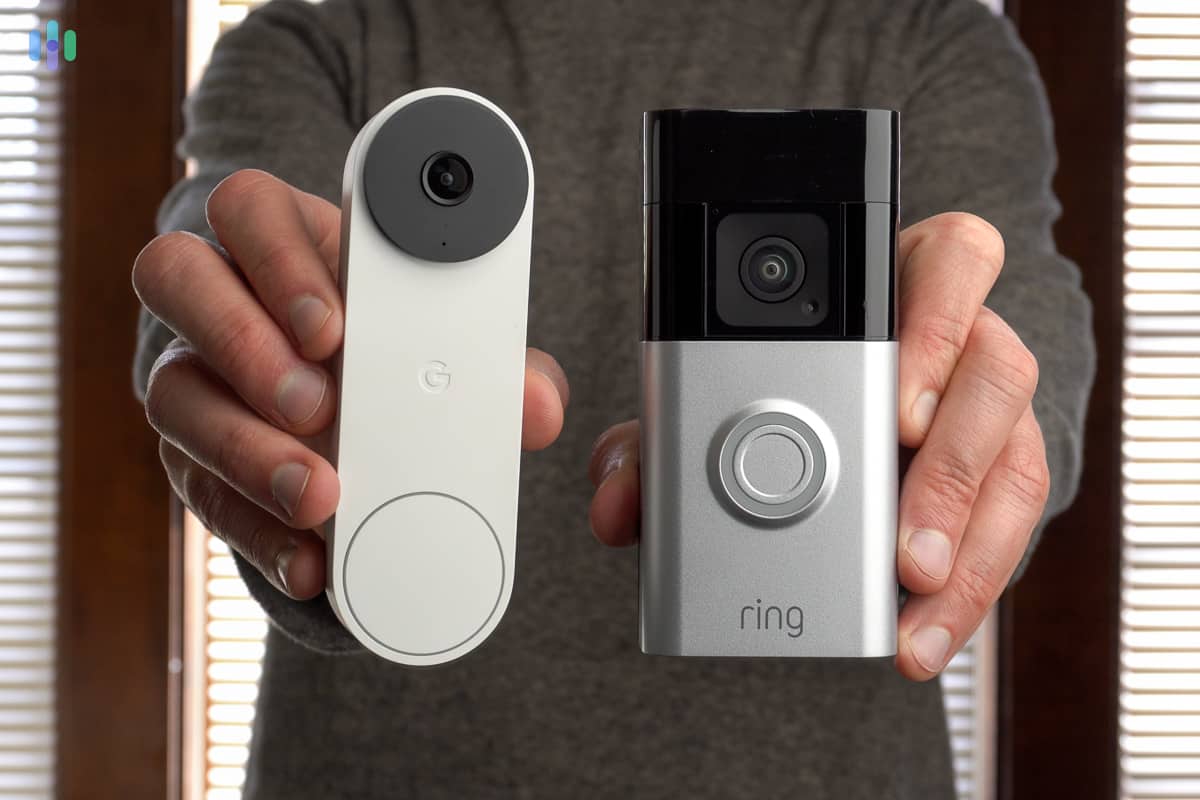
Choosing the right model saves headaches later. Here’s what matters most for renters:
- No drilling or permanent changes: Choose adhesive, bracket, or peephole models.
- Easy removal: Make sure you can take it with you when you move.
- Good battery life: You don’t want to recharge every few weeks.
- Clear video quality: At least HD, preferably 1080p or higher.
- Smart app features: Look for motion alerts, night vision, and cloud storage.
Compare brands and read reviews. Look for devices with high ratings and easy setup.
Video Doorbell Installation: Tips For Beginners
Beginners often miss a few key steps when installing video doorbells. Here are two insider tips:
- Check Wi-Fi signal at your door. Many renters don’t realize weak Wi-Fi can ruin video quality. Test your signal before installation.
- Hide your device from theft. Some video doorbells are easy to remove. Use extra adhesive or brackets to secure them. If possible, add a security screw.
Another tip: Schedule installation when you’re home all day. You’ll want to test alerts and video in different lighting.
Video Doorbells And Smart Home Integration
Many renters want their video doorbell to work with other devices, like smart locks or Alexa. Not all models offer this. Check compatibility before buying.
- Ring works with Alexa and other smart devices.
- Eufy offers local storage and works with Google Assistant.
- Arlo connects to smart home hubs.
Smart home integration is a bonus for renters, but focus first on easy installation and landlord approval.
What If You’re Denied Permission?
If your landlord says no, don’t give up on security. Here’s what you can do:
- Ask about alternatives, like smart peepholes or indoor cameras.
- Offer to use removable adhesive instead of screws.
- Suggest a trial period, promising to remove the device if there are complaints.
Some renters negotiate by offering to share video access with the landlord. This builds trust and shows you’re responsible.
Comparing Renters Vs. Homeowners: Video Doorbell Challenges
Renters face more limits than homeowners. Here’s a quick comparison:
| Aspect | Renters | Homeowners |
|---|---|---|
| Permission Needed | Often required | Not required |
| Installation Type | No drilling preferred | Any method |
| Security Deposit Risk | High if damaged | None |
| Device Removal | Must remove | Can leave installed |
| Privacy Concerns | Building rules apply | Own rules |
Homeowners have freedom, but renters must be careful. Always check your lease and talk to your landlord.
Resources And Further Reading
For more details about renter rights and video doorbell laws, visit the Consumer Technology Association website. They offer guides and statistics to help renters stay safe and legal.
Frequently Asked Questions
Can I Install A Video Doorbell Without My Landlord’s Permission?
Usually, you need your landlord’s approval, especially if your lease bans permanent changes. If you use a device that doesn’t damage the property, some landlords may allow it without formal permission, but always ask first.
Will Installing A Video Doorbell Affect My Security Deposit?
If you install a device that causes damage (holes, marks), you could lose part of your security deposit. Use models that attach with adhesive or replace the peephole to avoid risks.
What Happens If My Video Doorbell Records Neighbors Or Shared Spaces?
Recording neighbors or common areas may break privacy laws and building rules. Adjust your camera to show only your own door area, and don’t record audio without permission.
Are There Video Doorbells Made Just For Renters?
Yes, brands like Ring, Eufy, and Blink make battery-powered and adhesive-mounted models designed for renters. Peephole cameras are also made for apartment doors.
Can I Take My Video Doorbell With Me When I Move?
Most battery-powered or adhesive-mounted models are easy to remove and take with you. Wired models are harder to uninstall. Always clean the area after removal to avoid deposit issues.
Installing a video doorbell as a renter is possible, but it takes planning. Choose the right model, talk to your landlord, and follow legal rules. You’ll enjoy better security and peace of mind without risking your deposit or breaking your lease.