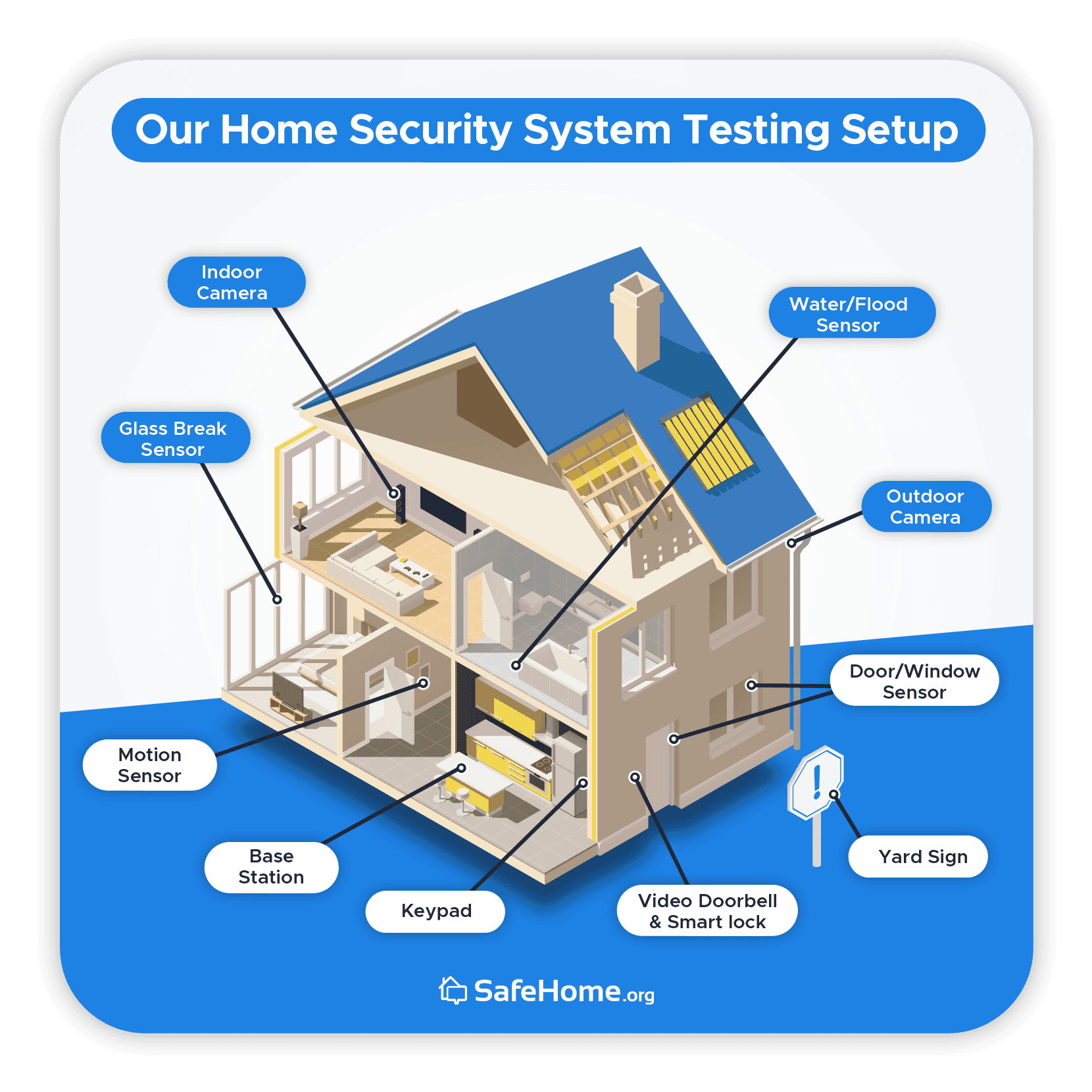
Living in an apartment offers flexibility, convenience, and often, a sense of community. But when it comes to home security, renters face unique challenges. Many wonder if they can install alarm systems in their rented apartments, and what steps are required. This guide explains the options, rules, and practical advice for apartment renters who want to make their space safer.
Why Apartment Renters Want Alarm Systems
Security is a basic need. Apartment renters often share walls, entrances, and hallways with others, sometimes leading to concerns about privacy and safety. According to the FBI’s Uniform Crime Report, renters are 50% more likely to be victims of burglary compared to homeowners. With this risk, it’s not surprising many renters seek alarm systems to protect their belongings and themselves.
But apartments bring extra hurdles. Unlike homeowners, renters must follow lease agreements and often need landlord approval before making changes. They also deal with limited space and may not be allowed to make permanent installations.
Exclusive Deals
Limited-time Exclusive Deals. Check current discount on Amazon.
Check Price on Amazon As an Amazon Associate I earn from qualifying purchases.Types Of Alarm Systems Suitable For Apartment Renters
Not all alarm systems are the same. Some require drilling, wiring, and permanent fixtures. Others are more flexible and designed for temporary spaces. Here’s a look at options that work well for renters:
| Type | Features | Installation | Suitability for Renters |
|---|---|---|---|
| Wireless alarms | No wires, battery-powered | Stick-on, easy setup | Excellent |
| Smart alarms | Control via phone, alerts | Minimal hardware | Excellent |
| DIY kits | Customizable, portable | Basic tools needed | Good |
| Traditional wired alarms | Permanent, high security | Professional installation | Poor |
Wireless Alarm Systems
Wireless alarms are the most popular choice for renters. They use batteries and communicate through Wi-Fi or Bluetooth. Installation is simple—often just sticking sensors to doors and windows. There’s no need for drilling or complex wiring. When moving out, renters can take the system with them.
Smart Alarm Systems
Smart alarms work with smartphones, giving renters control from anywhere. Notifications come instantly, so renters can see what’s happening even when they’re away. Many smart systems are designed for easy, temporary installation.
Diy Alarm Kits
DIY kits offer flexibility. Renters can choose the number of sensors, cameras, and alarms. Some kits require minor tools, but most are designed with renters in mind, using stick-on mounts and simple instructions.
Exclusive Deals
Limited-time Exclusive Deals. Check current discount on Amazon.
Check Price on Amazon As an Amazon Associate I earn from qualifying purchases.Wired Alarm Systems
Traditional wired alarms are rarely suitable for renters. They require drilling holes and running wires—actions most landlords won’t allow. These systems are ideal for homeowners who want a permanent solution.
Legal And Lease Considerations
Before installing any alarm system, renters must check their lease agreement and local laws. Landlords own the property and often set rules about modifications.
Lease Agreements
Most leases have clauses about making changes to the apartment. Alarm systems that require drilling or permanent fixtures may not be allowed. Renters should:
Exclusive Deals
Limited-time Exclusive Deals. Check current discount on Amazon.
Check Price on Amazon As an Amazon Associate I earn from qualifying purchases.- Read the lease carefully for restrictions
- Look for terms like “no alterations” or “approval required”
- Ask the landlord for written permission if unsure
Local Laws And Regulations
Some cities or states have regulations about alarm systems. For example, some require registration of alarms with local police or fire departments. Others may have noise limits or rules about camera placement.
Landlord Approval
Getting landlord approval is key. Here’s how to approach the conversation:
- Explain the benefits: Alarm systems protect property and may even lower insurance costs.
- Choose a non-invasive system: Show that the system won’t damage walls or require permanent changes.
- Offer to remove the system: Promise to restore the apartment to its original condition when moving out.
- Provide product details: Give the landlord brochures or links to the system.
Often, landlords are open to wireless alarms because they don’t affect the apartment’s structure.
Installation Process: Step-by-step Guide
Installing an alarm system in an apartment is usually straightforward, especially with wireless or smart systems. Here’s a step-by-step guide for renters:
- Assess your apartment: Identify entry points (doors, windows) and weak spots.
- Choose the right system: Select a wireless or smart system suitable for renters.
- Get landlord approval: Discuss your plans and get written permission if needed.
- Gather materials: Most systems come with sensors, a hub, adhesive pads, and instructions.
- Install sensors: Clean surfaces, stick sensors on doors and windows, and connect them to the hub.
- Set up the hub: Place the hub in a central location. Plug it in and connect to Wi-Fi.
- Test the system: Use the app or control panel to test sensors and alarms.
- Register if required: Some areas require alarm registration. Check local regulations.
Here’s a practical example: Sarah, a renter in Chicago, chose a smart wireless alarm system. She stuck sensors on her door and two windows, connected the hub, and used her phone to monitor alerts. She got landlord approval by showing the system was removable and wouldn’t damage the property.
Comparing Popular Alarm Systems For Renters
Choosing the right alarm system can be confusing. Let’s compare some of the most popular options:
| Brand | Type | Monthly Cost | Installation | Features |
|---|---|---|---|---|
| SimpliSafe | Wireless | $15–$25 | DIY | Motion sensors, smart alerts |
| Ring Alarm | Smart wireless | $10–$20 | DIY | Camera, mobile app, Alexa |
| ADT | Wired & wireless | $30–$60 | Professional | 24/7 monitoring, high security |
| Abode | Smart wireless | $8–$20 | DIY | Home automation, app control |
SimpliSafe and Ring Alarm are favorites among renters for their easy installation and affordable plans. ADT offers higher security but is less popular for apartments because of the professional installation and higher cost.
Costs And Affordability
Alarm systems for apartments come in a range of prices. Wireless and smart systems are usually affordable and don’t require long-term contracts.
- Basic wireless kits: $100–$250 upfront
- Monthly monitoring: $8–$25
- Smart alarms: $120–$300 upfront
- DIY kits: $90–$250
Renters often prefer systems with no contracts. Most wireless systems let you pay month-to-month. Some brands offer discounts for students and renters.
Hidden Costs
Watch out for hidden costs:
- Installation fees: Some brands charge for professional setup.
- Moving fees: If you move, some companies charge to transfer services.
- Registration fees: Some cities charge for alarm registration.
One non-obvious insight: Many renters don’t realize that some insurance companies offer discounts if you install an approved alarm system. It’s worth asking your insurance provider.

Common Mistakes Apartment Renters Make
Renters sometimes make mistakes that lead to wasted money or trouble with landlords. Here are the most frequent errors:
- Not reading the lease: Installing a system without checking the lease can lead to fines or forced removal.
- Choosing a permanent system: Wired alarms can damage walls and create issues when moving out.
- Ignoring local laws: Some cities require alarm permits; skipping this can lead to penalties.
- Not informing the landlord: Surprise installations can damage trust and lead to disputes.
- Overbuying: Small apartments don’t need large, complex systems—keep it simple.
A practical tip: Always keep receipts and installation instructions. If you move, you can reinstall the system at your new place.
Security Beyond Alarm Systems
Alarm systems are just one layer of apartment security. Renters can take extra steps to protect themselves:
- Use deadbolt locks: Upgrade locks if allowed.
- Install window bars: Temporary bars can boost security.
- Hide valuables: Keep expensive items out of sight.
- Build relationships: Neighbors can alert you to suspicious activity.
- Use timers: Timed lights can make your apartment look occupied.
Some renters install security cameras. But cameras must follow privacy rules—never point them at shared spaces or neighbors.
Moving Out: What Happens To Your Alarm System?
One advantage of wireless and smart systems is portability. When moving out:
- Remove sensors carefully to avoid damage.
- Patch any minor holes or marks left by the system.
- Reset the hub and sensors for use at your next apartment.
- Notify your alarm company about the move.
Wired systems are harder to move and may need professional help. Always leave the apartment as you found it, to avoid losing your security deposit.
Are Alarm Systems Worth It For Renters?
Alarm systems give peace of mind. But are they worth the investment? Let’s look at the pros and cons:
Pros
- Quick setup: Wireless alarms can be installed in minutes.
- Portability: Take the system with you when moving.
- Lower insurance costs: Some policies offer discounts.
- Remote control: Smart systems let you monitor from anywhere.
Cons
- Upfront cost: Even affordable systems require an initial payment.
- Monthly fees: Monitoring adds ongoing costs.
- Potential lease issues: Some landlords won’t allow alarms.
For renters in high-crime areas or who travel often, alarm systems offer strong benefits. In low-risk buildings with good security, the need may be less urgent.
Real-life Stories From Apartment Renters
To make the advice practical, here are three real stories:
Maya in Boston: Maya installed a SimpliSafe system after a break-in in her building. She got landlord approval, installed sensors in her unit, and used the app for alerts. Her insurance premium dropped by 10% after showing proof of the alarm.
Jake in Dallas: Jake tried installing a wired system without asking his landlord. When moving out, he lost part of his deposit due to wall damage. He wishes he had chosen a wireless system and informed his landlord.
Priya in San Francisco: Priya’s building had a security desk, but she wanted more control. She installed a Ring Alarm with cameras facing her door. She checked local privacy laws and got written permission from her landlord, avoiding any issues.
Alarm Systems Vs. Other Apartment Security Measures
Alarm systems aren’t the only option. Let’s compare alarm systems to other common apartment security measures:
| Security Measure | Cost | Effectiveness | Ease of Installation |
|---|---|---|---|
| Alarm system | $100–$300+ | High | Easy to moderate |
| Deadbolt lock | $30–$70 | Medium | Easy |
| Window bars | $40–$120 | Medium | Moderate |
| Security camera | $50–$200 | High | Easy |
| Neighborhood watch | Free | Low to medium | Very easy |
Alarm systems offer the strongest deterrent, especially when combined with other security measures.

Final Thoughts
Apartment renters can install alarm systems, but must follow lease rules and local laws. The most suitable options are wireless and smart systems that require minimal installation. Getting landlord approval, choosing a portable system, and avoiding mistakes are key steps.
Alarm systems aren’t just about protecting valuables—they offer peace of mind and can even reduce insurance costs. By planning ahead and making smart choices, renters can stay safe without risking their deposit or breaking lease terms.
For more detailed guidance on home security, see Consumer Reports.
Frequently Asked Questions
Can I Install An Alarm System In My Apartment Without Landlord Approval?
Most leases require landlord approval for any modifications. Wireless systems may be allowed without approval, but always check your lease and communicate with your landlord.
Do Alarm Systems Damage Apartment Walls?
Wireless and smart systems use adhesive pads and rarely cause damage. Wired systems, which require drilling, can damage walls and may affect your security deposit.
Are There Alarm Systems Specifically Made For Renters?
Yes, many brands offer wireless alarm systems designed for renters. These are portable, easy to install, and require no permanent changes.
Will Installing An Alarm System Lower My Renter’s Insurance?
Some insurance companies offer discounts if you install an approved alarm system. Ask your provider for details and provide proof of installation.
What Happens To My Alarm System If I Move?
Portable systems can be removed and reinstalled at your new apartment. Always notify your alarm company and reset the system for your new location.
This guide should help you make a smart, informed choice about alarm systems as an apartment renter. By understanding the options, rules, and best practices, you can protect your home without stress or trouble.