Yes — many golf rangefinders can work for hunting, but expect trade-offs and limits.
I’ve used optics and rangefinders for years in both the field and on the course. I will show you how golf devices differ from hunting tools, when Can You Use a Golf Rangefinder for Hunting? makes sense, and when to pick a dedicated hunting unit. Read on for clear advice, practical tips, and real-life lessons to help you decide.

Exclusive Deals
Limited-time Exclusive Deals. Check current discount on Amazon.
Check Price on Amazon As an Amazon Associate I earn from qualifying purchases.How golf rangefinders work and what they measure
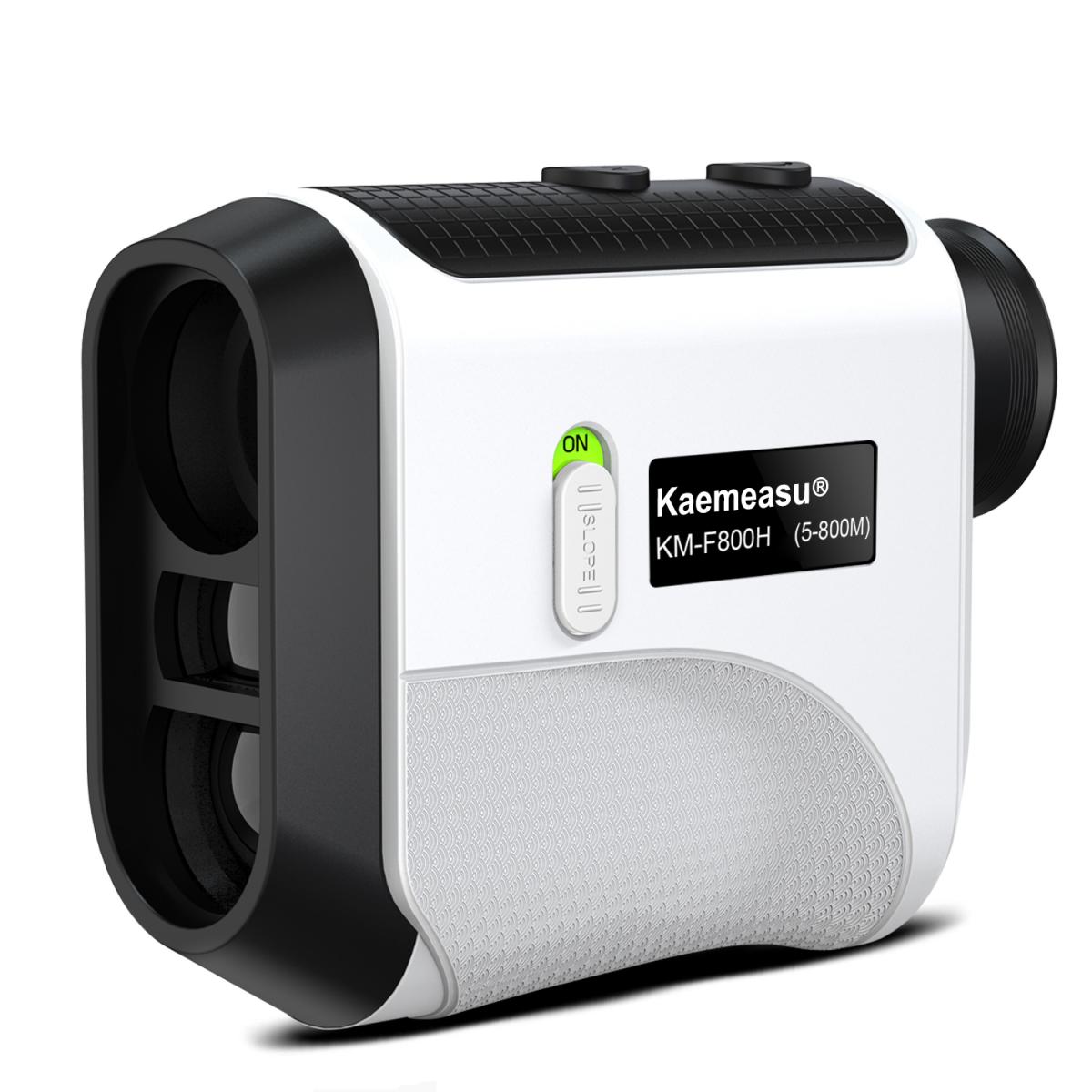
Golf rangefinders use a laser to time how long light takes to return from a target. They give quick, precise distance to a flag or object. Most report line-of-sight distance. Some models include slope or angle compensation for elevation changes.
Many golf units focus on reflective targets and short response time. They are tuned to pick up small, bright objects like flagsticks. This tuning affects how they perform on animals with low reflectivity. Can You Use a Golf Rangefinder for Hunting? is often a matter of understanding these limits.

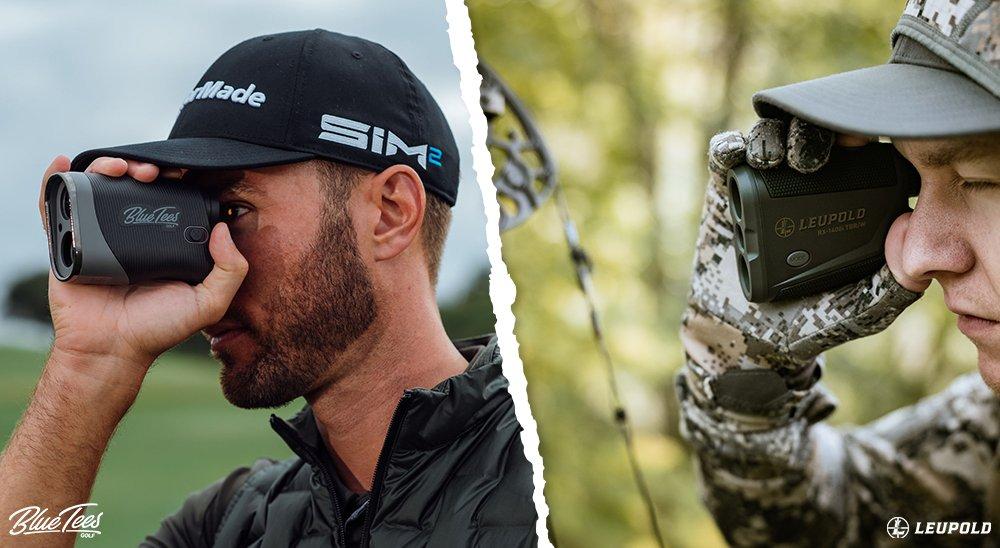
Golf vs hunting rangefinders: key differences
Golf and hunting rangefinders look similar. They differ in features and priorities. Know the main gaps.
Exclusive Deals
Limited-time Exclusive Deals. Check current discount on Amazon.
Check Price on Amazon As an Amazon Associate I earn from qualifying purchases.- Range and target acquisition: Hunting units often have longer max range and better target-lock on moving or low-reflectivity targets. Golf rangefinders may be limited to 500–1,000 yards and optimized for flags.
- Pulse and scan modes: Hunting models favor scan or continuous modes that track moving game. Golf units prioritize single-shot mode and fast readouts.
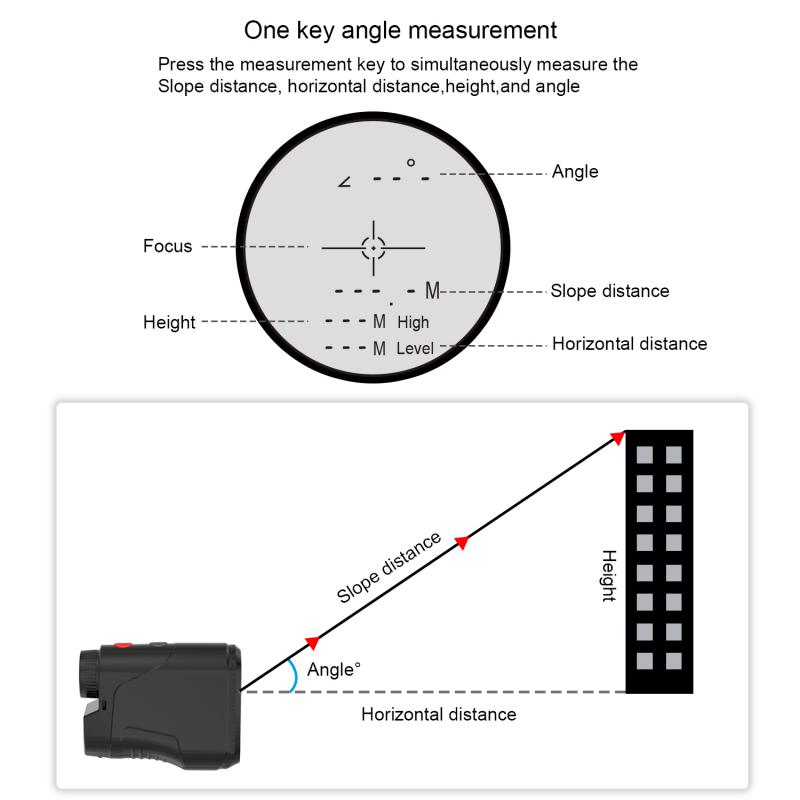
- Ballistics and angle compensation: Many hunting rangefinders add ballistic data or precise angle compensation for bullet drop. Golf slope functions help club selection but are not tailored for ballistics.
- Ruggedness and weather sealing: Hunting rigs usually have stronger weatherproofing and tougher housing. Golf units may be water-resistant but less rugged.
- Optics and reticle: Hunting models often have reticles calibrated for holdover or use with ballistic tables. Golf devices keep reticles simple.
If you're asking Can You Use a Golf Rangefinder for Hunting? the answer depends on these differences and how you plan to hunt.
When you can use a golf rangefinder for hunting
Short-range still hunting and bow hunting often works with golf rangefinders. Dense cover hunts where shots happen inside 100–200 yards are a good fit. If you only need quick distance to a tree, rock, or close game, a golf unit can be fine.
Exclusive Deals
Limited-time Exclusive Deals. Check current discount on Amazon.
Check Price on Amazon As an Amazon Associate I earn from qualifying purchases.Can You Use a Golf Rangefinder for Hunting? Yes, when you hunt at ranges the device supports. It helps to test the unit on animals or targets before your trip. Practice acquiring small, dark targets at realistic distances.
Practical scenarios where it works well:
- Spot-and-stalk hunts under 250 yards.
- Hunting from stands where shots are short and stable.
- Situations where you need a compact, light pack.

PAA-style question: Will a golf rangefinder work on deer?
A golf rangefinder can measure deer distance if the animal is within the device’s effective range and you can get a clear laser hit. Low reflectivity and brush can cause missed returns, so test it first.
PAA-style question: Do golf rangefinders give accurate angle compensation for bullets?
Golf slope functions give angle-adjusted yardage but do not translate directly to ballistic drop. For bullets, you need ballistic calculators or a hunting rangefinder with drop charts.
Limitations, laws, and ethics to know
Golf rangefinders have limits in range, reflectivity handling, and ballistics. They can fail to lock on small or camouflaged animals at distance. Vegetation, weather, and laser strength affect performance.
Legal and ethical points:
- Hunting laws vary by state and country. Some places restrict electronic devices or require line-of-sight methods for measuring distance. Always check local rules.
- Using devices that give ballistic solutions might be regulated in some hunting contexts. Be transparent and legal.
- Ethically, you should only take shots you can place cleanly. A tool that gives wrong distance can lead to wounding.
If you wonder Can You Use a Golf Rangefinder for Hunting? keep legality and ethics front and center.
Practical tips and real-life experience
From my field tests, small changes make a big difference. I once used a golf rangefinder on a short stalk. It worked well at 120 yards on a broadside animal. I also had failures when trying to lock through light brush at 180 yards.
Tips that help:
- Practice on a deer silhouette or black target to learn how your unit reads animal-sized shapes.
- Use scan mode if available. It can help lock moving game.
- Aim for the body’s center mass. Bright or reflective items like tags can mislead the laser.
- Carry a dedicated hunting rangefinder if you hunt long shots or in low visibility.
- Check battery, lens cleanliness, and correct eyewear when you go afield.
Can You Use a Golf Rangefinder for Hunting? Yes, with training and the right hunt style. My mistakes taught me to test gear before the season and trust proven gear for critical shots.
Technical features to check before you hunt
Before relying on a golf rangefinder, inspect these specs. They often predict field performance.
- Maximum range specification and real-world effective range.
- Minimum focusing distance for close shots.
- Scan or continuous mode for tracking movement.
- Slope or angle compensation and whether it suits ballistics.
- IP rating for water and dust protection.
- Size, weight, and mount options for hands-free use.
Try different models in varied light. That will tell you if your golf rangefinder meets hunting needs. Can You Use a Golf Rangefinder for Hunting? The features above help you decide.

Frequently Asked Questions of Can You Use a Golf Rangefinder for Hunting?
Is a golf rangefinder legal to use for hunting?
Legal status varies by state and region. Check local wildlife regulations before using any electronic ranging device.
Can a golf rangefinder read through brush?
It can, but success drops with intervening vegetation. Dense brush often blocks the laser return and prevents a lock.
Are golf rangefinders accurate enough for rifle shots?
They can be accurate for line-of-sight distance. For precise ballistic solutions, pair the rangefinder with ballistic data or use a hunting-specific model.
Can I use slope mode on a hunt?
Slope mode helps estimate angle-adjusted distance but may not match bullet drop. Some hunting contests or regions restrict slope features, so verify rules.
What is the best way to practice with a golf rangefinder for hunting?
Use realistic targets at varied distances and in real cover. Practice from shooting positions you use in the field to build confidence.
Do golf rangefinders work at night?
Most struggle in low light because the laser return is weaker. Some premium models perform better, but night performance is generally lower than daytime.
Conclusion
A golf rangefinder can be a useful hunting tool when used in the right context. Match range limits, check features, and test on real targets before trusting it for a critical shot. Be mindful of laws and hunting ethics, and train with the device so you know its strengths and blind spots.
Take action: test your rangefinder on targets, review local hunting rules, and decide if a hunting-specific unit is worth the upgrade. Share your experiences or questions below to help others choose wisely.