Deadbolts are generally stronger for exterior security; lever locks are easier for interior access.
I have spent years installing and testing locks on homes and small offices, so I know the trade-offs between Deadbolt vs Lever Lock well. This guide breaks down how each lock works, how they score on security, how to install and maintain them, and real-world tips from my experience. Read on to decide which option fits your door, budget, and safety needs.

Exclusive Deals
Limited-time Exclusive Deals. Check current discount on Amazon.
Check Price on Amazon As an Amazon Associate I earn from qualifying purchases.Overview: What is a Deadbolt vs Lever Lock?
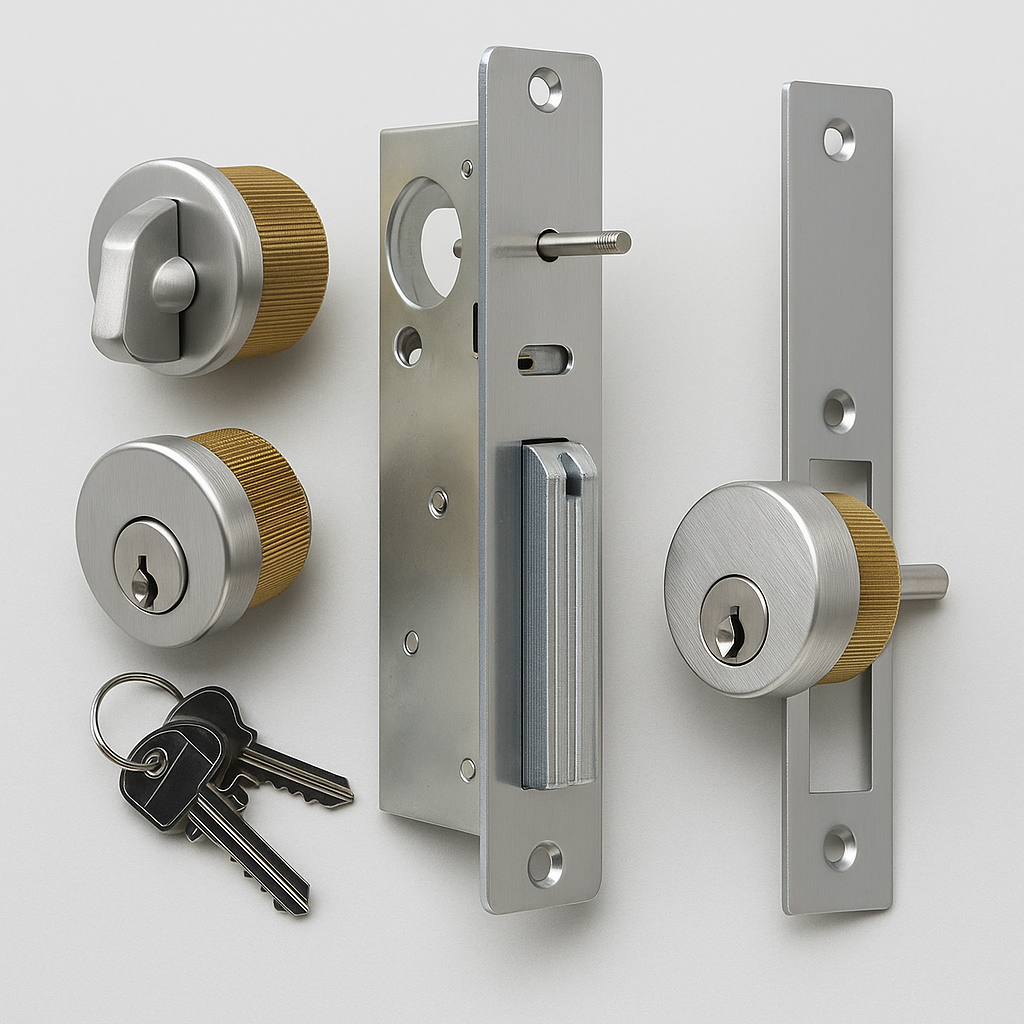
A deadbolt is a lock that extends a solid metal bolt into the door frame. It usually needs a key or thumb turn to move the bolt. Deadbolts resist forced entry well because they do not rely on a spring latch.
A lever lock uses a lever handle to retract a latch. Most lever locks combine a latch and a lock cylinder. They are common on interior doors and in commercial settings for easy access control.
Why compare Deadbolt vs Lever Lock? Homeowners must weigh safety, convenience, and regulations. The right choice can reduce break-in risk and improve daily use. This section sets the scene for deeper comparison.

Exclusive Deals
Limited-time Exclusive Deals. Check current discount on Amazon.
Check Price on Amazon As an Amazon Associate I earn from qualifying purchases.How Deadbolts and Lever Locks Work
Deadbolt basics
- A deadbolt moves a solid bolt straight into the strike plate.
- Single-cylinder deadbolts use a key outside and a thumb turn inside.
- Double-cylinder deadbolts require a key on both sides, which can slow exits in emergencies.
Lever lock basics
- A lever lock uses a spring latch paired with a lever handle.
- Lever locks may include a keyed cylinder or a push-button privacy function.
- They latch automatically and are often easier to open for people with limited hand strength.
Types to know
Exclusive Deals
Limited-time Exclusive Deals. Check current discount on Amazon.
Check Price on Amazon As an Amazon Associate I earn from qualifying purchases.- Deadbolt types include single-cylinder, double-cylinder, and lockable thumb turn models.
- Lever lock types include passage (no lock), privacy (bathrooms/bedrooms), and commercial keyed levers.
Thinking about "Deadbolt vs Lever Lock" means checking how each mechanism operates and what vulnerabilities each has. Knowing the parts helps you pick upgrades like reinforced strike plates or anti-drill cylinders.
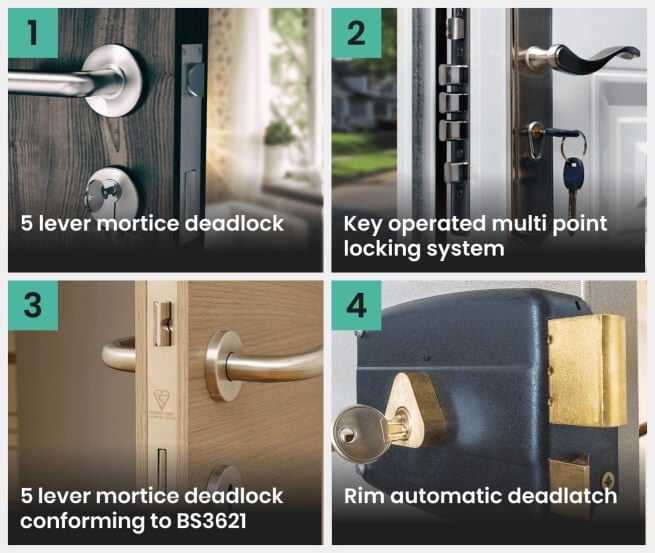
Security Comparison: Deadbolt vs Lever Lock
Force resistance
- Deadbolts: Better at resisting kick-ins and prying because of a long solid bolt.
- Lever locks: Rely on a spring latch that is easier to bypass with certain tools.
Pick and bump resistance
- High-quality deadbolts often use complex pin systems and hardened cylinders that resist picking and bumping.
- Some lever locks have strong cylinders too, but many interior-grade levers use simpler locks.
Standards and grades
- Look for locks with industry ratings. Higher grades mean stronger performance.
- A Grade 1 deadbolt is often best for exterior doors. Lever locks for commercial doors can also reach high grades.
Installation and door strength
- A deadbolt is only as strong as the door and frame. Reinforce strike plates and use long screws.
- Lever locks on hollow doors need extra reinforcement to meet security needs.
From my installations, a properly mounted deadbolt with a reinforced strike is the best single upgrade for door security. Still, for many interior doors, a high-grade lever lock gives access and convenience without sacrificing reasonable protection.

Installation and Maintenance Tips
Installation basics for deadbolts
* Measure backset and door thickness first.
- Use a reinforced strike plate and 3-inch screws into the framing.
- Check bolt alignment and smooth operation before final tightening.
Installation basics for lever locks
- Confirm the lever fits door thickness and pre-drilled holes.
- Secure the latch with long screws and test the lever motion.
- Adjust strike plate position to avoid binding.
Maintenance tips for both
- Lubricate cylinders yearly with graphite or a dry lubricant.
- Tighten loose screws and replace worn strike plates.
- Re-key or replace locks after moving into a new home or losing keys.
Common mistakes to avoid
- Relying on a short strike plate screw.
- Installing a double-cylinder deadbolt on an exit door used by children or elderly people.
- Buying the cheapest lock for an exterior door.
Proper installation matters as much as the lock type when you compare Deadbolt vs Lever Lock security. Small upgrades change protection a lot.

Best Use Cases and How to Choose: Deadbolt vs Lever Lock
When to choose a deadbolt
- Exterior front and back doors where forced entry is a risk.
- Doors with vulnerable glass should pair a deadbolt with security glass or bars.
- If you want the best simple retrofit for home security.
When to choose a lever lock
- Interior doors, such as bedrooms or bathrooms, especially where accessibility is important.
- Commercial doors where ADA compliance and easy operation are required.
- Situations where quick egress is essential.
Decision points to consider
- Door type and material
- Occupant needs, like elderly or children
- Local building codes and fire safety rules
- Budget and desired security grade
If you must choose between Deadbolt vs Lever Lock for an exterior door, I usually recommend a Grade 1 or 2 deadbolt plus a reinforced frame. For interior doors, a good lever lock often wins on usability.
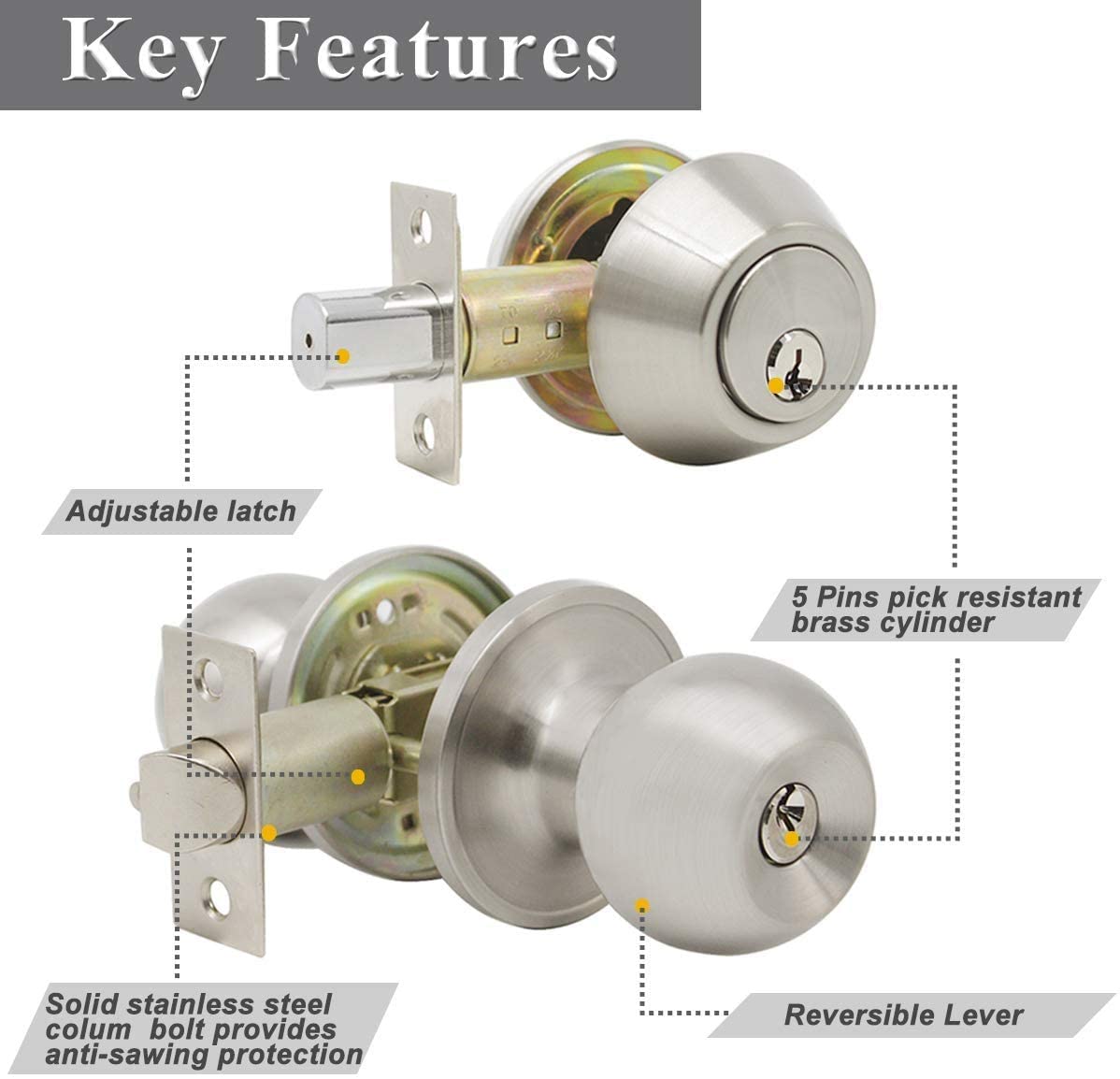
Costs, Standards, and Upgrades
Typical cost range
- Basic deadbolts: affordable, mid-range models are best value for security.
- Lever locks: varied pricing; commercial-grade levers cost more but last longer.
Standards to look for
- Industry grades indicate performance under tests.
- Look for features like anti-drill pins, anti-snap cylinders, and hardened bolts.
Upgrades that matter
- Reinforced strike plates and longer screws.
- Smart or electronic deadbolts that replace keyed entry.
- High-security cylinders for both deadbolt and lever applications.
Budget wisely. Spending a bit more on a quality deadbolt or lever lock and installation saves money and stress later.
Common Mistakes, Lessons Learned, and Personal Experience
From my career installing locks, here is what I learned
- Mistake: buying cheap locks for exterior doors. Lesson: invest in a better deadbolt.
- Mistake: ignoring strike plate strength. Lesson: the frame often fails before the bolt.
- Mistake: installing double-cylinder deadbolts without considering emergency exits. Lesson: balance security with safety.
Real-world examples
- I replaced a worn lever lock on an office door with a commercial-grade lever. The door got easier to use and stayed secure under heavy use.
- I reinforced a farmhouse door with a Grade 1 deadbolt and long strike screws. A later attempted break-in failed because the frame held.
Practical tips
- Test locks after installation and yearly after weather changes.
- Re-key locks when tenants change or keys go missing.
- Pair a deadbolt with a smart sensor for alerts on forced entry.
These lessons guide how I decide between Deadbolt vs Lever Lock for each job. Practical fixes often outperform theoretical choices.

Frequently Asked Questions of Deadbolt vs Lever Lock
What makes a deadbolt more secure than a lever lock?
A deadbolt uses a solid metal bolt that extends into the frame, which resists kicking and prying better than a spring latch. Proper installation and a reinforced strike plate are key to that added security.
Can I use a lever lock on an exterior door?
You can, but choose a commercial-grade lever with a high-security cylinder and strong latch. For most exterior doors, a deadbolt is still the preferred main lock.
Are lever locks better for accessibility?
Yes. Lever locks are easier to operate for people with limited hand strength or mobility and often meet ADA guidelines. They allow quick access and egress without twisting motions.
Should I have both a deadbolt and a lever lock on the same door?
Many exterior doors use both: a keyed lever or knob for daily use and a deadbolt for added security. This combo balances access control with strong protection.
How often should I maintain or replace these locks?
Inspect and lubricate locks yearly, or more often in harsh climates. Replace locks that show heavy wear, malfunction, or after a security incident like a lost key.
Is a smart deadbolt safer than a traditional deadbolt?
Smart deadbolts add convenience and monitoring. Their security depends on the lock’s build quality and the strength of its digital protections. Use trusted brands and strong passwords for the best results.
Conclusion
Choosing between Deadbolt vs Lever Lock comes down to purpose, safety, and usability. Deadbolts are the top pick for exterior security. Lever locks win for accessibility and certain commercial needs. Strengthen whichever lock you choose with proper installation, reinforced strike plates, and routine maintenance.
Decide based on your door type, who uses the door, and local rules. If unsure, upgrade to a higher-rated lock and have it professionally installed. Try one change today—inspect your exterior locks, tighten frame screws, or replace a worn deadbolt—and share your results or questions below.