Every year, more people invest in home alarm systems to protect their families and property. But one common question still creates confusion: Do home alarm systems call the police automatically? Many buyers believe installing a security system guarantees immediate police response during a break-in. This belief is only partly true. The way alarm systems communicate with law enforcement depends on several factors, including the type of system, monitoring method, and user settings. If you’re considering buying a home alarm or want to understand how your current system works, this article will give you clear, practical answers. You’ll learn about technology, monitoring choices, real-world police response, and what homeowners can expect when an alarm triggers.
How Home Alarm Systems Work
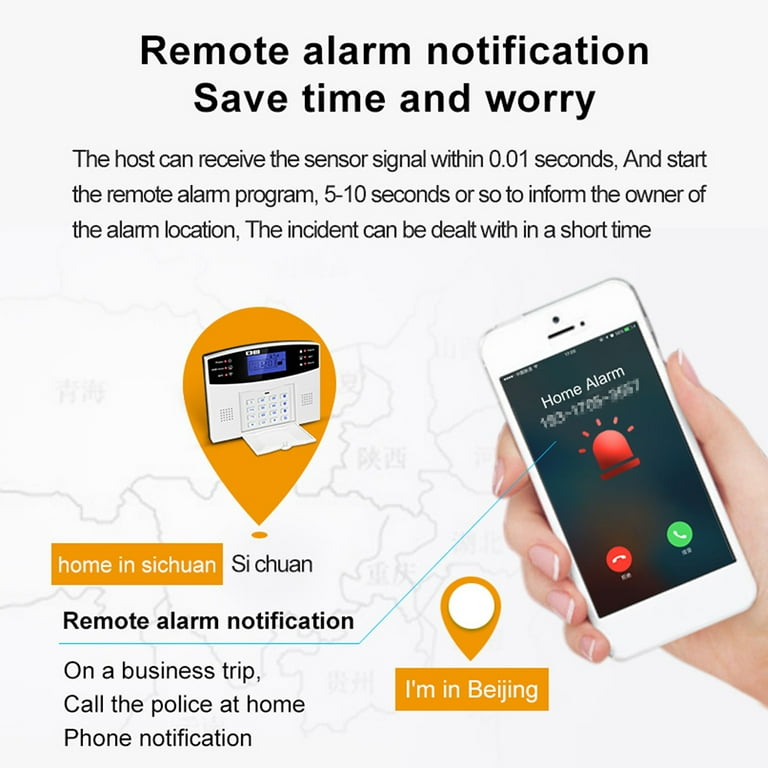
Most modern home alarm systems use sensors, control panels, and communication devices. Sensors detect movement, door/window openings, glass breaking, or smoke. When a sensor is triggered, the system sends a signal to the control panel. The control panel decides what happens next—usually sounding a siren and sending an alert.
There are two main types of communication:
Exclusive Deals
Limited-time Exclusive Deals. Check current discount on Amazon.
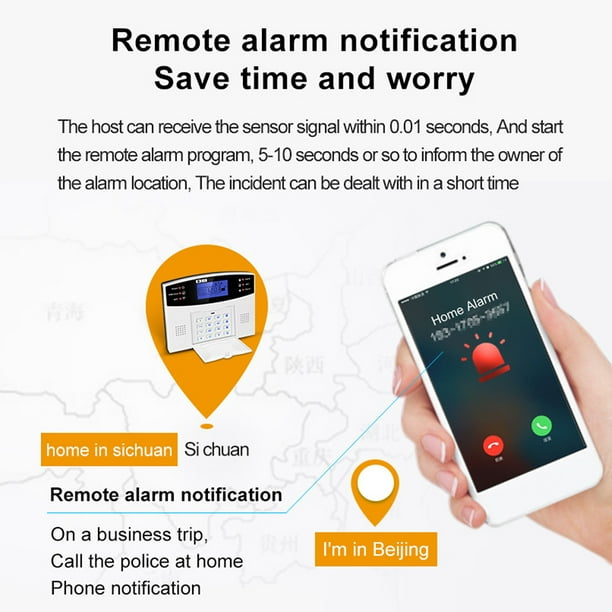
Check Price on Amazon As an Amazon Associate I earn from qualifying purchases.- Self-monitored systems: The system notifies the homeowner through an app, text, or call. The homeowner decides whether to contact the police.
- Professionally monitored systems: The system alerts a monitoring center. Staff check the alert, often calling the homeowner to verify if it’s real. If they can’t reach the homeowner or confirm a threat, they contact emergency services.
This process sounds simple, but there are many steps between a sensor triggering and police arriving. Understanding these steps helps set realistic expectations and prevent disappointment.
Automatic Police Notification: Myth Vs Reality
Many people think alarm systems instantly call the police. In reality, most systems do not contact law enforcement directly. Instead, they use a layered approach to avoid false alarms and unnecessary police dispatches.
Self-monitored systems never call the police themselves. The homeowner receives alerts and must act. If you’re asleep, away from your phone, or ignore the alert, the police won’t be notified.
Professionally monitored systems can contact police, but only after human verification. Monitoring centers almost always call the homeowner first to confirm the threat. If the homeowner doesn’t answer or confirms it’s a real emergency, only then will the police be called.
Exclusive Deals
Limited-time Exclusive Deals. Check current discount on Amazon.
Check Price on Amazon As an Amazon Associate I earn from qualifying purchases.Some advanced systems offer “direct to police” options. But these are rare, expensive, and often require special permits. Even then, local regulations may require human verification before dispatch.
False Alarms And Police Response
False alarms are a big concern in home security. Studies show that over 90% of alarm activations are false, caused by pets, user error, or faulty equipment. If police responded to every alarm, they’d waste time and resources.
To reduce false alarms:
Exclusive Deals
Limited-time Exclusive Deals. Check current discount on Amazon.
Check Price on Amazon As an Amazon Associate I earn from qualifying purchases.- Many cities require alarm permits.
- Monitoring centers use “call verification” to check if it’s a real emergency.
- Some police departments won’t respond unless there’s video, audio, or eyewitness confirmation.
False alarms can also lead to fines. In Los Angeles, homeowners may pay $175 or more for repeated false alarm calls. Too many false alarms can result in the city refusing to respond at all.
Types Of Home Alarm Monitoring
Different alarm systems offer different monitoring options. Choosing the right type affects how and when police are notified.
| Monitoring Type | Police Notification | Common Systems | Response Time |
|---|---|---|---|
| Self-Monitored | No automatic police call | Ring, SimpliSafe (self mode) | Depends on homeowner |
| Professional Monitoring | Police called after verification | ADT, Vivint, Frontpoint | 2–5 minutes after alarm |
| Direct-to-Police (rare) | Immediate police notification | Specialty systems, often commercial | 1–2 minutes, but restricted |
Self-monitored systems are cheaper but require homeowners to respond quickly. Professional monitoring gives peace of mind but may have delays due to verification. Direct-to-police is fast, but regulations and false alarm concerns make it rare for homes.
What Happens When An Alarm Is Triggered
Understanding the typical sequence helps clarify expectations. Here’s what usually happens with a professionally monitored system:
- Sensor detects threat (motion, door, window).
- Control panel sends alert to monitoring center.
- Monitoring center receives signal and begins verification.
- Staff contact homeowner (phone, app, text).
- If the homeowner confirms it’s a false alarm, police are not called.
- If the homeowner confirms it’s a real threat or cannot be reached, monitoring center calls police.
- Police respond based on local priority and availability.
The process usually takes 2–5 minutes from alarm trigger to police notification. However, police may take longer to arrive, depending on location and urgency.
Local Regulations And Alarm Permits
Alarm response is shaped by local laws. Some cities require homeowners to register their alarm systems and pay a permit fee. This helps manage false alarms and ensures only verified threats get police attention.
For example:
- Dallas, TX: Requires alarm permits, limits false alarms, police may not respond after too many false calls.
- San Francisco, CA: Police only respond if monitoring center verifies a crime.
- Phoenix, AZ: Fines for false alarms, permit required, strict verification rules.
Always check your city’s rules before buying a system. Failure to register may lead to fines or no police response.
Video And Audio Verification
Technology now allows monitoring centers to see or hear what’s happening. Systems with cameras or microphones give extra evidence. If a center sees someone breaking in, police are called immediately.
Video verification can:
- Reduce false alarms
- Speed up police response
- Lower fines and permit requirements
Systems like Ring, ADT, and Vivint offer video verification as an option. However, privacy concerns and higher costs may limit its use.
Common Mistakes Homeowners Make
Many homeowners misunderstand how their systems work. Here are mistakes that can lead to slow or no police response:
- Not registering their alarm: Some cities require permits.
- Choosing self-monitoring without quick response: If you miss an alert, police won’t be called.
- Ignoring verification calls: Monitoring centers need confirmation before contacting police.
- Setting sensors incorrectly: Poor placement leads to false alarms.
- Not updating contact info: If monitoring centers can’t reach you, police may not be notified.
Fixing these errors can improve safety and reduce fines.
Comparing Popular Home Alarm Brands
Choosing the right system depends on your needs. Here’s a comparison of how top brands handle police notification:
| Brand | Monitoring Type | Police Notification | Unique Features |
|---|---|---|---|
| ADT | Professional | Verification before police call | 24/7 monitoring, video, app control |
| Ring | Self/Professional | Depends on plan | Camera integration, smart alerts |
| SimpliSafe | Self/Professional | Verification, optional video | No contract, flexible monitoring |
| Vivint | Professional | Video/audio verification | Smart home integration |
Some systems allow you to upgrade from self-monitoring to professional. Others offer advanced verification to speed up police calls.
Real-world Police Response Times
Even if police are notified quickly, response times can vary. According to the National Police Foundation, average police response to burglary alarms is 7–10 minutes. However, this can be longer in busy cities or during low-priority times.
Factors affecting response:
- Verification: Confirmed threats get faster response.
- Local workload: Busy departments may delay.
- Permit status: Unregistered alarms may not get a response.
Homeowners should not expect instant arrival. Most alarm systems are designed to deter burglars, who often leave quickly when they hear an alarm.
Are Smart Home Alarms Different?
Smart home alarms, like Ring or Nest, integrate with phones and smart devices. They offer real-time alerts and video streaming. However, smart systems still rely on the user or monitoring center to contact police.
Smart alarms:
- Allow quick homeowner response
- Can integrate video and audio for verification
- May offer professional monitoring for an extra fee
But unless you pay for professional monitoring, smart alarms will not call the police automatically.
Insurance And Alarm Systems
Many insurance companies offer discounts for homes with alarm systems. But these discounts usually require professional monitoring and registration. If your system is self-monitored, you may not qualify for savings.
Insurance may also require proof of police response. False alarms or missed alerts can affect claims.
What Homeowners Should Do
If you want reliable police response from your home alarm:
- Choose professional monitoring: Self-monitoring is cheaper, but less secure.
- Register your alarm: Follow local permit rules.
- Set up video verification: Faster police response, fewer false alarms.
- Keep contact info updated: Let your monitoring center reach you.
- Respond quickly to verification calls: Confirm emergencies or cancel false alarms.
These steps help maximize safety and minimize fines.
Non-obvious Insights
Many beginners miss the fact that:
- Police response is not guaranteed: Even with a monitored system, police may not respond if the alarm is unregistered or if there are too many false alarms.
- Alarm systems are mainly deterrents: Most burglars leave within 1–2 minutes after hearing a siren, whether police are notified or not. The primary value of an alarm is prevention, not guaranteed police intervention.
Another overlooked point is that monitoring centers are not local. Some centers may be out-of-state, which can affect communication and response.
How To Choose The Right Alarm System
Selecting a home alarm system involves balancing cost, response speed, and reliability. Here’s what really matters:
- Monitoring type: Professional is safer, but costs more.
- Verification options: Video/audio reduces false alarms.
- Permit requirements: Check local rules.
- Smart integration: Useful if you want app control.
- Contract terms: Some brands require long commitments.
Avoiding buyer mistakes:
- Don’t buy self-monitored systems if you’re often away from your phone.
- Don’t ignore permit requirements—fines and non-response are real risks.
- Don’t assume all systems are equal. Research brands and read reviews.
Security System Trends And Future
Home alarm systems are evolving. New trends include:
- Artificial intelligence: AI analyzes video to spot real threats.
- Cloud monitoring: Data is stored offsite for reliability.
- Smart sensors: More accurate detection, fewer false alarms.
Future systems may offer faster police notification, but only as technology and regulations improve. Privacy and false alarms will always be concerns.
Frequently Asked Questions
Can A Home Alarm System Call The Police Without Human Verification?
In most cases, no. Professional monitoring centers almost always call the homeowner first to verify. Direct police notification is rare and often restricted by law.
What Happens If I Ignore A Verification Call From My Monitoring Center?
If you don’t answer, the monitoring center will treat the alert as a possible emergency and may contact police. However, repeated missed calls can lead to fines or reduced response.
Are Self-monitored Alarm Systems Effective For Police Response?
Self-monitored systems require the homeowner to call police. If you miss the alert or are away, police won’t be notified. Professional monitoring is more reliable for emergency response.
How Can I Reduce False Alarms And Avoid Fines?
- Register your alarm system with your city.
- Use video/audio verification if possible.
- Place sensors carefully and follow manufacturer instructions.
- Respond quickly to verification calls.
Do Alarm Systems Increase Police Response Time?
Alarm systems can help, but response depends on verification and local laws. Video and audio evidence speed up police response. However, false alarms or unregistered systems may delay or prevent police arrival.
Final Thoughts
Home alarm systems offer peace of mind and real protection, but it’s important to know their limits. Most systems do not call the police automatically—they rely on human verification and monitoring centers. Choosing the right system, understanding local regulations, and responding quickly to alerts all help maximize your safety. If you want reliable police response, professional monitoring and video verification are key. But remember, the main goal is prevention: a loud alarm deters most burglars before police are even needed.
For more details on alarm regulations and police response, see Wikipedia. Home security is a smart investment, but knowing how your system works gives you real peace of mind.