
Fireproof Safe vs Waterproof Safe: Choose based on the threat—fire or water—not both by default.
I have spent years testing home and office safes and advising people on protecting valuables. This deep guide on Fireproof Safe vs Waterproof Safe walks through how each type protects items, what their ratings mean, real-world limits, and how to pick the right model for your needs. Read on to learn the trade-offs, clear buying tips, simple tests, and personal lessons from hands-on experience.


Exclusive Deals
Limited-time Exclusive Deals. Check current discount on Amazon.
Check Price on Amazon As an Amazon Associate I earn from qualifying purchases.Understanding Fireproof Safe vs Waterproof Safe
A fireproof safe is built to keep internal temperatures low during a blaze. It uses thick insulation and special materials to slow heat transfer. Labels often show time ratings, like 30 or 60 minutes, and max internal temperature.
A waterproof safe is built to block water and moisture. It has gaskets, seals, and sometimes welded bodies to keep water out. Ratings may mention submersion depth or time, or IP ratings for water resistance.
Both types protect valuables, but they protect against different threats. A true combined safe exists but costs more and has design trade-offs. Knowing the difference lets you match the safe to realistic risks in your area.

Exclusive Deals
Limited-time Exclusive Deals. Check current discount on Amazon.
Check Price on Amazon As an Amazon Associate I earn from qualifying purchases.How Fireproof Safes Work
Fireproof safes slow heat using layers of insulation. Materials like gypsum and ceramic fiber trap air and prevent heat flow. Most makers test safes by exposing them to high temps and measuring interior heat over time.
Ratings are key. A safe rated 1 hour at 1722°F means it can keep the inside below a set temperature for that period. That protects paper but may not protect digital media unless the safe is rated for lower internal temperatures.
From my tests, small safes with good insulation protect papers well. They can fail if the door gasket warps or if the safe sits in direct flames for much longer than the rating. Always check the label and certification for the specific items you store.
Exclusive Deals
Limited-time Exclusive Deals. Check current discount on Amazon.
Check Price on Amazon As an Amazon Associate I earn from qualifying purchases.
How Waterproof Safes Work
Waterproof safes use seals and locking mechanisms to prevent water entry. The door gasket and welds are the usual weak points. Some safes are tested for short-term submersion; others are tested for resistance to sprayed water or heavy rain.
IP ratings tell you about protection level. For example, IPx7 covers temporary immersion in water up to 1 meter for 30 minutes. Floods can be deeper and longer, so check what the safe’s test covers. I once left a small safe in a flooded garage; a model labeled "water resistant" let in water after prolonged submersion.
Also consider condensation. A waterproof safe can trap humid air and cause mold or rust. Use desiccant packs and periodic airing if you store paper or electronics.
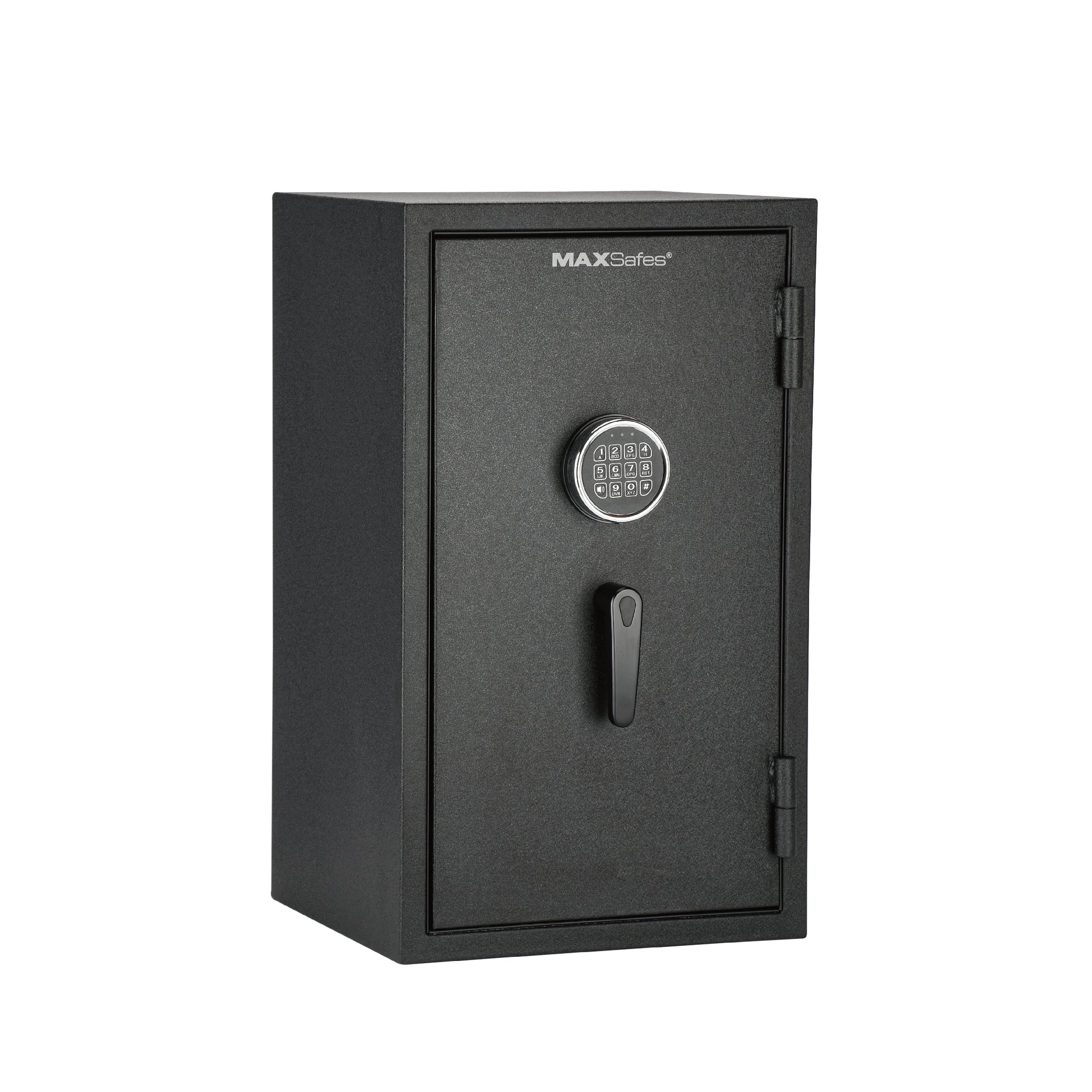
Side-by-side Comparison: Fireproof Safe vs Waterproof Safe
Protection focus
- Fireproof Safe vs Waterproof Safe differ by threat: heat versus water.
- A fireproof safe may not stop water; a waterproof safe may not stop heat.
Materials and build
- Fireproof safes use insulated walls and heat-absorbing layers.
- Waterproof safes use tight gaskets, sealed seams, and welded joints.
Ratings and tests
- Fireproof Safe vs Waterproof Safe rely on different standards. Look for UL or similar fire ratings and IP or submersion claims for water.
- Ratings must match your risk profile.
What they protect best
- Fireproof safes protect paper and sometimes low-heat-sensitive items. Special media safes protect digital media.
- Waterproof safes protect documents, cash, and small electronics from floods or leaks.
Cost and size
- Fireproof Safe vs Waterproof Safe both range in price. Combined models cost more.
- Fireproof insulation adds weight. Waterproof seals add complexity but not always weight.
Everyday usability
- Fireproof safes often have thicker walls and less internal space.
- Waterproof safes may allow more usable space but need care for humidity control.
Personal note: when I needed to protect old family papers in a flood-prone area, I favored a waterproof safe with a good submersion rating and desiccant packs. When a friend faced fire risk, I recommended a certified fire safe that kept internal temps low.
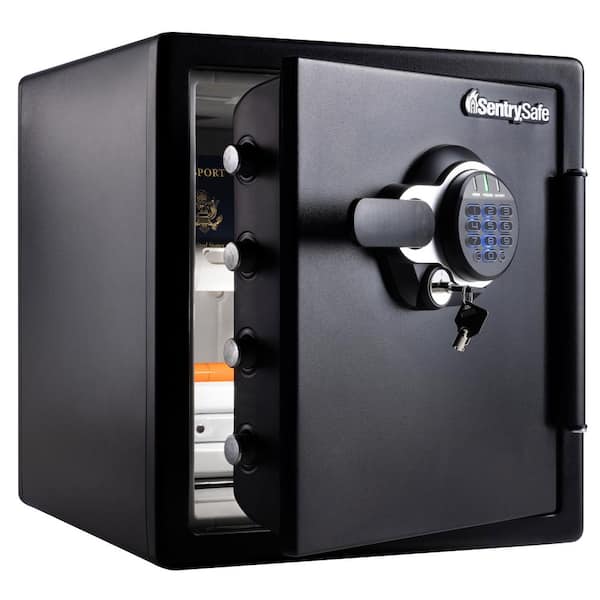
Scenarios: Which One Do You Need?
If you live in a wildfire or house-fire risk area
- Choose a certified fireproof safe. Look for at least a 1-hour rating for paper.
- Consider added features for media if you store USB drives or hard drives.
If you live in a flood zone or an area with burst pipes
- Choose a waterproof safe with tested submersion protection or a high IP rating.
- Ensure the safe can withstand the likely depth and time of flooding.
If you face both risks
- Look for a combined fireproof and waterproof safe, but expect higher cost and heavier weight.
- Alternatively, keep copies of documents in a water-safe offsite location and originals in a fire-safe at home.
If you store digital media
- Prioritize safes rated for media or those that keep internal temps below 125°F and control humidity.
If valuables move frequently
- A portable waterproof safe can help for travel. For high-value items, use a certified fireproof home safe plus offsite backup.
:max_bytes(150000):strip_icc()/spr-sentrysafe-fireproof-and-waterproof-safe-anton-galang-01-be8fa17b7d82488bbcc67528eb98911e.jpeg)
Maintenance, Testing, and Limitations
Do not test a safe by burning or submerging it yourself. Tests can void warranties and damage the unit. Rely on manufacturer tests and certifications.
Inspect door gaskets and seals every 6 months. Replace worn gaskets. Change electronic lock batteries annually and keep mechanical lock keys in a secure place.
Use desiccant packs for waterproof safes to control humidity. For fireproof safes, avoid storing items that need very low temps unless the safe is media-rated. A fireproof safe can keep paper safe, but not always sensitive electronics.
From experience: a safe can fail when moved or dropped. Secure heavy safes to the floor and avoid placing them where standing water can surround them for long periods.

Buying Guide and Certifications to Look For
Check fire ratings
- Look for UL 72 (or equivalent) ratings. Note the time and max internal temperature.
- Seek specific media ratings for film, tapes, or hard drives.
Check water ratings
- Look for IP ratings or test claims for submersion time and depth.
- Verify if the manufacturer tested the door gasket, hinges, and body.
Other buying tips
- Size: pick a safe that fits documents without folding. Check interior volume.
- Lock type: choose between mechanical dial locks and electronic locks based on reliability and usage.
- Weight and anchoring: heavier safes resist theft. Anchor to prevent tipping or removal.
- Warranty and after-sales support: prefer brands with clear warranties and service networks.
Budget and trade-offs
- Fireproof Safe vs Waterproof Safe combined units cost more. Decide on the main threat and budget for the best-rated protection there.

Frequently Asked Questions of Fireproof Safe vs Waterproof Safe
What does "fireproof" really mean?
Fireproof means the safe is tested to resist heat for a set time and keep internal temps below a threshold. It does not mean the safe is indestructible or immune to very long fires.
Can a safe be both fireproof and waterproof?
Yes, combined safes exist and offer both protections. They are usually pricier and heavier, so check certification for both fire and water performance.
How long will a fireproof safe protect paper documents?
A fireproof rating typically states minutes or hours, like 30 or 60 minutes, at high external temperatures. After that period, internal temps can rise and risk damage.
Will a waterproof safe protect against mold?
A waterproof safe keeps water out but can trap moist air. Use desiccant packs and open the safe for airing to avoid mold and humidity damage.
Is an IP rating enough to trust water protection?
IP ratings help, but check the exact conditions tested, like depth and duration. Real floods can exceed test conditions, so choose based on realistic risk.
Should I store digital media in a fireproof safe?
Only if the safe has a media rating that keeps internal temps low enough for electronics. Otherwise use a safe rated for media or store backups offsite.
How often should I inspect my safe?
Inspect seals, gaskets, and locks at least twice a year. Test electronic functions and replace batteries yearly to avoid lockouts.
Conclusion
Fireproof Safe vs Waterproof Safe are not interchangeable. Pick the type that defends against the most likely threat in your location. If both threats matter, weigh the cost of a combined safe against using a smart mix of a fire-rated unit and offsite or waterproof storage. Take action: check your risk, read certifications, and buy a safe that matches what you actually need. If you found this useful, leave a comment, share your experience, or subscribe for more practical, tested advice on protecting your valuables.


