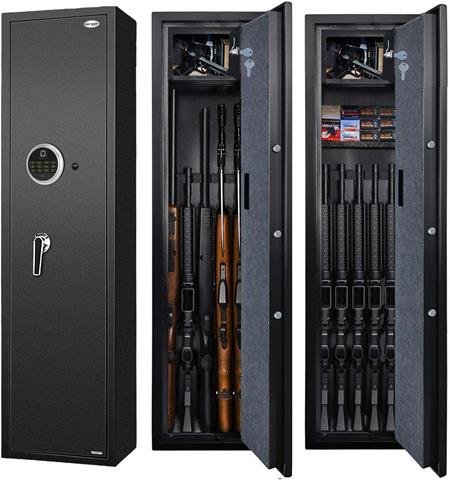
Home security systems offer broad protection, while CCTV focuses mainly on video recording and monitoring.
As a security professional with years of hands-on experience installing systems in homes and small businesses, I’ll walk you through Home Security System vs CCTV with clear, practical advice. This article explains the core differences, costs, privacy issues, integration tips, and real-world pros and cons so you can pick the right setup for your needs. Whether you want a simple camera setup or a full alarm and monitoring system, I’ll share what works, common mistakes to avoid, and how to get the best value from your investment.
Exclusive Deals
Limited-time Exclusive Deals. Check current discount on Amazon.
Check Price on Amazon As an Amazon Associate I earn from qualifying purchases.Understanding Home Security System vs CCTV
A Home Security System vs CCTV debate usually comes down to scope and function. A full home security system includes sensors, alarms, control panels, automation, and often monitoring services. CCTV, or closed-circuit television, mainly refers to camera-based video surveillance that records and sometimes streams video to a device or cloud.
Home Security System vs CCTV overlap when cameras are part of a larger alarm system. But they differ in purpose: security systems aim to detect intrusion and alert people or monitoring centers, while CCTV aims to observe, record, and provide evidence. Knowing this distinction helps you choose the right option for safety, deterrence, or evidence collection.
Core Components and How They Work
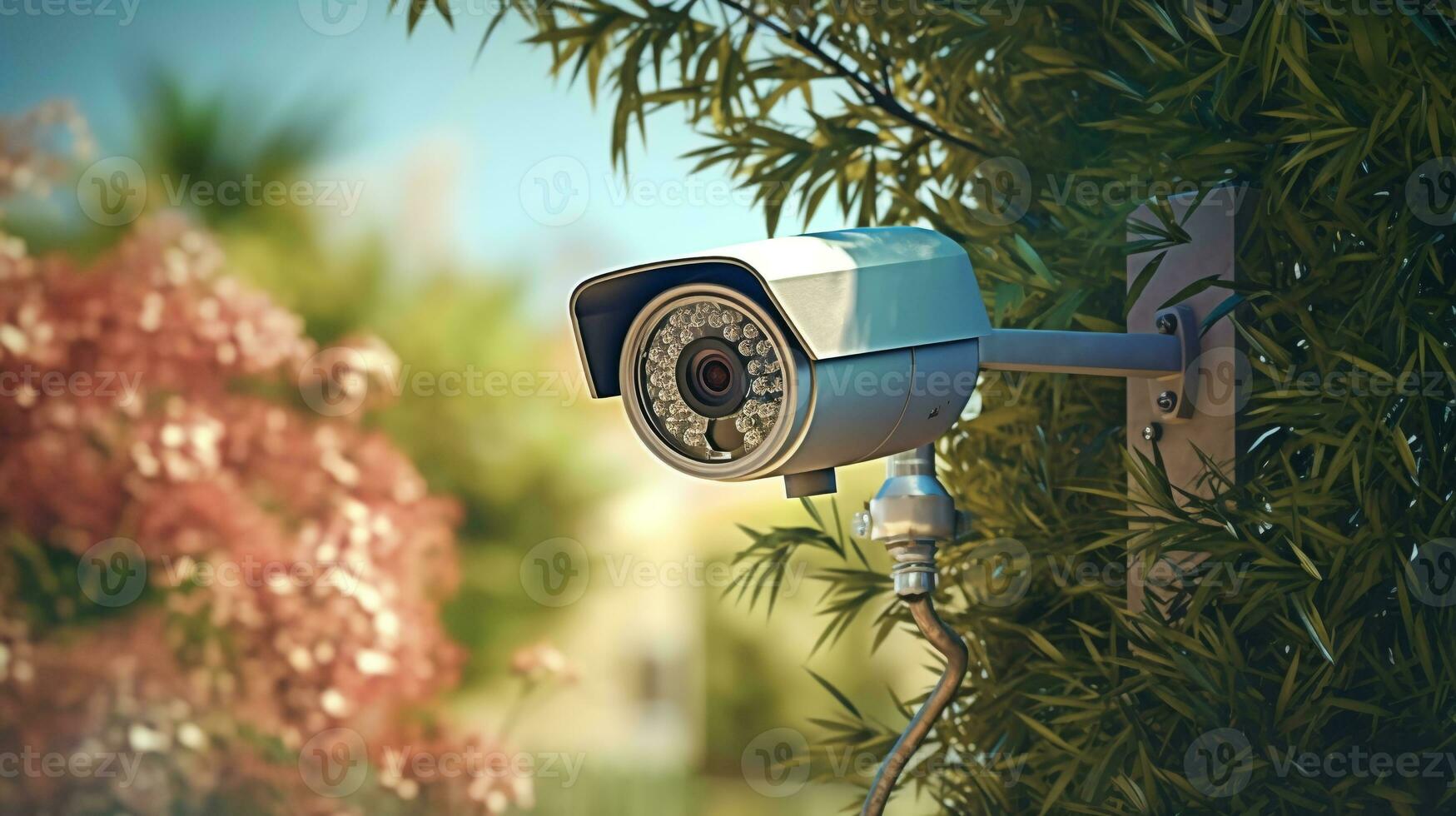
Home Security System vs CCTV systems share hardware but use it differently. Here are common building blocks and how they fit into each approach.
Exclusive Deals
Limited-time Exclusive Deals. Check current discount on Amazon.
Check Price on Amazon As an Amazon Associate I earn from qualifying purchases.- Control panel and hub
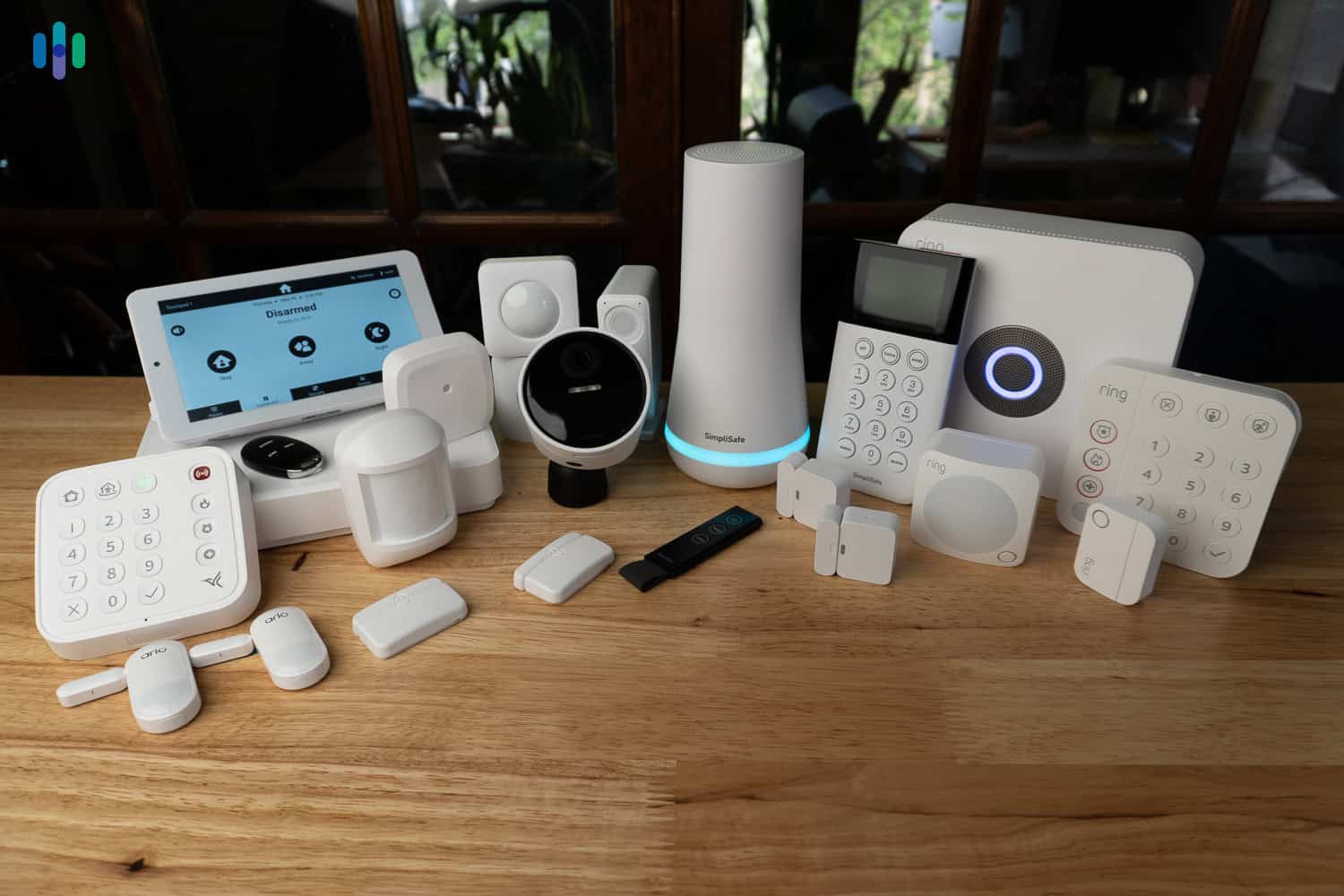
- Security systems use a central panel to manage sensors, alarms, and automation. CCTV systems may use an NVR or DVR instead.
- Door and window sensors
- These are standard in home security systems for intrusion detection. Cameras don’t detect contact, but they can show break-ins on video.
- Motion detectors
- Used in security systems to trigger alarms and notifications. Cameras can include motion-triggered recording and alerts.
- Cameras and recorders
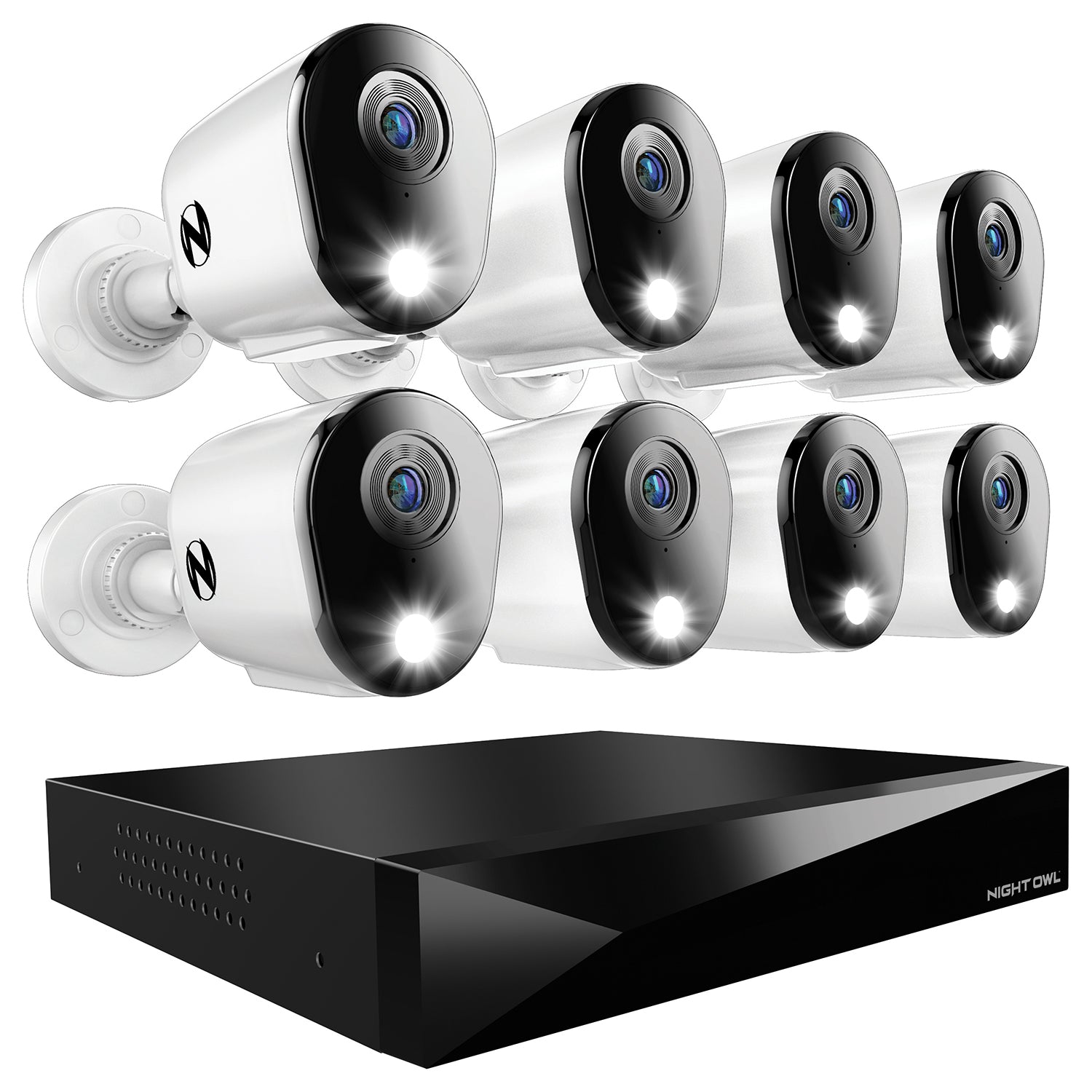
- In CCTV setups, cameras connect to a recorder or cloud service for continuous or event-based footage.
- Monitoring services
- Professional monitoring is common with home security systems. CCTV often relies on self-monitoring via phone apps and cloud storage.
When comparing Home Security System vs CCTV, think about whether you need automated alerts and emergency response, or primarily want video evidence and remote viewing.
Pros and Cons: Home Security System vs CCTV
Clear pros and cons help you decide which setup fits your goals. Below are typical strengths and weaknesses.
Exclusive Deals
Limited-time Exclusive Deals. Check current discount on Amazon.
Check Price on Amazon As an Amazon Associate I earn from qualifying purchases.- Benefits of Home Security System vs CCTV (Home Security Systems)
- Broad protection with door/window sensors and alarms.
- Professional monitoring and faster emergency response.
- Integration with smoke, carbon monoxide, and smart home devices.
- Limitations of Home Security Systems
- Higher cost when you add monitoring and installation.
- False alarms if sensors are misconfigured.
- Benefits of Home Security System vs CCTV (CCTV)
- Strong deterrence and visual evidence for police or insurance claims.
- Often cheaper to install and scale, especially DIY camera kits.
- Continuous recording options and easy remote viewing.
- Limitations of CCTV
- Cameras alone may not trigger immediate emergency response.
- Privacy and data-storage concerns with cloud recording.
Choosing between Home Security System vs CCTV means balancing prevention, response, and evidence needs. For many homes, a hybrid approach offers the best value.
Cost, Installation, and Maintenance
Budget matters when comparing Home Security System vs CCTV. Costs vary by equipment, installation, and subscription services.
- Upfront hardware costs
- Basic CCTV cameras can be inexpensive. Multi-camera DVR/NVR setups raise costs.
- Full home security systems include panels, sensors, and possibly professional installation, increasing price.
- Ongoing fees
- CCTV may require cloud storage fees if you want off-site backups.
- Home security systems often have monthly monitoring fees for professional response.
- Installation choices
- DIY kits save money for both CCTV and smart security systems.
- Professional installs reduce mistakes and ensure sensors and cameras are placed correctly.
- Maintenance
- Cameras need occasional cleaning and firmware updates.
- Sensors and battery-powered devices need regular battery checks and testing.
When evaluating Home Security System vs CCTV, add a two- to five-year total cost estimate, including subscriptions and maintenance. This gives a realistic comparison of long-term value.

Privacy, Legal and Ethical Considerations
Privacy and law are vital when you install cameras or full security systems. Home Security System vs CCTV discussions must include local rules and neighbor respect.
- Recording laws and consent
- Laws differ by area; recording on private property is usually fine but recording neighbors, public streets, or private conversations can be restricted.
- Data protection
- Cloud-stored CCTV footage or security system logs must be secured with strong passwords and two-factor authentication.
- Signage and disclosure
- In some places, you must disclose surveillance in rental units or business entrances.
- Ethical placement
- Avoid placing cameras where people expect privacy, such as bathrooms or neighbors’ yards.
Before you decide, research local rules and set clear privacy boundaries. This reduces legal risk and preserves trust with visitors and neighbors.
Choosing the Right Option for Your Home
Deciding between Home Security System vs CCTV depends on your goals, home layout, and budget. Use these practical decision points.
- If you need immediate emergency response
- Choose a home security system with professional monitoring and alarm sensors.
- If you want visual evidence and remote viewing
- Choose CCTV with reliable recording and good night vision.
- If you face high theft risk or want deterrence
- Combine visible cameras with alarm signs and sensors.
- If budget is tight
- Start with a few cameras in key spots and upgrade to a full security system later.
- If you prefer smart home integration
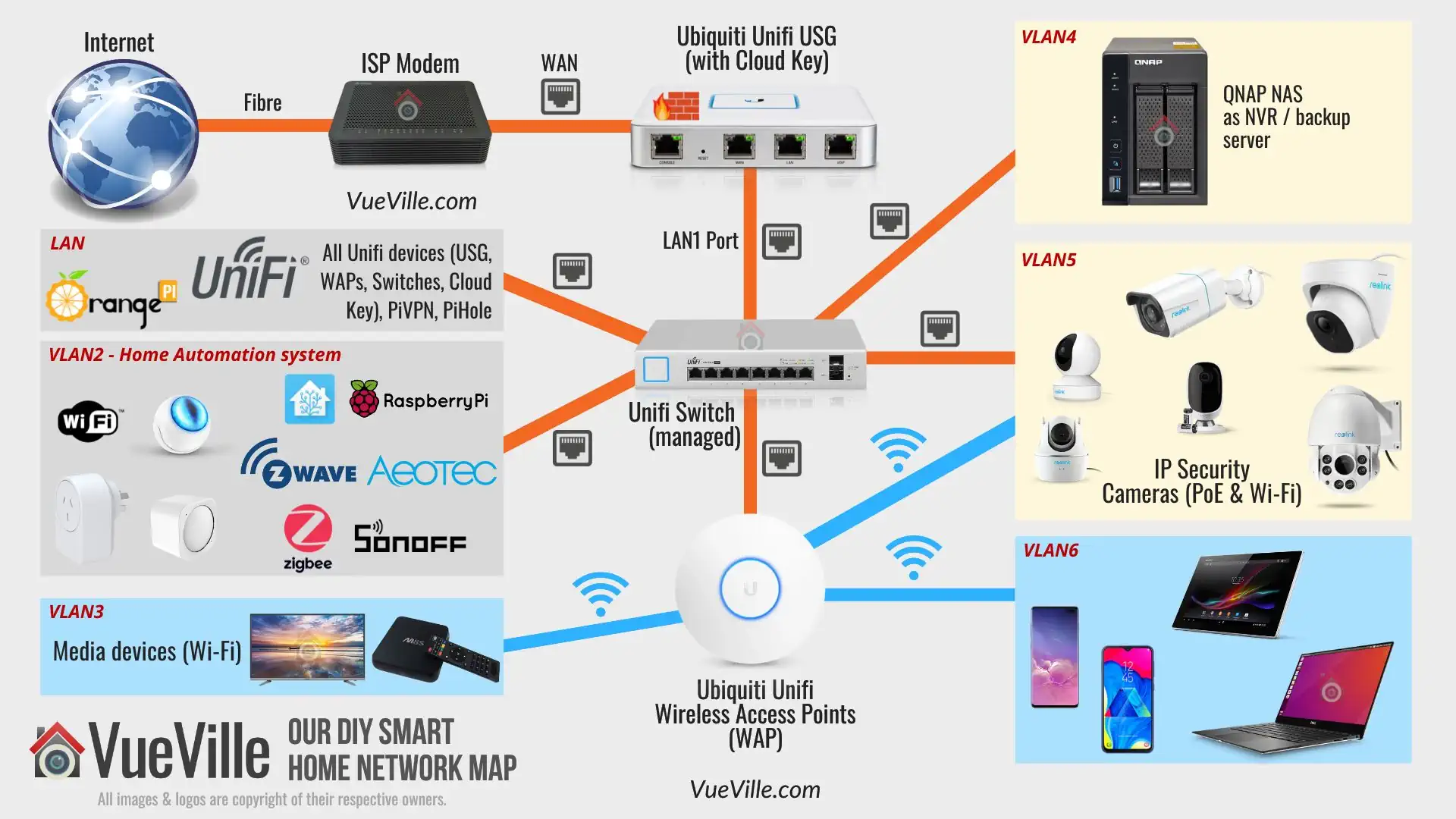
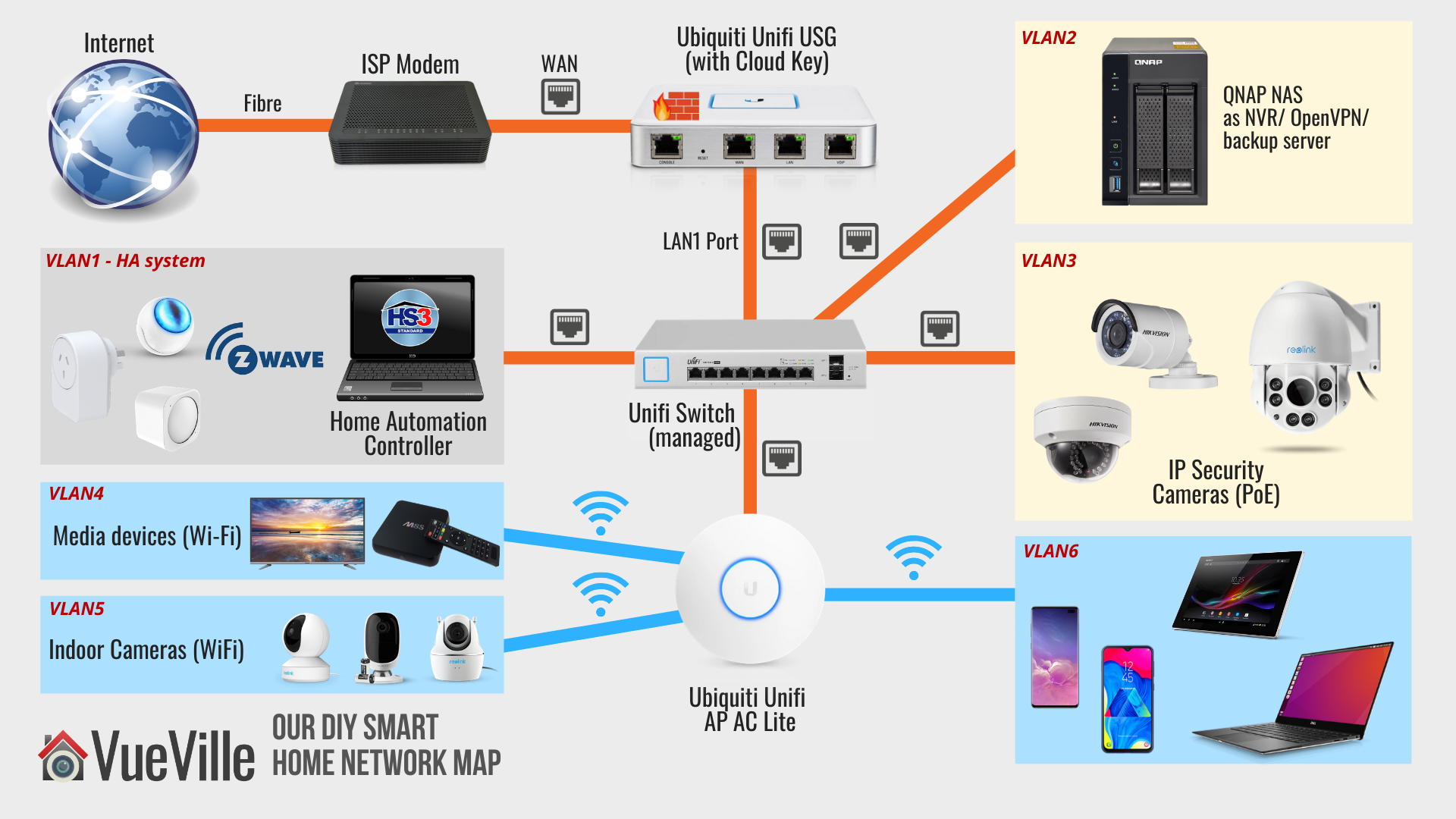
- Look for systems and cameras that support the same hub or voice assistants.
A combined approach often solves most problems. Install door/window sensors and a few cameras for a balanced Home Security System vs CCTV solution.

Personal Experience and Practical Tips
I’ve installed and tested dozens of systems over the years. Here are real lessons and tips from that work.
- Place cameras high and angle them to cover entry routes, not small decorative areas.
- Test sensors and cameras weekly for battery, connectivity, and correct detection zones.
- Avoid common mistakes: placing cameras too close to windows, using low-light cameras without IR, and neglecting firmware updates.
- I once saw a homeowner rely only on cheap cameras. After a power outage, their footage was lost. Later they installed battery backups and a hybrid system.
These tips come from hands-on installs and field troubleshooting. They will help you get reliable performance out of any Home Security System vs CCTV setup.
Future Trends and Technology
Technology keeps shifting the Home Security System vs CCTV landscape. Expect smarter, safer, and more capable systems.
- Artificial intelligence and analytics
- Modern cameras can detect people, vehicles, and package deliveries to reduce false alerts.
- Edge computing
- More processing happens on-device, improving privacy and lowering cloud costs.
- Unified security platforms
- Home systems will merge alarms, cameras, and smart home controls into single apps.
- Improved privacy features
- End-to-end encryption and local storage options will become standard.
Planning for future upgrades helps. Pick systems with modular designs and open standards to keep options flexible as technology evolves.

Frequently Asked Questions of Home Security System vs CCTV
What is the main difference between a home security system and CCTV?
A home security system focuses on detection and response using sensors, alarms, and monitoring. CCTV focuses on camera-based video recording and remote viewing for evidence and deterrence.
Can CCTV replace a full home security system?
CCTV can provide good visual deterrence and evidence but usually cannot replace the alarm and sensor-based detection and professional response of a full home security system.
Is professional monitoring necessary for safety?
Professional monitoring adds a rapid emergency response option and can reduce risk of delayed action. Self-monitoring is cheaper but requires you to act quickly when alerts occur.
How much does a combined system typically cost?
Costs vary widely, but expect to budget for cameras, sensors, a control hub, installation, and possible monthly monitoring or cloud storage fees. A rough range is a few hundred to several thousand dollars, depending on scale.
Are smart cameras and security systems secure from hacking?
Modern devices use encryption and updates but remain vulnerable without strong passwords and updated firmware. Use unique passwords and enable two-factor authentication to reduce risk.
How many cameras do I need for basic coverage?
For basic coverage, most homes benefit from 3 to 6 cameras covering front door, back door, driveway, and main entry points. Adjust count for property size and blind spots.
Can I integrate CCTV with my alarm system?
Yes. Many systems allow cameras to link with alarm triggers so cameras start recording and notify owners when sensors activate.
Conclusion
Choosing between Home Security System vs CCTV comes down to your priorities: immediate detection and response versus visual monitoring and evidence. For many homeowners, combining both gives the best protection. Start by assessing your goals, budget, and local rules, then pick equipment that can grow with your needs.
Take action: audit your entry points, test a camera or sensor this month, and plan a phased upgrade if needed. If you found this useful, try one small change today—install a camera at your main entrance or add a door sensor—and share your results or questions below.