Smart locks are changing the way people think about home security. For years, most people used traditional metal keys and locks to protect their homes. But these old methods have clear weaknesses—keys can be copied, lost, or stolen, and locks can be picked or bumped open.
As technology advances, more homeowners are looking for smarter, easier, and more secure solutions. That’s where smart locks come in.
A smart lock is an electronic device that replaces or upgrades your standard door lock. Instead of using only a metal key, you can use a smartphone, a code, a fingerprint, or even a voice command to unlock your door.
Exclusive Deals
Limited-time Exclusive Deals. Check current discount on Amazon.
Check Price on Amazon As an Amazon Associate I earn from qualifying purchases.This makes life more convenient, but it also brings new levels of security. In this article, you’ll learn how smart locks actually improve home security, the key features to look for, and how to avoid common mistakes when using them.
You’ll also see real examples, useful data, and expert advice to help you decide if a smart lock is right for your home.
How Smart Locks Work
Smart locks are more than just keyless locks. They are small computers built into your door hardware. Most smart locks use one or more of these methods to open the door:
- Mobile apps: Many smart locks connect to your phone using Bluetooth or Wi-Fi. You can unlock the door by pressing a button in the app.
- PIN codes: Keypads on the lock allow you to enter a special code to unlock the door.
- Biometrics: Some smart locks use your fingerprint or even facial recognition.
- Remote access: You can open the door for someone else even when you’re not home, using the internet.
- Voice commands: Locks that work with smart assistants like Alexa or Google Assistant can be unlocked with your voice (with security checks).
Smart locks use encryption to protect these signals, making it much harder for hackers to break in. Some models also work with old-fashioned keys as a backup.
Exclusive Deals
Limited-time Exclusive Deals. Check current discount on Amazon.
Check Price on Amazon As an Amazon Associate I earn from qualifying purchases.Key Security Benefits Of Smart Locks
1. No More Lost Or Stolen Keys
Traditional keys are easy to lose or copy. If someone finds your lost key, they can enter your home. With a smart lock, you don’t need a physical key. You can use your phone, a code, or your fingerprint. If you lose your phone, you can quickly change access settings or lock the system from another device.
2. Custom Access Codes
With smart locks, you can create different codes for family, friends, cleaners, or delivery people. You control when each code works. For example, you can set a code to work only on weekdays from 9 am to 5 pm. If someone no longer needs access, just delete their code—no need to change the entire lock.
3. Real-time Alerts
Many smart locks send instant notifications to your phone when someone unlocks or locks the door. Some even show you a complete log of who entered and when. This is extremely useful if you want to track who is coming and going, especially for families with kids or shared homes.
Exclusive Deals
Limited-time Exclusive Deals. Check current discount on Amazon.
Check Price on Amazon As an Amazon Associate I earn from qualifying purchases.4. Stronger Physical Security
Modern smart locks are often built with hardened materials like reinforced steel or anti-drill plates. Some models resist common break-in methods such as lock bumping and picking. When combined with a solid door, they create a tough barrier for intruders.
5. Remote Locking And Unlocking
Ever worry you forgot to lock the door? With a smart lock, you can check and lock your door from anywhere using your smartphone. This reduces the risk of leaving your home open by accident—a common problem with traditional locks.
6. Temporary Access For Guests
If a guest or repair person needs to enter your home, you can give them a temporary code or digital key. Once they leave, remove the code—no need to collect spare keys or worry about copies.
7. Integration With Home Security Systems
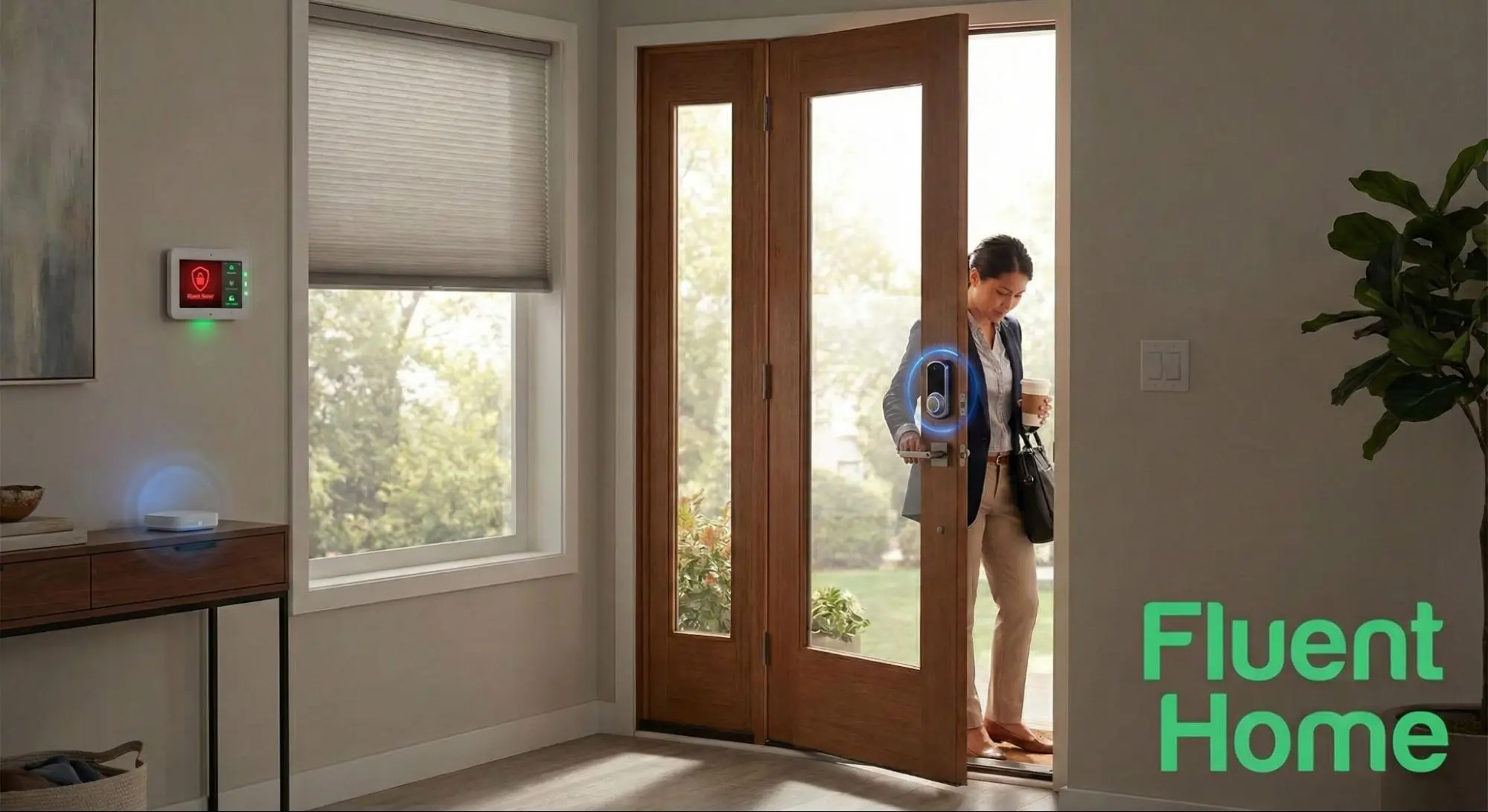
Smart locks can connect with security cameras, alarms, and other smart devices. If your alarm goes off, your smart lock can automatically lock the doors. Or, you can set up routines—like locking all doors when you say “Goodnight” to your voice assistant.
Comparing Smart Locks To Traditional Locks
Let’s see how smart locks stack up against standard locks in important security areas.
| Feature | Traditional Locks | Smart Locks |
|---|---|---|
| Key Management | Physical keys, easy to lose/copy | Digital keys, codes, biometrics |
| Access Control | One key fits all, hard to restrict | Custom codes, schedule access |
| Remote Control | Not possible | Lock/unlock from anywhere |
| Entry Tracking | No tracking | Log of all entries/exits |
| Integration | Standalone | Works with alarms, cameras |
Real-world Data: Do Smart Locks Reduce Break-ins?
Many people ask, “Do smart locks really stop burglars?” Research shows that visible smart locks can lower the risk of break-ins. According to a survey by the US Department of Justice, over 34% of burglars enter through the front door. When asked, former burglars say that smart locks are a strong deterrent—they make a home look harder to break into and more likely to have other security systems.
A 2022 report from Parks Associates found that homes with smart locks and cameras experienced 30% fewer break-in attempts compared to homes with regular locks. This does not mean smart locks are perfect, but they clearly raise the bar for criminals.
Types Of Smart Locks And Their Security Features
Not all smart locks are the same. Here’s a look at the main types and what makes each one unique.
1. Keypad Smart Locks
These use a number pad for entering codes. Good for families who want easy access without phones. Look for models with anti-peek features (so others can’t guess your code by looking at smudges).
2. Bluetooth Smart Locks
Unlocks when your phone is near. These usually don’t need internet, so they’re less vulnerable to hacking. But you must be close to the door.
3. Wi-fi Smart Locks
Connect directly to your home Wi-Fi, allowing remote access and real-time notifications. These are great for travelers or Airbnb hosts but need strong passwords and regular updates.
4. Biometric Smart Locks
Use fingerprints or facial recognition. Very convenient and hard to fake. Some models store data locally rather than online, for extra privacy.
5. Smart Deadbolts
Upgrade your existing deadbolt with smart features. Often, you can keep your original lock as a backup, giving you the best of both worlds.
6. Retrofit Smart Locks
These attach to your existing lock from the inside. Outsiders won’t know you have a smart lock, which keeps your security hidden.
Common Mistakes When Using Smart Locks
Smart locks are powerful, but only if you use them wisely. Many beginners make small errors that can weaken their security. Here are some mistakes to avoid:
- Weak passwords: Using “1234” or your birthdate is a bad idea. Choose a strong, unique password for your app and codes.
- Not updating firmware: Hackers look for old software. Always install updates to fix security holes.
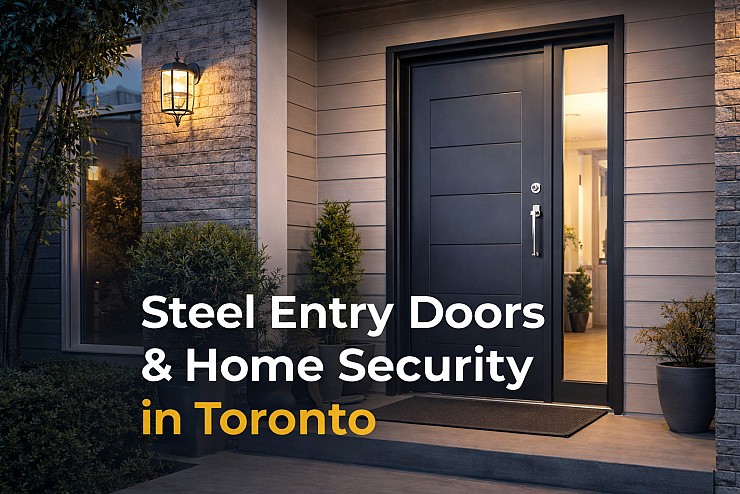
- Ignoring physical security: Even the best smart lock needs a strong door and frame. Thin or hollow doors can be kicked open.
- Sharing codes too widely: Only give out codes or digital keys to people you trust. Delete old codes when they’re no longer needed.
- Not enabling two-factor authentication: Many smart lock apps let you use an extra step (like a text code) to log in. Turn this on for better safety.
- Forgetting battery changes: Most smart locks run on batteries. Set reminders to change them before they die.
Advanced Security Features To Look For
If you want the best protection, look for these advanced features when choosing a smart lock:
- Auto-lock: The door locks itself after a set time, reducing the risk of leaving it open.
- Tamper alarms: The lock sounds an alarm if someone tries to break it or enters the wrong code too many times.
- Encrypted communication: Look for locks that use AES-128 or AES-256 encryption to protect signals.
- Access logs: A record of each unlock, with time and user info.
- Integration with security systems: The lock should work with your cameras, alarms, or smart home hub.
- Weather resistance: If your door is exposed, make sure the lock is rated for rain, dust, and extreme temperatures.
Privacy Considerations And Data Security
Smart locks handle a lot of sensitive data—who enters your home and when. To protect your privacy:
- Read the privacy policy before buying. Some brands collect more data than others.
- Choose locks that store data locally instead of in the cloud if privacy is a concern.
- Disable unused features: If you don’t need remote unlocking, turn it off.
- Regularly check permissions for any apps connected to your smart lock.
A non-obvious tip: When you sell or move out, always perform a factory reset on your smart lock. This wipes all your codes and history, so the next person can’t access your data.

Smart Locks And Home Insurance
Many insurance companies now recognize smart locks as an extra layer of protection. Some offer discounts on your premium if you have smart security devices installed. However, they may also ask for proof that your lock is installed correctly and always active.
If you ever need to file a claim, having an entry log from your smart lock can help prove that you locked the door or show the exact time of a break-in. This is something traditional locks can’t offer.
Smart Locks In Apartments And Rentals
If you rent your home, you might think you can’t use a smart lock. But many new models are designed for renters. Retrofit smart locks, for example, attach to the inside of the door and don’t require changing the main lock. When you move out, you can take them with you.
Landlords are also starting to see the benefits—less time making copies of keys, and better security for tenants. Some property managers use smart locks for self-guided tours, allowing potential renters to view apartments without an agent present. If you want to install a smart lock in a rental, always check with your landlord first.
Practical Tips For Maximizing Smart Lock Security
To get the most out of your smart lock, follow these expert recommendations:
- Combine with other security devices: Use cameras or doorbell cams to see who’s at the door before unlocking.
- Test battery life: Most smart locks last 6-12 months on a set of batteries, but heavy use can shorten this. Some locks send low-battery alerts—enable these in your app.
- Practice emergency unlocking: Know how to use a backup key or external battery pack in case your lock fails.
- Educate your family: Make sure everyone knows how to use the lock and what to do if something goes wrong.
- Change codes regularly: Update PIN codes every few months, especially for high-traffic homes or rental properties.
- Check compatibility: Before buying, make sure the smart lock fits your door type and works with your other smart devices.
Cost Comparison: Smart Locks Vs Traditional Locks
Some people worry that smart locks are too expensive. But is this really true in the long run? Here’s a cost snapshot:
| Item | Traditional Lock | Smart Lock |
|---|---|---|
| Upfront Cost | $20-$100 | $100-$350 |
| Key Duplication | $5-$15 per key | Usually free (digital) |
| Locksmith Visits | $75-$150 per visit | Rarely needed |
| Long-Term Security | May need full replacement if lost/stolen | Reset codes/permissions instantly |
While smart locks cost more upfront, you save money over time—no need to replace locks or pay locksmiths if keys are lost.
Common Questions People Forget To Ask
Before buying, consider these often-missed questions:
- Will the smart lock fit my door? Not all locks work with every door size or shape.
- What happens if my Wi-Fi goes down? Most good locks have a backup method, like Bluetooth or a physical key.
- Is the battery easy to change? Some locks have quick-release covers; others require tools.
- Does the lock support multiple users? Important for families, roommates, or rentals.
- Is there technical support in my country? Check for local support in case you need help.
The Future Of Smart Locks
Smart locks are growing fast. According to Statista, the global smart lock market will reach over $5 billion by 2027. New models are becoming even smarter, with features like:
- Geofencing: The door unlocks automatically as you approach with your phone.
- AI-powered threat detection: The lock learns normal entry patterns and alerts you about unusual activity.
- Voice biometrics: Only your unique voice unlocks the door.
As these technologies improve, smart locks will offer even stronger security and convenience.
Frequently Asked Questions
How Hard Is It To Install A Smart Lock?
Most smart locks are designed for easy DIY installation. Many people can do it with a screwdriver in about 15–30 minutes. Some models replace only the inside part of your lock, so you keep your old keys as a backup.
Always read the manual and watch the brand’s video guide if available.
Can Smart Locks Be Hacked?
Like any device with electronics, smart locks can be hacked—but it’s rare if you follow best practices. Use strong passwords, enable updates, and pick a lock with good encryption. No system is 100% safe, but smart locks are usually much harder to hack than to pick a basic mechanical lock. For extra tips, see the guide at Consumer Reports.
What If My Phone’s Battery Dies Or There’s A Power Outage?
Most smart locks have backup options. You can use a physical key, enter a code, or use an external battery pack to unlock the door. Always know your backup method before you need it.
Will A Smart Lock Work With My Smart Home System?
Many smart locks work with popular systems like Alexa, Google Home, or Apple HomeKit. Check the product details for compatibility. Some locks need a small hub to connect with other devices.
Are Smart Locks Safe For Families With Kids Or Elderly Members?
Yes. In fact, smart locks can make things easier. Kids don’t need to carry keys, and you can get alerts when they arrive home. For elderly family members, choose a lock with simple code entry or one that can be unlocked by voice.
Smart locks are a smart step forward for home security. They offer flexibility, control, and peace of mind that traditional locks can’t match. If you choose carefully, follow best practices, and combine them with other security measures, your home can be both safer and more convenient.