The Sonic Bomb Alarm Clock is well-known for its loud sound, strong vibration, and bright flashing lights. Many people ask: Is this device truly suitable for deaf users? The answer is not simple. It depends on how deafness affects someone, what features they need, and how the Sonic Bomb compares to other alarm solutions. In this article, we’ll explore the Sonic Bomb Alarm Clock in detail, discuss its pros and cons for deaf users, and share practical advice for choosing the right alarm. If you or someone you know is deaf or has severe hearing loss, this guide will help you make a confident decision.
What Makes The Sonic Bomb Alarm Clock Unique?
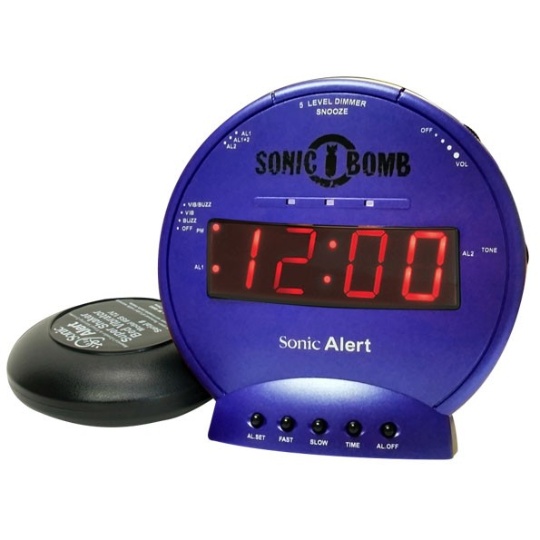
The Sonic Bomb Alarm Clock stands out because it was designed for people with hearing challenges. Its main features include:
- Super loud alarm (up to 113 decibels)
- Powerful bed shaker
- Bright flashing lights
- Easy controls and adjustable settings
Let’s break down each feature and see why they matter.
Exclusive Deals
Limited-time Exclusive Deals. Check current discount on Amazon.
Check Price on Amazon As an Amazon Associate I earn from qualifying purchases.Loudness: 113 Decibels Explained
113 decibels is extremely loud—about the same as a chainsaw or a rock concert. For most people, this sound is impossible to ignore. However, for someone who is profoundly deaf, loudness alone is not helpful. If you have partial hearing loss, the Sonic Bomb’s alarm can wake you by sound. But if you cannot hear anything, this feature will not matter.
Powerful Bed Shaker
The Sonic Bomb’s bed shaker is a small device that connects to the clock. You place it under your pillow or mattress. When the alarm goes off, it vibrates strongly, enough to shake the bed. Many deaf users rely on vibration, not sound, so this is a key feature.
Most standard alarm clocks do not offer vibration. The Sonic Bomb’s bed shaker is much stronger than the vibration in a smartphone. For many people with severe or profound hearing loss, this is the main reason to choose the Sonic Bomb.
Bright Flashing Lights
The clock also has flashing lights that blink when the alarm rings. This can wake someone if the room is dark. However, if you sleep with your face turned away or under blankets, the lights may not be effective. Still, for some users, visual alerts are important.
Exclusive Deals
Limited-time Exclusive Deals. Check current discount on Amazon.
Check Price on Amazon As an Amazon Associate I earn from qualifying purchases.Customizable Settings
You can adjust the volume, vibration strength, and brightness. You can use only vibration, only sound, only lights, or all three together. This flexibility helps people with different types of hearing loss.
Is The Sonic Bomb Effective For Deaf Users?
To answer this question, let’s look at how deaf users actually experience the alarm. Here are three main scenarios:
1. Profound Deafness
People who cannot hear any sound rely on vibration and visual alerts. The Sonic Bomb’s bed shaker is strong enough for most users. Some reviews mention it can even wake a person from deep sleep. However, people with very thick mattresses or who are extremely heavy sleepers may find the vibration less effective. The flashing lights are useful if you sleep facing the clock.
Exclusive Deals
Limited-time Exclusive Deals. Check current discount on Amazon.
Check Price on Amazon As an Amazon Associate I earn from qualifying purchases.2. Severe Hearing Loss
If you have some hearing, the loud alarm may help. But most users in this group still depend on the bed shaker. Combining vibration, sound, and lights gives the best chance of waking up.
3. Mild Hearing Loss
For people with mild hearing loss, the Sonic Bomb’s loud alarm is usually enough. Many use vibration as a backup.

Comparing Sonic Bomb To Other Deaf-friendly Alarm Clocks
The Sonic Bomb is popular, but it’s not the only option. How does it compare to similar products? Here’s a direct comparison:
| Alarm Clock | Loudness (Decibels) | Bed Shaker | Flashing Lights | Price Range (USD) |
|---|---|---|---|---|
| Sonic Bomb | 113 | Yes | Yes | 40–50 |
| Serene Innovations VA3 | 95 | Yes | Yes | 60–70 |
| Clarity Wake Assure | 85 | Yes | Yes | 70–80 |
| Philips SmartSleep | 80 | No | Yes | 120–130 |
As the table shows, the Sonic Bomb offers the highest loudness and a strong bed shaker at a moderate price. Some other models have more advanced features, but at higher cost.
Practical Experience: Real User Feedback
Online reviews and feedback from deaf communities show that the Sonic Bomb is a favorite. Here are some examples:
- A deaf college student says the bed shaker always wakes her, even after late nights.
- An elderly man with severe hearing loss reports the vibration works, but he had to place the shaker directly under his pillow.
- A parent of a deaf teenager mentions that the combination of vibration and lights is ideal, but the loud alarm is not needed.
One non-obvious insight: Some users complain the vibration is too strong and noisy, disturbing their partner. If you share a bed, consider this before buying.
Another insight: The Sonic Bomb needs a power outlet, so it’s not portable. If you travel often, look for models with battery backup or USB charging.
Sonic Bomb Alarm Clock: Key Features And Specifications
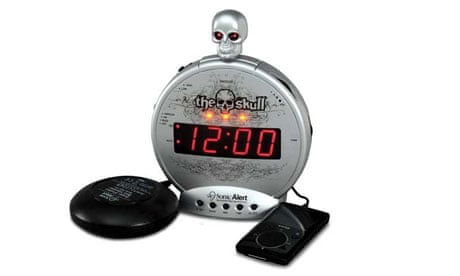
Let’s look at the technical details:
| Feature | Specification |
|---|---|
| Alarm Volume | Up to 113 decibels |
| Bed Shaker | 12V, 1.5m cable, strong vibration |
| Flashing Lights | Red LED |
| Display | Large digital LED |
| Power | AC powered, 9V battery backup |
| Settings | Volume, vibration, brightness adjustable |
These features cover the needs of most deaf users, but remember: No alarm is perfect for everyone.
How To Set Up The Sonic Bomb For Deaf Users
Setting up the Sonic Bomb is straightforward. Follow these steps:
- Plug the clock into a power outlet.
- Connect the bed shaker to the clock.
- Place the shaker under your pillow or mattress.
- Set the alarm time.
- Adjust the settings:
- Turn sound off if you don’t need it.
- Increase vibration strength if needed.
- Adjust light brightness.
- Test the alarm before your first use.
Tip: If the vibration is not strong enough, try placing the shaker closer to your head or under a thinner pillow.
Common Mistakes When Using Sonic Bomb
Many beginners make simple mistakes:
- Placing the shaker under thick mattresses: This reduces vibration. Use a thinner pillow or put it beside your head.
- Ignoring backup battery: If power fails, the alarm won’t work unless you install a 9V battery.
- Setting only sound: Deaf users should activate vibration and lights.
- Not testing before bedtime: Always test the alarm to ensure it works for you.
Who Should Avoid The Sonic Bomb?
While the Sonic Bomb is suitable for most deaf users, it may not fit everyone. Consider these cases:
- If you travel often, the Sonic Bomb is bulky and needs AC power.
- If you share a bed and your partner is sensitive to vibration, it may disturb their sleep.
- If you want advanced features like smartphone integration, look for newer models.
Alternatives To Sonic Bomb For Deaf Users
If the Sonic Bomb does not fit your lifestyle, there are alternatives:
- Wearable alarms: Smartwatches like the Apple Watch offer vibration alerts.
- Mobile apps: Some apps use vibration and flashing screens. However, phone vibration is usually weaker.
- Wireless alarm systems: Some alarms connect to lamps or vibrating pads. They are more expensive but offer more flexibility.
For more options and research, visit the Hearing Loss Association of America.
Expert Tips For Choosing The Right Alarm Clock
Here are some tips from audiologists and experienced deaf users:
- Always test the vibration strength before buying, if possible.
- If you are a heavy sleeper, choose the strongest bed shaker.
- If you rely on visual alerts, make sure the lights are bright enough for your room.
- Check for battery backup. Power failures can cause missed alarms.
- Read user reviews from people with similar hearing levels.
Non-obvious tip: Many deaf users place the bed shaker in a small zip bag to reduce noise but keep vibration strong.
Frequently Asked Questions
How Does The Sonic Bomb Wake Someone Who Is Deaf?
The Sonic Bomb uses a bed shaker and flashing lights to wake people who cannot hear sound. You place the shaker under your pillow or mattress, and it vibrates strongly. The lights blink, creating a visual alert. You can use one or both options.
Is The Sonic Bomb Alarm Clock Safe To Use Every Day?
Yes, it is safe for daily use. The vibration and lights are not harmful. However, avoid placing the shaker directly on your ear or head, as the strong vibration may feel uncomfortable.
Can I Use The Sonic Bomb If I Share A Bed?
You can, but the strong vibration may disturb your partner. Some couples find the shaker too noisy. Consider placing it on your side of the bed or using only visual alerts.
Does The Sonic Bomb Work During Power Outages?
It can work during power outages if you install a 9V backup battery. Without the battery, the clock will not ring during power failure.
What Is The Difference Between Sonic Bomb And Phone Vibration Alarms?
The Sonic Bomb’s bed shaker is much stronger than phone vibration. Phone alarms are good for light sleepers, but most deaf users need the power of a dedicated bed shaker.
Final Thoughts
The Sonic Bomb Alarm Clock is a strong choice for deaf users. Its powerful bed shaker, flashing lights, and loud alarm make it suitable for most people with severe or profound hearing loss. However, it’s not perfect for everyone. Heavy sleepers, frequent travelers, and those who share beds may need a different solution. Always test the alarm before relying on it. Compare features, read real user feedback, and consider your own needs. With the right setup, the Sonic Bomb can help you wake up confidently every morning.