
Motion sensors catch movement across a room; glass break sensors detect the sound or shock of breaking glass.
I’ve installed and tested both motion sensors and glass break sensors in homes and small businesses. This article explains Motion Sensor vs Glass Break Sensor differences, how each works, where each shines, real-world pros and cons, and clear guidance to choose and use them together. Read on for practical tips from field experience and simple steps to make your space safer.

Exclusive Deals
Limited-time Exclusive Deals. Check current discount on Amazon.
Check Price on Amazon As an Amazon Associate I earn from qualifying purchases.What is a Motion Sensor vs Glass Break Sensor?
A Motion Sensor vs Glass Break Sensor comparison starts with clear definitions. A motion sensor detects moving objects or changes in heat or radio frequency across a monitored area. Typical types include passive infrared (PIR), microwave, and dual-technology sensors.
A glass break sensor detects the sound or vibration pattern of glass shattering. Two common types are acoustic (listens for the glass-break audio signature) and shock/vibration (detects impact on a window frame or pane).
Both sensors serve security but protect different risks. Use motion sensors to notice intruders moving through a room. Use glass break sensors to catch someone breaking a window to enter. When used together, the coverage is stronger and reduces blind spots in home or business security.
Exclusive Deals
Limited-time Exclusive Deals. Check current discount on Amazon.
Check Price on Amazon As an Amazon Associate I earn from qualifying purchases.How Motion Sensor vs Glass Break Sensor Work
Motion sensors use a few sensing methods:
- Passive Infrared (PIR) senses body heat changes across its field of view. It triggers when a warm object moves across the detection zones.
- Microwave sensors emit radio waves and detect reflections. They can cover wide areas but may trigger from objects moving outside the room.
- Dual-technology sensors combine PIR and microwave to cut false alarms by requiring both triggers.
Glass break sensors use two main methods:
- Acoustic sensors listen for the specific frequency pattern of breaking glass. They use signal processing to silence non-glass noises.
- Shock or vibration sensors mount on the glass or frame and sense sudden impact or vibration. They can detect blunt-force impacts before glass fully shatters.
Knowing how they work helps you pick the right mix. For instance, PIR is great for living areas but struggles with glass-front displays. Conversely, glass break sensors protect windows well but do not detect movement in the room after entry.
Exclusive Deals
Limited-time Exclusive Deals. Check current discount on Amazon.
Check Price on Amazon As an Amazon Associate I earn from qualifying purchases.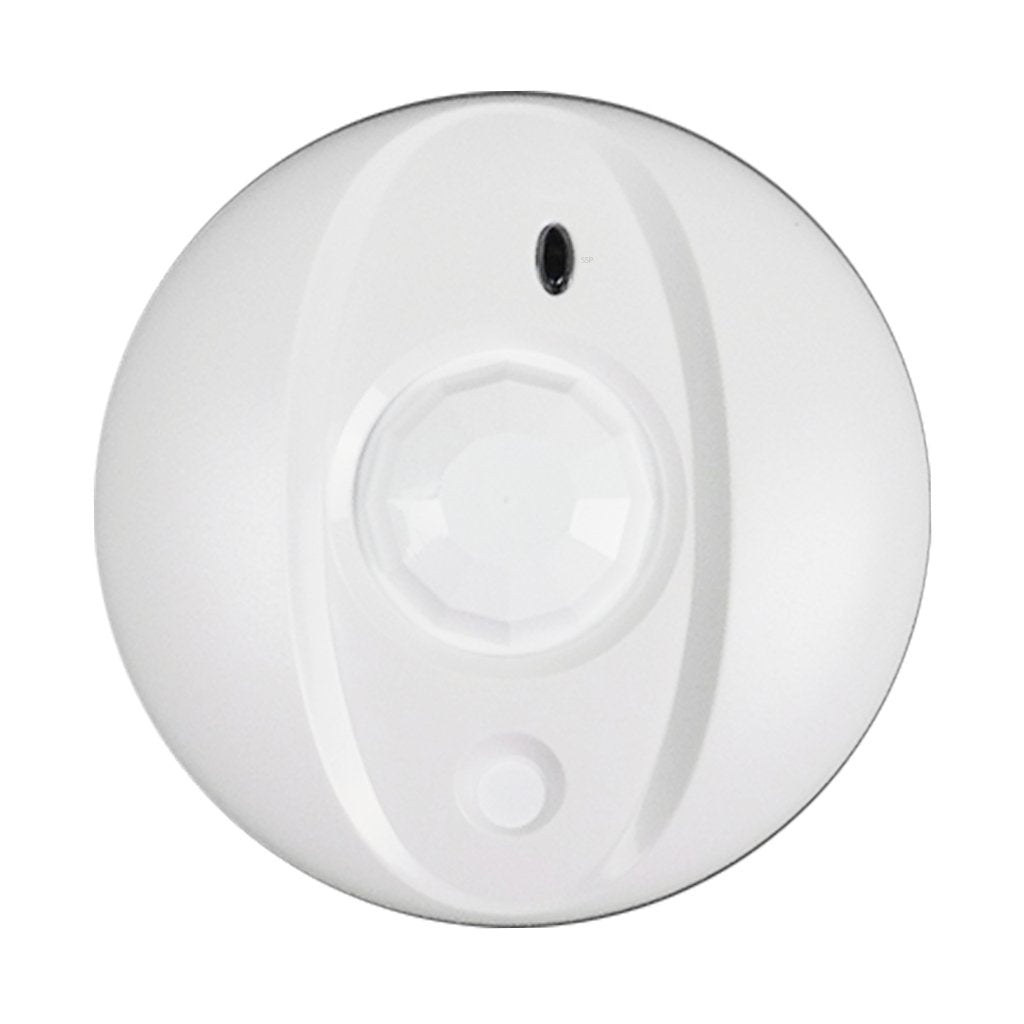
Benefits and Limitations of Motion Sensor vs Glass Break Sensor
Motion Sensor benefits:
- Broad area coverage with a single device.
- Low cost and common compatibility with many systems.
- Good for interior room sensing and tracking paths.
Motion Sensor limitations:
- Blind to slow or stationary intruders who hide or move very slowly.
- Can be triggered by pets, HVAC drafts, or sunlight without pet-immune or dual-tech models.
- Placement matters; blocked views or glass panes reduce effectiveness.
Glass Break Sensor benefits:
- Directly detects forced entry through windows and glass doors.
- Effective even when window coverings block motion sensors’ view.
- Acoustic types can cover multiple windows from one point.
Glass Break Sensor limitations:
- Acoustic sensors can have range limits and may not hear glass broken far away.
- False alarms possible from loud non-glass noises unless tuned correctly.
- Shock sensors require solid mounting and correct sensitivity settings.
Combining both addresses many gaps. A motion sensor catches an intruder moving inside, while a glass break sensor alerts when someone breaks in through glass.

Practical Use Cases and Placement Tips for Motion Sensor vs Glass Break Sensor
Where to use motion sensors:
- Living rooms, hallways, stairwells, and garages where movement should be noticed.
- Mount 6.5 to 8 feet high for optimal PIR coverage and to reduce pet false alarms.
- Avoid pointing directly at windows, HVAC vents, or shiny surfaces.
Where to use glass break sensors:
- Near ground-level windows, sliding glass doors, and large glass storefronts.
- Acoustic sensors work best mounted on a wall within audible range of the protected glass.
- Shock sensors should be attached to the window frame or glass with correct sensitivity.
Real-world tip from my installations:
- I once placed a single acoustic glass break sensor to cover three adjacent windows in a small storefront. It worked well until a delivery truck idling nearby caused false triggers. Moving the sensor 2 feet and lowering sensitivity fixed the problem.
Use both types in layered defense. Motion Sensor vs Glass Break Sensor placement should follow the goal: detect entry (glass break) and detect movement inside (motion).
Installation, Integration, and Cost Considerations for Motion Sensor vs Glass Break Sensor
Installation basics:
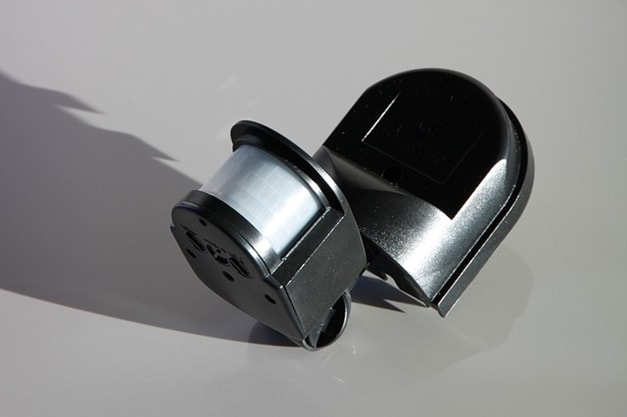
- Many motion sensors are battery-powered and mount with a small bracket. Most are DIY-friendly.
- Acoustic glass break sensors often need line-of-sight mounting on a wall and simple pairing to the alarm panel. Shock sensors need secure mounting to window frames.
Integration points:
- Both sensor types typically pair with modern alarm panels and smart home hubs.
- Ensure sensors support your panel’s wireless protocol or wired connections before buying.
- Check for smartphone alerts and integration with cameras for a fast response.
Cost and maintenance:
- Entry-level motion sensors usually cost less than glass break sensors, but prices vary by brand and tech.
- Expect modest battery costs and occasional replacement every 1–5 years depending on usage and wireless type.
- Professional installation adds labor costs but ensures optimal placement and fewer false alarms.
From my field work, spending a bit more on a well-integrated sensor often reduces frustrations later. A cheap glass-break unit that can’t connect to your panel is worse than a pricier branded unit that pairs cleanly and supports firmware updates.

Choosing the Right Sensor: Decision Guide for Motion Sensor vs Glass Break Sensor
Use this short checklist to decide:
- If your entry points include windows or glass doors, add glass break sensors.
- If you need broad indoor coverage in hallways or rooms, use motion sensors.
- For pet households, choose pet-immune PIR or combine with microwave/dual-tech sensors.
- For storefronts or large rooms, consider multiple sensors or higher-range acoustic models.
Common questions people think of when choosing sensors:
- Will motion sensors detect someone crawling? Motion sensors may miss very slow or stationary intruders; pairing with glass break sensors helps.
- Can one glass break sensor cover many windows? Acoustic sensors can cover multiple panes if within range and unobstructed.
- Are shock sensors noisy to set up? They require careful tuning but are usually silent once set.
Best practice: layer sensors. A Motion Sensor vs Glass Break Sensor strategy that mixes both types gives faster, more reliable detection and fewer gaps. My experience shows layered setups reduce false positives while improving real intruder detection.

Troubleshooting and Maintenance Tips for Motion Sensor vs Glass Break Sensor
Routine checks:
- Test sensors monthly using the panel’s test mode or a leak test routine.
- Replace batteries as soon as low-battery alerts appear. Keep spares on hand.
Common fixes:
- False motion triggers: check mounting height, angle, and nearby heat sources. Consider pet-immune or dual-tech sensors.
- False glass break alarms: lower sensitivity, change sensor position, or switch from acoustic to shock type if environmental noise is high.
Firmware and calibration:
- Update firmware when manufacturers release updates. This can improve detection algorithms.
- Recalibrate or retune sensitivity after major temperature changes or room renovations.
From hands-on work, the most common mistakes are poor placement and skipping tests. A small monthly check prevents most surprises.
Frequently Asked Questions of Motion Sensor vs Glass Break Sensor
What is the main difference between a motion sensor and a glass break sensor?
The main difference is what they detect: motion sensors detect movement or heat changes in a space, while glass break sensors detect the sound or shock of glass shattering. They protect different parts of a break-in sequence.
Can acoustic glass break sensors be fooled by loud noises?
Acoustic glass break sensors use pattern recognition to reduce false alarms, but very loud or similar-frequency noises can sometimes trigger them. Proper placement and sensitivity tuning reduce this risk.
Do motion sensors work through glass windows?
Most motion sensors do not reliably detect movement through glass because the glass changes infrared signatures and can block microwaves. Use a glass break sensor for window protection instead.
Should I install both Motion Sensor vs Glass Break Sensor types?
Yes. Using both sensor types creates layered security: glass break sensors alert to forced entry through glass, and motion sensors detect movement inside after entry. Together they reduce blind spots.
How often should I test and maintain these sensors?
Test sensors monthly and replace batteries as recommended, generally every 1–5 years depending on the device. Clean lenses and check mounts during tests to ensure reliable operation.
Conclusion
Motion Sensor vs Glass Break Sensor serve different but complementary roles. Motion sensors are great for broad indoor coverage and movement detection, while glass break sensors focus on forced entry through windows and doors. Use a layered approach, place devices thoughtfully, and test regularly to cut false alarms and increase real detection.
Choose based on the entry points and behavior you want to catch. Start by assessing windows, doors, and interior routes. Install at least one glass break sensor for vulnerable glass and motion sensors for rooms and hallways. If you want expert help, consult a reputable installer to optimize placement and integration.
Take action today: review your property, test existing sensors, and consider adding the missing sensor type for stronger security. Leave a comment about your setup or questions, and subscribe to learn more about practical home security tips.